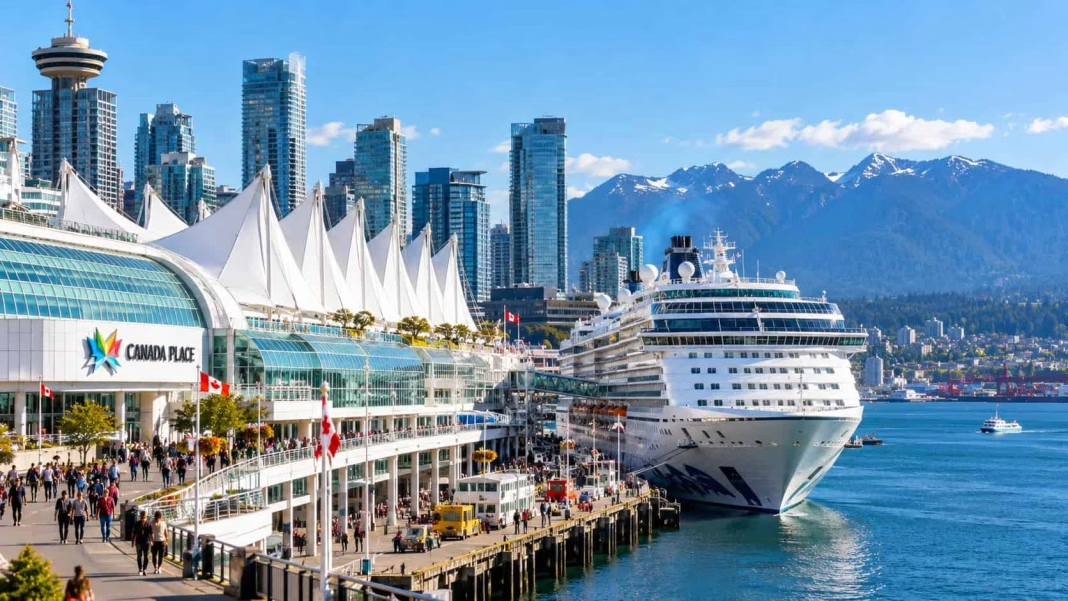


Vancouver goes hand in hand with Halifax, Victoria and other cities in driving Canadian tourism in 2026, as massive backing from the cruise travel market boosts passenger arrivals, hotel stays, local spending and demand for regional attractions, strengthening coastal economies across Canada.
Canada’s cruise tourism industry is recording substantial passenger activity in 2026, with Vancouver and Halifax playing important roles in the country’s Pacific and Atlantic maritime tourism markets. Vancouver’s Canada Place cruise terminal has reportedly handled nearly 1.4 million passenger visits, while Halifax’s seasonal programme has been associated with approximately 363,000 passengers and 189 vessel calls. These volumes demonstrate the importance of cruise operations to Canadian tourism, particularly for hotels, restaurants, retail businesses, transport providers and regional excursion operators.
Advertisement
Advertisement
The economic significance extends beyond passengers travelling through cruise terminals. Travellers arriving before embarkation or remaining after disembarkation create additional opportunities for accommodation, dining and local attractions. In Vancouver, cruise activity has been associated with more than CAD 1 billion in local economic benefits, while Halifax’s cruise season forms part of a broader tourism economy supported by air connectivity and hotel demand.
However, cruise passenger visits, unique visitors, ship calls and economic-impact estimates measure different aspects of the industry. Their definitions and reporting periods are important when comparing Canadian destinations.
Advertisement
Advertisement
Vancouver, British Columbia – Record 1.4 Million Cruise Passenger Visits Generate More Than CAD 1 Billion
Vancouver completed its busiest cruise season on record in October 2026, with approximately 1.4 million passenger visits and 358 vessel calls at Canada Place. Passenger volumes increased 18% compared with 2025, while ship calls rose 19% from 300. The Vancouver Fraser Port Authority estimated more than CAD 1 billion in local economic activity, equivalent to approximately CAD 3 million per vessel call. The results reinforce Vancouver’s importance as a homeport for Alaska cruises, where embarkation and disembarkation generate spending beyond the terminal. Hotels, restaurants, transport operators and local attractions benefit from travellers who combine their sailings with stays in British Columbia’s largest city.
Vancouver’s Pre- and Post-Cruise Stays Extend the Economic Benefits of Alaska Sailings
Vancouver’s cruise growth is increasingly connected to what passengers do before and after boarding. A Pacific Rim Cruise Association survey found that 76% of cruise passengers spend time in the city before or after their voyage, compared with 70% in 2023. Average local expenditure reached CAD 1,144 per passenger, covering accommodation, restaurants, shopping, tours and attractions. Travellers stayed an average of 1.4 nights, while visitors originating outside North America averaged 2.6 nights. These figures help explain why Vancouver’s cruise industry supports more than port operations. Additional hotel nights and local activities extend visitor expenditure into neighbourhood businesses, cultural attractions and the wider metropolitan tourism economy.
Advertisement
Advertisement
Halifax, Nova Scotia – Nearly 363,000 Expected Cruise Guests Support Atlantic Canada’s Tourism Season
Halifax entered its 2026 cruise season with approximately 363,000 passengers expected across 189 vessel calls involving 28 cruise lines, according to the Port of Halifax’s April schedule. The programme runs from 7 April to 5 November, meaning the full-season figures remain scheduled estimates as of 30 October. Highlights include eight inaugural calls, an overnight visit by Queen Mary 2 and expanded itineraries linking Halifax with major North American departure markets. Cruise activity is an established contributor to Nova Scotia’s visitor economy, with an earlier industry study estimating nearly CAD 200 million in annual economic activity and close to 1,000 jobs. The sector supports restaurants, shops, attractions and regional excursions.
Halifax Cruise Tourism Creates Opportunities for Hotels, Restaurants and Regional Excursions
Halifax’s cruise activity has commercial value beyond the number of ships entering its harbour. Passengers can explore the waterfront, visit the Canadian Museum of Immigration at Pier 21, experience the city’s historic attractions or travel to coastal destinations such as Peggy’s Cove. The 2026 schedule includes new itineraries and homeport connections intended to expand the region’s visibility among international cruise travellers. Halifax recorded approximately 357,000 cruise passengers and 184 vessel calls in 2025, providing a substantial base for the current season’s planned operations. Additional vessel calls may support local excursion providers and hospitality businesses, although cruise passenger totals should not be used to calculate hotel occupancy without separate accommodation data.
Victoria, British Columbia – Cruise Passenger Visits Pass One Million as Vessel Calls Reach a New Record
Victoria passed one million cruise passengers during its 2026 season for the first time, with the Greater Victoria Harbour Authority expecting 332 vessel calls, exceeding the previous record of 329 set in 2022. The achievement follows 989,950 cruise passengers in 2025 and strengthens Victoria’s position on Alaska and Pacific Northwest itineraries. The city’s cruise economy differs from Vancouver’s homeport model, with many visitors arriving for shorter port calls rather than beginning or ending their voyages locally. Shore excursions to Butchart Gardens, downtown attractions and coastal landmarks provide opportunities for transport operators, guides, retailers and restaurants. The arrival of additional cruise brands also broadens Victoria’s exposure to international travellers.
Charlottetown, Prince Edward Island – More Than 165,000 Expected Passengers Strengthen Atlantic Cruise Tourism
Charlottetown is preparing for close to 80 cruise ship calls carrying more than 165,000 passengers during 2026, according to the Government of Canada. Federal investment has supported improvements to the port’s passenger facilities, including boarding infrastructure, safety equipment and accessibility measures. These upgrades are intended to accommodate cruise activity more effectively and support travel outside the busiest summer period. Charlottetown’s compact historic centre allows passengers to reach restaurants, shops and cultural attractions within a relatively short distance of the waterfront. Excursions across Prince Edward Island introduce visitors to coastal scenery, agricultural communities and literary heritage. The passenger figure remains a seasonal expectation rather than a confirmed year-end total.
St. John’s, Newfoundland and Labrador – Expedition and Transatlantic Cruises Expand Regional Tourism Opportunities
St. John’s is strengthening its position within Atlantic Canada’s expedition and transatlantic cruise network, with Cruise Newfoundland and Labrador forecasting 33,652 passengers and 16,107 crew members during the 2026 season. The programme includes 13 turnaround calls, where passengers begin or finish voyages in the city, alongside six overnight stays. These operations are particularly relevant to local tourism because turnaround passengers may require accommodation, airport transfers and additional services before or after sailing. Overnight visits also provide more time for exploring St. John’s, its waterfront, Signal Hill and surrounding coastal communities. Unlike conventional short port calls, these itineraries offer opportunities for longer visitor engagement and greater spending across local businesses.
Canadian Cruise Tourism Gains From Stronger US Visitor Demand in August 2026
US residents travelling to Canada by cruise ship recorded a 6.5% year-on-year increase in August 2026, reaching 352,100 disembarkations, according to Statistics Canada. This represented an important indicator of summer demand across the country’s international cruise market. The figures are particularly relevant to British Columbia and Atlantic Canada, where many itineraries connect Canadian ports with American departure cities and Alaska or New England routes. The August increase also reflects the importance of cross-border tourism to Canadian cruise destinations. However, the 352,100 figure is a national monthly measure and should not be added directly to individual port passenger totals, which may use different counting methods and reporting periods.
Advertisement
Advertisement
Canadian Cruise Travellers Show Mixed Demand as August Return Trips Decline
While arrivals by American cruise travellers increased, Canadian residents returning from cruise trips recorded a different pattern. Statistics Canada reported 32,200 Canadian-resident cruise return trips in August 2026, a decline of 4.6% compared with August 2025. This followed a reported 35.9% year-on-year increase in July, indicating considerable variation between the two summer months. The contrast illustrates the difference between inbound cruise tourism and outbound Canadian travel behaviour. Rising international passenger arrivals can support Canadian port destinations even when fewer Canadian residents return from cruises during a particular month. For tourism operators, these statistics reinforce the need to examine passenger origin, itinerary type and travel direction rather than treating all cruise movements as a single market.
Canadian Cruise Tourism Performance in 2026 – Major Destinations and Passenger Volumes
| Destination | Province | 2026 Passenger Volume | Cruise Ship Calls | Performance |
|---|---|---|---|---|
| Vancouver | British Columbia | ~1.4 million | 358 | Passengers +18%; calls +19% |
| Victoria | British Columbia | More than 1 million | 332 expected | First season exceeding 1 million passengers |
| Halifax | Nova Scotia | ~363,000 expected | 189 scheduled | Expanded itineraries and inaugural calls |
| Charlottetown | Prince Edward Island | More than 165,000 expected | Nearly 80 scheduled | Port infrastructure improvements |
| St. John’s | Newfoundland and Labrador | 33,652 expected | Includes 13 turnaround calls | Overnight and expedition cruise opportunities |
Data note: Figures reflect published port results or 2026 schedules as of 30 October. Scheduled passenger volumes are not confirmed final arrivals. Figures should not be summed as unique Canadian cruise tourists because travellers may visit multiple ports.
Canadian Cruise Tourism’s Economic Contribution Extends Beyond Passenger Numbers
Canada’s cruise sector is generating economic opportunities across two different maritime regions. On the Pacific coast, Vancouver’s record passenger volumes and homeport operations support hotels, airport transfers, vessel provisioning and pre-cruise accommodation. Victoria benefits from shore excursions, retail spending and cultural attractions associated with cruise calls. Atlantic Canada operates with a different seasonal pattern, with Halifax, Charlottetown and St. John’s attracting travellers through Canada–New England, transatlantic and expedition itineraries. Together, these destinations demonstrate how cruise activity can support local tourism businesses, although passenger volume alone does not measure economic value. The amount visitors spend, the length of their stays and the services purchased locally are equally important.
Canadian Ports Invest in Infrastructure to Accommodate Growing Cruise Demand
Higher passenger volumes are also placing greater demands on Canada’s cruise infrastructure. Vancouver is expanding shore-power facilities at Canada Place to accommodate more vessels using electricity while docked, with the port authority estimating that the improvements could prevent an additional 3,300 tonnes of greenhouse gas emissions per cruise season. In Atlantic Canada, Charlottetown has upgraded boarding infrastructure and passenger facilities to improve accessibility and operational safety. These investments illustrate the practical requirements of accommodating larger ships and more frequent calls. Cruise tourism growth creates commercial opportunities, but ports must also manage emissions, terminal congestion, passenger transport and pressure on nearby neighbourhoods.
Conclusion – Vancouver, Victoria and Atlantic Canada Strengthen Canadian Cruise Tourism in 2026
Canada’s 2026 cruise season demonstrates the economic importance of its Pacific and Atlantic ports. Vancouver’s approximately 1.4 million passenger visits and more than CAD 1 billion in estimated local economic activity represent a significant achievement, while Victoria has surpassed one million cruise passengers for the first time.
Halifax’s substantial seasonal programme, Charlottetown’s infrastructure improvements and St. John’s expedition and turnaround operations show how Atlantic destinations are developing different opportunities within the cruise market.
Advertisement
Advertisement
The 6.5% increase in US-resident cruise disembarkations during August also highlights the importance of American visitors to Canada’s maritime tourism industry.
For Canadian destinations, the next challenge is converting passenger activity into sustained local economic benefits while improving infrastructure and managing environmental impacts. Cruise operators, ports and tourism businesses will need to balance capacity growth with the quality of the visitor experience and the needs of local communities.
Vancouver goes hand in hand with Halifax, Victoria and other cities in driving Canadian tourism in 2026, as massive backing from the cruise travel market boosts passenger arrivals, hotel demand, local spending and regional tourism businesses.
In conclusion, Vancouver goes hand in hand with Halifax, Victoria and other cities in driving Canadian tourism through massive backing from the cruise travel market in 2026, as record passenger activity, expanding vessel schedules and stronger international visitor demand generate significant opportunities for coastal destinations. Vancouver’s approximately 1.4 million cruise passenger visits and more than CAD 1 billion in estimated local economic activity highlight the market’s importance, while Victoria’s achievement of surpassing one million passengers reinforces British Columbia’s growing appeal. Meanwhile, Halifax, Charlottetown and St. John’s are strengthening Atlantic Canada’s cruise tourism network through expanded itineraries, expedition voyages and improved port infrastructure.