

Paris, France, still responds to evolving tourism and hospitality market conditions after the demonstrations of October 2026 when it comes to visitor access, hotels and the city’s international business market. The demonstrations disrupted parts of the capital and surrounding areas with significant cultural venues, while local travel updates have indicated conditions were variable by district. When it comes to hospitality, this demonstrates the value of holding flexible booking policies and has emphasised the need to continue tracking demand for corporate travel. Paris remains one of Europe’s primary international markets for business, exhibitions and conventions as well as high-end tourism for leisure purposes. But the information available here does not demonstrate that central Paris business hotels had a quantifiable decrease in occupancy after the protests during the fourth quarter, or that premium day-use discounts were rolled out through boutique hotels in the city. These are not to be considered as verified market changes without hotel statistics to prove it.
October Demonstrations Create Localised Visitor Disruptions
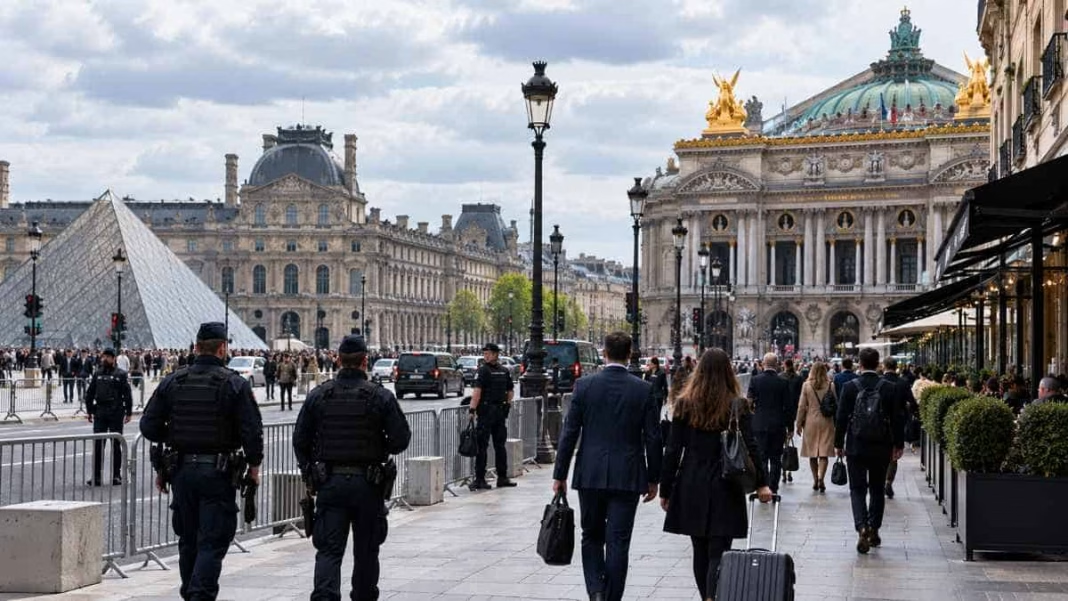
Paris experienced several demonstrations during October, including student-led mobilisations and a large march on 24 October. Reports from visitors and local travel updates described temporary access restrictions, increased police presence and interruptions around selected public spaces.
The Louvre Museum was among the locations affected. On 19 October, visitors reported that demonstrations outside its entrances prevented normal access, resulting in temporary closure arrangements. Other visitor reports during the following week also described cancelled admission slots and changes to planned museum visits.
However, these incidents were localised rather than evidence of a continuing citywide shutdown. Updates published on 27 October indicated that normal activity had resumed across most tourist districts, although further demonstrations remained possible.
Advertisement
Advertisement
A separate demonstration involving the Gilets Jaunes was reported near the French National Assembly for 30 October. Its potential impact was expected to be concentrated around nearby streets and transport connections rather than the entire capital.
For international visitors, checking individual attraction announcements and transport information before setting out remains important, particularly when visiting major museums or travelling through demonstration areas.
Advertisement
Advertisement
Louvre and Opéra Remain Important Cultural and Business Districts
The Louvre and Opéra districts occupy prominent positions within Paris’s tourism and commercial landscape.
The Louvre Museum attracts international visitors through its extensive art collections, including the Mona Lisa, Venus de Milo and Winged Victory of Samothrace. Its surrounding area also provides access to the Tuileries Garden, Palais Royal and the Seine riverfront.
The Opéra district, centred around the Palais Garnier, combines cultural attractions with luxury shopping, hotels, restaurants and commercial establishments.
Galeries Lafayette Haussmann and Printemps Haussmann are among the area’s prominent retail destinations. The district also benefits from transport connections through Opéra and Auber stations, making it convenient for visitors moving between central Paris, business districts and accommodation.
Although the supplied information refers to a newly implemented security corridor connecting the Louvre and Opéra, no independently verified municipal announcement confirming such a dedicated arrangement was available. Travellers should therefore follow actual police instructions, local traffic notices and public transport updates rather than assume that a special transit corridor is operating.
Paris Hospitality Market Retains Its International Appeal
Paris continues to hold an important position in Europe’s luxury hospitality and international business travel markets.
Advertisement
Advertisement
Research published by HVS in 2026 describes the city’s hotel market as entering the year with strong operating fundamentals, supported by recovering conference activity, international demand and a relatively constrained supply of hotel rooms.
The research also identifies the expansion of upscale and luxury accommodation as an important feature of the city’s hospitality market.
Separately, BNP Paribas Real Estate’s first-quarter 2026 hotel market review reported that revenue per available room in inner-city Paris increased by 5.9 per cent year-on-year to €144.70. The upscale segment continued to benefit from demand for premium accommodation.
These figures provide a useful picture of the market before the October demonstrations. They do not establish the financial impact of the latest events or confirm a fourth-quarter decline in hotel occupancy.
For visitors, Paris continues to offer accommodation across several price categories, from international luxury properties to independent boutique hotels and business-oriented establishments.
Corporate travellers can consider accommodation around La Défense, Opéra, Saint-Lazare and the central business districts, depending on their meeting locations and transport requirements.
Advertisement
Advertisement
Paris Remains a Major MICE and Business Tourism Destination
Meetings, incentives, conferences and exhibitions remain important components of the Paris tourism economy.
The city benefits from established conference infrastructure, international transport connections and a substantial supply of hotels equipped for corporate events.
Major venues include Paris Expo Porte de Versailles, which hosts international exhibitions, trade fairs and professional gatherings. The Palais des Congrès de Paris at Porte Maillot is another important venue for conferences and corporate events.
The city also offers premium meeting facilities in luxury hotels, particularly around the Champs-Élysées, Opéra and central business districts.
For international delegates, the availability of public transport remains an important consideration when choosing accommodation and conference venues. Paris’s Metro, RER and regional rail services provide connections across the metropolitan area.
Visitors arriving at Charles de Gaulle Airport can use the RER B railway service to reach central Paris, while Orly Airport is connected to the capital through the Paris Métro Line 14 and associated transport services.
Travel Planning and Visitor Access Across Paris
International visitors planning trips to Paris over the rest of the autumn should stay informed of developments at a local level and not be alarmed as to how this could affect other areas of the capital. The Eiffel Tower, Musée d’Orsay, Montmartre, Notre-Dame Cathedral and the Latin Quarter are some of the other sites of interest, although check with each about their opening arrangements and/or no Visitor of the Louvre should learn if there are any time-specific entry requirements or other considerations for entry. Visitors attending business or exhibition meetings should take into account potential delays if there are such events or any subsequent street closures. The broader hospitality and visitor economy of Paris continues to be a vital element of France’s worldwide tourism sector. The Paris developments just highlight the importance of flexible trip planning, reliable local information and cooperation between key tourism supply and demand entities.