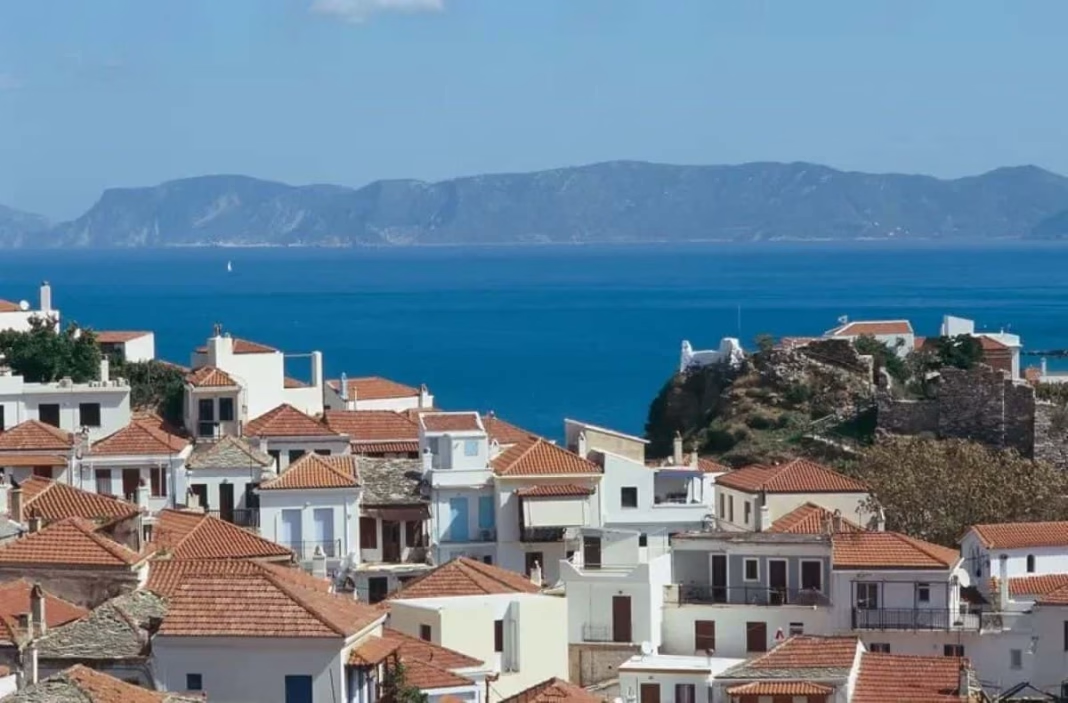


We have all seen the travel numbers rise. Rising with a mix of wonder and weariness. Greece keeps breaking records bringing in a €23.63 billion and offering more than 900,000 hotel beds. But standing on a sun-bleached cliffside, surrounded by crowds you can’t ignore the question: is growth actually ruining the very charm we came to chase? This is not about numbers or profits. It is, about protecting the heart of a place that feels like home to many. As we move through 2026 the real challenge is not how more visitors we can take in. It is whether we still remember how to honor what makes this place sacred.
Navigating the Strategic Horizons of the Updated Tourism Spatial Planning Framework and Luxury Hospitality Investments
Advertisement
Advertisement
The recent introduction of the updated tourism spatial planning framework in Greece has sparked important conversations surrounding sustainable growth, luxury hospitality, and the future of hotel investments. Moreover, this comprehensive regulatory blueprint aims to systematically organize regional development, ensuring that new hospitality ventures align perfectly with ecological preservation goals. By establishing clear geographic guidelines for hotel construction, Greece can effectively prevent overdevelopment while simultaneously attracting high-value international investors who specialize in eco-conscious luxury hospitality. Consequently, this strategic framework creates a predictable yet dynamic environment for developers looking to craft exclusive properties that harmonize with the breathtaking landscapes of Greece.
Furthermore, the emphasis on luxury hospitality within the new spatial planning guidelines represents a sophisticated response to shifting global travel trends and demands. Instead of focusing exclusively on mass tourism arrivals, investors in Greece are channeling substantial capital into premium accommodations, wellness retreats, and boutique eco-resorts that command higher daily rates while welcoming fewer overall guests. Therefore, this deliberate transition protects fragile coastal and mountainous ecosystems while simultaneously elevating the overall standard of service across Greece. Ultimately, these forward-looking investment strategies position Greece as a pioneering leader in sustainable luxury, offering international travelers an elevated, responsible, and deeply enriching holiday experience.
Shifting From Mere Capacity Expansion to Generating Higher Overall Value for Global Explorers and Investors
Moving forward, the core argument dictating the evolution of Greece hospitality suggests that the industry must shift away from mere capacity expansion and volume growth toward generating higher overall value. In addition, this strategic reorientation addresses the long-term economic sustainability of Greece, ensuring that every euro spent by tourists translates into meaningful, localized prosperity rather than superficial mass-market saturation. By prioritizing quality over quantity, businesses throughout Greece can enhance their service offerings, invest in advanced workforce training, and implement cutting-edge green technologies that significantly reduce their carbon footprint. Consequently, discerning international travelers will discover a much more refined, authentic, and satisfying destination when visiting Greece.
Advertisement
Advertisement
The global effects of this strategic shift will deeply influence how travelers plan, experience, and value their international journeys in the coming years. As popular hotspots across Greece embrace value-driven tourism, visitors from around the world can expect less overcrowding, better-preserved historical landmarks, and more personalized, culturally immersive encounters. Furthermore, this transition sets a powerful benchmark for other nations heavily reliant on tourism, proving that economic success does not require endless physical expansion. Ultimately, the future of Greece as a premier global destination depends entirely on its unwavering commitment to excellence, sustainability, and the creation of enduring value for both residents and international travelers alike.
Economic Impact and Financial Metrics: Analyzing the Contribution of Tourism to Regional Gross Domestic Product and Employment Rates
Advertisement
Advertisement
The economic footprint of the hospitality sector extends far beyond immediate visitor spending, serving as a primary driver of national employment and regional development across Greece. According to recent economic indicators, tourism directly and indirectly accounts for approximately 18% to 20% of the total national Gross Domestic Product, generating hundreds of thousands of jobs in allied fields such as transportation, agriculture, and retail. Furthermore, annual labor statistics indicate that seasonal and permanent employment figures within the tourism sector exceed 400,000 workers, underscoring its vital role in supporting domestic households. However, relying so heavily on a single industry creates vulnerability to global economic fluctuations, currency shifts, and geopolitical instability. Therefore, financial analysts consistently emphasize the necessity of diversifying regional economies while safeguarding the robust revenue streams generated by international visitors in cities like Athens and surrounding destinations.
To sustain this massive economic engine without depleting local resources, regional policymakers are currently exploring targeted fiscal incentives that reward sustainable business practices among hotel operators. By encouraging investments in renewable energy, water recycling systems, and waste reduction programs, tourism authorities aim to lower operational costs while simultaneously enhancing the environmental credentials of Greek hospitality. In addition, directing a larger percentage of tourism revenues toward infrastructure improvements in rural and less-visited islands ensures that economic prosperity is distributed more evenly across the entire country. Consequently, these comprehensive financial strategies will protect the long-term viability of the Greek economy, ensuring that record-breaking revenue figures translate into enduring community wealth rather than short-term gains.
Environmental Sustainability and Conservation Challenges: Protecting Natural Ecosystems and Coastal Biodiversity From Overdevelopment
The rapid acceleration of hospitality infrastructure and the proliferation of over 900,000 hotel beds throughout Greece present significant environmental challenges regarding water scarcity, waste management, and coastal degradation. Environmental research data indicates that peak summer visitor arrivals in popular insular regions can increase local municipal waste generation by up to 300%, placing an immense strain on municipal facilities. Furthermore, excessive groundwater extraction for resort swimming pools and landscaping threatens fragile freshwater aquifers, particularly on smaller Aegean islands where rainfall is scarce during peak tourist months. Consequently, conservationists and ecologists are urging municipal and national leaders to enforce stricter environmental compliance standards, mandatory impact assessments, and sustainable carrying-capacity limits for all future hotel developments.
Advertisement
Advertisement
Addressing these pressing ecological concerns requires a coordinated commitment from both private investors and government regulators to adopt circular economy principles within the hospitality sector. Innovative properties across Greece are increasingly turning to advanced desalination technologies, solar-powered energy grids, and comprehensive organic waste composting programs to minimize their ecological footprint. Moreover, protecting marine biodiversity and coastal habitats through the establishment of expanded marine protected areas ensures that the natural beauty which attracts millions of global travelers remains pristine and undamaged. Ultimately, harmonizing luxury hospitality with rigorous ecological stewardship is no longer optional, but rather an absolute prerequisite for maintaining the global reputation and environmental health of Greece.
Infrastructure Development and Transportation Networks: Modernizing Airports Ports and Regional Transit Systems for Seamless Mobility
The relentless growth of international arrivals necessitates continuous modernization and expansion of transportation infrastructure across Greece, encompassing major international airports, regional ferry ports, and highway networks. Recent aviation data reveals that airports in Athens and key island hubs handle tens of millions of passengers annually, creating persistent bottlenecks during peak summer travel windows. Furthermore, maritime transit routes connecting the mainland to popular island destinations experience severe congestion, leading to scheduling delays and increased wear on local port facilities. Consequently, substantial capital investments are being channeled into upgrading terminal capacities, expanding digital check-in systems, and optimizing public transit connections to ensure a seamless and efficient travel experience for every visitor.
In addition to expanding physical capacity, transportation planners are prioritizing sustainable mobility solutions to reduce carbon emissions and alleviate urban traffic congestion in densely populated tourist zones. Initiatives such as the integration of electric public bus fleets, the development of dedicated bicycle networks, and the promotion of green maritime ferries are transforming how travelers navigate through Greece. Moreover, intelligent traffic management systems utilize real-time data analytics to monitor visitor flows and redirect crowds away from overcrowded historical landmarks. Ultimately, these strategic infrastructure upgrades enhance overall travel safety, reduce environmental pollution, and elevate the standard of public services available to both international tourists and local residents.
Cultural Preservation and Heritage Management: Balancing Heritage Site Protection With High-Volume International Visitor Access
The global fascination with the ancient history, classical architecture, and rich cultural traditions of Greece draws millions of travelers annually to iconic landmarks such as the Acropolis in Athens. However, accommodating record-breaking visitor numbers while safeguarding fragile archaeological treasures presents a delicate balancing act for cultural heritage managers and site conservators. Recent visitor analytics show that daily attendance figures at major historical monuments frequently exceed recommended conservation thresholds, accelerating physical wear on ancient stone surfaces and public pathways. Consequently, cultural authorities are implementing advanced crowd-management protocols, including timed-entry ticketing systems and daily visitor caps, to protect these irreplaceable historical assets from irreversible damage.
Advertisement
Advertisement
Beyond physical conservation, sustainable cultural management involves preserving intangible heritage, traditional arts, and authentic local customs from the homogenizing effects of mass tourism. By actively promoting cultural tourism initiatives that encourage visitors to explore lesser-known historical sites and traditional mountain villages, tourism boards can alleviate congestion at headline attractions while supporting authentic local artisans. Furthermore, educational programs integrated into museum exhibitions and guided tours foster a deeper appreciation for Greek history among international travelers. Ultimately, protecting the nation’s profound cultural legacy ensures that future generations of global explorers will continue to experience the authentic heritage that defines the soul of Greece.
Workforce Development and Labor Dynamics: Addressing Staffing Shortages Training Standards and Fair Employment Practices
The hospitality industry in Greece relies heavily on a dedicated workforce ranging from culinary professionals and hotel managers to customer service representatives and tour guides. Recent labor market surveys indicate that the rapid expansion of hotel beds and tourism receipts has exacerbated seasonal staffing shortages, creating intense competition for skilled talent among hospitality operators. Furthermore, the demanding nature of seasonal work and fluctuating employment periods have prompted many young professionals to seek year-round career opportunities in alternative sectors. Consequently, industry leaders and educational institutions are collaborating to establish comprehensive vocational training programs, competitive compensation packages, and improved working conditions to attract and retain top-tier talent.
Elevating service standards across the entire Greek hospitality sector requires a continuous commitment to professional development, digital literacy training, and multilingual education for frontline staff. By investing in specialized hospitality academies and leadership workshops, employers can empower their workforce to deliver the personalized, high-value experiences expected by affluent international travelers. In addition, fostering inclusive workplace cultures and enforcing strict labor compliance standards ensure fair treatment for all employees throughout Greece. Ultimately, a well-trained, highly motivated, and fairly compensated workforce serves as the true cornerstone of sustainable hospitality success and long-term economic resilience.
Technological Innovation and Digital Transformation: Harnessing Smart Tourism Big Data and Artificial Intelligence for Enhanced Guest Experiences
The digital revolution is fundamentally reshaping how international travelers discover, book, and experience destinations throughout Greece, driving a profound shift toward smart tourism initiatives. Modern hospitality businesses are increasingly leveraging big data analytics, artificial intelligence, and mobile applications to personalize guest services, optimize room pricing, and streamline operational workflows. Furthermore, destination management organizations utilize predictive data models to monitor visitor density trends in real time, enabling them to distribute tourist flows more evenly across different regions and minimize overcrowding. Consequently, this technological integration empowers businesses in Athens and across the islands to deliver efficient, highly tailored experiences that cater to the evolving preferences of tech-savvy global explorers.
Advertisement
Advertisement
Moreover, the adoption of contactless technologies, digital concierge services, and sustainable energy-monitoring automation systems allows hotels to enhance operational efficiency while reducing their environmental impact. Guests can now easily manage their accommodation preferences, access local cultural guides, and track their personal carbon footprints during their stay via intuitive mobile platforms. In addition, virtual reality previews and advanced digital marketing campaigns enable prospective travelers to explore destinations across Greece before booking, ensuring higher satisfaction upon arrival. Ultimately, embracing cutting-edge digital transformation ensures that the Greek tourism sector remains globally competitive, innovative, and fully aligned with the expectations of modern international travelers.
Diversification of Tourism Offerings: Expanding Beyond Traditional Coastal Sun-and-Sea Models Into Niche Experiential Markets
For decades, international tourism in Greece has been predominantly defined by traditional coastal sun-and-sea holidays centered around the peak summer months. However, the growing demand for authentic, year-round travel experiences has prompted industry stakeholders to diversify their offerings into specialized niche markets such as agritourism, wellness retreats, gastronomic tourism, and historical expeditions. Data from regional tourism boards indicates a significant rise in off-season travel inquiries, particularly for rural mainland regions and lesser-known mountainous areas that offer immersive cultural and natural experiences. Consequently, this strategic diversification helps mitigate the economic risks associated with seasonal dependency while extending the operational window for hospitality businesses across Greece.
By highlighting distinct regional gastronomy, wine-tasting trails, olive-harvesting workshops, and ancient hiking paths, local communities can attract specialized traveler demographics seeking meaningful personal enrichment. Furthermore, developing wellness-oriented eco-resorts and thermal spa facilities positions Greece as a premier destination for holistic health and rejuvenation. In addition, promoting active adventure tourism, such as rock climbing, sailing regattas, and scuba diving, appeals to adventurous global explorers looking for dynamic challenges. Ultimately, expanding beyond conventional tourism boundaries enriches the overall visitor experience and ensures a balanced, year-round economic vitality throughout Greece.
Geopolitical Resilience and Global Risk Management: Preparing the Hospitality Sector Against External Crises and Market Volatility
The long-term prosperity of the tourism sector in Greece is inherently intertwined with global stability, international security, and macroeconomic resilience. Recent global events, ranging from health pandemics and economic recessions to climate change-induced extreme weather anomalies, have demonstrated the critical importance of robust crisis management and risk mitigation strategies. Industry risk assessments highlight that international travel demand can fluctuate rapidly in response to external shocks, emphasizing the need for flexible operational frameworks and diversified source markets. Consequently, tourism authorities and hotel investors across Greece are prioritizing financial reserves, comprehensive insurance coverage, and adaptive business models to safeguard against unforeseen disruptions.
Advertisement
Advertisement
Furthermore, fostering strategic diplomatic partnerships and maintaining strong promotional outreach across emerging international source markets helps stabilize visitor inflows during periods of regional uncertainty. Implementing proactive crisis communication protocols and rigorous safety standards reassures global travelers that Greece remains a secure, well-prepared, and welcoming destination under all circumstances. In addition, integrating climate adaptation measures into spatial planning frameworks ensures that coastal properties and critical infrastructure are adequately protected against rising sea levels and extreme weather events. Ultimately, building robust geopolitical resilience and comprehensive risk management protocols guarantees that the remarkable achievements of Greek hospitality will endure and flourish for decades to come.
Analyzing the 2026 Inbound Visitor Growth and the Structural Shift Toward Volume Versus Average Spending Per Trip Across Key European and American Source Markets
As the international travel landscape evolves through 2026, recent provisional data released by the Bank of Greece indicates that the country welcomed approximately 28.5 million inbound travelers during the first eight months of the year, representing a notable 10.0% increase compared to the same period in previous tracking cycles. Furthermore, total travel receipts climbed to €18.2 billion, marking a robust 9.4% year-on-year growth. However, a closer examination of these metrics reveals a complex economic reality: while total visitor volume surged significantly, the average spending per trip remained relatively flat or experienced slight contractions during peak summer months. For instance, data from major source markets such as Italy and the United States demonstrated divergent spending behaviors, with Italian arrivals jumping by 22.1% and US travelers increasing their total expenditure by 21% despite slightly lower overall visitor volumes from North America. Consequently, tourism stakeholders across Athens and surrounding regional hubs are re-evaluating whether chasing pure visitor volume is as financially advantageous as cultivating high-spending, value-driven market segments.
To address these shifting financial dynamics, hospitality operators and regional planners are implementing sophisticated yield-management strategies designed to optimize revenue without exacerbating infrastructure strain. By leveraging real-time border analytics and granular source-market performance metrics, tourism boards can tailor marketing campaigns to attract demographics that prioritize extended stays and premium cultural experiences. In addition, fostering partnerships with emerging international source markets helps insulate the national economy against localized currency fluctuations and economic uncertainties in traditional European feeder countries. Ultimately, transitioning from a volume-dependent model to a value-focused economic framework ensures that record-breaking arrival figures in Greece translate into sustainable, long-term profitability for local businesses and communities alike.
Evaluating the Extended Seasonal Horizons and the Rapid Rise of Off-Peak Short-Term Rentals and Winter Tourism Demand
The traditional temporal concentration of international tourism in Greece—historically compressed into intense July and August summer windows—is undergoing a structural rebalancing driven by changing traveler preferences and digital platform expansion. Recent hospitality statistics from Eurostat highlight that short-term rental guest nights booked via major online platforms grew by 14.9% during the first quarter of 2026, significantly outpacing the modest 8.3% growth recorded during the subsequent second quarter. Furthermore, regional hotspots such as Attica, Crete, and the South Aegean experienced a surge in off-peak international bookings during February and March, proving that global explorers are increasingly eager to discover the cultural depth of Greece outside the stifling heat of peak summer. Consequently, this extended operational window offers a vital mechanism to mitigate the severe economic vulnerabilities associated with seasonal dependency.
Advertisement
Advertisement
Capitalizing on this growing appetite for shoulder-season and winter travel requires coordinated public-private investments in regional infrastructure, cultural event programming, and year-round flight connectivity. Municipal authorities in Athens and various mainland prefectures are actively promoting alternative tourism products, such as culinary festivals, heritage hiking trails, and wellness retreats, to attract digital nomads and weekend leisure travelers throughout the cooler months. Moreover, spreading visitor arrivals more evenly across the calendar year significantly reduces the intense ecological and municipal strain placed on popular island destinations during peak summer weeks. Ultimately, embracing a year-round operational model revolutionizes the Greek hospitality landscape, ensuring steady employment for local workforces and a more balanced, harmonious experience for international visitors.
Assessing the Direct and Indirect Socioeconomic Contributions of Hospitality to National Employment and Domestic Labor Markets
The massive expansion of hospitality infrastructure across Greece, anchored by an inventory exceeding 900,000 hotel beds, serves as the primary engine for national employment, supporting hundreds of thousands of livelihoods directly and indirectly. According to comprehensive macroeconomic labor data, the tourism sector accounts for approximately 18% to 20% of the national Gross Domestic Product and sustains roughly 20% of all domestic jobs, encompassing roles in accommodation, food services, transport, and agriculture. However, the unprecedented surge in inbound traveler arrivals throughout 2026 has simultaneously intensified seasonal staffing shortages and increased operational pressures on front-line hospitality personnel. Consequently, industry leaders across Athens and regional tourist centers are facing urgent calls to elevate wage standards, improve working conditions, and establish formal vocational academies to retain skilled talent.
Addressing these labor dynamics requires a strategic commitment to professional career development, digital training, and fair employment practices across all tiers of the hospitality industry. Progressive hotel operators are introducing year-round employment contracts, comprehensive housing stipends for seasonal workers, and advanced leadership programs to transform seasonal jobs into stable, attractive career paths. In addition, fostering inclusive workplace cultures ensures that the human element of Greek hospitality—renowned globally for its warmth and authenticity—remains uncompromised by rapid commercial expansion. Ultimately, investing in the welfare and professional growth of the domestic workforce safeguards the long-term service excellence and cultural integrity that define the global reputation of Greece.
Managing Destination Carrying Capacities and Mitigating Urban Overcrowding in High-Density Cultural and Insular Hotspots
As international visitor arrivals continue to break historical records, destination management organizations across Greece confront the urgent challenge of balancing high-volume tourism demand with the preservation of local quality of life. Recent studies on tourist density indicate that localized congestion during peak summer months places severe burdens on municipal water supplies, waste management facilities, and historic urban centers like the historic districts surrounding the Acropolis in Athens. Furthermore, unmanaged foot traffic in fragile insular environments risks degrading the very natural and architectural assets that attract millions of global explorers annually. Consequently, municipal and national authorities are accelerating the deployment of advanced crowd-management technologies, including smart sensor networks, real-time visitor flow monitoring, and dynamic digital ticketing caps.
Advertisement
Advertisement
Implementing rigorous carrying-capacity limits and decentralizing visitor flows away from saturated headline attractions requires close collaboration between regional governments and private tourism operators. Tourism boards are actively developing regional promotional campaigns that direct travelers toward lesser-known mainland destinations, traditional mountain villages, and undiscovered islands that welcome additional economic activity. Moreover, establishing strict zoning laws and sustainable building codes ensures that new hospitality developments respect the spatial and environmental limits of their host communities. Ultimately, proactive destination management protects the fragile ecosystems and cultural heritage of Greece, guaranteeing that future generations of international travelers can experience these iconic locations in pristine condition.
Integrating Climate Change Adaptation and Environmental Risk Mitigation Into Long-Term National Hospitality Spatial Planning
The long-term viability of the tourism sector in Greece is increasingly contingent upon its capacity to adapt to escalating climate change pressures, extreme weather anomalies, and environmental vulnerabilities. Recent environmental assessments highlight that rising summer temperatures, prolonged droughts, and severe coastal erosion pose direct operational risks to resort infrastructure, water security, and agricultural supply chains across the Mediterranean basin. Consequently, the updated national tourism spatial planning framework incorporates mandatory climate resilience guidelines, requiring hotel operators and developers to integrate advanced energy-saving systems, efficient wastewater recycling plants, and renewable power grids into their properties. By proactively addressing these ecological threats, Greece aims to future-proof its multi-billion-euro hospitality economy against unforeseen environmental disruptions.
Furthermore, adopting circular economy principles across the entire hospitality value chain enables properties to drastically reduce their carbon footprints while appealing to the growing demographic of eco-conscious global travelers. Forward-thinking resorts throughout Greece are eliminating single-use plastics, implementing comprehensive organic waste composting, and restoring local coastal marine habitats to protect biodiversity. In addition, robust emergency response protocols and climate risk insurance mechanisms ensure that regional tourism economies can recover swiftly from extreme weather events without enduring permanent structural damage. Ultimately, harmonizing luxury hospitality with uncompromising ecological stewardship solidifies the position of Greece as a visionary global leader in sustainable, climate-resilient travel.
The Final Verdict
At the end of the day I feel that numbers on a balance sheet can never truly capture the scent of oregano after a summer rain nor the quiet reverence felt when watching the sun sink, behind an ancient marble pillar. When we look past the record-breaking billion-euro tallies and towering hotel bed counts we are left holding something more fragile: a living heritage entrusted to our care. If we surrender this heritage’s heart to the machinery of mass tourism no amount of financial success will ever bring heritage back. The real journey now is learning to love this place to let heritage breathe.