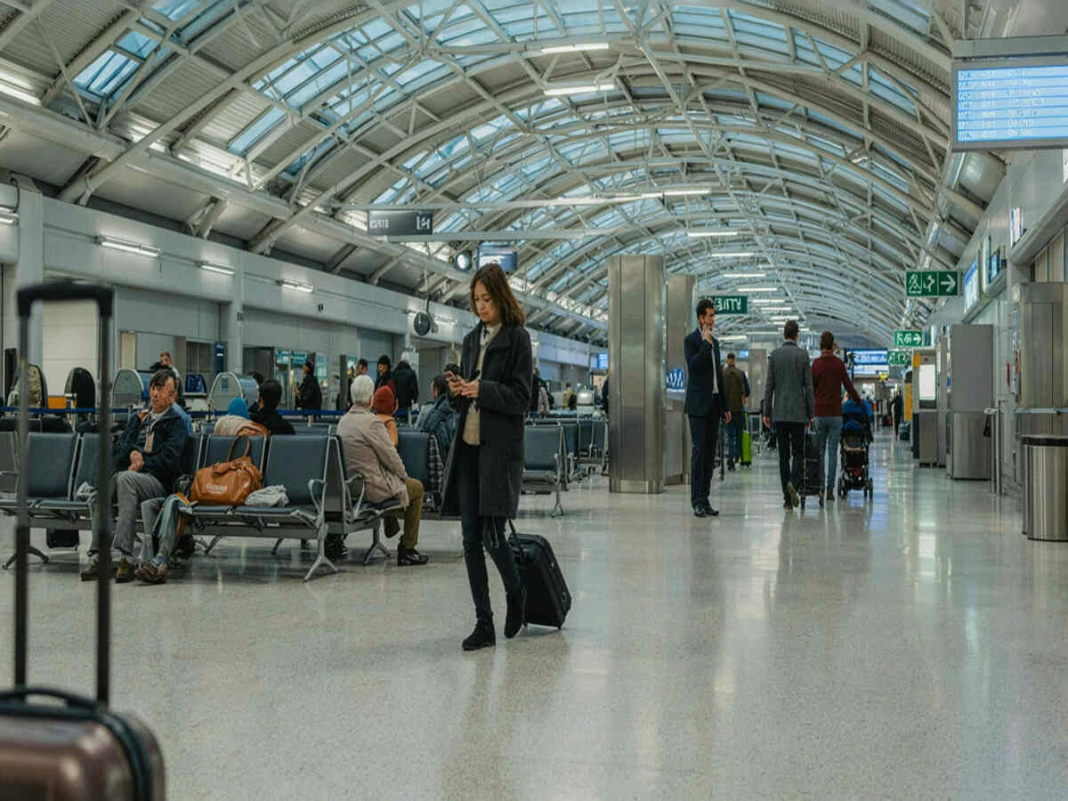


Spain and Italy experience chaos on their railways and flights because of the strikes in the transport sector which affect holiday travel. The most frequently used transportation corridors in southern Europe are preparing for a never-before-seen outbreak of strikes, as workers in the transport sector in Spain and Italy prepare to stage a series of strikes. Staged at a time when the most popular autumn holidays are being planned, including the busy All Saint’s Day holidays, these strikes are set to cause disruption to major airports and fast rail services.
For international tourists, business commuters, and holidaymakers, the convergence of these strikes turns standard cross-border journeys into an operational labyrinth. While labor syndicates push for revised collective bargaining agreements, inflation adjustments, and enhanced staffing rosters, millions of passengers are left navigating last-minute flight groundings, severely pruned rail timetables, and overstretched intercity transit alternatives.
Advertisement
Advertisement
The Gathering Storm: How the Strikes Disrupt Mediterranean Travel
The simultaneous timing of labor walkouts across two neighboring tourism powerhouses transforms localized logistical headaches into a systemic European travel bottleneck. Because Madrid, Barcelona, Rome, and Milan function not only as primary tourist destinations but also as essential transfer gateways connecting Western and Southern Europe, a disruption in one country inevitably spills over the border.
The disruptions hit passenger journeys across three primary operational fronts:
- Hub Flight Groundings and Capacity Choke-points Strikes involving air traffic controllers (ATC), ramp crews, and airline cabin personnel force carriers to cancel departures preemptively. Grounded departures occupy gate infrastructure, while airspace flow restrictions lead to prolonged holding patterns, cascading turnaround delays, and missed intercontinental connections.
- Intercity Rail Fragmentation High-speed rail—the primary alternative to regional air hops—faces sweeping timetable truncations. With drivers and operational staff joining the picket lines, intercity links between core business and leisure centers operate at reduced capacities, stranding travelers attempting to switch from grounded flights to the tracks.
- First-Mile and Last-Mile Urban Paralysis The impact does not halt at terminal gates or rail platforms. Simultaneous municipal bus, tram, and metro strikes paralyze key airport express lines and city station links, triggering severe road congestion, taxi shortages, and inflated ride-hailing fares across capital metropolitan zones.
Spain in the Crosshairs: Rail Stoppages, Ramp Disputes, and General Strike
Spain’s transport infrastructure faces sustained pressure from a dual-pronged strike strategy involving private rail operators, national rail networks, and airport ground service personnel, culminating in a planned cross-sector general walkout.
High-Speed Rail Timetables Under Pressure
Rail disruption in Spain spreads across both legacy and liberalized high-speed carriers. Low-cost high-speed operator Ouigo Spain faces a calculated series of driver stoppages that strike directly at long-weekend holiday mobility.
Advertisement
Advertisement
- Ouigo 24-Hour Walkouts: Full day-long driver stoppages set for October 30 and November 2 dismantle heavy holiday departures.
- Peak-Hour Staggered Actions: Subsequent walkouts on November 6 and November 9, as well as December 4 and December 8, target critical morning and late-afternoon rush hours, creating severe platform bottlenecks.
- Renfe and Adif Operational Strain: Industrial action backed by the SEMAF union impacts national operator Renfe. While high-speed AVE and budget Avlo services maintain mandatory minimums, commuter operations (Cercanías and Catalan Rodalies) face extensive service reductions.
Airport Gateways and Ramp Handlers
Aviation across Spain’s busiest gateways faces friction on the tarmac and inside baggage sorting facilities.
- Madrid–Barajas (MAD): Technical and baggage-handling maintenance disputes introduce extensive delays in luggage offloading and terminal baggage delivery systems.
- Barcelona–El Prat (BCN): Industrial action by Groundforce ground crews impacts ramp handling, pushback operations, and aircraft turnaround times, disproportionately affecting short-haul European carriers.
- Airline Cabin Crew: Preemptive route cancellations and flight consolidations have emerged across selected low-cost European carriers, notably easyJet, due to ongoing flight attendant labor disputes.
The November 11 General Strike Flashpoint
The situation escalates sharply on November 11, when major trade unions (CCOO and UGT) lead a nationwide general strike. This 24-hour cross-sector stoppage encompasses suburban rail networks, metropolitan subway systems in Madrid and Barcelona, long-distance intercity buses, and domestic flights.
Advertisement
Advertisement
Italy Follows Suit: Aviation Walkouts, Rail Gridlock, and Local Transit Freezes
Aligning with Spain’s wave of labor unrest, Italy’s transportation network faces an equally rigorous series of industrial walkouts spanning aviation, national rail, and municipal transit systems.
Aviation Bottlenecks: Air Traffic Control and Ground Services
Italy’s aviation sector faces acute operational vulnerability due to targeted air traffic control stoppages and airport-specific staff walkouts.
- ENAV Air Traffic Control Actions: Nationwide and regional ATC stoppages scheduled during mandatory four-hour windows (typically 13:00 to 17:00) force European airspace regulators to restrict flight slots, prompting carrier cancellations across domestic and international routes.
- EasyJet Cabin Crew Stoppage: A 24-hour national walkout by cabin personnel grounds a significant portion of the airline’s scheduled Italian movements.
- Venice Marco Polo (VCE): A 24-hour walkout by private airport security personnel (Sicuritalia IVRI) threatens massive queue bottlenecks at passenger screening checkpoints, causing travelers to miss departures despite flights operating on schedule.
- Milan Malpensa (MXP): Coordinated ground handling and tower strikes constrain aircraft handling capacity at northern Italy’s primary intercontinental portal.
Rail Network Standstills: Trenitalia and Italo
Italy’s rail network faces major operational hurdles during nationwide 23- to 24-hour walkouts called by transport syndicates (including CUB Trasporti and SGB Ferrovie).
- Network-Wide Impact: Walkouts pull drivers, dispatchers, and onboard crews from both state-owned Trenitalia and private high-speed operator Italo, affecting high-demand north–south arteries between Milan, Bologna, Florence, Rome, and Naples.
- Regional Disruption: Commuter operator Trenord faces severe operational constraints across Lombardy, disrupting cross-border connections into Switzerland and airport rail links to Malpensa.
Municipal Transit Freezes
Local mobility walkouts compound the intercity travel paralysis:
Advertisement
Advertisement
- Milan (ATM): Complete 24-hour transit strikes bring the Milan Metro network, historic tram lines, and local bus fleets to a halt, cutting off smooth transfers between Milano Centrale and surrounding districts.
- Venice Mainland (ATVO): Bus line stoppages disrupt shuttle operations between Venice Mestre rail station, Piazzale Roma, and the surrounding airport hubs.
Master Strike Calendar: Spain & Italy
The following schedule consolidates the primary announced dates, transport sectors, and operational impacts across both countries:
| Date | Country | Sector / Operator | Primary Location / Target | Expected Travel Disruption |
| Oct 30 & Nov 2 | Spain | High-Speed Rail (Ouigo) | Madrid, Barcelona, Valencia | 24-Hour Driver Stoppage; ~70% minimum operations |
| Nov 6 | Italy | Aviation (EasyJet & ENAV) | Nationwide / Regional ATC | 24-Hour Crew Strike; 4-Hour ATC window (13:00–17:00) |
| Nov 6 & Nov 9 | Spain | High-Speed Rail (Ouigo) | Core Intercity Corridors | Peak-Hour Driver Stoppages (Morning/Evening) |
| Nov 11 | Spain | Nationwide General Strike | All Transit / Rail / Metro | Total Cross-Sector Stoppage; Heavy urban gridlock |
| Nov 13 | Italy | Urban Public Transit | Milan (ATM), Venice (ATVO) | 24-Hour Metro, Bus, and Airport Shuttle Halt |
| Nov 20–21 | Italy | National Rail (Trenitalia/Italo) | Entire Rail Network | 23-Hour Stoppage (Starts 21:00 Fri to 20:00 Sat) |
| Nov 21 | Italy | Air Traffic Control (ENAV) | National Airspace | 4-Hour Stoppage (13:00–17:00); Heavy flight groundings |
| Nov 22 | Italy | Airport Ground & Security | Milan (MXP), Venice (VCE) | Security checkpoint lines (VCE) & Ground halts (MXP) |
| Dec 4 & Dec 8 | Spain | High-Speed Rail (Ouigo) | Madrid–Barcelona Trunk Lines | Strategic Holiday Weekend Peak-Hour Walkouts |
Passenger Rights, Legal Guarantees, and Compensation Rules
Navigating this period of industrial turmoil requires a clear understanding of legal protections established by national legislation and European Union law.
Minimum Guaranteed Services
Both Spain and Italy enforce strict legal frameworks to prevent total transit collapse during industrial disputes:
- Italy’s Fasce di Garanzia: Rail operators are legally mandated to maintain standard commuter service during two statutory daily windows on weekdays: 06:00 to 09:00 and 18:00 to 21:00. In civil aviation, the civil aviation authority (ENAC) safeguards protected flight slots between 07:00–10:00 and 18:00–21:00, alongside dedicated connections to Italian islands. Furthermore, the Ministry of Transport holds the legal power of precettazione—a formal back-to-work order that can curtail strike durations.
- Spain’s Servicios Mínimos: The Ministry of Transport decrees obligatory minimum service thresholds prior to any walkout. For high-speed lines, guaranteed services generally hover around 70% to 73%, while commuter lines are protected at 50% to 75%. Operators publish definitive lists of protected departures 24 to 48 hours in advance.
European Passenger Rights (EU Regulation 261/2004)
When flight plans are disrupted by industrial disputes, financial compensation rules diverge based on who is walking off the job:
- Airline Staff Actions (Cabin Crew, Airline Pilots): Walkouts conducted by an airline’s direct employees are legally recognized as internal operational management issues under Court of Justice of the European Union precedent. Affected passengers qualify for statutory cash compensation ranging from €250 to €600, depending on route distance, unless notified more than 14 days in advance.
- Third-Party Disruptions (Air Traffic Control, Airport Security, Ground Baggage Handlers): These walkouts are legally classified as “extraordinary circumstances” beyond the airline’s direct control. While passengers are not entitled to fixed cash compensation, carriers remain legally obligated under EU261 to provide a full ticket refund or free rerouting, along with essential duty-of-care amenities (meals, refreshments, and hotel accommodation when overnight delays occur).
Essential Survival Playbook for Affected Travelers
Travelers traversing Spain and Italy during these strike dates must adapt their itineraries proactively to mitigate cascading schedule failures:
- Target Protected Travel Windows: When booking or adjusting train and air departures in Italy, secure departure slots falling directly inside the legally protected fasce di garanzia (07:00–10:00 or 18:00–21:00).
- Monitor Operator-Specific “Guaranteed Trains” Rosters: Rather than assuming complete route closures, consult the specific “Treni Garantiti” lists published by Trenitalia and Italo, or the Servicios Mínimos decrees released on the Renfe and Ouigo online portals.
- Travel Carry-On Only: With baggage handlers and technical ramp crews striking in Madrid, Barcelona, and Milan, checked luggage runs a high risk of prolonged transit delays or terminal misrouting. Traveling light allows swift transfers to alternative train departures or intercity coach routes.
- Pre-Arrange Ground Connections: Because municipal transit strikes shut down airport rail links in Milan and Madrid, demand for taxis and private transfers surges dramatically. Booking road transfers well in advance prevents terminal stranding.
- Maintain Written Logs of Operational Expenses: Keep itemized receipts for meals, emergency lodging, and alternative transport. Under EU travel directives, operators must reimburse necessary expenses incurred due to duty-of-care failures during extended carrier cancellations.
A coordinated strike by rail and air transport services in both Spain and Italy will result in a highly disruptive holiday period for all travelers.
With the transport unions in both Spain and Italy making use of their collective bargaining strength, there is no doubt that this fall period is one of the most volatile ones regarding the travel industry. With air traffic control problems, cabin crew strikes, and reduced train schedules, spontaneity in travel across Southern Europe is not an option anymore. It is crucial to monitor daily the list of services guaranteed and plan your travel during the protected periods according to the law. Moreover, it is necessary to learn about passengers’ rights in Europe before boarding the train or plane.