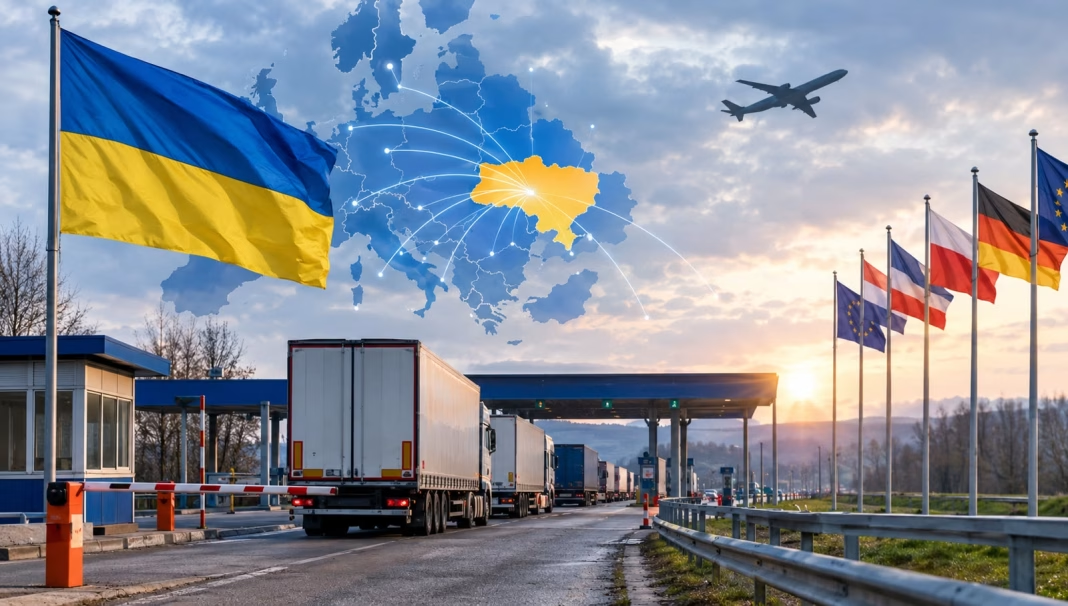


Ukraine has several international border routes that it can access, however there are many airspace restrictions in place and risks of war. As there is a complete shutdown of civil aviation throughout the country international travel is being done by land. The Western railways and road checkpoints are providing the main route. This means neighbouring countries such as Poland, Romania and Slovakia are providing continual access points. The border has been very busy with long queues being formed daily by the state border services. However they have been improving security at the borders. Travelers should be prepared for strict checks.
International safety experts and government diplomatic offices strictly advise against visiting high-risk destinations due to active war, lawlessness, extreme terrorism, and systemic social collapse. Currently, Haiti, Ukraine, Sudan, and Afghanistan represent four of the most dangerous countries for international travellers, where visiting invalidates standard insurance and emergency consular assistance is virtually non-existent.
Why Is Haiti Considered an Extreme Risk for Foreign Tourists?
Haiti remains severely unstable due to widespread gang control over key cities, rampant express kidnappings for ransom, an utter breakdown of public healthcare infrastructure, and the absence of effective diplomatic emergency support.
Global travel advisories place Haiti at the highest danger level due to the complete collapse of state authority throughout major metropolitan regions. Heavily armed criminal syndicates now control roughly eighty percent of Port-au-Prince, effectively blocking vital transit corridors, sea ports, and local fuel networks. Consequently, international visitors face an extraordinary threat of targeted express kidnapping, violent armed robbery, and carjacking across major public thoroughfares.
Furthermore, the domestic healthcare system has collapsed entirely, leaving local hospitals without basic medicine, electricity, or trauma staff. Foreign embassies have drastically reduced their operational personnel and imposed strict curfews, meaning diplomatic assistance is functionally unavailable in an emergency. Anyone attempting to travel through the country risks becoming stranded without medical, legal, or physical safety guarantees.
For real-time border conditions, crossing requirements, and entry protocols, travellers should consult the official State Border Guard Service of Ukraine portal.
Advertisement
Advertisement
What Makes Ukraine a Highly Hazardous Destination Currently?
Ukraine is an active war zone subject to unpredictable missile strikes, widespread unexploded ordnance across rural terrains, fragile utility grids, and complex land-border logistics created by closed national airspace.
The primary threat to safety in Ukraine stems from the ongoing military conflict, which exposes every region to unexpected aerial bombardments. Long-range missile strikes and autonomous drone attacks routinely hit critical utility infrastructure, creating prolonged power outages, water shortages, and severe communication blackouts. Additionally, vast swathes of eastern and southern farmland are heavily littered with unexploded landmines, posing lethal risks to unescorted civilians.
Advertisement
Advertisement
Because Ukrainian airspace remains strictly closed to commercial aviation, entering or exiting the nation requires lengthy, highly volatile land journeys through bordering European states. Regional border checkpoints experience sudden closures or massive delays whenever tactical alerts sound, leaving civilian transport vulnerable along open highways. Insurance providers completely exclude war zones, leaving travellers personally liable for all emergency medical evacuations.
“Navigating travel in regions facing severe conflict or social collapse requires absolute caution and thorough preparation. As official travel advisories emphasize, visiting countries like Haiti, Ukraine, Sudan, or Afghanistan carries immense personal risks—ranging from unpredictable military strikes to systemic lawlessness. With civilian airspace closed and traditional consular support virtually unavailable, relying on verified ground border routes and official government portals becomes vital for essential transit. Individuals must carefully weigh these extreme hazards, ensure comprehensive specialized insurance coverage where applicable, and strictly monitor real-time security updates before attempting any journey near or across these volatile borders.”
— Anup Kumar Keshan, Founder and Editor-in-Chief, Travel And Tour World
How Has Internal Conflict Turned Sudan Into a No-Go Zone?
Sudan is consumed by an intense civil war, marked by heavy urban shelling, widespread destruction of civilian hospitals, severe humanitarian aid blockades, and a complete lack of foreign embassy operations.
Advertisement
Advertisement
Intense military battles between opposing armed forces have transformed Sudan’s major urban centers into perilous, highly unpredictable combat zones. Heavy artillery bombardments and street-level gun battles occur regularly without warning, resulting in massive civilian casualties and destroyed transportation networks. The nation’s primary international airport in Khartoum has suffered extensive structural damage, shutting down reliable air travel and trapping residents inside conflict zones.
Simultaneously, the country faces a catastrophic humanitarian crisis where clean drinking water, food supplies, and essential medicines are virtually unobtainable. Nearly all functioning medical facilities have been looted or destroyed during the fighting, prohibiting emergency treatment for injured visitors. Most foreign governments have successfully evacuated their diplomatic personnel, meaning stranded travellers cannot request government intervention or organized evacuation support.
Which Violent Threats Make Afghanistan Unsafe for Travellers?
Afghanistan presents extreme travel risks caused by persistent insurgent terrorism, high probabilities of arbitrary detention, strict ideological laws, and the absence of functional Western diplomatic missions.
Security throughout Afghanistan remains highly volatile as extremist militant factions frequently carry out targeted terrorist bombings against public spaces. Hoteliers, transit stations, religious sites, and government checkpoints are regularly targeted, creating constant physical danger for foreigners. Moreover, foreign visitors face an elevated probability of unlawful detention or extended interrogation by local ruling authorities over minor administrative misunderstandings.
The legal system operates under strict religious decrees, where subtle civil violations can result in immediate arrest, heavy fines, or physical detainment. Because most Western nations closed their physical embassies in Kabul, delivering consular relief or legal representation to detained citizens is essentially impossible. Travel insurance policies automatically become null and void upon entry, leaving individuals completely unprotected against financial, legal, or physical harm.
| Country | Safety Advisory Level | Primary Hazards | Operational Status of Foreign Embassies | Key Travel Restrictions |
| Haiti | Level 4: Do Not Travel | Widespread gang control, express kidnapping, armed robbery, and healthcare system collapse. | Skeleton staff operating under strict curfews; limited emergency assistance. | Transit routes, ports, and highways are frequently blockaded by armed groups. |
| Ukraine | Level 4: Do Not Travel | Active war zone, missile/drone strikes, unexploded landmines, and utility blackouts. | Limited diplomatic presence depending on region; no emergency evacuation guarantees. | Civilian airspace is entirely closed; transit is strictly restricted to land border crossings. |
| Sudan | Level 4: Do Not Travel | Civil war combat, urban artillery shelling, severe humanitarian shortages, and infrastructure destruction. | Operations suspended; diplomatic staff evacuated. | Airport infrastructure is damaged; land border routes are highly volatile. |
| Afghanistan | Level 4: Do Not Travel | Insurgent terrorism, arbitrary detention, extreme civil restrictions, and unexploded ordnance. | Most Western embassies closed; in-person consular support unavailable. | Severe movement restrictions, strict local laws, and unpredictable border closures. |
The main cause behind the change in transport is that military action has caused all commercial air routes within Ukraine to close. To combat this issue, our government have opened up our western borders to provide high capacity road and rail transport. The reason these transport links have stayed open is to keep the economy of the country running. Using road transport means we can get all the essential medical equipment, humanitarian aid and goods into the country. This also means millions of people and diplomats can travel safely through these heavily guarded border checkpoints.
Advertisement
Advertisement
Overall, the land route is an essential transport link for the country. Our border officials are constantly increasing security to keep passengers safe on their journey. Passengers will need to ensure they have the correct documents to travel, specific insurance for war risk and regular updates on any delays that may happen at the border. As flying is currently not possible, the land route provides a structured and reliable form of transport. Keeping the land borders open means the economy can continue to trade, diplomats can stay in contact and humanitarian aid can be provided across Eastern Europe.