
Published on August 19, 2026 |
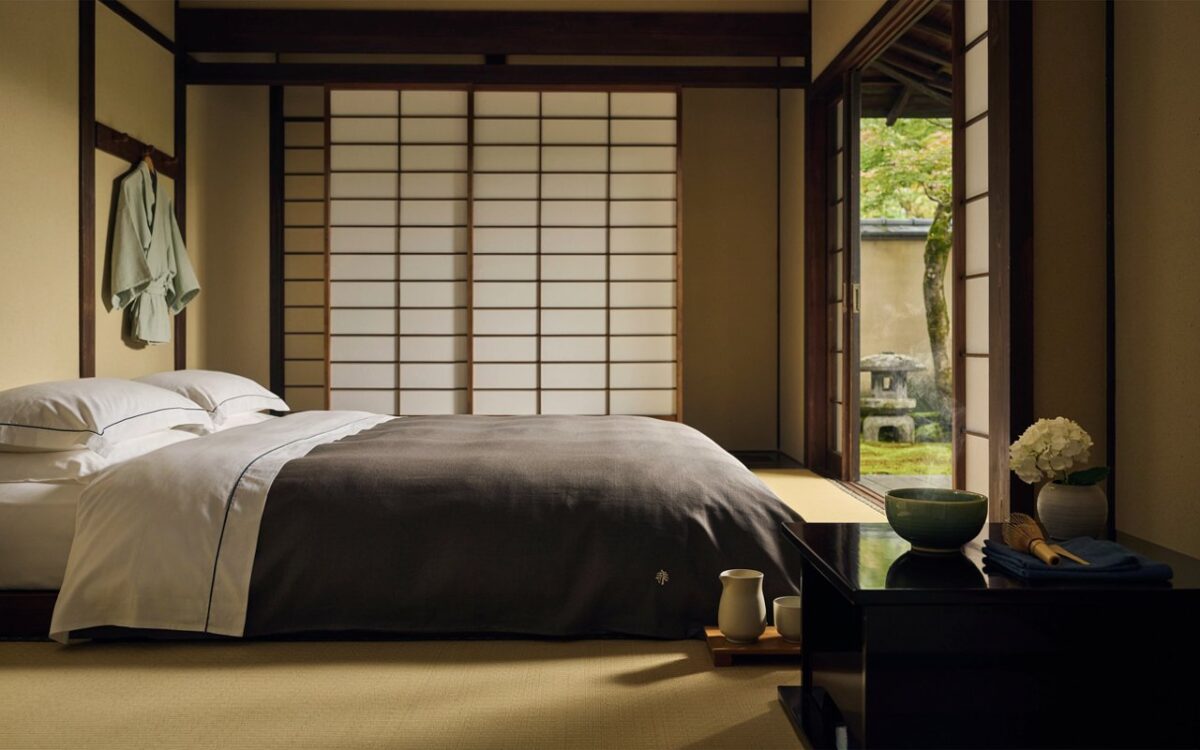
Image generated with Ai
Japan’s hotels are redefining wellness travel in 2026 by turning sleep into a personalised tourism experience. Properties including Hotel Chinzanso Tokyo, Hotel 1899 Tokyo and Malibu Hotel are combining sleep science, traditional tea culture, customised bedding and relaxation technology to attract travellers seeking recovery rather than sightseeing alone.
Luxury properties are combining advanced sleep analysis, customised bedding, calming environments and cultural practices to attract travellers seeking deeper relaxation. Rising stress levels, changing travel priorities and demand for meaningful experiences are driving this transformation. Japan’s hospitality industry is responding with innovative programmes that blend technology and tradition, positioning sleep-focused stays as one of the most influential trends shaping the future of tourism.
Japan’s Sleep Tourism Hotels in 2026: Brain-Wave Tracking, Tea Rituals, Sensor Beds and Custom Mattresses
| Hotel and destination | 2026 sleep programme | How the experience works | Sleep measurement / personalisation | Tea, bedding and other features | 2026 price / availability | Important traveller information |
|---|---|---|---|---|---|---|
| Hotel 1899 Tokyo, Shimbashi, Tokyo | Ocha de Totono-ne Plan – 1899 SLEEP JOURNEY; stays 1 Aug–30 Nov 2026 | A Japanese tea-centred sleep ritual designed to help guests slow down before bed and establish a more deliberate evening and morning routine. | No physiological scan. Guests complete an original sleep-type self-assessment and use it to choose among tea-and-herb combinations. | Five Japanese tea/herb tea bags; low-caffeine Ishizuchi kurocha chai latte at bedtime; tea-aroma warmer with roasted tea stems; bath salts; book lending; morning sencha session; Sheep-Free Pillow – Tuning with 14-stage height adjustment, plus alternative pillows. | Hotel does not publish one fixed package price on the programme page; rates vary through its booking system. Breakfast is separately listed at ¥2,500. | Best described as cultural and ritual-led sleep tourism, rather than medical sleep analysis. Particularly distinctive for connecting Japanese tea culture with digital detachment and bedtime routines. |
| Hotel Chinzanso Tokyo, Bunkyo, Tokyo | Sleep Well Stay / Sleep EEG Measurement Stay; available 6 Jan–25 Dec 2026 | Guests measure their sleep at home and again during the hotel stay, after which the results are evaluated and discussed with a doctor. | Yes – the strongest objective measurement programme found. InSomnograf records sleep EEG using a head sensor, analysing REM/NREM sleep and roughly 20 sleep indicators. Blood-oxygen-related wellness measurement is also included. Full programme uses five nights of EEG data – four at home and one at the hotel. | Sealy mattress; garden-view rooms; spa use; aroma oil and diffuser; specially developed Good Night drink based on chamomile, lemon balm and peppermint herbal tea with kiwi and lemon. | Full Sleep Well Stay: ¥99,900+ single / ¥140,700+ double in a 45 m² Prime Superior Garden View room. Executive Suite: ¥150,300+ single / ¥191,100+ double. Shorter EEG plan starts at ¥75,600+ single / ¥103,100+ double. Doctor consultation is extra: initial ¥8,800, repeat ¥6,600. | Must normally book by 15:00 ten days before arrival. Test kits must be sent to a Japanese residential address, creating a significant limitation for overseas visitors arriving directly in Japan. Saturday/Sunday check-ins are unavailable because of clinic scheduling. |
| Malibu Hotel, Riviera Zushi Marina, Zushi, Kanagawa | SLEEP WELL STAY, launched 5 Feb 2026 and promoted as an ongoing programme | Combines seaside surroundings with sleep science and ergonomics. Staff assess sleeping posture, sleeping habits and comfort preferences before preparing the bed. | Personalised rather than medical. An EMOOR-developed assessment is used to choose an appropriate mattress configuration and supporting bedding. No EEG or physiological sleep scan is listed. | Choice of three mattress arrangements, including the hotel’s Simmons bed and two sleep-science/ergonomic options; foot and body pillows; ReFa VITALWEAR; 100% silk pillowcase; three Art of Tea herbal teas including chamomile-based options; bedtime chocolate; lighting and background-music routine. | Standard room price + ¥12,500 per person, including breakfast. Limited to one group per day. | This is the clearest example of the “custom beds” part of the trend. It is roughly an hour from central Tokyo and also works naturally as an add-on to a Kamakura or Shonan-area trip. |
Why are Japanese hotels turning sleep into the next major wellness travel experience?
Japan’s hospitality sector is moving beyond traditional luxury accommodation by creating a new category of travel focused on one of the most basic human needs: quality sleep. Known as sleep tourism, this emerging trend allows travellers to book stays designed around rest, recovery and personalised wellness rather than simply accommodation.
The shift reflects growing global demand from travellers who want meaningful experiences that improve their physical and mental wellbeing. Japanese hotels are responding by introducing programmes that combine advanced sleep technology, carefully designed environments and cultural practices rooted in relaxation.
Advertisement
Advertisement
From Tokyo’s urban luxury hotels to coastal retreats near Kanagawa, properties are developing overnight experiences where every element, including lighting, bedding, beverages, aromas and room design, is selected to support better sleep.
The movement has gained attention because Japanese hotels are not following a single formula. Some properties use scientific measurement, while others focus on traditional Japanese rituals such as tea preparation, natural materials and quiet environments.
This combination of technology and heritage is positioning Japan as one of the most innovative destinations in the growing global sleep tourism market.
How is Hotel Chinzanso Tokyo using brain-wave technology to personalise sleep?
Among Japan’s sleep tourism pioneers, Hotel Chinzanso Tokyo stands out for introducing one of the most science-focused programmes available to travellers. The Tokyo luxury property offers a sleep experience that uses brain-wave measurement technology to analyse how guests sleep.
Advertisement
Advertisement
The programme uses an EEG-based device known as InSomnograf, which records sleep-related data, including sleep stages and patterns. The purpose is to help guests understand their individual sleeping habits and receive guidance based on the collected information.
Unlike traditional hotel wellness packages that rely mainly on comfortable beds or relaxing activities, Chinzanso’s approach introduces a data-driven element. Guests can examine their sleep quality through professional analysis and receive recommendations aimed at improving future rest.
The hotel combines this technology with a peaceful garden environment, luxury accommodation and relaxation-focused services. The property’s surroundings, including its famous Japanese garden, support the idea that sleep improvement requires both physical comfort and mental calm.
However, the programme also highlights a challenge facing technology-driven wellness tourism. Some sleep measurement services require advance preparation, making them easier for domestic travellers than international visitors arriving directly in Japan.
Despite this limitation, Hotel Chinzanso Tokyo represents a major step in the evolution of hospitality, where hotels are no longer only selling rooms but also offering personalised wellbeing solutions.
Why is Hotel 1899 Tokyo combining Japanese tea culture with sleep improvement?
While Hotel Chinzanso Tokyo focuses on scientific analysis, Hotel 1899 Tokyo is taking a more cultural approach by connecting sleep tourism with Japan’s traditional tea heritage.
The hotel’s Totono-ne sleep programme uses tea rituals as the foundation for relaxation. Guests begin with a simple sleep-type assessment before receiving specially selected tea blends designed around their preferences.
The experience reflects Japan’s long relationship with tea as a practice associated with mindfulness, calmness and slow living. Instead of relying on medical technology, the hotel creates a peaceful bedtime routine through flavour, aroma and carefully designed relaxation steps.
The programme includes original tea blends, herbal ingredients, bath-related relaxation products and high-performance pillows. Guests are encouraged to reduce digital distractions and create a more balanced transition between daytime activities and nighttime rest.
The hotel believes sleep represents a significant part of the travel experience because guests spend many hours inside their rooms. By improving those hours, the property aims to create a more memorable and restorative stay.
This approach demonstrates another side of Japan’s sleep tourism strategy. While some hotels are investing in technology, others are using cultural identity as their competitive advantage.
The tea-based experience also appeals to international visitors searching for authentic Japanese experiences rather than standard luxury services available worldwide.
How is Malibu Hotel creating personalised sleep through custom beds?
Located in Zushi, Kanagawa Prefecture, Malibu Hotel is introducing another important element of Japan’s sleep tourism movement: customised bedding.
The hotel’s Sleep Well Stay programme focuses on the idea that every traveller has different sleeping preferences. Instead of providing a single mattress solution for all guests, the property assesses sleeping habits and comfort needs before preparing an appropriate bedding arrangement.
The programme includes different mattress choices, supportive pillows and sleep-focused amenities designed to improve overnight comfort. Guests can experience customised sleeping environments combined with coastal surroundings overlooking the sea.
Malibu Hotel’s approach reflects a growing understanding within the hospitality industry that sleep quality depends heavily on individual factors. Mattress firmness, body support and sleeping posture can influence whether guests experience genuine rest.
The property also incorporates herbal teas, relaxation products and wellness amenities to create a complete evening routine.
Unlike medical sleep programmes, Malibu Hotel focuses on comfort personalisation. It positions sleep as a luxury experience where guests receive an environment designed specifically around their preferences.
This model could become increasingly influential because it is easier for hotels worldwide to adopt compared with complex medical monitoring systems.
Are more Japanese hotels investing in sleep-focused rooms and wellness stays?
The growth of sleep tourism in Japan extends beyond three headline properties. Several hotels are developing programmes that combine specialist bedding, sensory technology, relaxation products and wellness services.
Properties such as Grand Nikko Tokyo Daiba and The Westin Tokyo are introducing sleep-focused stays featuring advanced pillows, premium mattresses, herbal teas, aroma products and environmental controls designed to support relaxation.
The trend demonstrates how hotels are expanding the definition of luxury. Previously, luxury accommodation was often measured through room size, dining options or exclusive facilities. In 2026, many travellers are increasingly valuing invisible benefits such as better rest and reduced stress.
Some Japanese hotels are also experimenting with passive technology. Wellness retreats are introducing beds and room systems that track aspects of sleep behaviour while maintaining a comfortable guest experience.
The industry is carefully balancing innovation with privacy. Hotels promoting sleep technology must ensure guests understand how information is collected and how it is used.
Japan’s approach shows that future hospitality may increasingly combine personalisation with wellbeing. Instead of simply providing a place to sleep, hotels are attempting to actively improve the quality of that sleep.
Why does Japan have a competitive advantage in the global sleep tourism market?
Japan’s strength in sleep tourism comes from its ability to merge modern innovation with traditional wellness practices.
The country already has a strong reputation for hospitality, known as omotenashi, which focuses on anticipating guest needs. Sleep tourism naturally fits this philosophy because it requires hotels to understand individual preferences and provide highly personalised experiences.
Japan also has cultural advantages. Tea ceremonies, hot springs, forest retreats, minimalist design and appreciation for seasonal environments all support the concept of restorative travel.
At the same time, Japanese companies have invested heavily in sleep technology, bedding research and wellness products. This allows hotels to combine cultural experiences with scientific approaches.
The result is a tourism product that appeals to multiple traveller groups. Business travellers can recover after long journeys. Wellness travellers can seek relaxation. Luxury travellers can explore exclusive personalised experiences.
As international tourism becomes increasingly competitive, destinations are searching for new ways to attract visitors. Japan’s sleep tourism strategy creates a unique selling point by transforming something universal into a specialised travel experience.
As travellers continue searching for meaningful and restorative journeys, Japanese hotels are proving that the future of luxury may not only be about what guests see during the day, but also about how well they sleep at night.
Other verified Japanese hotels embracing sleep-focused stays during 2026
| Hotel / retreat | Location | Active 2026 programme | Main sleep-tourism technology or concept | Physiological measurement? | Tea / mattress / pillow / wellness elements | Price, dates and limits |
|---|---|---|---|---|---|---|
| Grand Nikko Tokyo Daiba | Odaiba, Tokyo | Sleep Tight in Suite | Builds a controlled sleep environment around mattress pressure distribution, airflow, temperature management and relaxation products. | No published sleep measurement | Airweave mattress pad; Mizuno Deep Breathing Pillow-O2; Shark TURBOBLADE tower fan; cotton-linen nightwear; non-caffeinated Lupicia herbal tea; aroma bath salts; steam eye masks and sleep-support products. | 17 Jun–30 Sep 2026; 19 suite rooms; from ¥103,600 per room for two, including breakfast, tax and service, excluding accommodation tax. |
| The Westin Tokyo | Ebisu, Tokyo | Stay for Breakfast with SLEEP WELL Experience | Combines the Westin Heavenly Bed with light, scent and sound technology intended to structure bedtime and waking routines. | No published physiological recording | Heavenly Bed; Brain Sleep Clock providing light, aroma and sound; Brain Sleep Pillow; lavender balm; TWG herbal tea; chamomile tea; bath products; spa aqua-area access and breakfast. | 8 Mar–31 Aug 2026; two Deluxe rooms per day; ¥74,203+ including tax and service; advance booking required. |
| THE PASONA natureverse retreat | Awaji Island, Hyogo | Wellness retreat opened 23 Jun 2026, integrating nutrition, exercise and sleep | Selected rooms contain sensor-equipped electric beds developed with Nitori and MinebeaMitsumi that monitor movement and breathing while the guest sleeps and visualise sleep quality. | Yes, passive sensor measurement, but importantly the operator says the bed is not a medical device and is not intended to diagnose or treat disease. | Sensor bed; private natural hot spring in guest rooms; wellness clinic; gym; thalassotherapy-style pool and wider retreat programming. | Open from 23 Jun 2026. Static public room rates were not stated in the reviewed programme material; prices are provided through booking/enquiry channels. |
| Tokyo Prince Hotel | Shibakoen, Tokyo | Gentle Sleep Support Stay | Consumer sleep-support package designed around relaxation, pillow comfort and reducing fatigue associated with modern lifestyles and digital-device use. | No objective sleep monitoring listed | MuAtsu pillow; Doctor Air EMS scalp spa; 3D Eye Magic; SUIMIN CARE gauze pyjamas for guests to take home; sleep-related book; Ajinomoto Glyna sleep/stress-support product; Tokyo Tower-facing accommodation. | 9 Apr 2026–31 Mar 2027. Launch material advertised rates from around ¥12,800 per person based on two sharing, with pricing subject to room/date availability. |
| The Capitol Hotel Tokyu | Nagatacho, Tokyo | Sleep Wellness – Good Sleep Stay | High-end sleep environment centred on specialist Nishikawa bedding, including a HELSION mattress classified in Japan as a controlled medical device. | No sleep recording, despite the medical-device bedding | HELSION electric-potential/warming mattress; Nishikawa Air 4DX pillow; down bedding; recovery-oriented sleepwear; chamomile tea and honey; customised breakfast/morning drink; aroma; several alternative pillow types. | 27 May 2026–31 Mar 2027 stays, with exclusions around New Year; one room per day. Deluxe Hollywood Twin ¥163,200+ for two; Club Deluxe ¥201,150+ for two. Medical-device contraindications apply to some guests, including users of certain implanted electrical devices. |
| Hoshino Resorts KAI Okuhida | Okuhida, Gifu | Hida MOKU Good Sleep Stay | A distinctly Japanese nature-and-craft interpretation of sleep tourism, avoiding electronics in favour of timber, scent, hot springs and mountain surroundings. | No physiological measurement | Hida timber guest room; Japanese cypress wood-shaving experience; hinoki bathing; four wood-derived essential oils and diffuser; Forest Soda drink; nature walk; onsen environment. | 7 May–31 Oct 2026; one room per day; maximum three adults; reserve at least four days ahead. Programme is listed for Japanese-language participation. |
Can sleep tourism become a major hospitality trend beyond Japan?
Japan’s 2026 sleep tourism movement suggests that hotels may increasingly compete on wellbeing rather than only accommodation quality.
The rise of brain monitoring, customised mattresses, tea rituals and relaxation-focused rooms shows a shift in traveller expectations. Visitors are no longer only looking for attractions, restaurants or comfortable rooms. Many want travel experiences that leave them feeling healthier and more refreshed.
Japan’s hotels are creating different pathways into this market. Some focus on scientific measurement. Others highlight cultural traditions. Some prioritise personalised comfort through bedding innovation.
Together, these approaches demonstrate that sleep tourism is becoming a broader hospitality category rather than a temporary trend.
For Japan, the opportunity is significant. The country can combine its reputation for technology, wellness, design and traditional culture to create one of the world’s most distinctive sleep-focused travel markets.
Japan’s sleep tourism expansion is growing because travellers increasingly value well-being, recovery and personalised experiences. Hotels are answering this demand by combining scientific tools, customised comfort solutions and traditional Japanese relaxation methods. The reason behind this evolution is a global shift towards wellness-focused travel, where quality rest has become an essential part of the journey. From brain-wave analysis to tea-based rituals and tailored bedding, Japanese properties are creating new hospitality models. This approach strengthens Japan’s position as a leading wellness destination while showing how the future of luxury travel may focus as much on restoration as exploration.
Advertisement
Advertisement