
Published on August 18, 2026 |
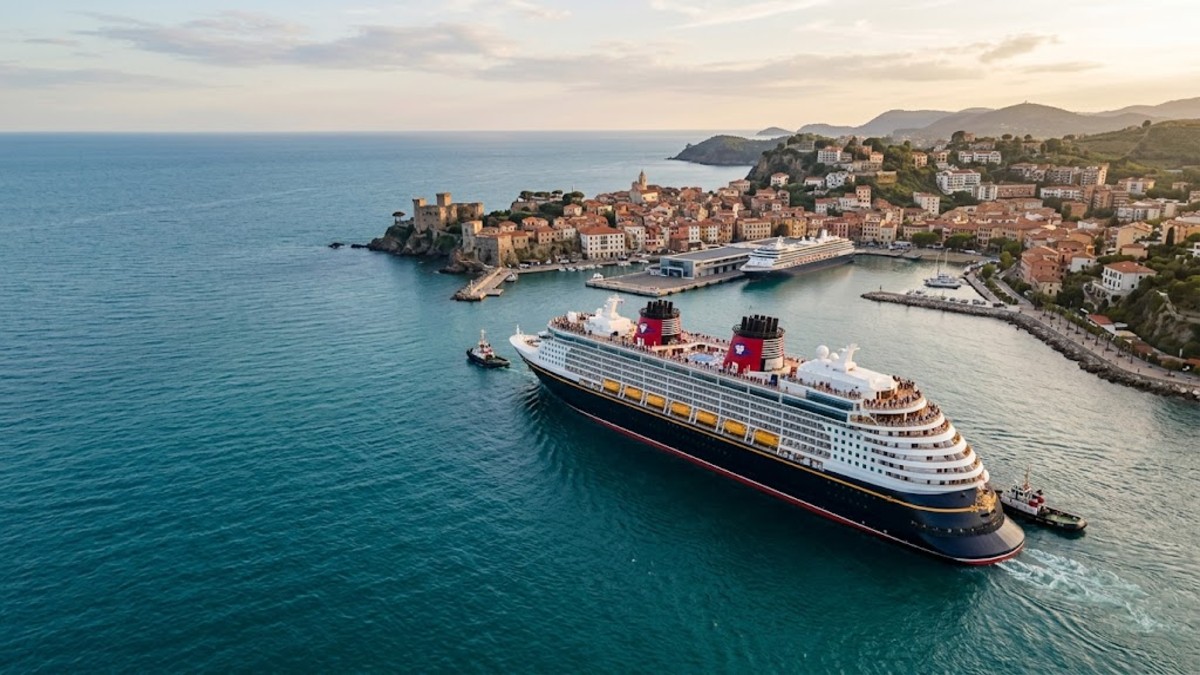
Image generated with Ai
Family members and dreamers experienced heart-pounding excitement in Anaheim, California at the D23 event. Disney Cruise Line revealed the launch of a new class of ships. This exciting development will usher in the golden age of international tourism. The extension will link popular ports such as Port Canaveral with exotic coastal destinations. It offers vacationers unforgettable experiences all over the globe.
Disney Cruise Line reveals plans for three new mid-size cruise ships. By fiscal year 2031, this class of ships will have increased the number of vessels to 13. Launching dates for these ships will start in 2029. These ships will be specifically designed to access hidden coastal gems.
These ships play a special role in the fleet. They are specifically designed to be bigger than the traditional 2,713-guest Disney Magic. However, they will still be smaller than the 4,000-guest Disney Wish. This unique design will allow the exploration of unique harbors. Coastal small towns will benefit immensely from increased tourist spending.
This official announcement was made at the showcase in California. Teasers provided the first glimpse of the future of maritime travel.
A Strategic Leap for Coastal Economies
Tourism boards worldwide praise this mid-size design choice. Mega-ships often cannot dock in smaller historic harbors. These custom vessels solve that spatial constraint effortlessly. Local vendors, guides, and artisans will gain direct economic benefits. Regional markets will see immediate tourism boosts.
Claire Weiss, portfolio executive creative director, shared her vision. She noted that these mid-size ships create amazing opportunities to visit new places. She added that they allow the brand to reach brand-new audiences.
The fleet strategy focuses on flexibility over pure vessel scale. Small harbors in Europe, Asia, and the Americas will gain new cruise calls. Increased port visits directly stimulate municipal transit networks. Hospitality sectors will welcome steady streams of international visitors.
Thomas Mazloum, chairman of Disney Experiences, explained the core philosophy. He stated that not every ship fits every destination globally. He emphasized the vital need for fleet flexibility as Disney expands. He added that this flexibility ensures access to new destinations wherever fans are located.
Pioneering New Destinations and Global Travelers
The economic ripple effect of cruise travel extends beyond the shore. Regional airports will welcome more long-haul family vacationers. Pre-cruise and post-cruise hotel stays will drive local occupancy rates upward. Port cities will see enhanced infrastructural investments to support guest arrivals.
Natacha Rafalski, president of Disney Signature Experiences, highlighted the global shift. She stated that the brand is expanding the fleet to become far more global. She confirmed that the fleet will count 13 ships by late calendar year 2030. She added that these new ships serve as fresh entry points for guests everywhere.
This strategic expansion creates strong long-term momentum. Regional tour operators will design tailored cultural excursions. Small local economies will thrive on steady cruise arrivals. Entire communities will join the global travel supply chain.
Driving Port Infrastructure and Sustainable Growth
Maritime transport departments and port authorities worldwide prepare for this influx. Upgraded docking facilities will support these modern, environmentally efficient ships. Cleaner marine energy adoption will align with municipal sustainability goals. Harbor communities will experience modernized passenger terminals. Local employment will surge in port operations, maritime logistics, and hospitality.
According to government maritime reports, port call expansions stimulate shore-side spending significantly. Each vessel call pumps capital directly into domestic supply chains. Fresh produce, municipal water, fuel, and waste services require local sourcing. Consequently, coastal municipal authorities view Disney’s fleet growth as an economic catalyst.
Maritime authorities also emphasize the benefits of distributed tourism. Smaller vessels prevent overcrowding in major, hyper-visited destination ports. Instead, guest traffic disperses across lesser-known coastal towns. This distribution supports regional preservation and enhances the guest journey.
Transforming Regional Hospitality and Culture
Regional tourism ministries eagerly anticipate new maritime itineraries. Smaller coastal regions often struggle to attract international long-haul tourists independently. Cruising solves this geographic barrier by bringing global travelers directly to their doorsteps. Local museums, heritage sites, and national parks will experience higher visitor numbers.
In turn, cultural heritage organizations gain crucial funding for preservation projects. Municipal tax revenues generated from passenger head taxes fund local public projects. Roads, waterfront parks, and civic transit systems receive direct community benefits. Thus, local residents share in the economic windfall of modern cruise tourism.
Cruising also encourages repeat land-based tourism. Travelers who discover a port via cruise often return for longer vacations later. This compound effect boosts hotel occupancy rates across entire regions long-term.
Building Lifelong Global Connections
Apart from the basic economic indicators, maritime tourism contributes greatly towards fostering a better cross-cultural understanding. It gives foreigners a chance to meet the local story-tellers, chefs and guides face to face. This is good for both the locals and the tourists. Childhood travels foster global awareness among the little explorers.
The introduction of the versatile mid-size ships helps forge enduring connections among the continents. Port cities become thriving centers where international experience is shared. Coastal towns make it to the world tourism scene with grace.
Families have something to look forward to in the far horizon. Story telling will harmoniously blend with the local culture. Coastal areas are prepared for a new dawn of economic prosperity in Anheim.
Advertisement
Advertisement