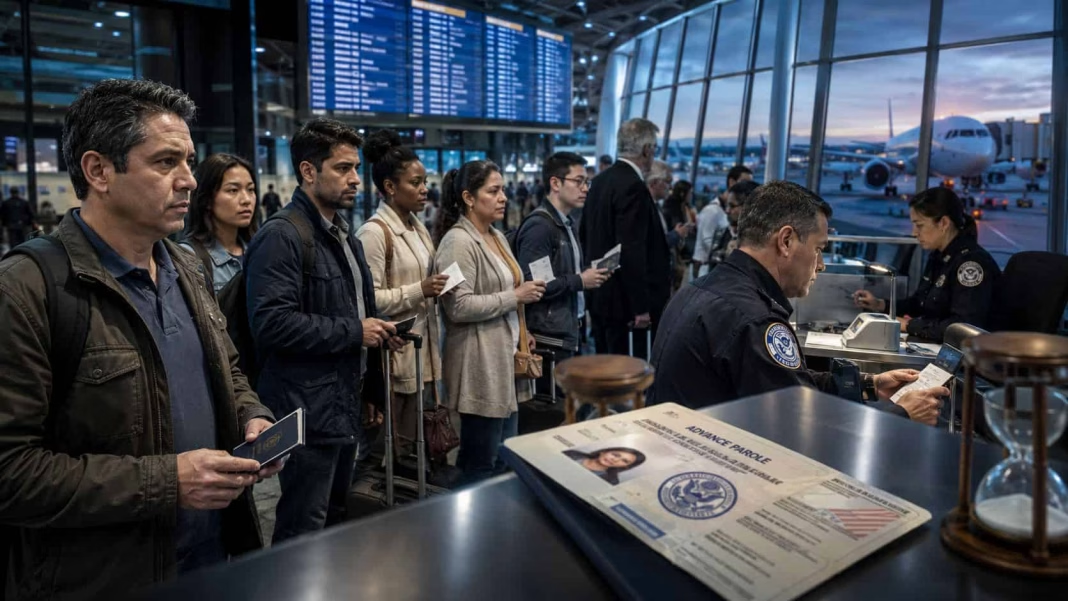


The Caribbean is rapidly embracing digital immigration systems as countries including Cuba, Jamaica, Barbados, Trinidad and Tobago, Saint Kitts and Nevis, Antigua and Barbuda, and the Dominican Republic modernize their border procedures. Electronic visas, online arrival cards, travel authorizations, and biometric screening are becoming increasingly important for international visitors. These developments aim to simplify passenger processing, improve border security, and reduce dependence on traditional paperwork. However, requirements differ considerably between destinations. Some countries have introduced electronic visas, while others require digital immigration declarations before arrival. For travelers planning Caribbean vacations, understanding these differences is becoming an essential part of preparing for a smooth journey.
Which Caribbean Nations Are Leading the Digital Immigration Transformation?
| Caribbean country | Electronic immigration development | Implementation status in 2026 | Importance for international travellers |
|---|---|---|---|
| Saint Kitts and Nevis | Electronic Travel Authorisation (eTA), alongside enhanced biometric immigration and customs declarations | Operational since May 2025 | Travellers must use the appropriate digital pre-travel procedure according to their nationality or residency status. |
| Antigua and Barbuda | eVisa portal, ArriveAntigua digital entry/departure forms and proposed automated citizen clearance | eVisa and digital forms operational; enhanced citizen clearance announced in September 2026 | Online visa applications and digital declarations support advance border processing. |
| Trinidad and Tobago | eVisa service and online arrival/departure cards | Digital arrival/departure cards mandatory from 17 March 2026 | Travellers complete documentation before entering or leaving the country. |
| Cuba | eVisaCuba electronic tourist visa and D’Viajeros passenger registration | Operational | Eligible visitors requiring tourist visas use electronic visa arrangements alongside advance travel declarations. |
| Barbados | Online entry-visa applications and electronic immigration/customs form | Operational | Visa applications can be completed online, while arrivals submit digital declarations. |
| Dominican Republic | Mandatory e-Ticket for entry and departure | Operational | Commercial airline passengers complete online immigration and customs declarations. |
| Jamaica | Electronic C5 passenger declaration | Mandatory for airport arrivals since September 2023 | Digital customs and immigration declarations are part of arrival preparation. |
| Dominica | Online Immigration and Customs Declaration Card | Operational | Travellers use a free government-managed declaration platform. |
| Saint Lucia | Electronic immigration arrival form | Operational; completion encouraged for air arrivals | Families can submit digital information before arrival and obtain a QR code. |
| The Bahamas | Bahamas Digital Arrival Card (BDAC) | Limited pilot launched in May 2026 | Selected passengers can complete immigration and customs documentation electronically; general rollout should not be presumed. |
Why Are Caribbean Countries Accelerating the Shift Toward Digital Immigration?
Caribbean governments are modernizing immigration procedures as international tourism creates growing demands for efficient passenger management, stronger security, and convenient border processing. Airports handling international flights must collect accurate traveler information while maintaining procedures that support both national security and tourism.
Advertisement
Advertisement
Digital systems allow authorities to receive passenger details before travelers reach immigration counters. This can reduce repetitive paperwork, improve record management, and give border officials additional opportunities to review information in advance.
The transformation also reflects broader changes in international travel. Tourists increasingly expect mobile-friendly services, online documentation, and convenient airport experiences. For Caribbean destinations competing for international visitors, streamlined procedures can become an important element of tourism infrastructure.
Advertisement
Advertisement
Nevertheless, digitalization does not automatically guarantee shorter queues. Its effectiveness depends on airport staffing, technological reliability, passenger compliance, and coordination between airlines and immigration agencies. Governments must also address cybersecurity, personal data protection, and accessibility for travelers who struggle with online systems.
Which Caribbean Nations Are Introducing Electronic Visas and Travel Authorizations?
Cuba, Antigua and Barbuda, Trinidad and Tobago, Barbados, and Saint Kitts and Nevis illustrate different approaches to digital entry management.
Advertisement
Advertisement
Cuba uses its eVisaCuba platform for travelers who require electronic tourist visas, replacing traditional paper-based documentation for applicable visitors. Passengers must also satisfy the country’s digital travel declaration requirements.
Antigua and Barbuda operates electronic visa services alongside its ArriveAntigua digital immigration platform. These systems serve separate purposes, allowing eligible applicants to obtain visas and travelers to submit arrival information.
Trinidad and Tobago provides electronic visa services for applicable nationalities, while Barbados supports online visa applications.
Saint Kitts and Nevis introduced its Electronic Travel Authorization system in May 2025, adding advance authorization and digital passenger screening to its border procedures.
Importantly, an electronic arrival declaration does not replace a visa. Travelers must verify nationality-specific entry requirements, passport validity, and authorization conditions before departure, even when they have successfully submitted online passenger forms.
How Are Jamaica, the Dominican Republic, and Other Islands Simplifying Arrival Procedures?
Jamaica and the Dominican Republic demonstrate how electronic passenger declarations are becoming established features of Caribbean travel.
Advertisement
Advertisement
Jamaica requires arriving airline passengers to complete its electronic C5 declaration, which collects information needed by immigration and customs authorities. The Dominican Republic operates a mandatory e-Ticket system for commercial air passengers entering or leaving the country.
Dominica offers an online immigration and customs declaration platform, while Saint Lucia encourages eligible air travelers to complete its electronic arrival form before departure.
Barbados also provides digital immigration and customs documentation, helping visitors prepare the necessary information ahead of arrival.
These systems generally require travelers to enter passport details, flight information, and relevant customs declarations. Some produce electronic confirmation or QR codes that passengers can present when required.
The advantages are practical. Travelers can complete documents before their flights, while immigration authorities receive information in a structured format that supports more organized arrival processing. enterjamaica.gov.jm
What New Digital Border Developments Are Emerging in the Bahamas and Dutch Caribbean?
The Bahamas entered a new phase of digital border modernization in May 2026 when its Ministry of Tourism, Investments and Aviation launched a pilot Bahamas Digital Arrival Card.
Advertisement
Advertisement
The system allows selected passengers to complete immigration and customs declarations online before arriving. Traditional paper documentation continues alongside the pilot, meaning the program should not be described as a nationwide mandatory requirement.
Elsewhere, Aruba requires visitors to complete an online Embarkation/Disembarkation Card. Applicable passengers must also pay a sustainability fee.
Curaçao operates a mandatory Digital Immigration Card for nonresident visitors and offers additional automated immigration clearance options to eligible travelers.
Together, these initiatives demonstrate that Caribbean digitalization extends beyond electronic visas.
Governments are increasingly considering how passenger information, customs declarations, environmental charges, and identity verification can operate within connected systems.
However, implementation remains uneven, with differences in eligibility, charges, technology, and the availability of automated clearance services. The Official Website of The Bahamas
Advertisement
Advertisement
How Do eVisas, Travel Authorisations and Digital Arrival Cards Differ?
| Digital procedure | Meaning | Caribbean examples | Does it replace a visa? |
|---|---|---|---|
| Electronic visa (eVisa) | An electronically issued immigration permission for eligible visa-required travellers | Cuba, Antigua and Barbuda, Trinidad and Tobago, Barbados | Yes, where the electronic visa is the approved visa format |
| Electronic Travel Authorisation (eTA) | Advance electronic permission or screening for a specified traveller category | Saint Kitts and Nevis | Not necessarily; separate visa rules may still apply |
| Electronic arrival/departure card | Digital submission of immigration, itinerary and passenger details | Jamaica, Dominican Republic, Dominica, Saint Lucia | No |
| Electronic customs declaration | Online information about baggage, goods and customs obligations | Barbados, Trinidad and Tobago, Dominican Republic | No |
| Biometric border clearance | Automated identity verification, potentially using facial recognition or passport chips | Saint Kitts and Nevis, Curaçao | No |
| Digital visitor fee collection | Online payment of a tourism or environmental charge | Aruba | No |
Caribbean countries are introducing various digital immigration procedures to simplify international travel, strengthen border security, and improve passenger processing. However, each system serves a different purpose, making it essential for travelers to understand the requirements before departure.
Electronic visas (eVisas) allow eligible travelers to obtain immigration permission online. Countries including Cuba, Antigua and Barbuda, Trinidad and Tobago, and Barbados offer electronic visa services or online applications. An approved eVisa can replace a traditional visa where officially recognized.
Electronic Travel Authorization (eTA), implemented in Saint Kitts and Nevis, provides advance permission or screening for designated travelers. However, additional visa requirements may still apply.
Electronic arrival and departure cards collect passenger and itinerary information digitally. Jamaica, the Dominican Republic, Dominica, and Saint Lucia use these systems, but they do not replace visas.
Similarly, electronic customs declarations in Barbados, Trinidad and Tobago, and the Dominican Republic help authorities assess baggage and goods.
Meanwhile, biometric border clearance in Saint Kitts and Nevis and Curaçao supports automated identity verification.
Advertisement
Advertisement
Aruba also uses digital visitor fee collection for applicable environmental charges.
Together, these technologies are modernizing Caribbean travel while maintaining distinct immigration and customs requirements.
Why Is Digital Border Management Becoming Important for Caribbean Tourism?
| Tourism industry factor | Importance | Expected impact |
|---|---|---|
| Passenger processing | Transfers paperwork to the pre-arrival stage | Potentially shorter administrative processing at airports |
| Border security | Enables earlier collection and verification of traveller information | More structured passenger screening |
| Airline operations | Provides digital documents for pre-boarding checks | Greater need for accurate travel-document verification |
| Cruise tourism | Creates opportunities for advance passenger-data integration | Potentially smoother clearance, subject to port-specific rules |
| Tourism competitiveness | Supports a more predictable arrival experience | May improve destination convenience |
| Visitor expenditure | Reduces some administrative friction | Could support visitor satisfaction, though economic gains are not established |
| Government administration | Reduces manual data entry | Potential efficiency and record-management improvements |
| Sustainability | Reduces paper use and can incorporate environmental fees | Supports paperless processing and dedicated revenue collection |
| Data protection | Requires secure handling of passport and biometric information | Greater cybersecurity and privacy responsibilities |
| Accessibility | Makes internet access and digital literacy more important | Travellers may need assistance or alternative procedures |
What Should International Travelers Know Before Booking Caribbean Vacations?
The expansion of digital immigration creates new responsibilities for travelers preparing Caribbean vacations. Although electronic procedures can simplify documentation, overlooking a mandatory requirement may still disrupt a journey.
Travelers should first establish whether their destination requires a visa, electronic travel authorization, digital arrival card, or a combination of documents.
They must also check official application deadlines. Some platforms accept information several days before departure, while others permit applications substantially earlier.
Passengers should use government-approved websites, verify passport and flight details, and retain electronic confirmations for airport checks.
Advertisement
Advertisement
Travelers visiting several Caribbean islands should avoid assuming that one country’s authorization will apply elsewhere.
Cruise passengers must also confirm whether the same requirements apply to maritime arrivals.
Ultimately, digital border management could improve convenience and strengthen tourism infrastructure. Its success, however, will depend on dependable technology, accessible procedures, transparent regulations, and effective coordination between governments, airlines, and travelers.
The Caribbean’s growing reliance on electronic immigration procedures marks a significant turning point for regional tourism. Governments are adopting digital systems to improve efficiency, strengthen border controls, and reduce paperwork. From Cuba’s electronic visas to Jamaica’s arrival declarations and Aruba’s online visitor payments, each initiative addresses different administrative requirements. However, digital documentation does not eliminate traditional immigration obligations. Travelers must still verify visa eligibility, passport validity, and destination-specific procedures. As more Caribbean destinations modernize their borders, informed preparation will become increasingly important. Understanding these changes can help visitors avoid preventable delays and enjoy smoother international travel experiences overall.