

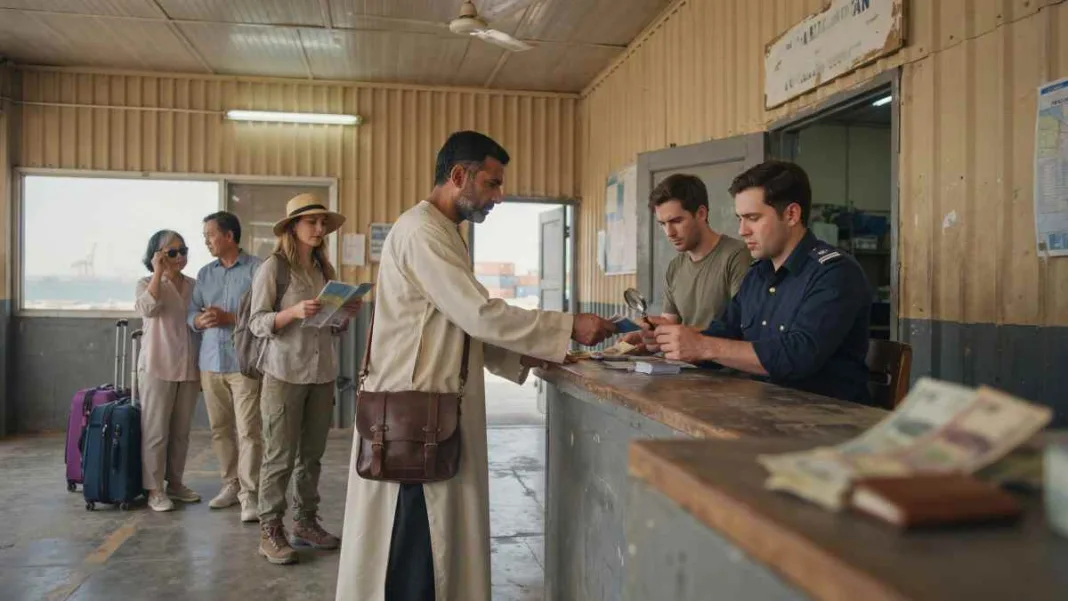


September 4, 2026 11:43 AM
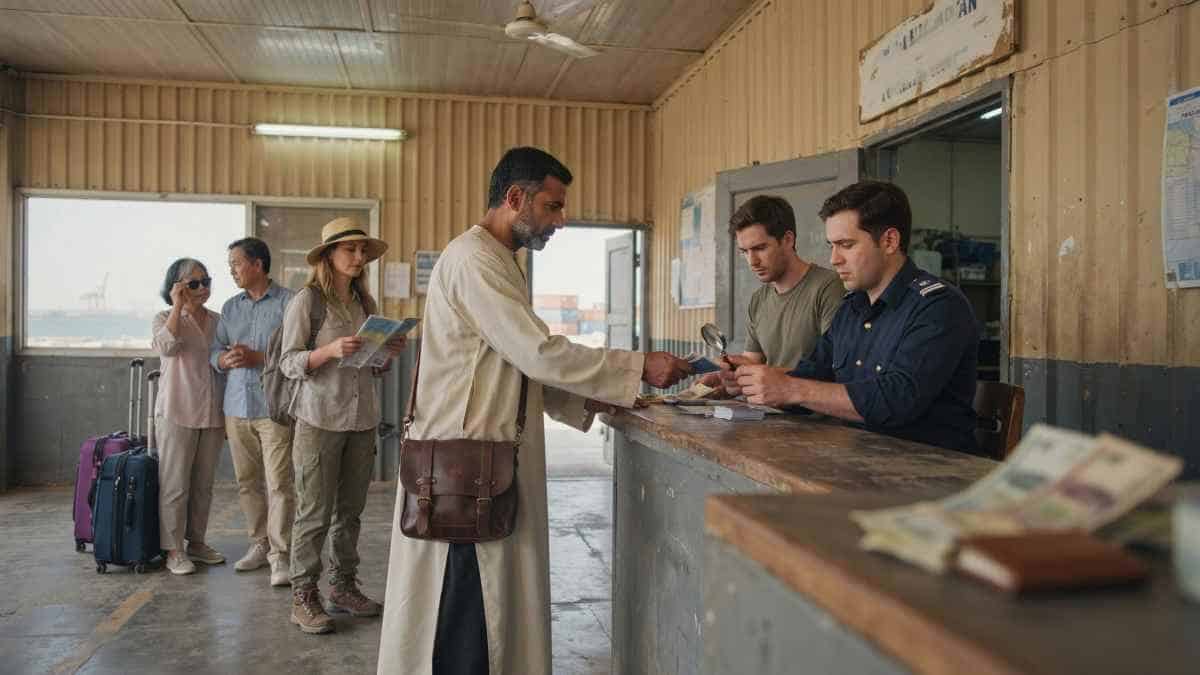
Image generated with Ai
Travel to Sudan is largely restricted due to issues in the banking industry, difficulties in accessing international payments and tight movement restrictions, with the Port Sudan being one of the major entry points into the country. Travellers visiting Sudan need to register upon their arrival, and travelling outside the designated areas may need further clearance. The current situation of travel restrictions is happening amid the ongoing conflict in the country. There are existing international travel warnings that recommend avoiding travel to Sudan due to war, crime, kidnapping, terrorist attacks, mines, and health dangers. Travel to the authorized few destinations in Sudan is quite different from typical international tourism.
Cash Remains Central to Travel in Sudan
International banking access presents a major challenge for visitors in Sudan.
Foreign credit and debit cards are generally difficult or impossible to use, while ATMs primarily serve local banking systems. The U.S. State Department describes Sudan as operating on a cash-based economy and advises that U.S.-issued credit and debit cards do not work. Canada’s travel guidance similarly states that foreign banking and credit cards are not accepted and that international flights and hotel bills must be paid in cash.
The situation creates significant planning requirements for international travellers.
Advertisement
Advertisement
The Sudanese pound is the country’s official currency, while access to foreign currency and formal exchange services can be affected by the wider financial disruption. The U.K. Foreign, Commonwealth & Development Office advises that non-Sudanese cards are difficult to use and that most banks and ATMs will not allow visitors to withdraw cash.
For travel businesses, hotels and other local operators, the limited availability of electronic payment options means that cash remains an important part of day-to-day transactions.
Port Sudan Serves as an Important Entry Point
Port Sudan, located on the Red Sea coast, has become an important gateway for international access to Sudan during the conflict.
The city remains under the control of the Sudan Armed Forces and is heavily securitised. Current country information also identifies identity checks and movement controls in Port Sudan.
International visitors entering Sudan must also comply with registration requirements. The U.K. and Canadian governments state that foreigners must register with Sudanese authorities within three days of arrival. Larger hotels may sometimes assist guests with the registration process.
Port Sudan’s position on the Red Sea gives it significance for international arrivals, but access to the city does not automatically provide unrestricted movement throughout the country.
Travel Outside Main Areas Requires Authorisation
Movement within Sudan is subject to significant restrictions.
Travel guidance states that permits are required for movement outside certain areas, while procedures and issuing authorities can vary according to the destination and circumstances. Canada’s current travel advice states that travellers must obtain a permit before travelling outside Khartoum and that permits can be difficult to obtain for destinations in western Sudan.
Information on Port Sudan also indicates that leaving the city can require permission, with movement controls enforced in the Red Sea State.
These requirements make independent tourism particularly difficult. Travellers cannot assume that a valid visa or arrival in Port Sudan provides unrestricted access to other destinations.
Road travel is also affected by the security environment. Current U.K. guidance states that road journeys involve heightened risks because of the conflict and should only be undertaken when strictly necessary.
Sudan’s Travel Environment Remains Different From Conventional Tourism
Sudan has a range of historical, cultural and natural attractions, including Red Sea destinations, ancient archaeological sites and heritage locations. However, the current operating environment makes ordinary leisure tourism highly restricted.
Port Sudan and the Red Sea coast represent the most accessible areas for certain authorised travellers, while other destinations remain difficult or impossible to reach depending on security conditions and permit requirements.
Communication can also be unreliable. The U.K. government reports regular mobile phone and internet blackouts, with telecommunications services potentially disrupted without warning.
This can affect travellers’ ability to communicate with hotels, transport providers, tour operators and other services while moving through the country.
Financial and Regulatory Barriers Shape Sudan Travel
The travel conditions of present-day Sudan arise from the intersection of poor financial services and rigid travel restrictions. International cards and normal electronic money transactions are absent, thus travelers will be forced to operate in cash only. Disruptions of banking or telecommunications may also hinder travel. However, foreign visitors should register after their arrival and some form of permission to travel outside designated areas is needed. Port Sudan serves as a key point of entry for international visitors, however, travelling beyond the Red Sea coast is conditional upon the prevailing security and administrative situation. For the tourist industry of Sudan, the result of this situation is that Sudan’s rich historical and natural resources are inaccessible to foreign tourists. Thus, the tourism conditions of the country at the moment have more to do with restricted entry rather than holiday requirements.
Advertisement
Advertisement