

September 4, 2026
7:16 AM
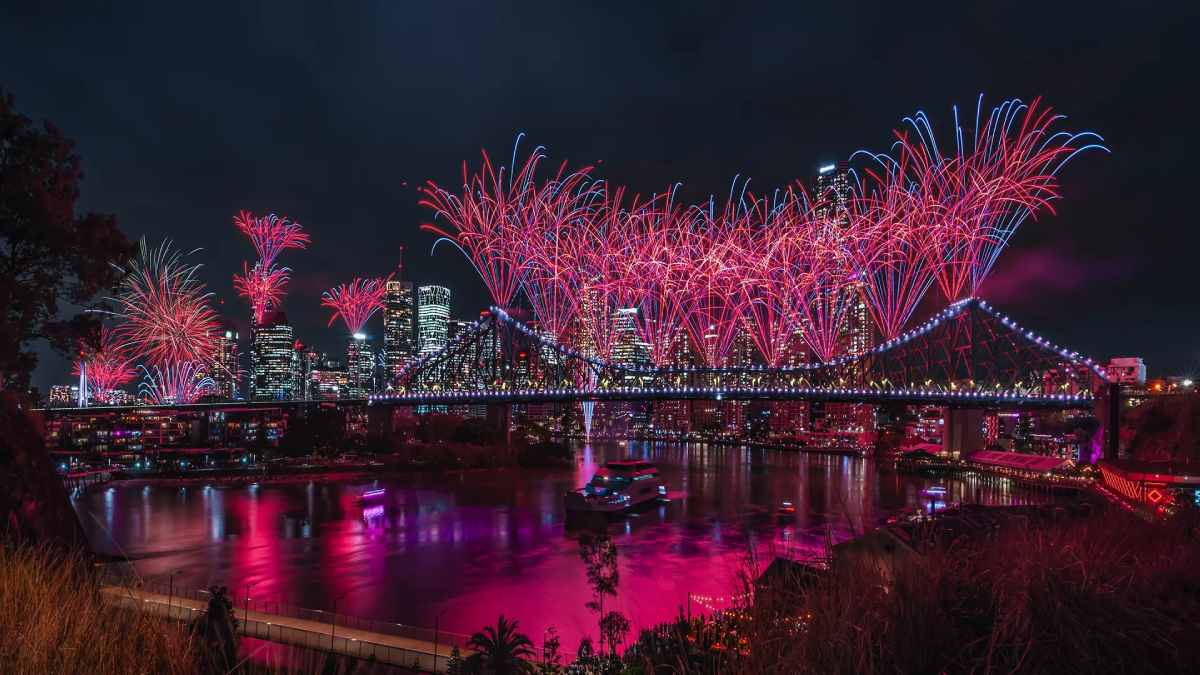
Image generated with Ai
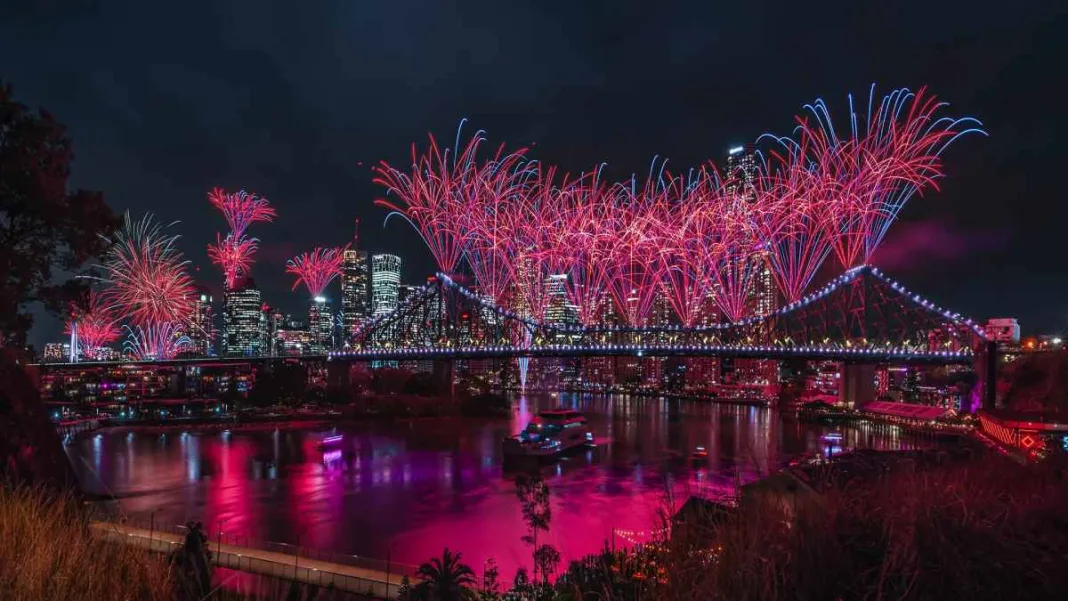
Brisbane Festival 2026 is turning South Bank into a case study in how a successful global waterfront destination is developed based on how the activation of an urban precinct can boost expenditure, increase hospitality capacity, and Olympic preparation. Focusing on the activation of the 42 hectares of the South Bank precinct, the festival features a series of free activities, high-level entertainment, food and drink options, and business engagement to develop an ongoing visitor journey. In addition to involving thousands of performers and hundreds of shows, the activation also offers key operational learning for the Olympics in 2032.
Background and Strategic Framework: The Evolution of South Bank
The contemporary landscape of urban waterfront tourism is defined by a systemic transition away from isolated, single-venue event staging toward continuous, multi-use precinct activation. Destination Marketing Organisations (DMOs) and municipal planning authorities increasingly evaluate urban travel infrastructure through the lens of spatial aggregation, structuring civic land assets to generate sustained economic yield across adjacent retail, hospitality, and accommodation sectors. Brisbane’s South Bank precinct represents an international benchmark in this evolutionary shift. Established as the permanent public legacy site of World Expo ’88, the 42-hectare riverfront corridor is managed by the South Bank Corporation under the statutory framework of the South Bank Corporation Act 1989. The precinct incorporates 17 hectares of dedicated, highly activated parklands, public plazas, cultural institutions, and commercial dining strips. Under normal operating conditions, South Bank welcomes over 14 million visitors annually.
A foundational anchor of this ecosystem is the Brisbane Convention & Exhibition Centre (BCEC), which has been operated on behalf of the Corporation by global venue manager ASM Global since 1995. The BCEC serves as a major driver of commercial delegate expenditure, welcoming 702,000 delegates across 875 events during 2023–24, and expanding to 765,000 delegates across 876 events in 2024–25. The physical and operational integration of the BCEC within the broader parklands allows Brisbane to capture both high-yielding business events travel and large-scale leisure visitation within a single walkable footprint.
| South Bank Precinct Governance & Metrics | Details |
|---|---|
| Total Precinct Footprint | 42 hectares [Cites: 4, 5] |
| Dedicated Activated Parklands | 17 hectares |
| Statutory Management Authority | South Bank Corporation — South Bank Corporation Act 1989 [Cite: 1] |
| Primary Venue Commercial Manager | ASM Global — BCEC Management |
| Baseline Annual Visitation | More than 14.0 million visitors annually [Cites: 4, 5] |
| BCEC Annual Delegate Volume | 765,000 delegates across 876 events [Cite: 6] |
The 2026 Festival Village Framework: Switch On, Light Up, Come Alive
The September 2026 iteration of the Brisbane Festival marks a significant advancement in coordinated urban precinct activation. Operating under the theme Switch On, Light Up, Come Alive, led by Artistic Director Ebony Bott, the festival consolidates the riverfront into a unified South Bank Festival Village centered on the Cultural Forecourt and Verso Projects. Over a 23-day period running from 4 to 26 September 2026, the precinct hosts almost 2,000 participating artists delivering more than 750 individual performances across open-air stages, pop-up venues, and traditional theatre spaces.
Advertisement
Advertisement
A primary structural feature of the 2026 activation model is public accessibility. More than 70 per cent of the overall festival programme is completely free to the public, functioning as an open-access entry point that aggregates massive foot traffic along the riverfront promenade. State and local policy frameworks actively reinforce this activation strategy. Backed by the Crisafulli Government’s 10-year creative economy strategy, Queensland’s Time to Shine, and supported by Minister for Education and the Arts John-Paul Langbroek alongside Minister for the Environment and Tourism Andrew Powell MP, the festival is structured to drive regional travel demand while testing urban infrastructure ahead of the 2032 Olympic and Paralympic Games. Lord Mayor Adrian Schrinner noted that transforming the city’s parks, riversides, and neighbourhood plazas into an open-air stage allows Brisbane to solidify its position as Australia’s lifestyle capital while maximizing the regional commercial yield of public arts expenditure.
| 23-Day Festival Programme at a Glance | Details |
|---|---|
| Festival Operating Window | 4 September – 26 September 2026 [Cite: 9] |
| Total Artists Participating | Approximately 2,000 artists |
| Total Scheduled Performances | More than 750 performances |
| Public Accessibility Proportion | More than 70% free-to-access programming |
| Core Precinct Hub | Verso Projects, Cultural Forecourt |
Economic & Hospitality Performance: Quantifying Precinct Yield
The economic rationale for strategic urban precinct activation centers on its capacity to generate measurable spending uplifts across the hospitality and accommodation sectors. Data from Tourism Research Australia (TRA) and hotel performance monitoring by CBRE demonstrate that event-driven precinct clustering compresses accommodation supply, elevates pricing power, and drives non-traditional spending across urban catchments.
| Brisbane Accommodation & Economic KPI Comparison (September) | Non-Event Baseline | Festival Activation Peak |
|---|---|---|
| Hotel Occupancy Rate (%) | 71.5% – 73.0% | 86.5% – 92.0% |
| Average Daily Rate (ADR) (AUD) | $215.00 | $285.00 – $320.00 |
| RevPAR Performance (AUD) | $153.70 | $246.50 – $294.40 |
| Average Dwell Time (Hours) | 1.5 – 2.5 hours | 6.0 – 9.5 hours |
| Average Daily Spend / Visitor | $117.00 | $245.00 – $310.00 |
| Nighttime Spend Share (9pm–2am) | 18.0% | 42.5% |
Hotel ADR, RevPAR, and Occupancy Dynamics
During standard non-event months, accommodation performance across the Brisbane CBD, South Bank, and West End hotel sub-markets reflects predictable corporate and domestic leisure demand, maintaining average occupancy levels between 71.5% and 73.0% with an Average Daily Rate (ADR) of approximately $215.00 AUD. However, during the September festival window—anchored by high-capacity opening spectacles such as Riverfire by Australian Retirement Trust—lodging demand increases significantly.
Occupancy rates within properties in South Bank and West End regularly reach between 88.0% and 92.0%, while inner-CBD properties experience demand spillover pushing occupancy above 86.5%. This sustained demand compression enables hoteliers to optimize pricing, driving average daily rates during the festival window to between $285.00 AUD and $320.00 AUD per night. Consequently, Revenue Per Available Room (RevPAR) increases from a baseline average of $153.70 AUD to peak festival levels ranging between $246.50 AUD and $294.40 AUD. This represents a RevPAR uplift exceeding 60 per cent, directly attributable to event-driven overnight stays.
Advertisement
Advertisement
Expenditure Spillover across Retail, Dining, and Nighttime Sectors
While hotel metrics capture overnight visitor spend, daily expenditure per festival attendee highlights the broader commercial spillover across local dining and retail traders. Baseline day-visitor spend within South East Queensland urban precincts averages approximately $117.00 AUD per person. During major festival activations, average daily spend per attendee increases to between $245.00 AUD and $310.00 AUD, distributed across hotel dining, independent food and beverage (F&B) venues, and retail tenancies along Grey Street and Little Stanley Street.
The critical driver of this financial expansion is the growth of the nighttime economy spend. Traditional urban travel models often suffer from an expenditure drop-off after 8:30 PM as daytime visitors clear the precinct. By embedding major late-night performance anchors—such as The Choir of Man in the Magic Mirrors Spiegeltent—into the South Bank parklands, non-traditional spending between 9:00 PM and 2:00 AM expands from a baseline share of 18.0% to 42.5% of total daily venue turnover.
Dwell Time Transformation: From Micro-Stays to Full-Day Destination Stays
To maximize per-visitor economic yield, event strategists focus on extending total precinct dwell time. Single-event urban visits, such as attending a standalone concert or stadium match, typically result in brief micro-stays of 1.5 to 2.5 hours, yielding minimal spend beyond the initial ticket transaction.
| Visitor Dwell Time & Spend Conversion Trajectory | Stay Duration | Spend Conversion Impact |
|---|---|---|
| Single-Event Micro-Stay | 1.5 – 2.5 hours | Low: Ticket only + one beverage |
| Multi-Activation Half-Day | 3.5 – 5.0 hours | Moderate: Meals + retail spending |
| Full-Day Destination Precinct | 6.0 – 9.5 hours | High: Full F&B engagement + overnight stay impact |
By layering 18 hours of continuous, multi-tiered programming across South Bank, event organisers successfully convert single-event micro-stays into full-day destination stays lasting between 6.0 and 9.5 hours. A visitor arriving at 7:00 AM for a morning wellness session is retained through daytime public art installations, afternoon dining along River Quay, early evening light spectacles, and late-night theatrical performances. This extended presence creates multiple transaction points across the precinct, driving higher overall spend per visitor.
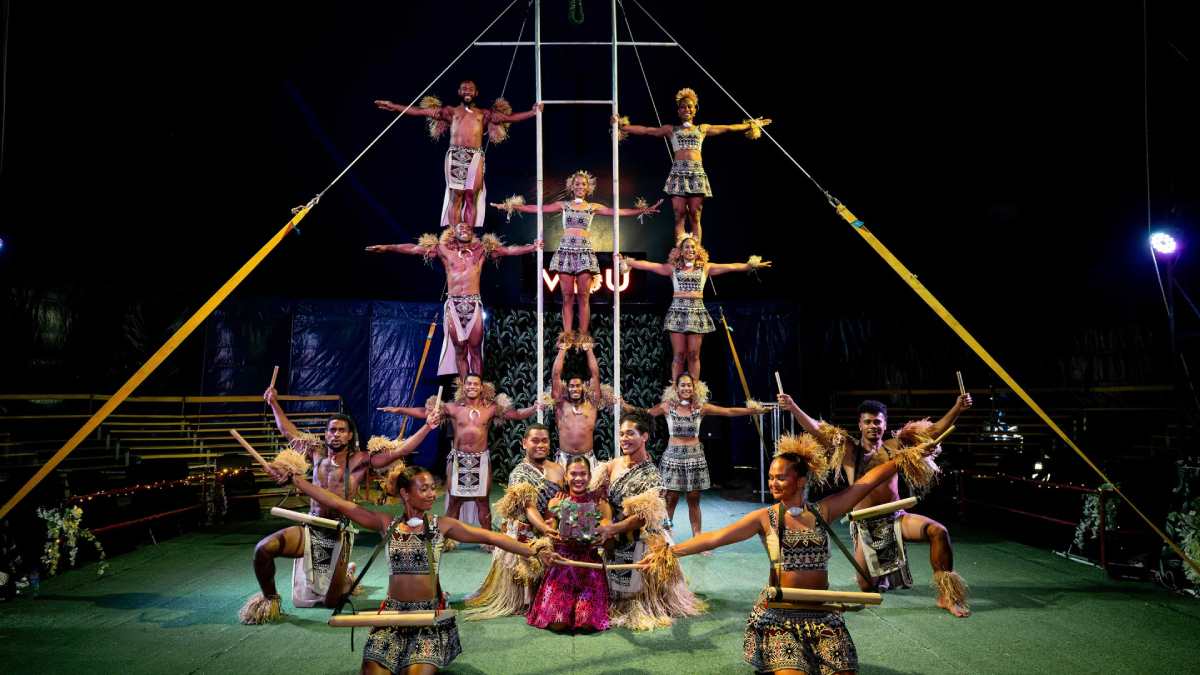
Image generated with Ai
Precinct Mechanics and Infrastructure: Integrated Urban Planning
Delivering a high-density, multi-week activation requires continuous coordination across commercial sponsorship, transit logistics, and public safety management. South Bank serves as an operational laboratory where civic land assets are dynamically managed to process high spectator volumes safely while maintaining commercial viability.
Public-Private Infrastructure Partnerships and Anchor Installations
A central operational foundation of the South Bank activation model is its commercial delivery framework. Major public installations are co-funded through strategic public-private infrastructure partnerships, distributing capital requirements between municipal authorities, state tourism boards, and corporate sponsors.
| Anchor Infrastructure & Partnership Matrix | Primary Partner | Delivery Format |
|---|---|---|
| Riverfire Fireworks Spectacle | Australian Retirement Trust | Free Opening Night Civic Mass Event [Cite: 14] |
| Bright Nights Water & Light Show | ANZ Bank | Free Nightly Multimodal Sound/Laser Show [Cite: 9] |
| Verso Projects Festival Village | Verso Projects | Central Hub Parkland Takeover |
| Magic Mirrors Spiegeltent | Private Producers / Commercial Sponsors | Ticketed High-Yield Cabaret Venue |
The opening weekend feature, Riverfire by Australian Retirement Trust, relies on corporate partnership to present a mass-attendance fireworks display that draws hundreds of thousands of spectators to the riverbanks. Similarly, Bright Nights by ANZ functions as a nightly, free-to-access sound, light, and water show along the Brisbane River promenade. Utilizing floating water fountains, high-pressure water jets, laser projections, and a custom rock-pop soundtrack featuring local Brisbane musicians, the installation transforms the river corridor into a visual stage. Corporate co-funding of these public installations enables festival directors to allocate public grants toward commissioning original Australian performing arts works.
Transit Integration and Active Pedestrian Networks
South Bank’s physical layout benefits from strong multimodal transport integration, allowing large spectator crowds to enter and clear the precinct efficiently.
| Multimodal Precinct Access Network | Details |
|---|---|
| Active Transport Pedestrian Link | Neville Bonner Bridge (Queen’s Wharf Link) |
| Rail Mass Transit Hubs | South Bank & South Brisbane Stations |
| Bus & Metro Transit Stations | Cultural Centre, South Bank, Mater Hill |
| Maritime River Services | South Bank CityCat & Ferry Terminals |
| Active Transport Corridors | Grey Street & Little Stanley Street Bikeways |
Direct pedestrian connectivity between the Brisbane CBD, Queen’s Wharf, and South Bank is facilitated by the Neville Bonner Bridge, which links Queen’s Wharf directly to the Cultural Forecourt. This dedicated pedestrian structure complements the nearby Victoria Bridge and Goodwill Bridge, establishing a continuous active transport loop around the river bend.
Pedestrian movement across the broader inner city follows a highly structured transit access network:
- Primary CBD Gateway: Pedestrians cross the river via the Neville Bonner Bridge, Victoria Bridge, or Goodwill Bridge, arriving directly at the Cultural Forecourt or River Quay dining strip.
- Central Festival Village Hub: High-density crowds concentrate around the Verso Projects hub at the Cultural Forecourt, accessing free installations, outdoor dining, and pop-up stages.
- Retail and Hospitality Distribution: Foot traffic moves along Grey Street and Little Stanley Street, supporting brick-and-mortar restaurants, cafes, and retail tenancies.
- Mass Egress Corridors: Spectators disperse via heavy rail at South Bank and South Brisbane stations, high-frequency busways at Cultural Centre and Mater Hill stations, or maritime transport via the South Bank CityCat ferry terminal.
Public transit infrastructure allows the precinct to absorb peak evening crowd arrivals without generating vehicular gridlock on adjacent arterial roads. Furthermore, South Bank Corporation’s ongoing streetscape upgrades along Grey Street have introduced bi-directional bikeways and widened footpaths, encouraging micro-mobility options like e-scooters and e-bikes.
Public Safety, Crowd Control, and Spatial Operations
Managing high crowd densities during major precinct activations requires active spatial control and safety enforcement protocols. During major events like Riverfire, South Bank Corporation coordinates with the Queensland Police Service (QPS), Surf Life Saving Queensland (SLSQ), and private security teams to establish secure access zones.
| Peak Event Safety & Spatial Control Protocols | Details |
|---|---|
| Access Control Infrastructure | Enclosed perimeter, bag checks, metal detectors |
| Restricted Items | Unsealed water containers, weapons, alcohol |
| Vulnerable Person Safety | Mandatory wristbanding and Visitor Centre hub support |
| Aquatic Safety Adjustments | Streets Beach and pools closed at 3:30 PM |
| Car Park Operations | Pre-booked entry only; exit-only operations after 6:00 PM |
Security checkpoints conduct bag inspections and handheld metal detector scans at key entry points along the parkland boundary. To ensure child safety, wristbanding stations across Stanley Street Plaza distribute free identification bands, with the Visitor Information Centre acting as a central lost-person hub. Aquatic facilities including Streets Beach, the Boat Pool, and Aquativity are closed at 3:30 PM on peak event days to clear open space for spectator assembly along the promenade. Vehicle access to the underground carpark is restricted to pre-booked ticket holders, switching to exit-only mode after 6:00 PM to facilitate orderly egress.
The 18-Hour Programming Architecture: Sunrise to Midnight
To sustain high foot traffic and hospitality yield across 23 consecutive days, festival organisers execute an 18-hour daily programming strategy. This schedule replaces traditional evening-only event models with continuous activities designed to engage distinct visitor demographics throughout the day.
| 18-Hour Precinct Activation Schedule Matrix | Activation Programme | Target Demographics & Impact |
|---|---|---|
| 06:00 – 09:00 | Sunrise Ceremony: Bikki Wantimaa; DAYBREAKER party | Early morning wellness and First Nations engagement |
| 09:00 – 12:00 | Living Sculptures; ABC Dance with Tom; Public Art | Families, primary schools and regional day-trippers [Cites: 8, 9] |
| 12:00 – 15:00 | Lord Mayor’s City Hall Concerts; Fijian Flying Circus | CBD office workers and dining venue patrons |
| 15:00 – 18:00 | Roving Street Arts; Knock ’Em Downs Carnival Sideshow | Afternoon leisure visitors and pre-dinner beverage traffic [Cites: 8, 14] |
| 18:00 – 21:00 | Bright Nights by ANZ; Mainstage QPAC Theatricals | Mass evening crowds and primary dining spend capture [Cites: 8, 9] |
| 21:00 – 00:00 | The Choir of Man (Spiegeltent); Late-night River Quay dining | High-yield nighttime economy and extended bar spend [Cites: 7, 9, 17] |
Morning Wellness and Cultural Engagement
The daily schedule begins at 6:00 AM, matching Brisbane’s early-rising subtropical lifestyle. Morning programming opens with the weekly Sunrise Ceremony: Bikki Wantimaa, presenting First Nations cultural performances along the river bank.
This is supplemented by health and wellness events, such as DAYBREAKER—an alcohol-free morning dance and fitness gathering held on Saturday 12 September. These early activations transform the parklands into an active wellness destination, drawing local residents and hotel guests into the precinct hours before conventional retail tenancies open.
Daytime Arts, Family Attractions, and Regional Activations
From mid-morning through the late afternoon, programming shifts toward families, primary school groups, and interstate day-trippers. The Cultural Forecourt hosts open-air physical theatre and acrobatics, including Living Sculptures: How the Birds Got Their Colours, which incorporates First Nations storytelling. Children’s shows, such as ABC’s Dance With Tom, encourage family participation.
At the South Bank Piazza, touring productions take center stage under the big top, highlighted by the Australian premiere of the Fijian Flying Circus presented by the Fijian performance group VOU. Combining traditional Pasifika dance with aerial acrobatics and comedy, the show drives strong daytime ticket sales. Concurrently, regional outreach programs like Brisbane Serenades and the Moorooka Block Party extend performances into suburban neighbourhoods, while downtown workers attend dedicated festival performances during the Lord Mayor’s City Hall Concerts.
Evening Spectacles and Late-Night Theatrical Anchors
As dusk approaches, South Bank transitions into an evening entertainment hub. The free Bright Nights by ANZ water and light show presents scheduled performances at 6:00 PM, 7:30 PM, and 8:30 PM, anchoring evening foot traffic along the riverfront promenade between dinner seatings.
| Key Cultural Performances & Venue Distribution | Hosting Venue | Artistic Genre |
|---|---|---|
| The Choir of Man | Magic Mirrors Spiegeltent | West End Musical / Raucous Cabaret |
| Fijian Flying Circus | South Bank Piazza | Pasifika Acrobatics & Circus |
| Strong is the New Pretty (by Suzie Miller) | Playhouse, QPAC | World Premiere Drama [Cites: 8, 9] |
| Mama Does Derby | Brisbane Powerhouse | Contemporary Theatre Comedy [Cites: 9, 20] |
| The Knock ’Em Downs | South Bank Parklands | Interactive Sideshow Carnival [Cites: 8, 14] |
The primary late-night anchor is the Magic Mirrors Spiegeltent, positioned prominently within the Cultural Forecourt. For the 2026 season, the venue presents West End musical smash The Choir of Man, delivering high-energy music, choreography, and cabaret storytelling. Running late into the evening, the production retains ticket holders within the precinct past 10:00 PM, generating late-night trading for nearby bars, dessert lounges, and casual dining venues along Little Stanley Street.
Oceania Regional Context: Concurrent Travel and Cultural Festivals (September 2026)
Evaluating Brisbane’s competitive positioning requires analyzing its riverfront activation model alongside major cultural and travel events held across the Oceania region in September 2026.
| Oceania Regional Festival Comparative Matrix (September 2026) | Event Name | Strategic Focus | Primary Tourism Driver | Spatial Model |
|---|---|---|---|---|
| Brisbane, Australia | Brisbane Festival | Integrated Urban Waterfront Hub | High-yield day-to-night dwell time & accommodation demand | Unified Waterfront Precinct Hub |
| Sydney, Australia | Sydney Fringe Festival | Decentralised City Activation | Nightlife recovery & independent venue support | Fragmented Urban Inner-City Pop-ups |
| Nouméa, New Caledonia | Nouméa Carnival | Island Cultural Tourism | Cruise ship passenger spend & regional island hopping | Central Boulevard Street Parade |
| Auckland, New Zealand | Auckland Live Spring Season | Urban Arts Precinct Activation | Domestic Kiwi weekend breaks & performing arts culture | Centralised Arts Complex Hub |
| Sydney, Australia | Sydney Contemporary | MICE & Fine Art Travel | High-net-worth collectors & international gallery travel | Single-Venue MICE Industrial Space |
| Canberra, Australia | Floriade | Nature & Eco-Tourism | Regional drive-market day trips & horticultural tourism | Open Parkland Civic Garden Hub |
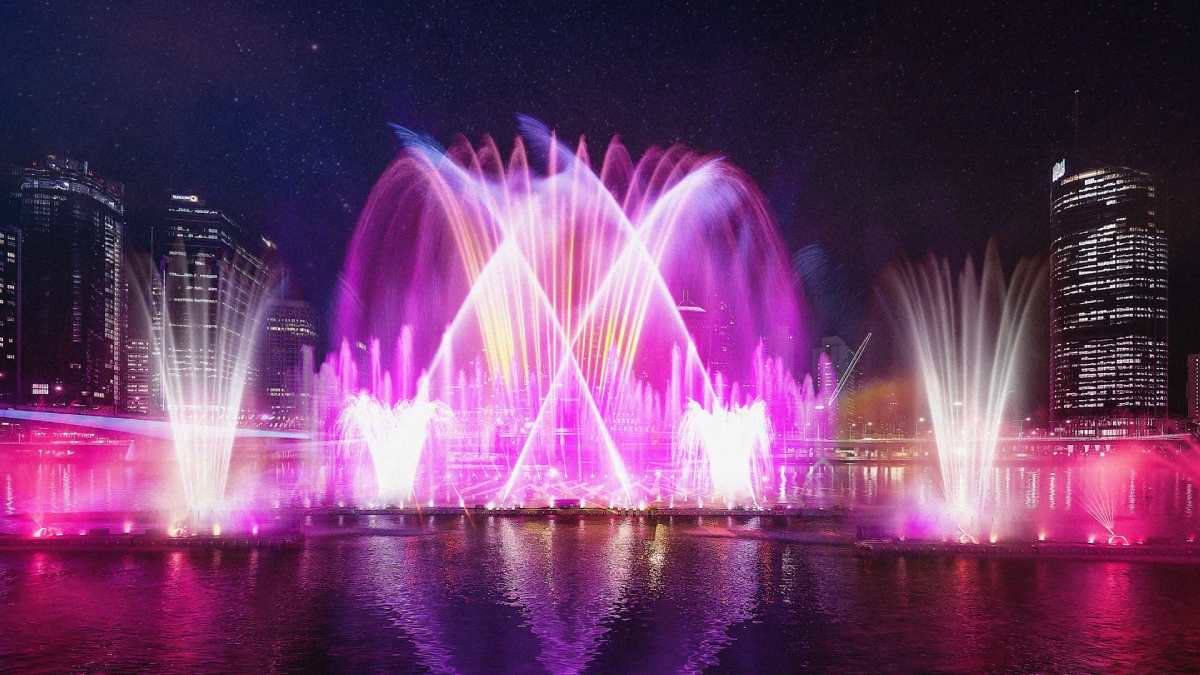
Image generated with Ai
Comparative Analysis of South Pacific Destination Models
Destination marketing agencies across Oceania utilize distinct spatial models tailored to local geography and tourism demand:
- Sydney Fringe Festival (Sydney, Australia): Supported by Destination NSW and Create NSW, the Sydney Fringe Festival operates a decentralised activation model across inner-city hubs, pop-up venues, and performance spaces. While effective at distributing foot traffic across suburban nightspots, this spatial dispersion makes it more challenging to capture concentrated overnight hotel stays or execute unified precinct management.
- Nouméa Carnival (Nouméa, New Caledonia): Centered on street parades along central coastal boulevards, the Nouméa Carnival leverages South Pacific island culture to drive cruise ship visitation and regional tourism. The event delivers focused retail and F&B surges, though its economic impact is condensed into a brief operational window.
- Auckland Live Spring Season (Auckland, New Zealand): Managed by Tātaki Auckland Unlimited—Auckland Council’s cultural and economic development agency—Auckland Live presents a performing arts season across central venues, including the Aotea Centre, Civic Theatre, and Bruce Mason Centre. The season successfully attracts domestic weekend travelers across New Zealand, operating primarily within traditional indoor arts venues rather than an integrated outdoor parkland precinct.
- Sydney Contemporary (Sydney, Australia): Held at Carriageworks, Sydney Contemporary is Australasia’s premier art fair, targeting high-net-worth collectors, gallerists, and fine art enthusiasts. While generating hotel spend among art patrons, its geographic footprint remains contained within a single converted industrial heritage site.
- Floriade (Canberra, Australia): Located in Commonwealth Park, Floriade transforms national capital parklands into a major eco-tourism attraction. The floral festival draws strong regional drive-market visitation, though its commercial spillover into late-night entertainment and evening dining remains lower than multi-venue arts festivals.
Analytical Synthesis: Unified Waterfront vs. Decentralised Models
Comparing these regional models underscores the structural advantages of Brisbane’s South Bank Festival Village. While Sydney spreads festival venues across suburbs and Auckland emphasizes indoor cultural facilities, Brisbane concentrates its festival programming within a continuous 42-hectare riverfront precinct. This geographic concentration enables visitors to transition between free public open spaces, ticketed theatrical venues, and waterfront restaurants without relying on vehicular transit. By integrating open-air public infrastructure with high-density commercial entertainment, South Bank achieves higher per-capita visitor yields and longer dwell times than geographically fragmented festival structures.
The 2032 Olympic Prototype and Future Outlook
Beyond its immediate economic contribution, the September activation of South Bank serves as an operational prototype for the upcoming 2032 Brisbane Olympic and Paralympic Games.
| 2032 Olympic Live Site Prototype Testing Matrix | Live Site Operational Testing Focus |
|---|---|
| High-Density Pedestrian Movement | Testing Neville Bonner Bridge and Victoria Bridge real-time pedestrian throughput capacities |
| Multi-Agency Security Command | Integrated QPS, SLSQ and private security joint operational protocols |
| Urban Heat Island Mitigation | Subtropical shade canopy, misting stations and green parkland microclimate design |
| Multimodal Transit Surge Capacity | Rapid clearing protocols via South Bank and Cultural Centre transit hubs |
| First Nations Spatial Inclusion | Cultural integration through Sunrise Ceremonies and permanent public realm art |
Future South Bank Master Plan and Spatial Readiness
Under the Future South Bank Master Plan released by South Bank Corporation, the precinct is undergoing long-term physical enhancements. These infrastructure projects are designed to support major international spectator crowds during the 2032 Games, when South Bank will serve as Brisbane’s primary public Live Site.
Key master plan priorities include:
- Pedestrian Throughput Expansion: Widening active transport pathways along Grey Street and Little Stanley Street to manage high pedestrian volumes during major event broadcasts.
- Southern Gateway Renewal: Upgrading the Maritime Museum end of the parklands to relieve pedestrian bottlenecks near the Goodwill Bridge access point.
- Subtropical Climate Adaptation: Expanding shade structures, active misting systems, and permeable green space across 17 hectares of parklands to mitigate urban heat during warm weather events.
- First Nations Cultural Integration: Incorporating permanent Indigenous design elements and public artwork across central plazas.
Testing these operational systems during the annual Brisbane Festival generates real-world data on pedestrian circulation, transit clearance times, and multi-agency safety protocols under peak load conditions.
Strategic Insights for Global Destination Marketing Organisations
The successful execution of Brisbane’s riverfront precinct activation model provides actionable lessons for DMOs, city councils, and urban planning authorities globally:
- Establish Unified Precinct Governance: Managing public parklands, cultural facilities, and commercial retail under a single statutory authority streamlines operational approvals, event staging, and precinct marketing.
- Combine Free Programming with Ticketed Anchors: Offering free public attractions (such as light and water displays) alongside ticketed performances (such as the Spiegeltent) maximizes total foot traffic while capturing direct box office revenue.
- Implement Continuous 18-Hour Schedules: Structuring activations from early morning wellness to late-night theatre prevents premature crowd departure, extends visitor dwell times, and maximizes round-the-clock F&B turnover.
- Leverage Public-Private Co-Sponsorship: Securing corporate sponsorship for mass public spectacles helps offset municipal event costs, allowing public arts funding to focus on creative development and local artist grants.
- Prioritise Active Transport Links: Dedicated pedestrian bridges and direct mass transit connections are essential for moving large spectator crowds safely without creating inner-city traffic congestion.
By applying these urban planning principles, cities can transform riverfront precincts into vibrant cultural hubs that drive sustained economic returns and enhance urban liveability.
Conclusion
The development of South Bank into an integrated Festival Village is a great example of how strategic activation of the urban precinct can have a transformational impact. By creating schedules of daily events, integrating the use of public-private finance, and developing transport connections, Brisbane has created a standard model of waterfront tourism that keeps tourists longer, boosts key yields at hotels, and increases hospitality expenditure during the night time in the inner city. In the light of preparations for the 2032 Olympic Games, South Bank offers an example to be followed by international destination managers. The integrated management of precincts is the best way to translate public art investments into economic benefits.
Advertisement
Advertisement