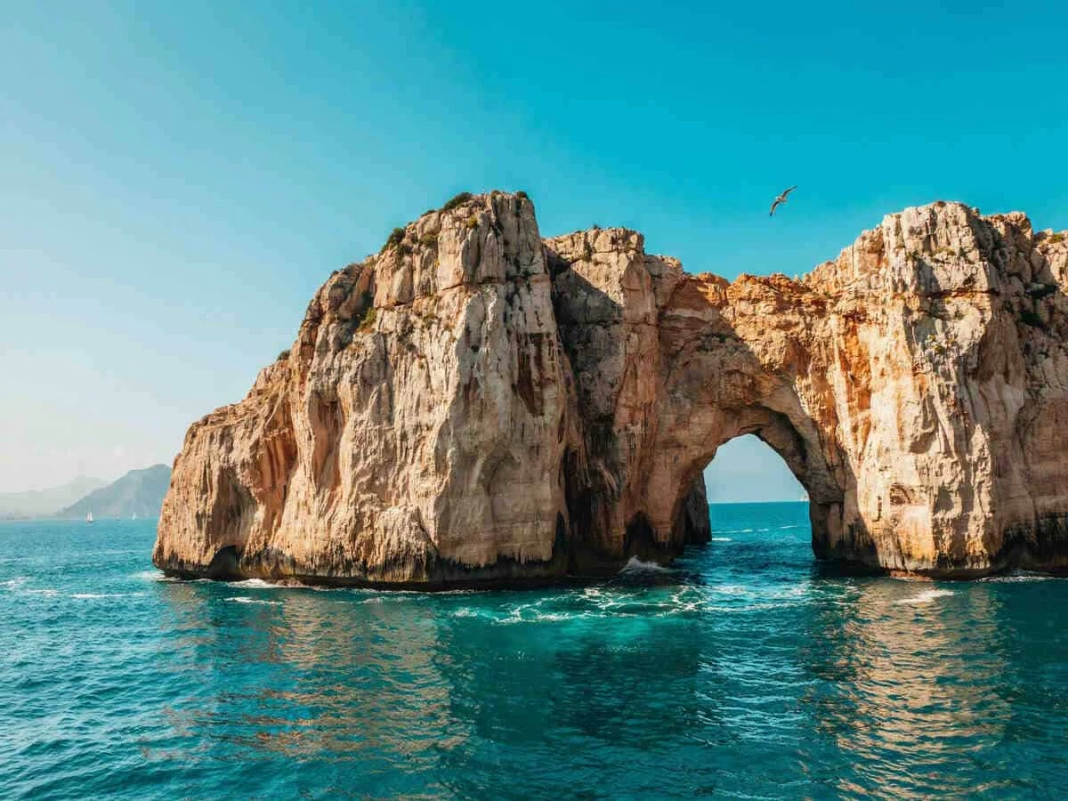


Mexico offers 180‑day stays, fast e‑gates and sunny coasts all waiting for snowbirds. Winter travel patterns among residents are undergoing a clear big change. As cold temperatures settle across Canada more, than 450,000 Canadians migrate south every January alone—making up almost a quarter of all international tourist arrivals entering Mexico. Yet the old holiday style is changing. Than defaulting to usual two‑week beachfront packages Canadian snowbirds increasingly prioritize longer stays of several weeks own cooking and independence clear local costs and easy travel routes.
At the heart of this seasonal evolution sits a coordinated alignment among Mexico’s primary winter gateways. Los Cabos has formally stepped into alignment alongside Puerto Vallarta, Bucerías, Playa del Carmen, and Cancún to present a compelling, diverse portfolio of coastal retreats. Anchored by the operational utility of Mexico’s 180-day digital visitor allowance (Forma Migratoria Múltiple Digital), seamless automated airport e-gates at major terminals, and curated regional infrastructure, these destinations are actively redefining long-stay holiday value.
Advertisement
Advertisement
Whether evaluating a focused 14-night escape or settling into an expansive 28-night mid-winter rhythm for January 2027, unlocking optimal value requires understanding how fixed transit expenses, localized cost drivers, regional visitor contributions, and daily micro-habits intersect across Mexico’s distinct coastlines.
The Regulatory and Structural Framework: Smooth Entry and Extended Stays
The mechanics of escaping the Canadian winter have been substantially streamlined by immigration modernization and digital processing across Mexico’s key international airports. For Canadian travelers planning stays that span several weeks to multiple months, three operational pillars dictate travel success:
- The 180-Day Digital Stay Allowance: Eligible Canadian citizens entering Mexico for tourism receive an authorized visitor stamp granting up to 180 days per entry without requiring a pre-arranged consular visa. This discretionary window comfortably accommodates extended winter hibernations. However, seasoned snowbirds recognize the operational necessity of checking the exact date inscribed by immigration officers at the checkpoint or downloaded via digital stamp receipts, ensuring the authorized stay aligns precisely with outbound flight bookings.
- Streamlined Airport E-Gates and Automated Border Screening: Across Mexico’s major hubs—most notably Los Cabos International (SJD), Cancún International (CUN), and Licenciado Gustavo Díaz Ordaz International in Puerto Vallarta (PVR)—automated biometric e-gates expedite arrival clearance for Canadian passport holders. This rapid processing eliminates terminal congestion, bypasses manual paperwork queues, and delivers travelers into ground transit corridors faster than ever before.
- Domestic Healthcare Alignment (Provincial Presence Rules): A critical planning factor behind multi-week winter migrations involves protecting domestic Canadian healthcare. Provincial health insurance regimes—including Ontario (OHIP), British Columbia (MSP), and Alberta (AHCIP)—mandate physical presence within the home province for at least 153 to 183 days within a 12-month calendar or rolling cycle. Because private Canadian supplemental travel medical insurance requires an active underlying provincial policy, the 180-day maximum Mexico allowance must be balanced deliberately against provincial residency requirements.
The Snowbird Dividend: Why Doubling Your Stay Doesn’t Double the Cost
To understand how purchasing power behaves during extended stays, an editorial financial model was constructed using an exchange baseline of US$1.00 = C$1.40 and MXN 1.00 = C$0.075. The model tracks a Canadian couple sharing a private studio or one-bedroom rental equipped with a functioning kitchen, comparing a 14-night getaway (10–24 January 2027) against a comprehensive 28-night stay (3–31 January 2027).
A standard return airfare control of C$1,720 per couple (C$800 return base fare per adult plus a C$120 shared baggage and seat selection reserve) is held constant across all destinations to clearly isolate on-the-ground lifestyle expenses.
Advertisement
Advertisement
The most striking economic finding of this research is the decay of fixed transit overhead. Because international airfare and return airport transfers remain flat whether a couple stays for two weeks or four, extending from a 14-night trip to a 28-night stay does not double total trip expenditure. Instead, the incremental fortnight consists almost exclusively of accommodation, daily meals, modest transit adjustments, and local activity allowances:
- In Playa del Carmen, adding 14 additional nights increases ground spending by approximately C$3,400 (roughly C$243 per couple per day before contingency reserves).
- In Puerto Vallarta, doubling the duration adds C$3,540 in ground spending (approx. C$253 per day).
- In Bucerías, the extra fortnight represents an additional C$3,310 (approx. C$236 per day).
- In Cancún, the extension requires C$3,980 more in ground expenditures (approx. C$284 per day).
- In Los Cabos, the premium profile adds C$5,070 in ground outlays (approx. C$362 per day).
When evaluating all-inclusive resort packages against an independent kitchen-equipped rental, independent accommodation combined with modest dining targets roughly C$225 to C$271 per couple per night along the central coasts, and C$343 in Los Cabos. Any all-inclusive resort quote approaching these aggregate daily numbers warrants serious consideration—provided the traveler values resort containment over local neighborhood exploration.
Advertisement
Advertisement
Detailed Financial Comparison: 14-Night vs. 28-Night Stays
The following comprehensive breakdown establishes realistic, field-tested planning inputs across all five destination hubs. Figures reflect Canadian dollars (C$) and include a dedicated 10% ground contingency reserve to protect against seasonal currency shifts and spontaneous outlays.
| Budget Component | Cancún (14 / 28 N) | Puerto Vallarta (14 / 28 N) | Los Cabos (14 / 28 N) | Playa del Carmen (14 / 28 N) | Bucerías (14 / 28 N) |
| Nightly Target Rate | C$180 | C$160 | C$230 | C$150 | C$150 |
| Total Accommodation | C$2,520 / C$5,040 | C$2,240 / C$4,480 | C$3,220 / C$6,440 | C$2,100 / C$4,200 | C$2,100 / C$4,200 |
| Daily Couple Food Allowance | C$85 | C$75 | C$105 | C$75 | C$70 |
| Total Food (15 / 29 Days) | C$1,275 / C$2,465 | C$1,125 / C$2,175 | C$1,575 / C$3,045 | C$1,125 / C$2,175 | C$1,050 / C$2,030 |
| Airport Return Transfers | C$140 / C$140 | C$120 / C$120 | C$180 / C$180 | C$160 / C$160 | C$150 / C$150 |
| Local Ground Transport | C$140 / C$260 | C$120 / C$220 | C$220 / C$400 | C$100 / C$200 | C$100 / C$180 |
| Recreation & Cultural Fund | C$250 / C$400 | C$400 / C$550 | C$450 / C$650 | C$350 / C$500 | C$250 / C$400 |
| Mandatory Visitor Tax Reserve | C$43 / C$43 | C$0 / C$0 | C$73 / C$73 | C$43 / C$43 | C$0 / C$0 |
| Ground Subtotal | C$4,368 / C$8,348 | C$4,005 / C$7,545 | C$5,718 / C$10,788 | C$3,878 / C$7,278 | C$3,650 / C$6,960 |
| Airfare & Baggage Control (Pair) | C$1,720 / C$1,720 | C$1,720 / C$1,720 | C$1,720 / C$1,720 | C$1,720 / C$1,720 | C$1,720 / C$1,720 |
| 10% Contingency Reserve | C$437 / C$835 | C$401 / C$755 | C$572 / C$1,079 | C$388 / C$728 | C$365 / C$696 |
| Illustrative Trip Total | C$6,525 / C$10,903 | C$6,126 / C$10,020 | C$8,010 / C$13,587 | C$5,986 / C$9,726 | C$5,735 / C$9,376 |
How Each Destination Attracts Canadian Snowbirds
To illustrate how these distinct coastal regions leverage specific geographic assets, community infrastructure, and regulatory features, the table below highlights how each base secures seasonal appeal.
| Coastal Destination | Primary Snowbird Attraction Factor | Infrastructure & Convenience Advantages | Key Financial Watch-Out |
| Los Cabos | Dramatic desert-meets-ocean geography, humpback whale migration routes, sunny days, and premier sportfishing. | Direct Canadian air links into SJD, automated border screening, world-class golf courses, and upscale medical clinics. | High dining baselines, corridor taxi expenses, non-swimmable ocean surf, and local visitor levies. |
| Puerto Vallarta | Mature urban walkability, authentic neighborhood living, vibrant cultural arts, and direct mountain-to-bay geography. | PVR terminal proximity, an accessible oceanside Malecón, abundant expat services, and comprehensive bus routes. | Hillside gradients, high apartment demand for January, and noise from vibrant nightlife zones. |
| Bucerías | Slower, small-town village cadence, traditional cobblestone streets, expansive flat beaches, and thriving artisan communities. | Easy 30-minute access from PVR, close-knit resident expat networks, walkable local markets, and oceanfront dining. | High peak-season rental demand, highway crossing navigation, and metered electricity surcharges. |
| Playa del Carmen | Compact pedestrian-friendly grid, direct Caribbean waters, self-catering condo inventory, and ferry proximity to Cozumel. | Pedestrianized Quinta Avenida, premier intercity ADO coach transit, and abundant international grocery stores. | Nightclub noise in central sectors, private beach club spending traps, and state visitor taxes. |
| Cancún | Turnkey package certainty, turquoise swimming waters, direct international air connectivity, and full-service resort corridors. | Short transfer times from CUN airport, automated arrival gates, and comprehensive bilingual tourism services. | High separation between Downtown and Hotel Zone beaches, vehicle dependence, and commercial resort premiums. |
Destination Breakdown: Aligning Five Premier Coastal Bases
Los Cabos: Majestic Desert Landscapes, Marine Sanctuaries, and Curated Winter Luxury
Los Cabos—encompassing Cabo San Lucas, San José del Cabo, and the scenic 32-kilometer Resort Corridor—delivers a visually striking winter environment where rugged Baja desert cliffs meet the deep blue waters of the Pacific Ocean and the Sea of Cortez. For Canadian snowbirds willing to deploy a larger travel budget, it offers an exceptionally dry, warm winter climate (averaging 26°C daytime highs with crisp 12°C evenings and a negligible 13 mm of historical January rain) that virtually eliminates damp, overcast days.
Los Cabos Travel Gateway and Key Tourist Destinations
| Travel Hub / Destination | Location Highlights | Tourism Experience | Travel Connection |
|---|---|---|---|
| Los Cabos International Airport (SJD) | Main international gateway to Los Cabos, Mexico | Arrival point for international tourists visiting the region | Provides access to San José del Cabo, Cabo San Lucas and the Resort Corridor |
| San José del Cabo | Historic Art District, peaceful courtyards and traditional streets | Cultural exploration, art galleries, heritage walks and relaxed sightseeing | Connected to SJD Airport and the Resort Corridor |
| Cabo San Lucas | Marina, Médano Beach and active marine hubs | Beach holidays, water sports, boat excursions and coastal entertainment | Accessible from SJD Airport via the Resort Corridor |
| The Resort Corridor | Sweeping ocean views, desert bluffs and coastal resorts | Luxury accommodation, scenic coastal drives and seaside relaxation | Connects San José del Cabo with Cabo San Lucas |
Tailored Appeal for the Canadian Snowbird
- World-Class Wildlife Encounters: January marks peak humpback whale migration season. Travelers can witness breeding pods directly from shore bluffs or book authorized photo safaris (budgeting roughly C$140–$160 per adult).
- Dual-Town Lifestyle Contrasts: San José del Cabo offers a relaxed, pedestrian-oriented historic center anchored by a Thursday evening Art Walk, traditional plazas, and organic farm-to-table dining. In contrast, Cabo San Lucas provides active marina promenades, deep-sea fishing charters, and lively social dining.
- Modern Air Clearance: Arriving through Los Cabos International (SJD) connects travelers with expanded terminal infrastructure and rapid digital processing gates.
Strategic Budgeting and Operational Cautions
- Beach Swim Safety: The dramatic bathymetry of Land’s End produces treacherous shore breaks and violent undertows along Pacific beaches. Canadian travelers must verify daily lifeguard flags; swimmable waters are strictly confined to protected coves such as Playa Médano, Chileno Bay, and Santa María Bay. Units with heated pools represent a critical winter luxury.
- Transport Distance Overhead: Spread-out corridor resorts make public transit impractical for grocery provisioning. While regional Ruta del Desierto buses run Highway 1, relying on private taxis between Cabo and San José quickly escalates costs.
- Required Visitor Tax Contribution: Visitors must reserve funds for Baja California Sur’s state fund (known as the Embrace It contribution), budgeted at MXN 488 per traveler (approx. C$36.50).
Curated Dining and Cultural Portfolio
- Tacos Gardenias (Cabo San Lucas): Celebrated, no-frills seafood taco institution serving fresh battered fish and shrimp (MXN 220–350 / C$17–$26 per person).
- La Lupita Taco & Mezcal (San José del Cabo): Elevated street-food dining nestled in the historic Art District, ideal for a refined evening meal (MXN 400–700 / C$30–$53 per person).
- Flora’s Field Kitchen (Ánimas Bajas): Acclaimed organic farm destination offering immersive culinary outings; reservations are essential (MXN 700–1,200 / C$53–$90 per person).
- El Arco and Land’s End Marine Safari: The quintessential coastal excursion, chartering small pangas or catamarans to view the iconic granite arch and sea lion colonies (allow C$45–$80 per person).
- Chileno Bay Protected Marine Reserve: A premier public swimming and snorkeling cove featuring calm, reef-protected waters and maintained public facilities (free entry).
Puerto Vallarta: The Benchmark for Walkable Urbanism and Independent Living
Backed by the Sierra Madre mountains and looking out across Banderas Bay, Puerto Vallarta remains the gold standard for independent Canadian travelers seeking an authentic, walkable city rather than an isolated resort bubble. Its established residential colonias—Centro, 5 de Diciembre, and the bustling Zona Romántica—allow snowbirds to transition effortlessly into everyday community living.
Advertisement
Advertisement
| Travel Stage | Destination | Major Attractions and Experiences |
|---|---|---|
| Starting Point | PVR International Airport | Main arrival gateway for visitors travelling to Puerto Vallarta, Mexico |
| Route 1 | 5 de Diciembre | Local markets, traditional neighbourhood streets, beaches and authentic local experiences |
| Route 2 | Zona Romántica | Charming cafés, seaside piers, lively nightlife, restaurants and boutique shops |
| Historic Exploration | Historic Centro | The Malecón waterfront promenade, Parroquia de Nuestra Señora de Guadalupe, historic architecture and cultural landmarks |
Tailored Appeal for the Canadian Snowbird
- Seamless Daily Walkability: The flat oceanfront promenade (Malecón) stretches for miles, linking civic sculpture, cultural performances, bakeries, and street markets without requiring a car or taxi.
- Established Expat Ecosystem: Decades of Canadian and international presence mean medical facilities, dental clinics, specialty food stores, and community clubs cater directly to extended-stay winter residents.
- Temperate Winter Microclimate: With historical January highs of 26°C and comfortable 13°C nights, evenings remain pleasantly cool, requiring only a light sweater for open-air patio dining.
Strategic Budgeting and Operational Cautions
- Steep Hillside Topography: Beyond the primary coastal avenues, neighborhoods climb sharply into the hills. Lower rental rates in upper colonias often involve hundreds of exterior stairs or cobblestone inclines that can present serious mobility challenges.
- Winter Rental Inventory Scarcity: High historical demand means desirable apartments with kitchens, modern elevators, and quiet bedroom quarters routinely book out up to a year in advance.
Curated Dining and Cultural Portfolio
- Pancho’s Takos (Zona Romántica): Legendary evening al pastor taco hub on Basilio Badillo (MXN 150–250 / C$11–$19 per person).
- Los Lirios (Aguacate): Traditional neighborhood mariscos spot away from tourist crowds, celebrated for whole fried red snapper and ceviche (MXN 220–380 / C$17–$29 per person).
- El Dorado (Playa Los Muertos): Scenic, upscale beachfront venue providing an atmospheric sunset dinner experience directly on the sand (MXN 450–800 / C$34–$60 per person).
- Vallarta Botanical Gardens: Stunning tropical reserve located south of the city along Highway 200, showcasing native orchids, river walks, and mountain air (entry MXN 300 / C$22.50 per adult).
- Isla Cuale Cultural Walkway: Shaded island park dividing Centro and the Romantic Zone, home to artisan stalls, community workshops, and tranquil garden cafés (free entry).
Bucerías: Slower-Paced Coastal Routines and Extended Banderas Bay Living
Situated only 18 kilometers north of the Puerto Vallarta airport along Highway 200 in the state of Nayarit, Bucerías offers the warmth and sheltered waters of Banderas Bay within a more intimate village setting. It delivers a calmer alternative tailored for visitors who prefer a repeatable, slower-paced routine.
| Travel Stage | Location | Key Attractions and Features | Route Connection |
|---|---|---|---|
| 1. Arrival Point | Puerto Vallarta International Airport (PVR) | Main airport gateway for travellers visiting Bucerías, Mexico | Continue towards Bucerías Main Plaza |
| 2. Central Hub | Bucerías Main Plaza | Central gathering point and convenient starting location for exploring the town | Branches towards Zona Dorada and Los Picos |
| 3A. Southern Coastal Area | Zona Dorada | Boutique dining, art galleries, local shops and a lively visitor atmosphere | Explore the town’s dining and cultural district |
| 3B. Northern Coastal Area | Los Picos Coastal Reach | Quiet rental enclaves, coastal surroundings and a more relaxed atmosphere | Explore peaceful accommodation and coastal areas |
Tailored Appeal for the Canadian Snowbird
- A Grounded, Slower Rhythm: Days revolve around leisurely morning walks along wide, flat sandy beaches, browsing outdoor artisan markets, enjoying unhurried breakfasts, and watching Pacific sunsets.
- Expansive Flat Geography: Unlike the steep hillsides characterizing sections of Puerto Vallarta, Bucerías is predominantly flat, easing extended walking trips to local grocery markets and neighborhood restaurants.
- Vibrant Arts and Community Networks: The neighborhood known as the Zona Dorada (Golden Zone) south of the central stream features boutique art galleries, live folk music, and active community-led charities.
Strategic Budgeting and Operational Cautions
- Contract Verification for Long-Term Rentals: While long-stay rentals offer significant savings over daily hotel rates, lease terms must be closely reviewed. Contracts often require separate accounting for metered residential air-conditioning electricity (CFE surcharges).
- Highway 200 Pedestrian Navigation: Highway 200 bisects the community. Renting accommodations inland from the highway necessitates navigating busy vehicle crossing zones to reach coastal amenities.
Curated Dining and Cultural Portfolio
- Luna Luna (Zona Dorada): Beloved garden café specializing in hearty breakfasts, specialty coffee, and organic Mexican lunches (MXN 180–320 / C$14–$24 per person).
- La Postal (Lázaro Cárdenas): Cozy open-air trattoria delivering brick-oven pizzas, fresh pasta, and casual evening ambiance (MXN 250–450 / C$19–$34 per person).
- Mar y Sol (Avenida Pacífico): Prime oceanfront seafood venue offering traditional palapa-shaded beachfront dining (MXN 300–550 / C$23–$41 per person).
- La Cruz Sunday Market (Marina Riviera Nayarit): A short taxi ride north, this seasonal Sunday market gathers local producers, artisans, and fresh bakery treats (free admission).
- El Cora Crocodile Sanctuary: Educational mangrove nature reserve protecting native wildlife species near Laguna del Quelele (guided admission MXN 350 / C$26.25 per person).
Playa del Carmen: Walkable Caribbean Living with Self-Catering Independence
Positioned along the Riviera Maya coastline south of Cancún, Playa del Carmen blends Caribbean waters with an orderly, pedestrian-oriented street grid. For snowbirds drawn to warm turquoise seas and coral sand, it serves as a self-contained urban hub that avoids the isolation of enclosed, self-contained resorts.
| Travel Stage | Location | Transport or Accommodation | Key Highlights |
|---|---|---|---|
| 1. Arrival | Cancún International Airport (CUN) | International airport | Main arrival point for travellers visiting Playa del Carmen |
| 2. Airport Transfer | Cancún Airport → Playa del Carmen Centro | ADO Coach Corridor | Direct intercity coach connection to central Playa del Carmen |
| 3. Central Hub | Playa del Carmen Centro | Transport and accommodation hub | Convenient starting point for exploring the town |
| 4A. Tourist Zone | Quinta Avenida (Fifth Avenue) | Pedestrian promenade | Lively shopping, restaurants, entertainment and walkable tourist attractions |
| 4B. Residential Zone | Zazil-Ha | Quiet, kitchen-equipped condos | Residential atmosphere, self-catering accommodation and convenient access to local amenities |
Tailored Appeal for the Canadian Snowbird
- Structured Walkable Grid: The city’s grid makes navigation straightforward. Blocks are oriented perpendicular to the shoreline, placing residential apartments in quiet sectors like Zazil-Ha and upper Centro within an easy five-to-ten-minute walk of beaches, supermarkets, and specialty delis.
- Comfortable Swimming Waters: With historical sea temperatures averaging 26°C and tropical daytime air hovering around 28°C, the Caribbean shore provides reliable, year-round swimming conditions.
- Independent Transit Links: Downtown Playa del Carmen serves as the central terminal for ADO express motorcoaches and the maritime passenger ferry to Cozumel, facilitating effortless regional exploration without the expense of a rental car.
Strategic Budgeting and Operational Cautions
- Nightlife Noise: Entertainment precincts surrounding Calle 12 and central Quinta Avenida generate late-night noise that can challenge lighter sleepers. Securing rentals set inland between Avenida 15 and Avenida 30, or north of Calle 38, is crucial for a restful winter stay.
- Mandatory State Tourism Taxes: Departing Quintana Roo requires foreign visitors to satisfy the state VISITAX assessment (approx. C$21.50 per person), paid via the official state portal.
Curated Dining and Cultural Portfolio
- El Fogón (Constituyentes / Avenida 30): Quintessential neighborhood taquería famous for authentic tacos al pastor, melted queso fundido, and arrachera (MXN 150–250 / C$11–$19 per person).
- La Cueva del Chango (Calle 38): Renowned jungle-inspired garden venue serving traditional Mexican breakfasts, fresh-squeezed tropical juices, and artisan specialties (MXN 250–450 / C$19–$34 per person).
- Don Sirloin (Avenida 25): Reliable, high-value local staple for quick casual evening dining (MXN 160–280 / C$12–$21 per person).
- Cozumel Ferry Day Excursion: Walkable passenger ferry service connecting central Playa with San Miguel de Cozumel for world-class reef snorkeling (budget C$50–$65 return per adult).
- Punta Esmeralda Public Coastal Park: Idyllic northern public beach where a natural freshwater cenote river flows across white sand into the sea (free public entry).
Cancún: Package Certainty, Turnkey Convenience, and Cultural Exploration
Cancún represents Mexico’s most connected international air gateway, logging over 6.1 million arriving international air passengers in the first eight months of 2026 alone. While famed globally for its 22-kilometer Hotel Zone lined with high-end all-inclusive properties, Cancún also accommodates value-conscious, self-guided snowbirds within its downtown commercial district.
| Arrival Point | Destination | Major Attractions and Highlights |
|---|---|---|
| Cancún International Airport (CUN) | Downtown Cancún (El Centro) | Parque de las Palapas, traditional markets, local shopping streets and cultural experiences |
| Cancún International Airport (CUN) | Cancún Hotel Zone (Zona Hotelera) | Kukulcán Boulevard, Caribbean beaches, beachfront resorts, restaurants and entertainment |
Tailored Appeal for the Canadian Snowbird
- Unmatched Direct Flight Connectivity: Direct nonstop connections link major Canadian departure hubs—including Toronto, Montréal, Calgary, and Vancouver—with Cancún International (CUN), minimizing seasonal transit fatigue.
- Comprehensive All-Inclusive Predictability: For snowbirds seeking two weeks of total predictability, pre-purchased all-inclusive packages lock in food, beverages, and lodging costs upfront, protecting travelers from exchange-rate fluctuations.
- Accessible Archaeological Heritage: Cancún houses substantial Mayan archaeological ruins within the urban zone itself, delivering an engaging balance of beach relaxation and pre-Columbian history.
Strategic Budgeting and Operational Cautions
- Downtown vs. Hotel Zone Division: Renting an economical downtown apartment introduces an ongoing logistical barrier to the beach. Relying on municipal R-1 or R-2 buses or local taxis along congested Boulevard Kukulcán can consume significant daily time and expense.
- Commercialized Beach Club Costs: Freely accessible public beaches (such as Playa Delfines) provide spectacular open Caribbean views, but basic shade palapas and beach loungers often carry high commercial minimums at private clubs.
Curated Dining and Cultural Portfolio
- Café Nader (Downtown / Avenida Nader): Legendary downtown meeting spot famous for traditional café lechero, freshly baked pastries, and breakfasts (MXN 180–300 / C$14–$23 per person).
- Los Tarascos (Downtown): Reliable neighborhood taquería serving roasted meats and handmade tortillas late into the evening (MXN 150–250 / C$11–$19 per person).
- El Cejas (Mercado 28): High-energy open-air market restaurant serving fresh ceviche, garlic octopus, and chilled seafood cocktails (MXN 250–450 / C$19–$34 per person).
- Museo Maya de Cancún & San Miguelito Ruins: World-class cultural exhibition showcasing Mayan artifacts, paired with walking trails through ancient forest ruins (entry MXN 210 / C$15.75 per person).
- El Meco Archaeological Site: Quiet, less-crowded northern archaeological gem situated along the coastal road toward Punta Sam, featuring an ancient coastal temple (entry MXN 145 / C$10.88 per person).
The Pre-Trip Verification Checklist for Long Stays
Before finalizing airfare and placing rental deposits for January 2027, Canadian snowbirds should work through this practical administrative framework:
- [ ] Confirm Exact Rental Contract Terms: Verify whether the monthly price represents 28 nights, 30 nights, or a full calendar month. Secure written confirmation regarding utility billing—specifically air-conditioning kilowatt-hour limits (CFE caps), weekly linen changes, and security deposit return protocols.
- [ ] Audit Domestic Health Insurance Continuance: Double-check provincial physical-presence minimums (such as OHIP’s 153-day rule). Ensure secondary travel medical policies explicitly cover the entire length of stay, pre-existing stability clauses, and potential emergency air repatriation back to Canada.
- Inspect Local Coastal Conditions: Match destination selections against personal mobility needs and ocean activities. Distinguish between open-ocean surfing beaches, protected swimming coves, and heated condo pools.
- Validate Authorized Departure Taxes: Familiarize yourself with designated state tax portals (e.g., VISITAX for Quintana Roo; the Embrace It contribution for Baja California Sur). Always settle required visitor levies through verified official portals rather than third-party intermediary websites.
- Review Ground Transit Connections: Identify whether airport transfers are handled via scheduled express coaches (like the ADO network), authorized airport transfer concessionaires, or local taxi unions. Avoid car rental agreements unless regional touring requires private transport, as local insurance riders and parking fees can quickly erode accommodation savings.
With Mexico’s 180-day stays, e-gates and sunlit retreats Canadian snowbirds are finding unmatched value when staying long.
By using tools like the 180-day digital visitor allowance and automated airport e-gates along with clear insight into daily living costs Canadian travelers can plan their January trips with confidence. Whether its the desert coastlines of Los Cabos, the authentic urban walkability of Puerto Vallarta, the relaxed pace of Bucerías, the self-contained Caribbean layout of Playa del Carmen or the all-inclusive convenience of Cancún, extended winter getaways, in Mexico keep offering rich rewards and easy access.