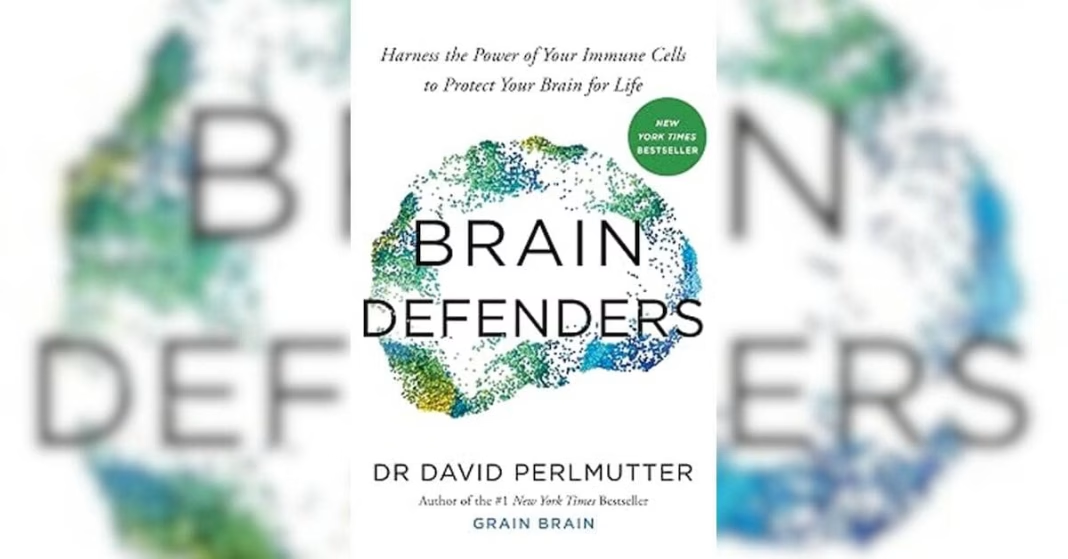

Brain Defenders: Harness the Power of Your Immune Cells to Protect Your Brain for Life
By David Perlmutter
Published by Hachette
375 pages ₹799
As a practising neurologist, author Dr David Perlmutter was used to focusing entirely on diagnosing and managing brain diseases using standardised therapies. But the medicines generally prescribed to treat these devastating conditions, he underlines in his new book, Brain Defenders, worked only on the symptoms. “Neurologists have had no choice but to treat the smoke and ignore the fire,” he writes. Over time, Dr Perlmutter felt compelled to question this reactive approach and focus instead on the prevention and reversal of brain disorders.
It’s a fine balance to strike, especially when research to understand the causes and treat them is still emerging. It also means battling the deluge of the latest brain-focused pills from pharma companies. Some of them do provide temporary relief from symptoms of, say, Alzheimer’s and Parkinson’s, but they do not address the root causes. Conventional medications, according to him, fail to calm overactive immune cells or reduce neuroinflammation. Billions of dollars are being spent to refine medications, but not nearly enough is going deeper into the growing problem of neurological disorders around the world to prevent them, he writes.
As in most matters related to health, while you can’t change your genetic code, you can control its expression: “The 88 keys of the genetic piano remain the same, but you can decide to play a different song.” When it comes to the brain, the heroes are microglia, the brain’s immune cells. When “metabolically hijacked, they go rogue and attack the neurons they are meant to protect”. The book makes the case that our focus, therefore, should be on fixing malfunctioning microglia.
Step by step, the book details how we can take a more proactive approach to protect brain health early in our lives by harnessing the power of these specialised immune cells. Metabolic issues related to brain conditions begin 20 to 30 years before cognitive changes present themselves, so Dr Perlmutter advises paying attention to brain health when we are 40, not 70 years old.
He has written extensively about this subject before in books such as Grain Brain, Brain Maker, and Drop Acid, in which he explores how carb-heavy, highly processed diets contribute to neurological issues, along with the link between hormones, gut-produced neurotransmitters, and brain function. Brain Defenders too touches on several of these aspects, but it is much updated to reflect the current public health landscape. Its primary contribution lies in fitting a vital missing piece into the puzzle — unlocking the mystery of why healthy brains deteriorate, the role of microglia in that process, and how cutting-edge research may offer answers to prevent or reverse it.
While microglia have been known for over a century, they were long thought to be passive support structures in the brain. More recently, a deeper understanding of microglia as dynamic regulators of emotion, cognition, and inflammation has marked a major shift in neuroscience.
The book tells us to think of microglia as twins with the unique ability to shape-shift depending on several factors: M2, the healing twin, is the phenotype that takes care of repair, cleaning up dead cells, and maintaining neural health. M1, meanwhile, is the inflammatory “evil” twin — beneficial during injury and infection, but when unregulated, it becomes problematic, leading to chronic inflammation, gene mutations, and cellular breakdown. For a healthy brain, we need a balance of the two, between states of rest. Common conditions like anxiety, brain fog, and depression are the result of a chronic, low-grade M1 state. Although often quite technical, the book is structured in a way that allows you to read as deeply into it as you like, with helpful summaries along the way.
Over four detailed sections, Dr Perlmutter examines the paradigm shift in the expanding spectrum of brain disorders and the changes in our immunometabolism that take a brain from good to bad. Metabolic issues, poor diet, alcohol, certain medications, toxins, stress hormones, and sleep disruption — factors that are closely linked to other health conditions as well — contribute in a major way. Much of the book highlights how clean lifestyle choices, including the Mediterranean and ketogenic diets, mental stimulation, exercise, and regular periodontal care, can help.
Where the book pushes into more provocative territory is in Dr Perlmutter’s discussion of brain-defending supplements and experimental therapies to restore damaged neural networks — most notably Hyperbaric Oxygen Therapy (HBOT), which remains controversial due to safety risks and challenges with standardisation. He also examines emerging pharmaceuticals designed to directly target microglial function. Despite several repetitive sections, overall, Brain Defenders is a thought-provoking read, breaking down science into digestible concepts while drawing attention to exciting new developments in a fascinating area of medical research.
The reviewer is a journalist and author