
Image Credit visitmaldives
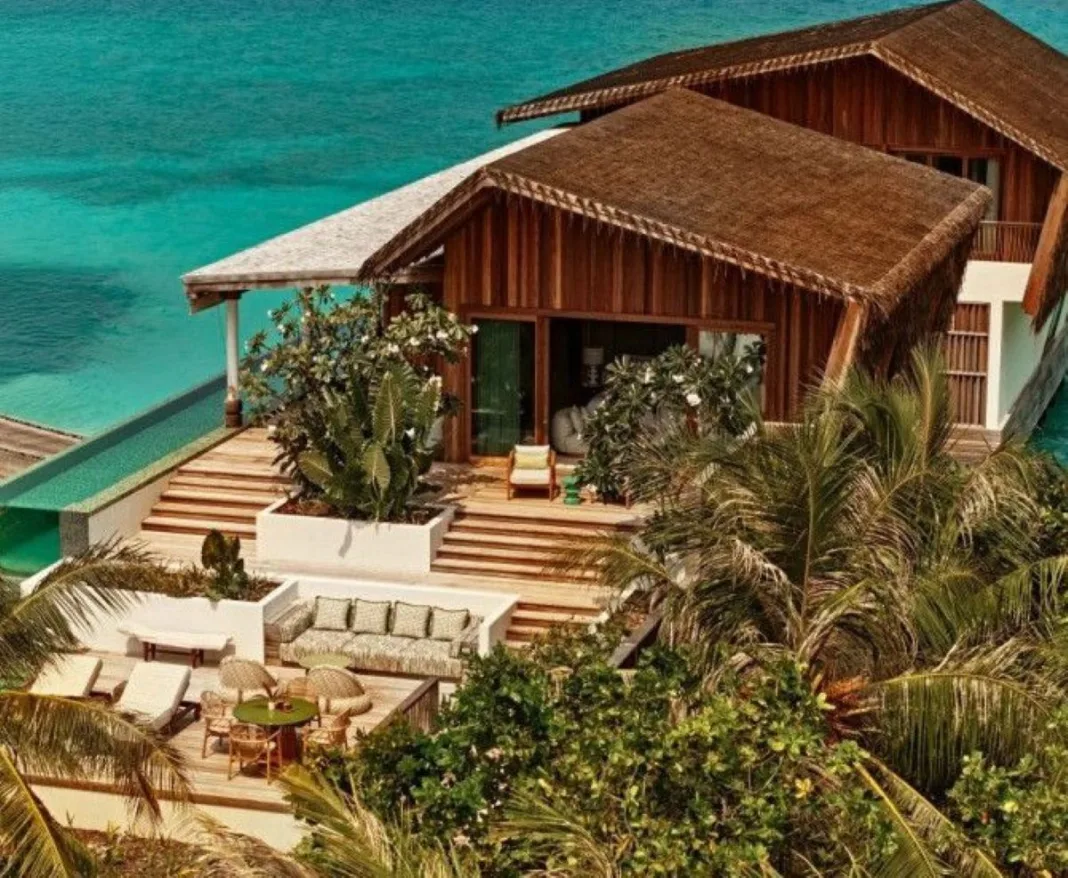
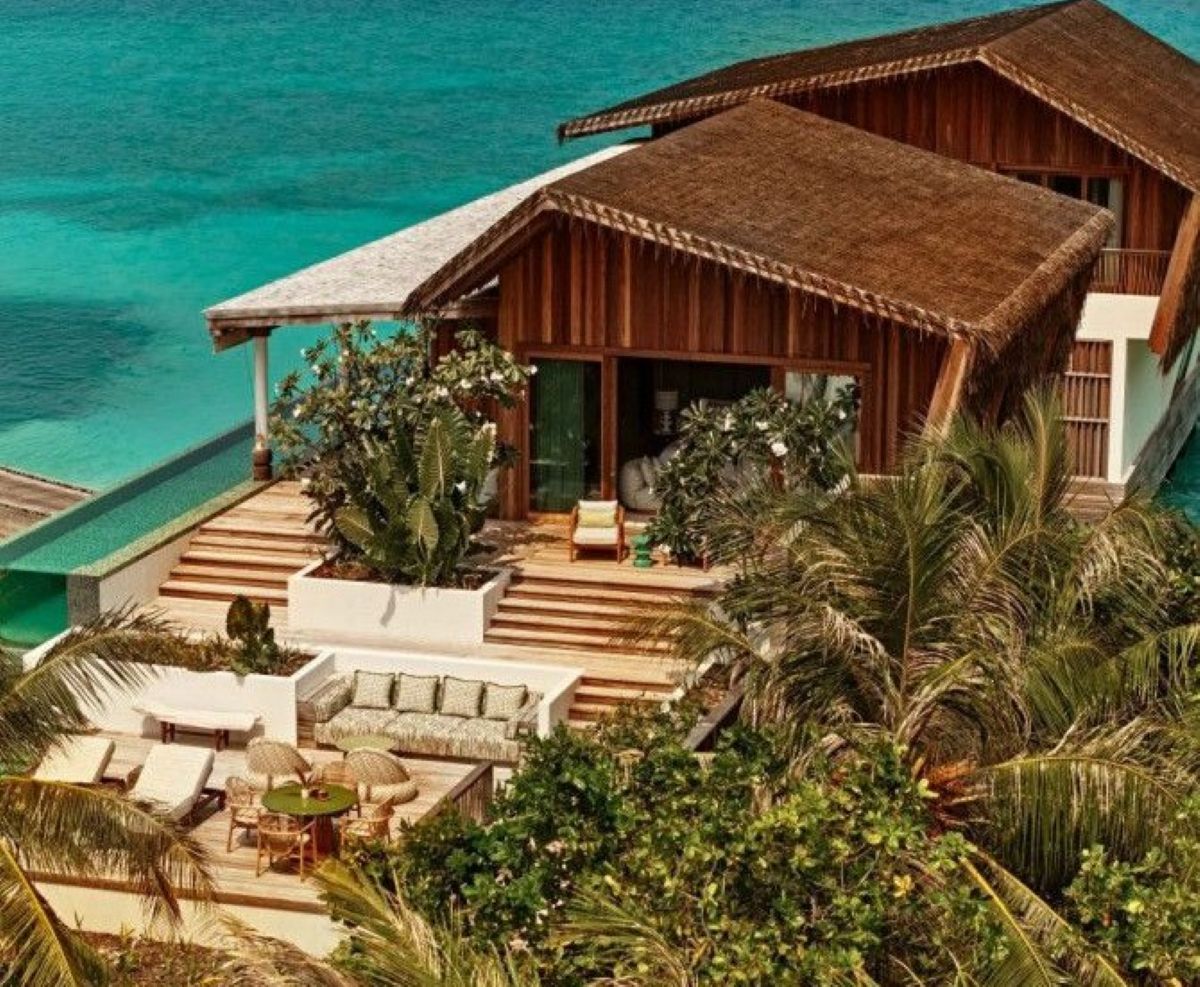
Everyone has dreams of escaping to a tropical paradise, of waking up to the sound of the ocean, and of experiencing the beauty of the Maldives. Less expensive and exclusive, the Maldives is opening their islands to a wider range of clientele, including families and people of lower incomes. The law has been altered to let people of the Maldives, and other Maldives residents, work remotely from other countries. Also, foreigners can now work on the islands, as the laws have been amended to give foreign employees working in the tourism industry work visas. The people of the Maldives want you to be able to work from their gorgeous islands.
Strategic Evolution of Paradise: How Maldives Tourism Real Estate Redefines Global Travel Dynamics
How is the Maldives transforming its iconic hospitality model to attract global capital while reshaping the future of international travel? The Indian Ocean nation is pivotally moving away from traditional single-island resort structures toward multi-sector Sustainable Townships governed under its Special Economic Zone (SEZ) legal framework. Consequently, this shift introduces long-term residency programs, high-end residential integration, educational facilities, healthcare hubs, and renewable energy infrastructure into the traditional resort paradigm. By expanding beyond simple room nights and food services, Maldives is positioning itself as a diversified eco-system designed for extended stays and long-term residency.
This strategic transformation significantly impacts the global travel industry, shifting how travelers engage with tropical destinations. As the archipelago opens its doors to multi-use developments, international travelers can expect longer stays, improved medical and lifestyle infrastructure, and enhanced access to residential property investments. Rather than visiting purely for short-term vacations, wealthy international visitors can now establish long-term roots. Ultimately, this structural evolution creates a new benchmark for island tourism worldwide, where sustainability, lifestyle infrastructure, and long-term residence converge.
Maldives Tourism Overview 2025: Transitioning Beyond “Resort-Only” Models Toward Sustainable Townships
The traditional Maldives model defined by isolated island retreats is giving way to expansive, integrated developments known as Sustainable Townships. Operated under the nation’s Special Economic Zone (SEZ) guidelines, these multi-sector projects are engineered to diversify economic activity far beyond the standard scope of room accommodations and dining offerings. By incorporating permanent residential communities, modern healthcare services, educational facilities, and clean energy grids into hospitality projects, the country opens entirely new economic avenues. This evolution enables multi-dimensional revenue streams that build resilience into the tourism economy.
For the international traveler, this shift alters the travel landscape across Maldives. Long-term visitors, digital nomads, and eco-conscious tourists will gain access to fully self-sufficient communities that provide urban conveniences alongside natural, remote island beauty. International travelers no longer need to rely solely on isolated resort bubbles; instead, they can experience extended living in fully equipped townships. Furthermore, this broadens the market for multi-generational families and remote workers seeking lifestyle consistency while residing in world-renowned tropical environments.
Strategic Capital Inflow: The Rise of Residence-by-Investment Frameworks and Patient Institutional Capital
High-value development in Maldives is increasingly funded by patient capital, institutional investors, sovereign-linked entities, and multi-faceted joint ventures rather than individual resort operators. The government has enacted legislative updates to incentivize foreign investors by pairing real estate acquisitions within approved developments with long-term residency privileges. Consequently, mega-projects such as initial multi-hundred-million-dollar developments in Noonu Atoll are setting fresh precedents for foreign direct investment in the region’s property and hospitality landscape.
This economic shift directly impacts global travelers who wish to combine lifestyle, travel, and international asset allocation. Overseas buyers can now secure residency status through structured real estate investments, turning temporary vacation habits into permanent offshore bases. As real estate frameworks mature, international visitors gain greater security, clear property ownership parameters, and long-term access to the country, thereby turning Maldives into a premier global hub for real estate and extended residence.
Policy Stability, Regulatory Certainty, and Fiscal Incentives Under Special Economic Zones
The sustained expansion of Maldives long-term investments relies on clear regulations, predictable land tenure, transparent exit mechanisms, and reliable monetary policies. Under the SEZ framework, qualifying developments enjoy key fiscal incentives, including a reduced corporate tax rate of 5% for the first decade, followed by 10% for the subsequent decade. In addition, aligned policies across immigration, land usage, and taxation are necessary to uphold macro-level market stability and preserve investor trust.
From a travel perspective, policy consistency ensures that long-term infrastructure, environmental monitoring, and municipal services remain stable over time. Travelers benefit directly when institutional capital builds robust utilities, reliable marine transportation networks, and modern medical hubs across remote locations. Furthermore, well-regulated operational environments guarantee that international visitors experience consistent, high-quality service standards across all municipal and hospitality touchpoints.
Environmental Discipline, Local Integration, and Structural Governance in Island Ecosystems
For these expansive developments to thrive, they must genuinely integrate local communities and strictly enforce environmental stewardship across all projects. Rather than acting as luxury real estate developments in disguise, these townships must remain livable, ecologically responsible, and integrated with nearby local populations. Strict environmental governance is critical to protecting delicate coral reefs and low-lying island ecosystems while ensuring local communities benefit directly from foreign investment.
Globally, travelers are prioritizing sustainability, authenticity, and responsible tourism. As Maldives enforces tight ecological guidelines, international visitors can enjoy eco-friendly living spaces that preserve the surrounding marine environment. By balancing foreign investment with local employment and natural conservation, the country establishes a sustainable blueprint for global island destinations navigating economic growth and climate resilience.
Comprehensive Strategic Analysis of Tourism Infrastructure, Macroeconomic Trajectory, and Regulatory Evolution in the Indian Ocean
The macro-level development trajectory of the Maldives reflects a structured economic shift aimed at expanding foreign receipts and visitor durations. Industry data indicates that the archipelago successfully surpassed its baseline goal of 2.25 million arrivals, while actively setting a forward projection target of 2.5 million visitors in 2026. Concurrently, overall annual tourism receipts generate approximately US$5.4 billion in direct and indirect revenue. This surge in market valuation is heavily supported by a dramatic rise in individual stay metrics. Rather than remaining confined to the historical average of 7.6 days, visitor durations in integrated residential townships now extend past 12+ days.
This marked lengthening of visitor stays changes how international travelers interact with island destinations. Extended stays encourage tourists to integrate into the local ecosystem, driving steady consumer demand for local services, retail, and recreational activities. Furthermore, high-value travelers seeking long-term accommodation options find these multi-week stays far more practical. Consequently, the national economy captures higher yields per visitor, reducing its reliance on high turnover and rapid tourist volume.
Aviation Infrastructure Capacity Enhancements and Multi-Atoll Air Transport Integration
To accommodate rising arrival metrics and support permanent resident populations, public transport and aviation infrastructure are undergoing massive modernizations. The flagship expansion at Velana International Airport (MLE) in Malé boosts terminal capacity to handle over 7.5 million passengers annually. To ensure seamless transport from the capital to outlying regions, the domestic network integrates 17 domestic regional airports across key locations, including Baa Atoll and Addu Atoll. Additionally, regional seaplane operators manage over 1,000 daily flights during peak operational seasons.
These transport upgrades directly eliminate traditional transit bottlenecks for global vacationers and long-term residents alike. Faster transfers between primary international terminals and regional airstrips make outlying island groups significantly more accessible. Moreover, the enhanced transport network allows emergency services, fresh supply chains, and passenger transfers to operate smoothly across remote atolls. Consequently, international travelers enjoy unprecedented mobility across distant geographic zones.
Clean Energy Decarbonization Mandates and Sustainable Grid Integration Targets
Environmental compliance standards within the nation’s Special Economic Zone (SEZ) township framework mandate a rapid transition to clean energy. Official policy guidelines require every approved sustainable township to generate between 30% to 50% of its operational power using floating solar photovoltaic (PV) arrays and hybrid battery energy storage installations. Across the entire hospitality sector, these renewable energy directives aim to offset over 500,000 metric tons of carbon dioxide () emissions each year. This initiative ultimately reduces reliance on traditional island diesel generator units by 40%.
These rigorous environmental policies establish a new benchmark for eco-conscious travel worldwide. Global visitors are increasingly prioritizing climate-friendly destinations, making zero-carbon energy grids a major competitive advantage. By shrinking the carbon footprint of luxury island living, these developments reassure environmentally aware tourists that their stays actively support green initiatives. Furthermore, lowering fossil fuel reliance ensures long-term power stability and cleaner air across fragile island ecosystems.
Foreign Direct Investment Capital Criteria and Long-Term Real Estate Statutory Guarantees
Attracting institutional developers to execute multi-sector townships requires robust foreign direct investment (FDI) guidelines and regulatory guarantees. Statutory frameworks require a minimum capital investment threshold of US$100 million for projects seeking full SEZ status and its associated financial incentives. In return, international investors gain secure long-term land leases extending up to 99 years. Furthermore, qualifying developments benefit from a guaranteed corporate tax rate of 5% during their first 10 years of operation, which transitions to 10% over the subsequent decade.
These secure regulatory protections foster a stable environment for foreign investors and prospective international homeowners. Clear land tenure rules give buyers complete confidence when securing real estate within the country. Additionally, long-term investor guarantees help finance top-tier residential properties, high-end infrastructure, and global standard amenities. Over time, these policies transform temporary vacation hot spots into secure, multi-generational overseas bases for international buyers.
Ecological Marine Ecosystem Restoration Directives and Resource Recycling Mandates
Large-scale land reclamation and lagoon building must adhere to strict environmental compliance regulations to safeguard fragile marine environments. Regulations require developers to allocate between 1% to 3% of total project capital expenditure directly toward marine biodiversity protection and active coral reef restoration. Engineering teams install micro-fragmented coral nurseries designed to achieve a 75% to 85% survival rate along reclaimed island perimeters. Additionally, townships enforce strict zero-single-use-plastic mandates and require 100% advanced membrane bioreactor (MBR) wastewater treatment for land irrigation.
These environmental safeguards preserve the delicate marine life that attracts visitors from around the world. Protecting living coral reefs guarantees that divers and snorkelers experience vibrant underwater ecosystems for decades to come. Modern wastewater recycling also prevents runoff into lagoons, protecting pristine water clarity. Ultimately, these measures ensure that large-scale coastal engineering works hand in hand with environmental conservation.
Advanced Medical Infrastructure, Longevity Hubs, and Rapid Emergency Care Networks
Developing multi-sector townships requires building robust tertiary healthcare infrastructure capable of serving permanent residents, retirees, and luxury travelers. Integrated developments feature multi-specialty medical clinics equipped with emergency hyperbaric chambers and direct telemedicine links to international hospital networks. Furthermore, operators allocate up to 15% of overall township land area to dedicated wellness, longevity, and preventative medicine centers. These investments help reduce medical evacuation response times from central atolls to urban care centers in Malé to under 45 minutes.
This focus on modern healthcare transforms the island nation into a viable destination for long-term living and medical wellness. Senior travelers, multi-generational families, and retirees can reside in remote locations knowing that immediate, high-quality medical care is close at hand. Fast-response emergency transport systems eliminate safety concerns for international visitors venturing far from major urban centers. In turn, specialized wellness facilities turn the region into a premier destination for holistic healthcare.
Shifting Visitor Demographics and High-Speed Connectivity Infrastructure
Demographic trends highlight a growing shift toward long-term co-living arrangements, digital nomadism, and multi-generational family vacations. Remote professionals and long-stay families now account for over 18% of total visitor nights, up from under 5% under traditional resort models. To support this evolving demographic, sustainable townships incorporate private international curriculum schools and dedicated day-care facilities. Furthermore, widespread satellite broadband coverage guarantees high-speed, symmetrical 1 Gbps connectivity across remote island communities.
This modern digital and educational infrastructure allows international families and remote executives to stay in paradise for months at a time without disrupting their work or schooling. Reliable, high-speed internet makes running global businesses, hosting video conferences, and streaming high-bandwidth content effortless from remote atolls. Families can comfortably balance work, education, and leisure in a single location. Consequently, the region is successfully positioning itself as an elite remote-work hub for global professionals.
Workforce Integration Mandates and Local Community Infrastructure Development
To ensure economic gains benefit surrounding communities, government regulations enforce strict workforce inclusion quotas and local procurement rules. Laws mandate that local Maldivian citizens make up at least 50% of the total operational workforce in all sustainable townships. Additionally, procurement rules require developers to source 20% to 30% of their fresh produce and seafood from local agricultural initiatives on neighboring inhabited islands. Furthermore, dedicated community development funds receive 1% of gross operational revenue from SEZ projects to upgrade public infrastructure across surrounding regional islands.
These policies ensure that foreign investment directly improves the livelihoods of local island communities. Sourcing food locally provides steady income for native farmers and fishermen while giving resort guests access to fresh, high-quality produce. Revenue-sharing development funds help build modern public facilities, clean water systems, and reliable power grids on nearby inhabited islands. Ultimately, this inclusive approach creates a balanced, mutually beneficial model for sustainable tourism growth.
The Final Verdict
People often say there’s magic in not saying goodbye. You can find that magic in the Maldives. The trade winds from the Indian Ocean whisper across atolls that aren’t saying goodbye. As one of the first countries to allow long-stay residents, the Maldives offers a chance to slow down, to promote wellness and offer a variety of experiences so that we do not feel imprisoned by the monotony of our daily lives. The Maldives is our chance to experience a more meaningful life while giving us the opportunity to stay and take care of our planet. Unlike our current fast-paced, high-impact lifestyle, the Maldives gives us the chance to slow down and embrace the luxury of less, including less of an impact on the planet. With their pristine beaches and beautiful turquoise waters, the Maldives help us envision what our lives can be. With the wealth of the sea surrounding us, we can be at peace with the ocean, committing to a more meaningful life and a better world while protecting the ocean forever.