
Image Credit discover-suriname
Wake up to the sounds and smells of a new and wonderful, exotic country! No more digital nomad zones. Paramaribo and its wonderful, friendly folks will enchant you with their excitement to mingle with the global tourists that they welcome to their beautiful city. Enjoy the vibe of the wonderful city, and participate in many activities including hiking, and eco tours. The fast and reliable internet gives you the opportunity to work and enjoy many activities. This makes Paramaribo an attractive city for the digital nomad community.
How Do Official Legal Frameworks and Long-Term Immigration Pathways Facilitate Extended Stays in Paramaribo, Suriname?
Entering Suriname for remote work begins with a straightforward administrative procedure managed digitally prior to departure. Official directives issued by the Ministry of Foreign Affairs, International Business and International Cooperation (BIBIS) and processed via VFS Global establish clear parameters for international visitors. Citizens from eligible visa-exempt jurisdictions, including the EU, USA, UK, Canada, and CARICOM nations, must obtain an Entry Fee Voucher online. A single-entry voucher costs USD/EUR 50 plus an $8 service fee, whereas a multiple-entry voucher costs USD/EUR 75, granting up to five entries over a three-month window. In addition, every inbound passenger must complete the mandatory digital Immigration & Customs Form (ICF) portal at least 72 hours prior to arrival.
The standard initial entry grant allows location-independent professionals to live and work remotely for up to 90 days. For those intending to extend their stay in Paramaribo, Suriname, a formal residency pathway exists through the Ministry of Justice and Police (Ministerie van Justitie en Politie – Afdeling Vreemdelingenzaken). Applicants seeking the Machtiging tot Kort Verblijf (MKV) must provide documented proof of foreign-sourced income, a clean background clearance, and registered local accommodation details. This dual-layer legal system ensures that short-term exploratory visits transition smoothly into legal, long-term stays without burdensome bureaucratic hurdles.
What Infrastructure, Internet Capabilities, and Power Utilities Support Remote Work Across Central Paramaribo?
Digital nomads operating out of Paramaribo rely on a steadily expanding telecommunications network to maintain client commitments. The national telecommunications provider, Telesur, has deployed Fiber-to-the-Home (FTTH) infrastructure throughout central Paramaribo and surrounding residential districts. Commercial fiber connections deliver standard download speeds ranging between 50 Mbps and 150 Mbps, which comfortably supports video conferencing, cloud management, and large media transfers. Remote workers can easily set up workstations in local apartments or boutique cafes across the urban center.
To hedge against unexpected network drops, secondary mobile internet services are widely available through both Telesur and Digicel. Expatriates can register local SIM cards or eSIMs using a valid passport upon arrival at national entry points or city shops. Regarding utility stability, the local power grid managed by N.V. Energiebedrijven Suriname (EBS) occasionally experiences localized load shedding or maintenance outages. Consequently, digital nomads planning long-term stays in Paramaribo, Suriname are advised to choose accommodations equipped with back-up generator sets or uninterruptible power supply (UPS) units.
What Does the Living Cost, Neighborhood Structure, and Co-Living Landscape Look Like in Paramaribo, Suriname?
While Paramaribo lacks major global co-living chain brands, it offers a rich variety of boutique guesthouses and fully furnished serviced apartments. Long-term remote workers predominantly base themselves in popular residential quarters such as Combé, Paramaribo-Noord, and Uitvlugt. The financial baseline for a single-bedroom furnished apartment complete with air conditioning and high-speed fiber internet ranges between USD 500 and USD 900 per month. This affordable cost profile allows digital nomads to enjoy comfortable living standards while exploring the capital’s unique culinary and historical offerings.
Neighborhood selection plays a crucial role in shaping the daily remote work experience within Paramaribo, Suriname. The Combé district and the historic inner city offer walkable access to UNESCO heritage sites, government offices, and charming waterfront cafes, with monthly rents averaging $600 to $1,000. Alternatively, Paramaribo-Noord presents a quieter residential setting featuring modern gated villas and long-stay suites priced between $550 and $950 per month. Further west, the Uitvlugt and Zorg en Hoop areas afford proximity to the domestic Zorg en Hoop Airport, with monthly accommodations ranging from $450 to $750.
What Essential Health, Financial, and Practical Planning Steps Ensure a Seamless Transition to Paramaribo, Suriname?
Preparing for a long-term remote work stay in Paramaribo requires attention to specific health regulations and financial customs. Health authorities strictly require proof of a Yellow Fever vaccination for travelers arriving from or transiting through endemic regions. Travelers should carry their official international vaccination card alongside standard travel health cover to ensure uninterrupted entry through border control points. Maintaining physical health allows nomads to fully explore Suriname’s outdoor eco-tourism activities without unexpected medical delays.
Financially, Suriname functions primarily as a cash-based economy utilizing local transfers for daily commercial transactions. Although major international credit cards are accepted at high-end hotels and select upscale venues, everyday purchases require Surinamese Dollars (SRD) or cash in USD/EUR. Remote workers should establish multi-currency banking accounts prior to arrival to facilitate smooth foreign currency withdrawals. By preparing appropriate cash reserves and local mobile data backups, digital nomads can navigate daily life across Paramaribo with complete peace of mind.
Fiscal Frameworks and Foreign Earning Regulations for Remote Professionals in Paramaribo, Suriname
Navigating local tax policies is essential for digital nomads who plan to reside in Paramaribo, Suriname past the standard six-month mark. Under the official legal guidelines enforced by the national tax authority, the Belastingdienst Suriname, non-resident foreign nationals earning income from external overseas sources remain exempt from local taxation during their initial ninety-day tourist stay. However, once a location-independent professional crosses the threshold of residing in the country for more than 183 days within a single twelve-month calendar period, they are classified as a fiscal resident. This legal status shift subjects remote workers to progressive local income tax schedules that range from a starting bracket of 8% up to a maximum rate of 38%, depending on total global revenue thresholds.
To manage daily expenses, maintain liquidity, and handle financial operations seamlessly while living in Paramaribo, remote workers frequently utilize established domestic banking institutions. Leading commercial banking establishments, including Hakrinbank N.V., De Surinaamsche Bank (DSB), and Republic Bank (Suriname) N.V., allow foreign residents to conduct essential financial transactions. While international SWIFT wire transfers into domestic accounts incur standard handling fees ranging between USD 25 and USD 50 per transaction, maintaining a local account backed by Surinamese Dollars (SRD) protects remote earners from sudden currency fluctuations and unexpected foreign exchange conversion losses.
Comparative Analysis of Co-Working Spaces and Laptop-Friendly Workspaces Across Paramaribo Neighborhoods
Although global shared workspace franchises do not currently operate within Suriname, the capital city of Paramaribo features an expanding collection of independent co-working hubs and work-friendly establishments. In historic and central districts such as Waterkant and Combé, dedicated desk rentals in specialized shared facilities cost between USD 12 and USD 20 for daily passes, or between USD 150 and USD 250 for comprehensive monthly access. These dedicated facilities typically include fuel-powered backup generators to ensure uninterrupted electricity alongside high-speed fiber-optic connections averaging 100 Mbps.
For digital nomads who prefer working in dynamic public environments, several popular cafes and specialized coffee houses across Paramaribo provide suitable workspaces. Key spots along Wilhelminastraat and central dining places like Grand Café Rumors cater to mobile professionals by offering accessible electrical outlets and reliable commercial Wi-Fi speeds ranging from 30 Mbps to 80 Mbps. With average artisanal coffee prices hovering between USD 2.50 and USD 4.00, location-independent workers can comfortably conduct four- to six-hour work sessions while keeping daily operational overhead low.
International Air Mobility and Domestic Transportation Links Connecting Paramaribo Globally
International air travel to and from Suriname relies primarily on Johan Adolf Pengel International Airport (PBM), situated roughly 45 kilometers south of central Paramaribo in the rural district of Zanderij. Major international airlines, including the national carrier Surinam Airways (SLM) and Dutch carrier KLM, operate direct long-haul flights linking the capital to Amsterdam Airport Schiphol (AMS) in Europe with an average flight duration of 9 hours. Additionally, direct regional flight routes connect the city to major transit gateways such as Port of Spain (POS) in Trinidad and Tobago, Miami (MIA) in the United States, and Belém (BEL) in Brazil.
For regional travel within the country and quick access to interior eco-resorts, digital nomads rely heavily on Zorg en Hoop Airport (ORG), located conveniently within the urban limits of Paramaribo. Local domestic charter carriers, such as Gum Air and Blue Wing Airlines, run regular passenger flights to remote interior airstrips surrounded by pristine rainforests. Seat prices for these domestic flights range between USD 120 and USD 220 per departure, enabling remote workers to organize smooth weekend travel into nature reserves without lengthy overland commutes.
Multi-Currency Monthly Living Costs and Budgetary Breakdown in Paramaribo, Suriname
Managing a monthly budget while living in Paramaribo requires balancing local cash transactions with international currency reserves. Due to import dynamics and domestic economic factors, purchasing imported grocery brands at modern supermarkets in Paramaribo-Noord typically requires a monthly expenditure of USD 200 to USD 350. Conversely, sourcing fresh tropical fruits, vegetables, and regional staples directly from the stalls at the Centrale Markt along the Surinamese River can reduce food costs by up to 40%.
| Living Expense Category | Local Monthly Estimate (SRD) | Equivalent Baseline (USD / EUR) |
| Boutique Apartment Rental (1-Bed) | SRD 18,000 – 32,000 | $500 – $900 |
| Monthly Food & Grocery Budget | SRD 7,000 – 12,500 | $200 – $350 |
| Co-Working Space & Mobile Data | SRD 1,800 – 3,500 | $50 – $100 |
| Dining Out & Household Utilities | SRD 5,000 – 9,000 | $140 – $250 |
Healthcare Infrastructure, Emergency Medical Services, and Expatriate Insurance Requirements
Medical services and specialized healthcare resources in Suriname are heavily concentrated within the capital city of Paramaribo. The urban center houses the nation’s primary medical centers, including the Academic Hospital Paramaribo (AZP) (Academisch Ziekenhuis Paramaribo) and Sint Vincentius Ziekenhuis. Foreign residents seeking non-emergency medical care can consult English- and Dutch-speaking medical practitioners at private medical clinics, where standard consultation fees range from USD 25 to USD 50 per visit.
Because public medical infrastructure can face operational limitations, international remote workers living in Paramaribo are strongly advised to secure comprehensive international health insurance policies that include medical evacuation coverage of at least USD 100,000. Well-stocked pharmacies (Apotheek) are readily accessible throughout key residential areas like Combé and Uitvlugt for standard medical supplies. However, expatriates requiring specific branded prescription medications should bring adequate quantities to last the duration of their planned stay.
Tropical Climate Trends, Seasonal Rainfall Patterns, and Operational Schedules in Paramaribo
Located at 5° North latitude, Paramaribo features a tropical rainforest climate marked by two distinct annual rainy periods: the Major Rainy Season, lasting from May through August, and the Minor Rainy Season, running from December through January. During these rainy months, average monthly precipitation reaches 250 mm to 300 mm, which can cause localized, temporary street flooding in low-lying urban areas.
Daytime temperatures in Paramaribo remain consistent throughout the year, fluctuating between 29°C and 33°C (84°F–91°F), with atmospheric humidity levels consistently remaining above 80%. Digital nomads planning an extended stay should factor continuous air conditioning costs into their monthly budgeting estimates, as regular cooling can add USD 60 to USD 120 per month to standard electricity bills issued by N.V. Energiebedrijven Suriname (EBS).
Neighborhood Safety Standards, Urban Navigation, and Personal Security Guidelines
Safety conditions across Paramaribo vary by district, making general situational awareness advisable for foreign residents. Residential and commercial neighborhoods such as Combé, Paramaribo-Noord, and Mon Plaisir report lower crime rates, providing a secure environment for walking during daytime and evening hours. In contrast, bustling commercial centers around the Waterkant waterfront and the public park areas of Palmentuin require heightened caution after sunset to prevent opportunistic petty theft.
The historic center of Paramaribo offers reasonable walkability along cobblestone paths and tree-shaded avenues. For longer trips across different urban quarters, remote workers rely on registered local taxi fleets and private transport apps like 777 Taxi. Standard city rides across different neighborhoods typically cost between USD 4.00 and USD 8.00 (equivalent to SRD 140–280), offering an affordable and secure way to travel around the city.
Amazonian Eco-Tourism Access, Inland Expeditions, and Wilderness Getaways from Paramaribo
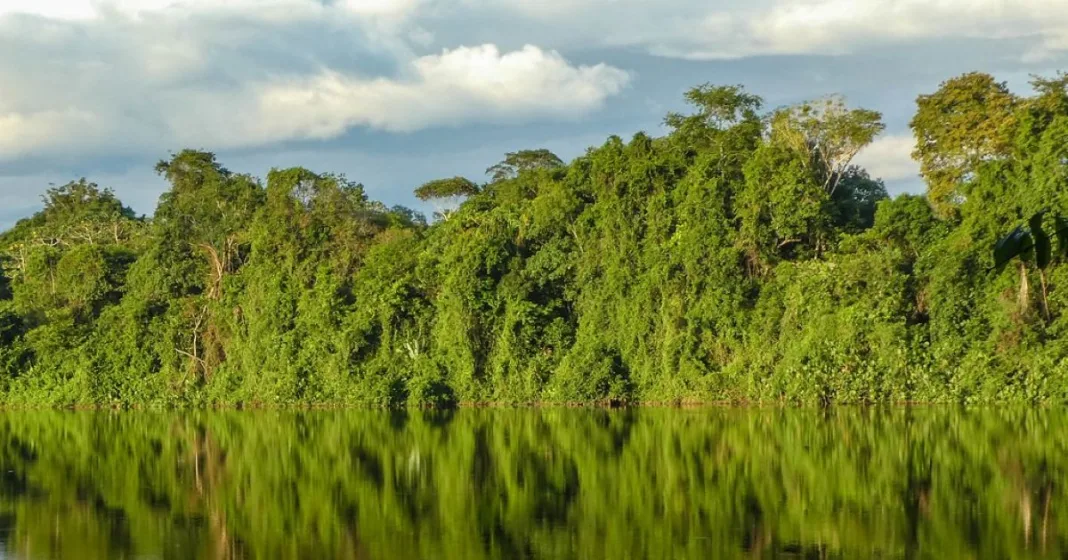
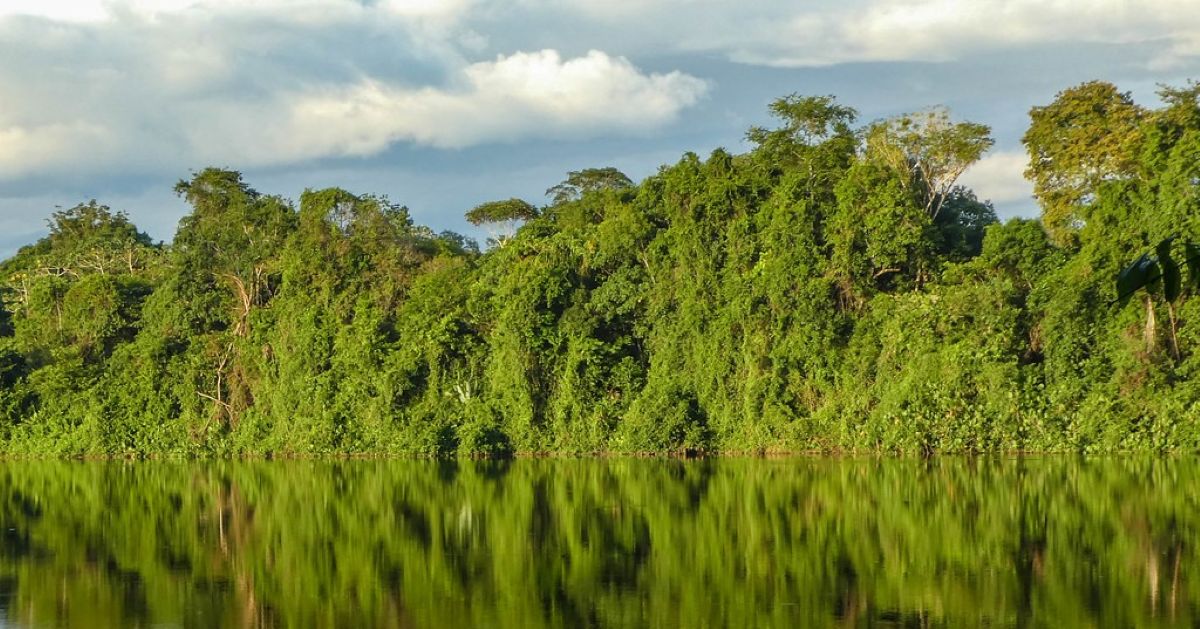
Establishing a long-term base in Paramaribo offers immediate access to the Amazonian rainforest reserves of Suriname. Location-independent workers frequently take weekend trips into the interior to explore protected natural sanctuaries such as the Central Suriname Nature Reserve, a UNESCO World Heritage site spanning 1.6 million hectares, or the Berg en Dal Eco & Cultural River Resort located along the banks of the Suriname River.
Guided three-day overland and riverboat expeditions to destinations such as the Danpaati River Resort or Kabalebo Nature Resort typically cost between USD 300 and USD 700 per person. These package costs cover indigenous river transport, meals, and eco-lodge accommodations. Engaging in these inland journeys directly supports Maroon and Amerindian host communities, ensuring that remote worker tourism spending contributes to rural economic development and environmental conservation efforts across Suriname.
The Final Verdict
You’ll have no trouble falling in love with Paramaribo. And while leaving will break your heart, you’ll also be able to see firsthand why so many digital nomads fall in love with this city. Paramaribo will welcome you after you’ve pushed your limits in Thailand with another long-stay visa or tired yourself out working yet another stint in a coffee shop in Medellin. This city will let you rest and reset.
Remote work and living in this part of the world is incredibly convenient with quick access to online visas and extended-stay MKV visas. Top it off with Telesur fiber in areas like Combé and Paramaribo Noord and you’re gold. But even without the convenience of work and living in Paramaribo, you’ll have a hard time feeling passionate about work or life elsewhere. And did we mention your dollar goes directly to supporting the rainforest and Maroon communities?
Frequently Asked Questions (FAQs)
1. Do remote workers need a specific digital nomad visa to work from Paramaribo, Suriname?
No, Suriname does not currently issue a dedicated “digital nomad visa”. Remote workers initially enter using the standard tourist entry grant (obtained via an online Entry Fee Voucher) which permits stays of up to 90 days. For longer stays, digital nomads must apply for an MKV (Machtiging tot Kort Verblijf) through the Ministry of Justice and Police.
2. How fast and reliable is the internet speed in Paramaribo for remote work?
Central Paramaribo features Fiber-to-the-Home (FTTH) provided by Telesur, offering commercial speeds between 50 Mbps and 150 Mbps. Mobile 4G LTE data is readily available through Telesur and Digicel as a backup connection.
3. What is the average monthly cost of accommodation for a digital nomad in Paramaribo?
Furnished single-bedroom apartments with air conditioning and high-speed internet generally cost between USD 500 and USD 900 per month, depending on the neighborhood (Combé, Paramaribo-Noord, or Uitvlugt).
4. What health requirements must be fulfilled before travelling to Suriname?
Proof of a Yellow Fever vaccination is mandatory if you are arriving from or transiting through areas with a risk of yellow fever transmission.