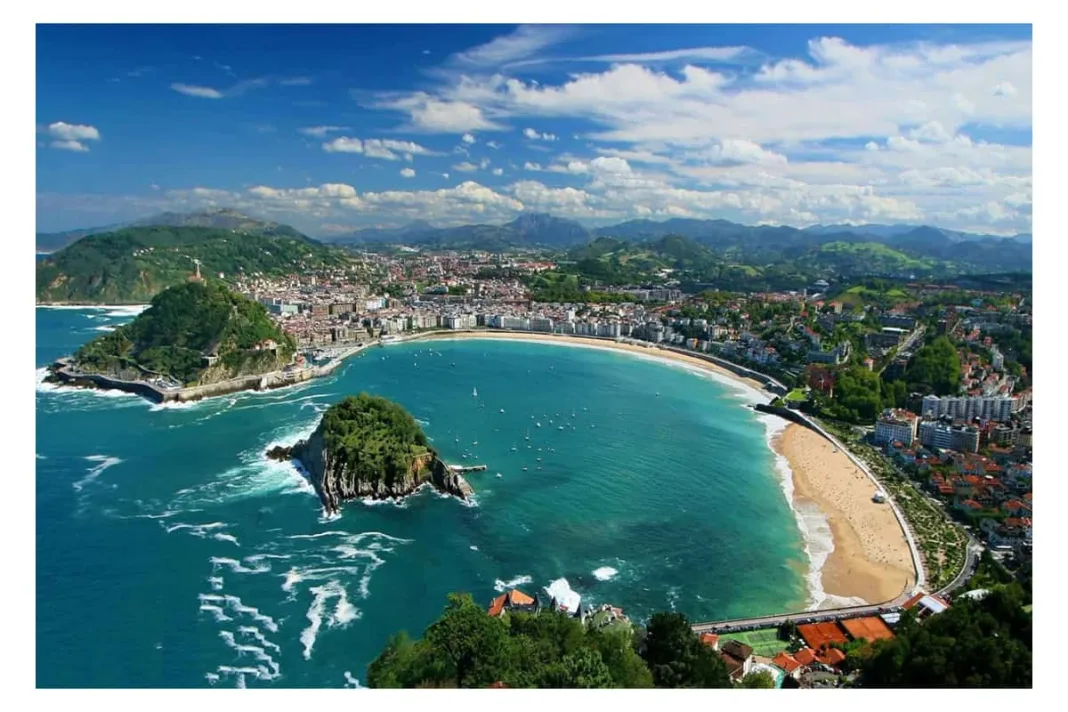

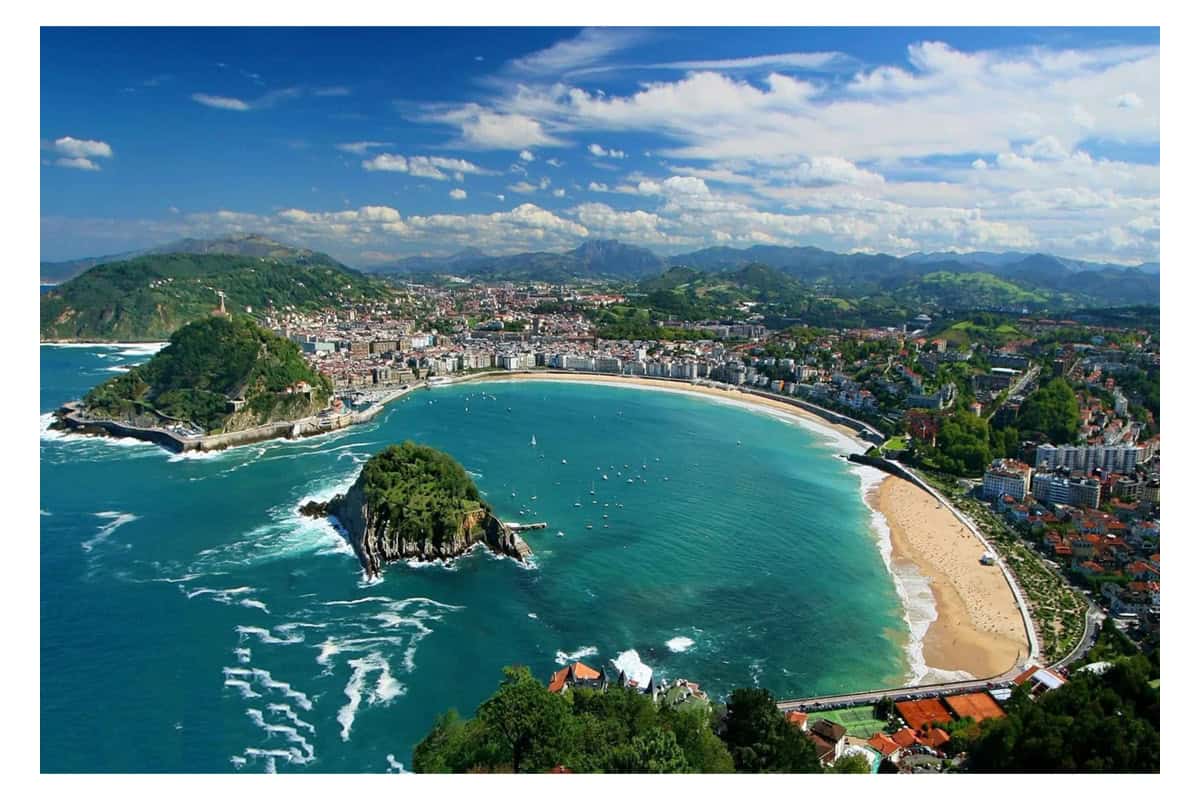
Image generated with Ai
As of September 2026, Europe is experiencing a historic travel resurgence. However, the celebrated tourism recovery exposes a sharp spending divide in 2026. While many popular destinations now face overwhelming visitor numbers coupled with stagnant economic yield, forward-thinking municipalities are successfully changing their core strategies. Official reports confirm that Ghent stands with Gothenburg and Bilbao as tourism recovery exposes a sharp spending divide in 2026. These three iconic cities have deliberately transitioned toward high-value, sustainable models. By prioritising longer overnight stays and premium cultural experiences, they successfully generate greater local revenue without suffering from the severe pressures of mass tourism.
The Dawn of a New Era in European Tourism
The European travel sector has definitively entered a new era of structural evolution in 2026. Following years of post-pandemic recovery, the continent is now grappling with the profound economic realities of managing unparalleled visitor demand. According to the latest official data published by government ministries and international bodies, the fundamental metrics of tourism success are being radically rewritten.
Unpacking the UN Tourism World Tourism Barometer Data
In the first quarter of 2026, the UN Tourism World Tourism Barometer confirmed that international tourism continued to show incredible resilience. Globally, approximately 307 million tourists travelled internationally during the first three months of the year, representing a 2% increase compared to the same period in 2025. Europe, cementing its position as the world’s largest and most desirable travel destination region, recorded over 130 million international tourists in the first quarter alone, translating to a robust 4% increase.
This growth builds upon the strong momentum established in 2025, where the continent saw a 5% overall increase in arrivals. Notably, Southern Mediterranean Europe and Northern Europe both saw a 4% increase in arrivals in early 2026, while Central Eastern Europe continued its upward trajectory with a 6% rise. The data indicates that despite rising geopolitical tensions, elevated oil prices, and corresponding increases in airfares, the foundational demand for European exploration remains ironclad.
The Eurostat Findings: Overnight Stays and Foreign Visitors
However, arrival numbers only paint a superficial picture of the European tourism economy. Deep granular data from Eurostat, the statistical office of the European Union, released in September 2026, highlights the true scale of the accommodation sector. Tourists spent a monumental 1.321 billion nights in registered accommodations across the EU in the first half of 2026. This reflects a steady 1.7% increase from the 1.299 billion nights recorded during the identical period in the previous year.
The driving force behind this monumental surge was foreign visitors—defined as non-residents of the destination country, originating from both within and outside the EU. Foreign guest nights rose by an impressive 2.5%, which was almost three times higher than the sluggish 0.9% growth recorded for domestic visitor nights. Consequently, foreign visitors now account for nearly half (48.9%) of all overnight stays across the entire European bloc.
At a national level, the disparities are staggering. Ireland led the continent with a massive 14.6% increase in overnight stays, followed closely by Malta (+9.9%) and Slovakia (+5.9%). Conversely, nine EU member states registered outright declines, with Cyprus (-7.7%) and Romania (-6.7%) suffering the steepest falls. This uneven distribution of growth is the very foundation of the modern economic divergence sweeping the continent.
How Ghent Stands With Gothenburg and Bilbao as Tourism Recovery Exposes a Sharp Spending Divide in 2026
The phrase “spending divide” has become the defining economic buzzword among European policy makers and national tourism boards in 2026. It describes the rapidly widening chasm between destinations that rely on unsustainably high visitor volumes with low per-capita expenditure, and destinations that intentionally curate low-volume, high-yield visitor economies.
Yield Over Volume: The New Economic Imperative
For decades, the undisputed metric for tourism success was sheer volume. Mayors and tourism ministers routinely celebrated record-breaking arrival numbers as ultimate victories. However, this volume-centric approach has resulted in severe negative externalities, commonly referred to as overtourism. Cities trapped in this cycle often discover that the exorbitant costs of municipal maintenance, waste management, and infrastructure repair severely outweigh the minor economic injections provided by budget-conscious day-trippers.
In sharp contrast, the new economic imperative prioritises yield over volume. By targeting visitors who are willing to spend heavily on premium accommodations, fine dining, and extended cultural immersion, cities can generate vastly superior tax revenues without suffocating their own residents. It is precisely through this strategic economic lens that Ghent stands with Gothenburg and Bilbao as tourism recovery exposes a sharp spending divide in 2026.
European Travel Commission Insights on Visitor Expenditure
The economic divergence is explicitly documented by the European Travel Commission (ETC). In their comprehensive late 2025 and early 2026 quarterly reports, the ETC revealed a highly compelling trend: while international arrivals in Europe grew by a moderate 3.2%, actual travel spending experienced a spectacular 9.7% leap. This mathematical discrepancy proves undeniably that spending is actively outpacing arrivals.
Modern travellers are allocating far more capital per trip, placing a distinct premium on quality, authenticity, and unique experiences. The ETC also noted a marked behavioural shift towards off-season travel and shoulder-season exploration, driven partially by a desire to avoid the chaotic crowds of peak summer and to secure better overall value.
Ghent: Redefining Belgian Cultural Tourism
In the heart of Flanders, the Belgian city of Ghent has emerged as a global masterclass in strategic destination management. Historically, Ghent has carefully observed the cautionary tale of its prominent neighbour, Bruges, which has long battled the suffocating pressures of hyper-concentrated day-trip tourism. By implementing highly targeted developmental policies, Ghent has successfully redefined its cultural tourism sector.
The Economic Impact of the Pacification of Ghent 2026 Anniversary
Ghent’s 2026 tourism calendar is deliberately engineered to attract extended-stay cultural enthusiasts. The centerpiece of the year is “The Pacification of Ghent,” a sweeping historical commemoration marking 450 years since the pivotal 1576 treaty. Running from February through December 2026, this event is heavily integrated into the city’s broader cultural infrastructure.
Simultaneously, the city is hosting the “IndustryFestival 2026,” celebrating a half-century of the Ghent Museum of Industry, and overseeing the highly anticipated reopening of the Design Museum Gent with its spectacular new wing. Furthermore, the globally renowned Ghent Altarpiece by the Van Eyck brothers continues its painstaking restoration process, drawing art historians and high-net-worth cultural tourists from across the globe. These complex, multi-layered attractions are impossible to experience in a rushed afternoon, inherently forcing visitors to book multiple overnight stays.
Shielding the City from Overtourism
The Belgian tourism economy is flourishing in 2026, with national statistics indicating sustained growth and record appeal. Yet, Ghent’s localized strategy actively filters this national boom. The municipal government has fiercely restricted the unchecked proliferation of short-term holiday rentals that typically erode local housing markets. By actively funnelling international tourists toward established boutique hotels, registered heritage bed-and-breakfasts, and high-end gastronomy sectors, the city ensures that tourism revenue circulates directly within the local economy. This protective, community-first approach guarantees long-term sustainability.
Gothenburg: Scandinavia’s Green Transition Benchmark
Sweden’s vibrant second city, Gothenburg, has consistently dominated global sustainability indexes. However, in 2026, this ecological commitment is no longer just an environmental talking point; it operates as a highly lucrative economic shield. As the broader European Union implements its Ambitious 2026 Green Tourism Plan to Combat Overtourism, Gothenburg is already reaping the financial rewards of being years ahead of the regulatory curve.
The Economics of Sustainable Travel in Sweden
Sweden inherently operates as a high-cost destination. In 2026, comprehensive travel data indicates that a typical mid-range traveller must budget roughly 1,200 to 1,800 SEK (approximately $110 to $165) per day to cover accommodation, meals, transport, and attractions in Gothenburg. Rather than engaging in a race to the bottom to compete with cheaper Southern European markets, Gothenburg has leaned heavily into its premium pricing structure.
The city justifies its costs by providing unparalleled civic value: immaculately clean streets, hyper-efficient electrified public transportation, expansive green spaces, and a world-class culinary scene heavily focused on sustainable seafood. This inherent financial barrier naturally filters the visitor demographic, exclusively attracting a cohort that is highly resilient to macroeconomic inflation and entirely willing to spend heavily on eco-certified experiences.
Corporate Travel, Bleisure, and Off-Season Resilience
Gothenburg has also mastered the integration of its massive corporate travel sector with leisure tourism. By incentivising business travellers attending international conferences at the Swedish Exhibition & Congress Centre to extend their stays into the weekend—a lucrative trend termed ‘bleisure’—the city guarantees a steady stream of high-spending visitors regardless of the season. This off-season resilience perfectly aligns with the ETC’s findings regarding shifting traveller preferences and insulates the local hospitality sector from the dangerous boom-and-bust cycles typical of summer-reliant destinations.
Bilbao: A Pillar of Spain’s High-Value Tourism Market
Spain remains an absolute titan of global travel, but its internal dynamics have shifted drastically. According to the World Travel & Tourism Council (WTTC), Spain has officially become Europe’s High-Value Travel Champion. While certain coastal and island regions in Spain are buckling under the weight of catastrophic overtourism and subsequent civilian protests, the northern Basque city of Bilbao represents the golden standard of modern Spanish tourism.
Leveraging the €121.1 Billion National Forecast
The WTTC reported that international visitor spending in Spain reached a staggering €115.1 billion in 2025, ranking third globally. For 2026, this metric is officially forecast to rise by 5.3% to a record-breaking €121.1 billion. Crucially, the average international traveller to Spain is projected to spend an estimated US$1,344 per trip, dwarfing the broader European average of US$1,068.
Bilbao is capturing a disproportionately high percentage of this premium expenditure. The city has successfully evolved far beyond the initial “Guggenheim Effect” that revitalised its post-industrial landscape decades ago. Today, Bilbao’s tourism economy is anchored by elite Basque gastronomy, deep regional cultural immersion, and highly curated architectural tours.
Digital Identity and Seamless Travel Integration
The WTTC’s 2026 economic impact research specifically highlighted that destinations investing in seamless travel experiences and digital identity technologies are unlocking the highest visitor spend. Bilbao has heavily funded smart city infrastructure, implementing integrated digital transit networks and unified museum ticketing systems. By aggressively reducing the friction of the traveller journey, Bilbao ensures that tourists spend absolutely no time in frustrating queues, allowing them to allocate more time and money directly into local retail and dining establishments.
Latest Official Developments and Government Announcements
The strategic triumphs of these specific cities are occurring against a backdrop of sweeping legislative reform at the highest levels of European governance. Recognizing the existential threat posed by the spending divide, EU policy makers have taken decisive, unified action.
The EU’s 2026 Green Tourism Plan
In a landmark, defining assembly held in Cyprus in early 2026, EU tourism ministers formally unveiled a comprehensive strategy to definitively reshape the continent’s tourism landscape. The core objectives of the EU Green Tourism Plan are twofold: to aggressively combat overtourism by promoting balanced visitor distribution, and to heavily subsidise digital skills development across the hospitality sector.
This legislative framework actively discourages member states from utilizing structural funds for volume-centric marketing campaigns. Instead, funding is contingent upon destination management organizations proving that their strategies preserve cultural heritage, protect natural environments, and generate high-yield, high-quality visitor experiences.
Smart Tourism Data Infrastructures
To comply with these stringent 2026 EU mandates, national governments are heavily investing in smart tourism data infrastructures. Municipalities are deploying advanced data analytics and artificial intelligence to monitor pedestrian density, predict peak visitation flows, and dynamically reroute tourists using digital city passes. This technological revolution allows cities to manage their carrying capacities in real time, completely eliminating the dangerous overcrowding that diminishes the visitor experience and angers local residents.
Industry Impact: Hospitality, Retail, and Transport
The stark reality of the 2026 spending divide is radically altering corporate investment patterns across the entire European travel supply chain.
Hotel Investments and the RevPAR Advantage
Institutional real estate investors are pivoting sharply away from mega-resort developments in saturated, volume-heavy markets. The smart capital is now flowing exclusively into mid-sized cities that demonstrate stable, high-value economic metrics. Cities aligning with the Ghent, Gothenburg, and Bilbao models are experiencing a massive surge in the development of premium boutique hotels and luxury eco-lodges. These high-end properties consistently generate superior Revenue Per Available Room (RevPAR) and boast a clientele that is remarkably insulated against broader macroeconomic shocks.
The Evolution of the Short-Term Rental Market
Simultaneously, the unchecked expansion of the short-term rental market is being severely curtailed. Forward-thinking municipalities have implemented aggressive zoning laws and strict licensing caps on holiday apartments to protect local residential housing stock. This forces a much larger percentage of the tourist demographic back into the traditional, highly regulated hospitality sector. Hotels and registered guesthouses are subject to proper commercial taxation and employ local workers under strict labour laws, thereby ensuring that the economic benefits of tourism are equitably shared with the community.
Sustainable Mobility and Transportation Shifts
The aviation and rail sectors are also adapting rapidly. With the European Travel Commission identifying a massive spike in off-season and shoulder-season travel, operators are completely realigning their route capacities. There is a historic influx of capital into sustainable regional rail connectivity, seamlessly linking major hubs to secondary cultural capitals. By making high-speed, low-emission train travel the default mode of transport for inter-European exploration, the industry is significantly lowering its carbon footprint while catering to the demands of the modern, eco-conscious premium traveller.
The Socio-Economic Realities and Public Impact
Tourism does not operate in a vacuum; it is deeply interwoven with the daily lives of millions of European citizens. The social ramifications of the 2026 spending divide are perhaps its most consequential aspect.
Overtourism Protests vs. Community Integration
The European public’s tolerance for extractive mass tourism has officially evaporated. Throughout 2025 and 2026, highly publicized, large-scale civic protests paralyzed several prominent Mediterranean hotspots. Residents are actively revolting against an economic model that inflates their rent, congests their streets, and replaces essential civic amenities with low-quality souvenir stalls.
In stark contrast, the high-yield models prioritise profound community integration. Because premium tourists stay longer, utilize public transit respectfully, and dine in local neighbourhoods, their economic footprint is distributed evenly across the city. This equitable distribution allows municipal governments to utilize tourism tax revenues to genuinely improve public services, rather than constantly repairing the collateral damage caused by millions of transient day-trippers.
Expanding Urban Strategies to Regional Ecosystems
Furthermore, successful urban centres are now acting as gateways to broader regional ecosystems. By aggressively marketing multi-destination itineraries, cities encourage tourists to venture into rural municipalities that desperately require economic revitalization. Whether it is exploring the vast archipelagos outside Gothenburg, the sprawling cycling networks of East Flanders surrounding Ghent, or the coastal gastronomy hubs of the broader Basque Country near Bilbao, regional dispersal is proving to be the ultimate antidote to urban congestion.
Expert Statements on the European Tourism Landscape
The consensus among global economic experts and leading international bodies is absolute regarding the trajectory of the industry.
Perspectives from the World Travel & Tourism Council (WTTC)
Gloria Guevara, President and CEO of the WTTC, definitively stated in 2026 that the global travel sector’s resilience is unmatched, having surpassed the monumental US$2 trillion threshold in visitor spending. However, she emphasized that “beyond overall growth, the real story is the rise of high-value travel.” Guevara praised destinations that are drastically outperforming the European average for international visitor spend, noting that strategic investments in connectivity and seamless visitor experiences are directly translating into massive economic returns.
The Global Macroeconomic Headwinds
The UN Tourism Panel of Experts corroborated this narrative in their mid-2026 briefings. While acknowledging that the global landscape is fraught with geopolitical complexities and elevated transport costs, they noted that these very headwinds are accelerating the shift toward high-yield travel. As long-haul flights become structurally more expensive, the demographic capable of undertaking international travel is inherently shifting toward a higher income bracket. Europe is perfectly positioned to capture this affluent demographic, provided its destinations offer the requisite quality and sustainability.
The Future Outlook for European City Destinations
Looking toward the remainder of the decade, the trajectory is irrevocably set. The era of competing solely on volume and budget pricing is officially over for European urban destinations.
Bridging the Divide Before 2030
The sharp spending divide will undoubtedly widen before it stabilizes. Destinations that stubbornly cling to antiquated mass-market strategies will face mounting civic unrest, deteriorating infrastructure, and a severely degraded international brand reputation. Conversely, the cities that embrace the new paradigm of value, sustainability, and technological integration will secure unparalleled prosperity.
Final Analytical Projections
The strategic blueprint has been definitively proven. By leveraging advanced data analytics, implementing intelligent taxation frameworks, and curating world-class cultural offerings, mid-sized European cities can outperform historic megalopolises in sheer economic efficiency. The official data confirms that Ghent stands with Gothenburg and Bilbao as tourism recovery exposes a sharp spending divide in 2026, serving as the ultimate, future-proof paradigm for global destination management. Through unyielding resilience, digital innovation, and profound respect for their local communities, these cities have ensured that quality will forever conquer quantity in the European travel economy.
The latest economic figures demonstrate clearly that the era of prioritising sheer visitor volume is finally ending. The current tourism recovery exposes a sharp spending divide in 2026, separating traditional mass markets from sustainable economies. Official data confirms that Ghent stands with Gothenburg and Bilbao as tourism recovery exposes a sharp spending divide in 2026. These pioneer cities highlight how intelligent infrastructure investments and targeted cultural promotions create immense regional wealth. As European policymakers look toward the next decade, this high-yield blueprint will undoubtedly become the foundational standard for successful, future-proof, and community-focused international travel management and urban development worldwide.