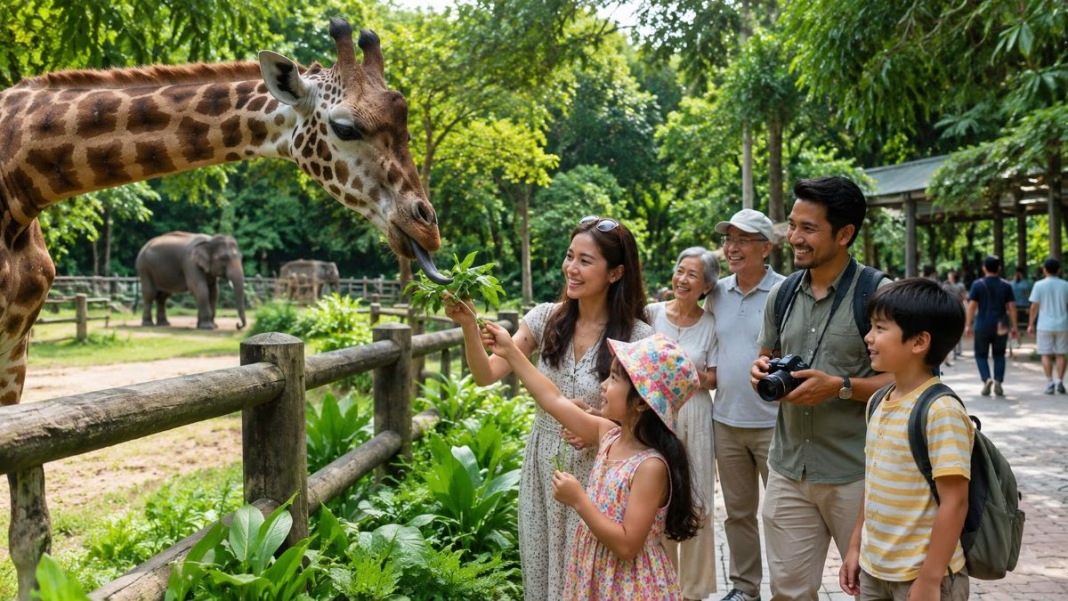


Malaysia is bringing families closer to wildlife through its zoological attractions, where encounters with elephants, orangutans, Malayan tigers, macaws and giant pandas are transforming ordinary outings into educational experiences. The country’s zoos offer opportunities to observe different species while introducing younger generations to animal behaviour, biodiversity and conservation.
From Taiping Zoo and Night Safari in Perak to Zoo Negara in Ampang Jaya, visitors can experience wildlife attractions that combine recreation, environmental awareness and family engagement. These destinations also contribute to Malaysia’s wider tourism appeal, offering memorable activities for domestic visitors and international travellers from Singapore, Thailand and Indonesia.
Advertisement
Advertisement
The growing interest in nature-based leisure activities places zoological attractions in an important position within Malaysia’s family tourism landscape. Beyond animal observation, interactive presentations, feeding sessions and educational encounters help visitors understand the importance of protecting wildlife and maintaining suitable habitats.
Malaysia’s Zoos Bring Wildlife Closer To Families
Malaysia’s zoological attractions provide opportunities for visitors to observe animals that are rarely encountered in everyday surroundings. Families can explore different exhibits, watch animals moving through their enclosures and learn about the distinctive characteristics of individual species.
At Taiping Zoo and Night Safari, visitors can observe Asian elephants enjoying a spacious open enclosure. Their size, movement and social behaviour provide an engaging experience, particularly for children encountering these animals at close range for the first time.
Zoo Negara offers another important wildlife experience in Ampang Jaya. Its collection includes animals such as the Malayan tiger, orangutans, giant pandas and colourful macaws. Together, these attractions demonstrate how wildlife observation can become an important element of family recreation.
Advertisement
Advertisement
Taiping Zoo And Night Safari Strengthen Nature-Based Tourism
Taiping Zoo and Night Safari remains an important attraction for visitors interested in experiencing wildlife in a landscaped environment. Located in Perak, the zoological destination offers opportunities to observe several animal species while enjoying an outdoor family excursion.
The presence of Asian elephants is among the notable attractions. Visitors can watch these enormous mammals moving around their enclosure, interacting with their surroundings and displaying behaviours associated with their daily routines.
For families, observing elephants provides an opportunity to understand their physical characteristics and ecological importance. Their size, feeding habits and social interactions can generate curiosity among younger visitors, encouraging questions about wildlife protection and the environments these animals require.
The attraction also contributes to Taiping’s broader visitor appeal. Nature-focused activities can complement other leisure experiences in the town, giving families additional reasons to include wildlife observation in their travel itineraries.
Zoo Negara Introduces Visitors To Malaysia’s Wildlife Diversity
Zoo Negara in Ampang Jaya provides another significant setting for wildlife education and family tourism. Visitors can explore exhibits featuring different species, including the Malayan tiger, orangutans, giant pandas and macaws.
One of the notable animals highlighted at the attraction is Jati, a Malayan tiger whose presence captures visitors’ attention. The species is particularly important to Malaysia’s natural heritage, making opportunities to understand its characteristics and conservation challenges valuable for younger generations.
Advertisement
Advertisement
Orangutans also attract considerable attention because of their expressive behaviour and physical abilities. Their movements, gestures and interactions offer visitors an opportunity to appreciate the intelligence and complexity of these primates.
Giant pandas provide another memorable attraction. Watching a panda eat bamboo introduces visitors to its distinctive dietary habits and the importance of understanding the specialised requirements of different wildlife species.
Animal Shows And Feeding Sessions Enhance Visitor Engagement
Wildlife observation becomes more informative when visitors can learn about animals through organised presentations and educational activities. At Malaysian zoos, animal shows, feeding sessions and keeper talks offer additional opportunities to understand different species.
These activities provide explanations of animal movement, feeding preferences and physical characteristics. Rather than simply viewing an animal from a distance, visitors receive information that helps them appreciate its natural behaviour.
Macaws are among the colourful animals featured during presentations at Zoo Negara. Their striking feathers and movements attract attention, particularly when they participate in activities at the amphitheatre.
For children, these experiences can make wildlife education more accessible. Seeing an animal respond to its environment creates a stronger connection than reading about the same species in a textbook.
Advertisement
Advertisement
However, educational presentations should always prioritise animal welfare. Appropriate handling, suitable environments and responsible visitor interactions remain essential considerations for zoological institutions.
Orangutans And Malayan Tigers Create Memorable Wildlife Encounters
Malaysia’s native wildlife represents an important part of the country’s natural identity. Among the animals attracting attention at zoological attractions are orangutans and Malayan tigers, both of which offer opportunities to discuss biodiversity and conservation.
Orangutans are recognised for their intelligence, expressive communication and ability to move through forest environments. Observing their behaviour can help visitors appreciate the complexity of primate life and the importance of protecting suitable habitats.
Malayan tigers represent another significant element of the country’s wildlife heritage. Their distinctive appearance and position within the natural environment make them particularly interesting to visitors.
Encounters with these animals can encourage conversations about habitat preservation, biodiversity and the pressures facing wildlife populations. Zoos therefore have an opportunity to connect public entertainment with meaningful environmental education.
Singapore Visitors Can Explore Malaysia’s Wildlife Attractions
Singapore offers a relevant regional tourism connection because of its geographical proximity to Malaysia and established cross-border travel links. Malaysian zoological attractions can provide an additional family activity for visitors planning leisure trips across the border.
Advertisement
Advertisement
For Singaporean families, destinations such as Taiping Zoo and Zoo Negara offer opportunities to experience wildlife observation alongside other Malaysian attractions. These experiences can be incorporated into longer holidays rather than treated as isolated visits.
The appeal is particularly relevant to families travelling with children. Animal exhibits, educational presentations and opportunities to observe different species can add variety to conventional shopping, dining and sightseeing itineraries.
However, travel planning should account for distances between destinations. Taiping and Ampang Jaya are separate locations, meaning visitors should consider transport arrangements and available time before including both attractions in one holiday.
Thailand Finds Regional Family Travel Opportunities In Malaysian Zoos
Thailand provides another relevant regional market for Malaysia’s family tourism sector. Travellers from Thailand exploring Malaysian destinations can consider zoological attractions as part of wider family-oriented itineraries.
Malaysia’s wildlife attractions offer an opportunity to introduce international visitors to animals associated with the country’s natural heritage. The Malayan tiger and orangutan are particularly relevant to understanding the region’s biodiversity.
For families, zoo visits can provide a different experience from traditional urban sightseeing. Children can observe animals, learn about their feeding habits and develop an appreciation for wildlife through educational activities.
Advertisement
Advertisement
The wider opportunity lies in combining nature-based attractions with accommodation, dining and other recreational experiences. Such combinations can help strengthen the appeal of family holidays while encouraging visitors to explore destinations beyond major urban centres.
Indonesia Shares A Regional Wildlife Tourism Connection
Indonesia also provides a relevant regional perspective because wildlife and biodiversity are important subjects across Southeast Asian tourism. Visitors from Indonesia travelling to Malaysia can explore zoological attractions as part of family holidays and educational excursions.
Orangutans offer a particularly meaningful connection because they are among the region’s best-known primates. Their presence in zoological environments provides opportunities to discuss habitat protection, biodiversity and the importance of responsible wildlife management.
Malaysian attractions also introduce international visitors to the Malayan tiger, giant pandas, elephants and macaws. These different species provide varied learning opportunities for families with children.
Although each country has its own wildlife attractions and conservation priorities, responsible animal education remains a shared tourism interest. Malaysia can use its zoological destinations to encourage greater awareness among international visitors while strengthening its nature-based visitor experiences.
Wildlife Education Gives Children A Different Travel Experience
One of the strongest advantages of zoo visits is their ability to combine entertainment with learning. Children often encounter animals through books, television programmes and classroom materials before seeing them in person.
Advertisement
Advertisement
A visit to a zoological attraction changes that experience. Watching an elephant move, observing an orangutan’s gestures or seeing a panda eat bamboo can make information about wildlife more understandable.
Parents also play an important role in turning these encounters into meaningful educational opportunities. Asking children about an animal’s appearance, movement and feeding behaviour can encourage observation and curiosity.
Educational sessions provide additional context by explaining the characteristics of different species. These experiences can introduce subjects such as biodiversity, animal adaptation and environmental protection without making the visit feel like a formal classroom lesson.
For Malaysian family tourism, this educational dimension offers an important advantage. A zoo visit can become an activity that appeals to different age groups while providing opportunities for shared experiences.
Responsible Wildlife Tourism Requires Greater Attention To Animal Welfare
The popularity of zoological attractions also brings attention to the responsibilities associated with keeping and displaying animals. Visitors increasingly benefit from understanding that animal welfare should remain central to the operation of any wildlife facility.
Suitable habitats, appropriate nutrition, veterinary attention and opportunities for species-specific behaviour are important considerations. Different animals have different physical and environmental requirements, making professional care essential.
Advertisement
Advertisement
Feeding sessions and animal presentations should also be managed responsibly. Visitors need clear guidance about maintaining appropriate distances, avoiding unauthorised feeding and following instructions from animal-care professionals.
For tourism destinations, responsible management is important because visitor satisfaction should not come at the expense of animal well-being. Educational programmes can help explain why conservation and welfare considerations are necessary.
Malaysian zoos can strengthen their educational contribution by communicating information about animal habitats, conservation challenges and responsible interactions. Such efforts can help visitors understand that wildlife tourism involves more than entertainment.
Malaysia’s Wildlife Attractions Support A Broader Family Tourism Experience
Malaysia’s zoological attractions contribute to the country’s diverse collection of leisure and educational experiences. They offer alternatives to conventional sightseeing by introducing visitors to animals and opportunities for environmental learning.
Taiping Zoo and Night Safari adds a wildlife-focused experience to Perak’s tourism offering, while Zoo Negara provides another important attraction within the Ampang Jaya area.
These destinations can complement family holidays that include parks, cultural attractions, shopping districts and other recreational activities. Their appeal is not limited to children, as adults can also enjoy observing animal behaviour and learning about different species.
Advertisement
Advertisement
For international visitors, zoological attractions can provide an introduction to Malaysia’s wildlife heritage. For domestic families, they offer opportunities to explore nature and encourage younger generations to develop an interest in environmental protection.
The long-term value of these attractions will depend on maintaining engaging visitor experiences while prioritising animal welfare, education and responsible management.
Key Malaysian Zoo Attractions And Their Visitor Experiences
| Attraction | Location | Highlighted Wildlife Experience |
|---|---|---|
| Taiping Zoo and Night Safari | Taiping, Perak | Asian elephants and other wildlife |
| Zoo Negara | Ampang Jaya | Malayan tiger, orangutans and giant pandas |
| Zoo Negara Amphitheatre | Ampang Jaya | Macaw presentations and animal shows |
| Zoo Negara Animal Exhibits | Ampang Jaya | Wildlife observation and educational experiences |
These attractions demonstrate how different animal exhibits and educational activities can contribute to a broader family tourism experience.
Zoo Tourism Creates Opportunities For Malaysia’s Future
Malaysia’s zoological attractions have an opportunity to strengthen their position within the country’s nature-based tourism sector. Their appeal comes from the combination of wildlife observation, family recreation and educational engagement.
The growing importance of meaningful travel experiences provides an opportunity for these destinations to attract visitors interested in learning about animals rather than simply viewing exhibits.
Improved visitor information, accessible educational programmes and responsible animal-care practices can contribute to the quality of the experience. Families benefit when attractions provide clear explanations about different species and their environmental requirements.
Advertisement
Advertisement
International visitors from Singapore, Thailand and Indonesia may also find these destinations relevant when planning family holidays in Malaysia. Their inclusion in wider travel itineraries could introduce more visitors to the country’s wildlife attractions.
Ultimately, the value of Malaysian zoos extends beyond the number of animals on display. Their contribution to public awareness, responsible wildlife education and family engagement will remain important in shaping the future of Malaysia’s zoo tourism experience.
Frequently Asked Questions
1. Which Malaysian zoos are highlighted for family tourism?
Taiping Zoo and Night Safari in Perak and Zoo Negara in Ampang Jaya are the two main attractions highlighted for wildlife observation and family experiences.
2. Where is Taiping Zoo and Night Safari located?
Taiping Zoo and Night Safari is located in Taiping, Perak, offering visitors opportunities to observe animals, including Asian elephants.
Advertisement
Advertisement
3. Where is Zoo Negara situated?
Zoo Negara is situated in Ampang Jaya and features various wildlife exhibits and educational activities.
4. Which animals can visitors observe at Zoo Negara?
Visitors can encounter animals including the Malayan tiger, orangutans, giant pandas and macaws.
5. What makes Malaysian zoos suitable for family outings?
Their combination of wildlife observation, educational activities, animal presentations and outdoor experiences makes them appealing to families with children.
Advertisement
Advertisement
6. Do Malaysian zoos offer educational activities?
Yes. Animal shows, feeding sessions and keeper talks provide opportunities to learn about animal behaviour, feeding preferences and species characteristics.
7. Why are orangutans important to Malaysia’s wildlife tourism?
Orangutans attract visitors through their intelligence, expressive behaviour and distinctive physical characteristics. They also provide opportunities to discuss biodiversity and habitat protection.
8. What can children learn during a zoo visit?
Children can learn about animal behaviour, feeding habits, habitats, biodiversity and the importance of protecting wildlife.
Advertisement
Advertisement
9. Can international tourists include Malaysian zoos in their holidays?
Yes. Visitors from Singapore, Thailand, Indonesia and other countries can consider zoological attractions as part of broader Malaysian family holidays.
10. How can Malaysian zoos contribute to responsible tourism?
They can support responsible tourism through appropriate animal care, professional management, educational programmes, suitable habitats and greater public awareness of wildlife conservation.