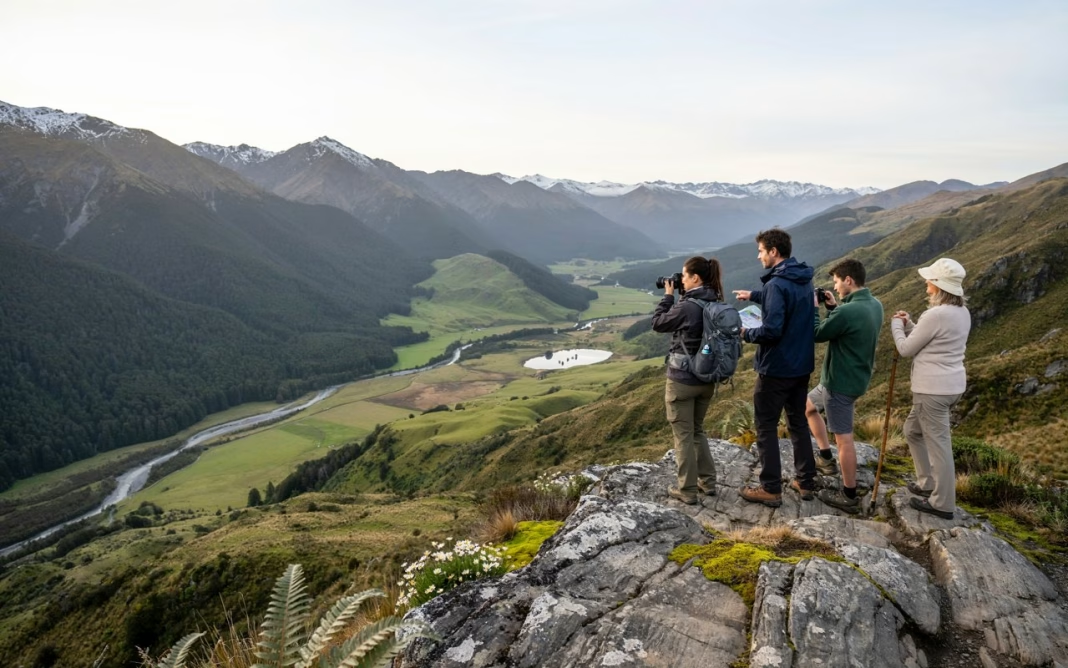


New Zealand travel alert reveals why photographing certain sacred landscapes requires special permission, exposing cultural rules that could surprise international visitors. Across this spectacular country, breathtaking mountains, ancient lakes, and dramatic coastlines carry profound Māori spiritual significance. However, capturing the perfect photograph is not always straightforward. Some protected cultural sites restrict photography, while commercial filming and drone operations may demand official approval. Waikato and Hawke’s Bay have particularly clear requirements. Meanwhile, Canterbury, Northland, and Southland encourage greater cultural awareness. Understanding these distinctions helps travelers avoid misunderstandings, respect ancestral traditions, and experience New Zealand’s extraordinary natural beauty without compromising its treasured heritage.
New Zealand Regions With Culturally Sensitive Photography Locations
| New Zealand region | Culturally significant location | Photography rules and permission requirements |
|---|---|---|
| Waikato | Lake Taupō, lakeshore marae and urupā | Explicit restrictions. Written permission is required to photograph specified lakeshore marae. Photography and publication of images of identified urupā are prohibited under Ngāti Tūwharetoa cultural guidelines. |
| Hawke’s Bay | Ātea a Rangi, Waitangi Regional Park | Commercial consent required. Images intended for commercial use require consent from the Ātea a Rangi Trust. Ordinary visitor photography is permitted under the site’s code of conduct. |
| Otago | Ngāi Tahu cultural landscapes, significant waterways and Tōpuni areas | Commercial filming consultation required where applicable. Filmmakers must address relevant Māori land permissions and cultural consultation. Ordinary landscape photography is not universally restricted. |
| Southland | Fiordland cultural landscapes, Murihiku waterways and significant Māori sites | Location-dependent permission. Commercial productions may require DOC concessions and engagement with local mana whenua. |
| Canterbury | Aoraki/Mount Cook and associated Ngāi Tahu ancestral landscapes | Cultural protocols apply. Commercial filming may require DOC approval and iwi consultation. No general prohibition on personal mountain photography was identified. |
| Bay of Plenty | Rotorua geothermal landscapes and Māori cultural attractions | Operator-specific rules. Photography conditions vary across geothermal attractions, cultural experiences and privately managed sites. |
| Northland | Te Rerenga Wairua/Cape Reinga and Māori heritage landscapes | Respect sacred areas. DOC recognises their spiritual significance. No blanket prohibition on ordinary landscape photography was established. |
| Manawatū-Whanganui | Whanganui River and culturally significant river landscapes | Site-specific checks advisable. Commercial filming may require landowner, DOC or other relevant permissions and engagement with mana whenua. |
| West Coast | Ngāi Tahu ancestral landscapes, conservation areas and culturally important waterways | Commercial-use restrictions may apply. DOC concessions and cultural consultation may be necessary. Ordinary photographs from public viewpoints are generally different from commercial productions. |
Why Are New Zealand’s Sacred Natural Landscapes Important to Māori Communities?
New Zealand’s mountains, rivers, lakes, and coastlines carry meanings extending far beyond their scenic beauty. For Māori communities, many landscapes represent ancestral connections, spiritual beliefs, and relationships established over generations.
Advertisement
Advertisement
These places are often associated with tapu, a concept describing sacredness and restrictions that guide respectful behavior. Cultural responsibilities also arise from kaitiakitanga, the guardianship of natural and cultural resources.
Consequently, photographing a landscape may involve considerations that tourists do not immediately recognize.
A mountain summit might hold ancestral significance. A lakeshore could contain burial grounds. A coastal landmark may feature prominently in traditional accounts of spiritual journeys.
However, cultural importance does not automatically prohibit photography. Restrictions depend on the specific location, land ownership, cultural protocols, and intended use of photographs.
Advertisement
Advertisement
Travelers should therefore distinguish ordinary sightseeing photography from commercial productions, drone operations, and activities involving protected cultural spaces.
This understanding supports respectful tourism while preserving opportunities to appreciate New Zealand’s remarkable natural environment.
Why Does Waikato Have Some of New Zealand’s Clearest Photography Restrictions?
Waikato provides particularly clear examples of cultural photography restrictions around Lake Taupō.
The Tūwharetoa Māori Trust Board has established guidelines protecting culturally significant lakeshore locations, including marae and burial grounds.
Under these guidelines, photographing or recording specified lakeshore marae requires written permission from the relevant marae committee.
Photography and publication of images showing identified urupā, or burial grounds, are prohibited.
Advertisement
Advertisement
These measures recognize the spiritual importance of places associated with community identity, ancestral remembrance, and traditional practices.
Importantly, the restrictions do not prevent visitors from photographing Lake Taupō itself.
Travelers can generally capture scenic views of the lake, surrounding mountains, and accessible public landscapes while respecting local regulations.
The distinction becomes particularly important for travel photographers who may unknowingly include sensitive cultural sites within wider landscape compositions.
Checking local guidance before visiting unfamiliar lakeshore areas helps protect community expectations and prevents inappropriate photography.
How Is Hawke’s Bay Protecting Cultural Heritage Through Photography Permissions?
Hawke’s Bay offers another important example through Ātea a Rangi, a culturally significant celestial compass at Waitangi Regional Park.
Advertisement
Advertisement
The site celebrates traditional Māori navigation, astronomy, and knowledge of the natural world.
Its cultural importance makes photography an issue involving both visitor enjoyment and heritage protection.
Published guidance allows ordinary visitors to take photographs while respecting the site’s code of conduct.
However, commercial use of images requires consent from the Ātea a Rangi Trust.
This distinction is especially relevant for tourism businesses, advertising agencies, professional photographers, and publishers seeking imagery for promotional purposes.
Commercial operators may also need permission for certain guided activities.
Advertisement
Advertisement
The requirements recognize that culturally significant imagery can carry commercial value beyond its visual appeal.
For visitors, the practical message is straightforward: personal photographs and commercial image use are not necessarily governed by identical rules.
Understanding that difference helps protect traditional knowledge while supporting responsible cultural tourism.
Why Do Canterbury and Northland Require Greater Cultural Awareness From Visitors?
Canterbury and Northland contain two of New Zealand’s most recognizable culturally significant natural landmarks.
In Canterbury, Aoraki/Mount Cook holds profound ancestral importance for Ngāi Tahu.
Its mountains and surrounding landscapes are closely connected with Māori traditions and cultural identity.
Advertisement
Advertisement
Visitors can generally photograph the mountain from accessible public viewpoints. However, commercial filming on conservation land may require Department of Conservation approval.
In Northland, Cape Reinga, known as Te Rerenga Wairua, occupies a particularly important place in Māori spiritual traditions.
The headland is associated with the journey of departing spirits.
Visitors are asked to respect cultural protocols, including avoiding eating at the cape and scattering ashes.
Ordinary landscape photography is not generally prohibited.
Nevertheless, commercial activities within the historic reserve require appropriate authorization.
Advertisement
Advertisement
These examples demonstrate why travelers must understand local cultural expectations without incorrectly assuming that all sacred landscapes operate under identical photography restrictions.
How Do Otago, Southland, and Tongariro Regulate Commercial Photography and Drones?
Otago and Southland contain extensive ancestral landscapes associated with Ngāi Tahu communities.
Their mountains, waterways, and conservation areas attract photographers, filmmakers, and international travelers.
Commercial productions may require landowner permission, Department of Conservation concessions, and consultation with relevant Māori authorities.
Regional filming guidance identifies culturally significant landscapes and protected areas where additional consideration is necessary.
Similar distinctions apply in Tongariro National Park, where Tongariro, Ngāuruhoe, and Ruapehu hold deep spiritual importance.
Advertisement
Advertisement
Local iwi ask visitors not to summit these mountains.
The Department of Conservation also requires permits for drone operations within the park.
However, visitors may generally photograph volcanic landscapes from permitted public walking tracks.
The rules highlight the difference between conventional sightseeing photography and activities that introduce equipment, commercial operations, or potential cultural and environmental impacts.
Travelers planning aerial photography should obtain the necessary permissions before arriving rather than assuming drone access follows ordinary camera rules.
Photography Permissions Across New Zealand: What Travellers and Publishers Must Know
| Photography activity | Is permission required? | Responsible authority |
|---|---|---|
| Personal landscape photography on an accessible public track | Generally no | Follow site-specific conditions |
| Photographing specified Lake Taupō lakeshore marae | Yes, written permission | Relevant marae committee |
| Photographing identified Lake Taupō lakeshore urupā | Photography prohibited under published cultural guidelines | Relevant cultural custodians |
| Commercial photographs at Ātea a Rangi | Yes, consent required | Ātea a Rangi Trust |
| Commercial filming on DOC-managed conservation land | Generally yes | Department of Conservation |
| Recreational drone use on public conservation land | Permit required | DOC, alongside aviation requirements |
| Commercial drone filming on conservation land | Permission required | DOC and relevant aviation authorities |
| Photographing ceremonies or people at Te Rūnanga o Moeraki marae | Permission required under local protocols | Rūnaka or relevant whānau |
| Low-impact news photography on publicly accessible conservation land | Usually exempt from a DOC filming concession, subject to conditions | DOC |
| Photography within private Māori-owned land | Landowner permission may be necessary for access and activity | Relevant landowner or authority |
Important Distinction for Travel Journalists and Content Creators
A journalist photographing a publicly accessible landscape for a news report may fall within DOC’s low-impact media exemption.
Advertisement
Advertisement
A commercial production company, advertising photographer or social media influencer does not automatically receive that exemption. Professional activities may require concessions, even when tourists can take ordinary photographs at the same location.
DOC also encourages journalists to consult local tangata whenua when working around culturally significant sites.
What Should Travelers Know Before Photographing New Zealand’s Sacred Natural Attractions?
Visitors exploring New Zealand should recognize that photography requirements depend on the location, activity, and cultural significance of the subject.
Ordinary landscape photography from accessible public areas is generally permitted unless specific restrictions apply.
However, photographing marae, burial grounds, ceremonies, or culturally protected spaces may require permission or be prohibited.
Commercial photography can involve additional approvals, particularly when images are intended for advertising, tourism promotion, or professional productions.
Advertisement
Advertisement
Drone photography requires separate consideration because conservation permits and aviation regulations may apply.
Travelers should consult the Department of Conservation, local tourism authorities, attraction operators, and relevant Māori organizations before undertaking activities in sensitive locations.
Respecting signs, remaining on designated tracks, and asking before photographing cultural ceremonies are equally important.
Ultimately, responsible photography allows visitors to appreciate New Zealand’s extraordinary scenery while recognizing that some landscapes represent living cultural heritage rather than simply beautiful tourist attractions.
This approach strengthens cultural understanding and supports sustainable tourism across the country.
New Zealand’s magnificent landscapes offer unforgettable photographic opportunities, but cultural responsibilities deserve equal attention. The central concern involves protecting Māori ancestral heritage from inappropriate photography and unauthorized commercial activity. Fortunately, travelers can generally photograph natural scenery from accessible public locations. Restrictions apply to particular sacred sites, commercial productions, and drone operations. Waikato’s protected lakeshore areas and Hawke’s Bay’s cultural attractions demonstrate why advance research matters. By checking local guidelines, seeking permission where necessary, and respecting traditional protocols, visitors can avoid unnecessary complications. Responsible photography ultimately protects cultural identity, strengthens community relationships, and ensures these extraordinary destinations remain welcoming for future generations.