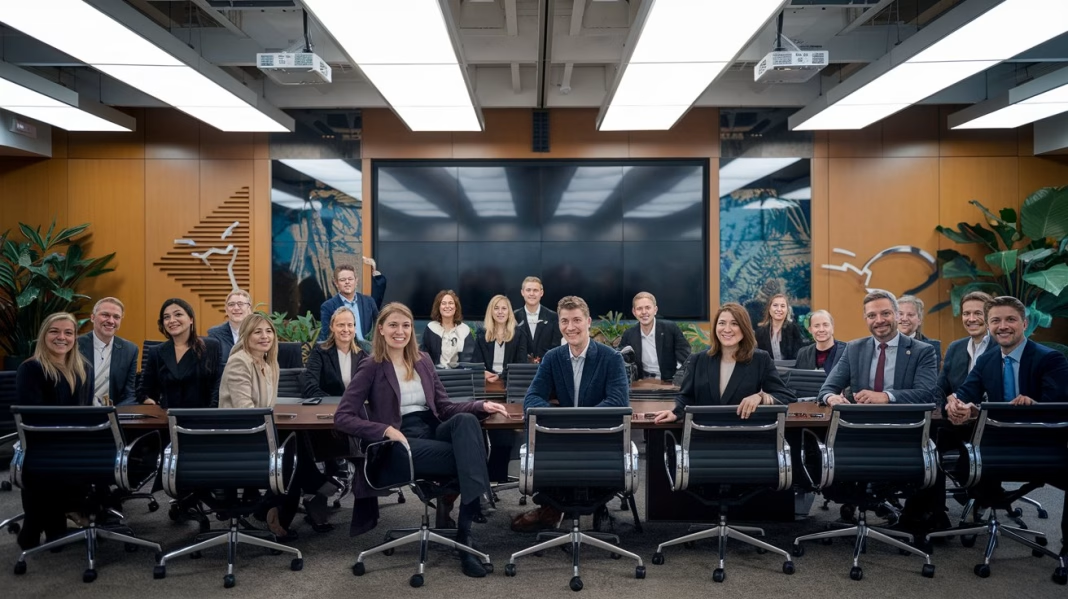


Europe’s corporate travel boom puts Lisbon, Barcelona, Copenhagen and Warsaw in the global spotlight as international conferences, expanding business networks, and rising corporate spending transform the continent’s tourism landscape. Business travel expenditure is projected to reach €389.9 billion in 2026, reflecting an 8.2% annual increase. Stronger aviation connections, advanced convention facilities, and growing technology industries are fueling demand. Established commercial capitals face increasing competition from emerging destinations. Hotels, airlines, and event organizers are benefiting from this momentum. The shift signals a major opportunity for European cities seeking international investment, year-round visitors, and a stronger position in global commerce.
European Cities Gaining Corporate Travel and Business Events Prominence
| European city | Country | Evidence of corporate travel prominence | Principal business travel drivers |
| Lisbon | Portugal | 188 ICCA meetings; ranked 1st globally in 2025 | Technology, international congresses, professional services, investment events |
| Paris | France | 174 meetings; 2nd globally | Finance, luxury, technology, pharmaceuticals, trade exhibitions |
| Barcelona | Spain | 166 meetings; 3rd globally; top-three European meetings destination in Amex GBT forecast | Technology, healthcare, manufacturing, international exhibitions |
| Vienna | Austria | 159 meetings; 4th globally | International organisations, medical congresses, research, diplomacy |
| Prague | Czech Republic | 133 meetings; 6th globally | Technology, automotive, pharmaceutical events, regional headquarters |
| Copenhagen | Denmark | 131 meetings; 7th globally; entered ICCA top ten | Life sciences, clean technology, sustainability, corporate conventions |
| London | United Kingdom | 124 meetings; 8th globally; leading overseas corporate destination for US companies in Navan data | Finance, consulting, technology, legal services |
| Berlin | Germany | 112 meetings; 12th globally | Start-ups, digital industries, research, exhibitions |
| Madrid | Spain | 108 meetings; 13th globally | Financial services, corporate headquarters, technology, international trade |
| Brussels | Belgium | 105 meetings; 14th globally | EU institutions, public affairs, consulting, regulatory meetings |
| Rome | Italy | 101 meetings; 16th globally | Government, international organisations, medical conferences |
| Athens | Greece | 100 meetings; 17th globally | Shipping, international conventions, energy, professional services |
| Dublin | Ireland | 95 meetings; joint 18th globally | Technology, financial services, pharmaceuticals, multinational headquarters |
| Istanbul | Türkiye | 95 meetings; joint 18th globally | International trade, aviation, manufacturing, regional business events |
| Amsterdam | Netherlands | 91 meetings; joint 19th globally; top European corporate flight destination in BCD data | Financial services, technology, logistics, multinational business |
| Warsaw | Poland | 75 meetings, up 13; 28th globally, up 3 places | Business services, technology, finance, regional headquarters |
| Kraków | Poland | 44 meetings, down 5; 61st globally | Shared services, technology, research, conferences |
| Gdańsk | Poland | 28 meetings, up 14; 97th globally, up 70 places | Logistics, maritime industries, technology, conventions |
| Poznań | Poland | 19 meetings, up 9; 141st globally, up 91 places | Trade fairs, manufacturing, business services |
| Wrocław | Poland | 19 meetings, up 1; 141st globally | IT, manufacturing, business services, research |
| Łódź | Poland | 9 meetings, up 3; 280th globally, up 43 places | Manufacturing, logistics, business services |
| Porto | Portugal | Identified as a significant market-share gainer in the 2025 ICCA analysis | Technology, professional services, congresses, business events |
Why Are European Cities Becoming More Attractive to Corporate Travelers?
Europe’s growing appeal as a corporate travel destination reflects the continued importance of in-person business relationships, international collaboration, and industry-specific conferences. Companies are investing in meetings, exhibitions, employee training, and client engagement, supporting demand across established commercial centers and emerging destinations.
Advertisement
Advertisement
The GBTA forecasts European business travel expenditure will increase to €414.5 billion in 2027. This anticipated growth suggests that corporate mobility will remain an important contributor to the region’s visitor economy.
Cities with international airports, modern convention facilities, and strong business ecosystems are particularly well positioned to benefit. Lisbon and Barcelona attract international congresses, while Copenhagen benefits from its life sciences and sustainability industries.
Advertisement
Advertisement
Meanwhile, Central European cities are building their profiles through technology, manufacturing, and business services.
The expansion also creates opportunities for hotels and airlines. Corporate travelers generate demand for accommodation, meeting facilities, and transport throughout the year, helping destinations reduce their dependence on traditional vacation seasons.
Advertisement
Advertisement
How Are Lisbon, Barcelona, and Copenhagen Strengthening Their Global Positions?
Lisbon, Barcelona, and Copenhagen have established themselves among Europe’s most prominent international meetings destinations, supported by specialized industries and extensive conference infrastructure.
According to the International Congress and Convention Association’s 2025 rankings, published in 2026, Lisbon hosted 188 qualifying international association meetings, placing it first globally. Barcelona followed with 166 meetings, securing third place worldwide.
Advertisement
Advertisement
Lisbon benefits from its expanding technology ecosystem, international professional services, and convention facilities. Barcelona combines healthcare, manufacturing, technology, and international exhibitions to attract business visitors.
Copenhagen recorded 131 qualifying meetings, placing seventh globally and entering the top ten. Its strengths in pharmaceuticals, renewable energy, and sustainability contribute to its international appeal.
These figures measure association meetings rather than total corporate arrivals. Nevertheless, they demonstrate the cities’ substantial roles in Europe’s business events industry.
Their continued prominence also benefits hospitality operators, event organizers, and transport providers serving international delegates.
Advertisement
Advertisement
Why Are Warsaw, Gdańsk, and Poznań Emerging as Important Business Destinations?
Poland is gaining attention within Europe’s international meetings industry, with Warsaw, Gdańsk, and Poznań demonstrating measurable growth in conference activity.
According to the Poland Convention Bureau’s analysis of ICCA data, Warsaw hosted 75 qualifying international association meetings in 2025, compared with 62 in 2024. This represented an increase of approximately 21%.
Gdańsk recorded particularly strong growth, doubling its meeting count from 14 to 28. The city also advanced 70 places in the global rankings.
Poznań increased its meeting total from 10 to 19, representing 90% growth, and climbed 91 ranking positions.
These developments reflect the increasing visibility of Polish cities within international business events networks.
Warsaw’s financial and technology sectors support its corporate appeal, while Gdańsk benefits from maritime industries and logistics. Poznań’s manufacturing base and trade exhibition infrastructure provide additional opportunities.
Advertisement
Advertisement
Although these destinations operate on a smaller scale than Europe’s leading convention capitals, their recent gains indicate growing competitiveness.
European Corporate Travel Destinations by Industry and Commercial Opportunity
| Industry | European cities to monitor | Business travel demand drivers | Commercial opportunities |
|---|---|---|---|
| Financial services | London, Frankfurt, Paris, Amsterdam, Zurich | Banking, investment, consulting, corporate meetings | Premium business hotels, executive transport |
| Technology and AI | London, Berlin, Dublin, Lisbon, Amsterdam, Warsaw | Technology conferences, start-ups, client meetings | Extended-stay hotels, flexible meeting spaces |
| Pharmaceuticals and healthcare | Basel, Copenhagen, Barcelona, Vienna, Dublin | Medical congresses, research, clinical collaboration | Conference accommodation, group bookings |
| Automotive and manufacturing | Munich, Stuttgart, Prague, Poznań, Milan | Industrial exhibitions, supplier meetings, factory visits | Airport hotels, corporate contracts |
| EU policy and international affairs | Brussels, Strasbourg, Luxembourg, Geneva | Regulatory meetings, diplomacy, institutional conferences | Business accommodation, meeting venues |
| Renewable energy and sustainability | Copenhagen, Oslo, Stockholm, Hamburg | Clean-energy projects, sustainability conventions | Sustainable accommodation, business events |
| Maritime and logistics | Rotterdam, Hamburg, Antwerp, Gdańsk, Istanbul | Port operations, shipping, supply-chain meetings | Corporate accommodation, trade exhibitions |
| Business services and outsourcing | Warsaw, Kraków, Wrocław, Bucharest, Budapest | Shared-service operations, multinational collaboration | Midscale hotels, longer corporate stays |
| International conventions | Lisbon, Paris, Barcelona, Vienna, Prague | Association congresses, trade events, exhibitions | Convention hotels, destination management |
| Aviation and international trade | Istanbul, Frankfurt, Amsterdam, Madrid | Aviation partnerships, international sales, trade connections | Airport hotels, conference facilities |
Which Established European Business Capitals Continue to Dominate Corporate Travel?
London, Paris, Amsterdam, Frankfurt, and Brussels continue to occupy important positions in Europe’s corporate travel market because of their financial institutions, multinational companies, and international connectivity.
London remains particularly significant for transatlantic business travel. Corporate booking data published by Navan identified the British capital as the leading international destination for US corporate travelers in its dataset.
Paris ranked second globally in the ICCA’s 2025 city rankings, recording 174 qualifying international association meetings. Vienna also maintained a strong position, ranking fourth with 159 meetings.
Amsterdam remains a major corporate aviation destination, supported by its international business community and extensive air connections.
Brussels attracts institutional and regulatory travel associated with European Union activities, while Frankfurt serves major financial and commercial industries.
Advertisement
Advertisement
These cities benefit from established corporate infrastructure and international business relationships.
However, growing competition from smaller European destinations demonstrates that corporate travel opportunities are increasingly distributed across different markets rather than concentrated exclusively in traditional financial capitals.
What Does Europe’s Corporate Travel Expansion Mean for Hotels, Airlines, and Tourism?
Europe’s corporate travel expansion presents significant opportunities for the wider hospitality and tourism industries, particularly as business meetings and international events generate demand outside traditional vacation periods.
GBTA estimates that European business travelers spend approximately €850.70 per trip, with accommodation accounting for the largest expense category.
This spending supports hotels, restaurants, transportation companies, and conference facilities in cities attracting international delegates.
Air connectivity is another important factor. American Express Global Business Travel’s April 2026 research identified expanding corporate travel corridors involving Brussels, Helsinki, Munich, London, and Barcelona.
Advertisement
Advertisement
Growing business connections can strengthen demand for convenient flight schedules, airport services, and accommodation near commercial districts.
Looking ahead, Lisbon, Barcelona, Copenhagen, and Warsaw appear well positioned to maintain their international business events appeal, while Gdańsk and Poznań offer emerging opportunities.
Europe’s business travel market is entering a promising period of expansion as companies prioritize international meetings, industry conferences, and commercial partnerships. Lisbon and Barcelona retain their leadership in international conventions, while Copenhagen strengthens its position through innovation and sustainability. Warsaw is gaining recognition alongside emerging Polish destinations such as Gdańsk and Poznań. Rising corporate expenditure creates opportunities for airlines, hotels, and local economies. However, sustained success depends on reliable air connectivity, competitive accommodation, and modern conference infrastructure. As business travel patterns evolve, destinations that combine accessibility, specialized industries, and efficient visitor services are positioned to capture greater demand.