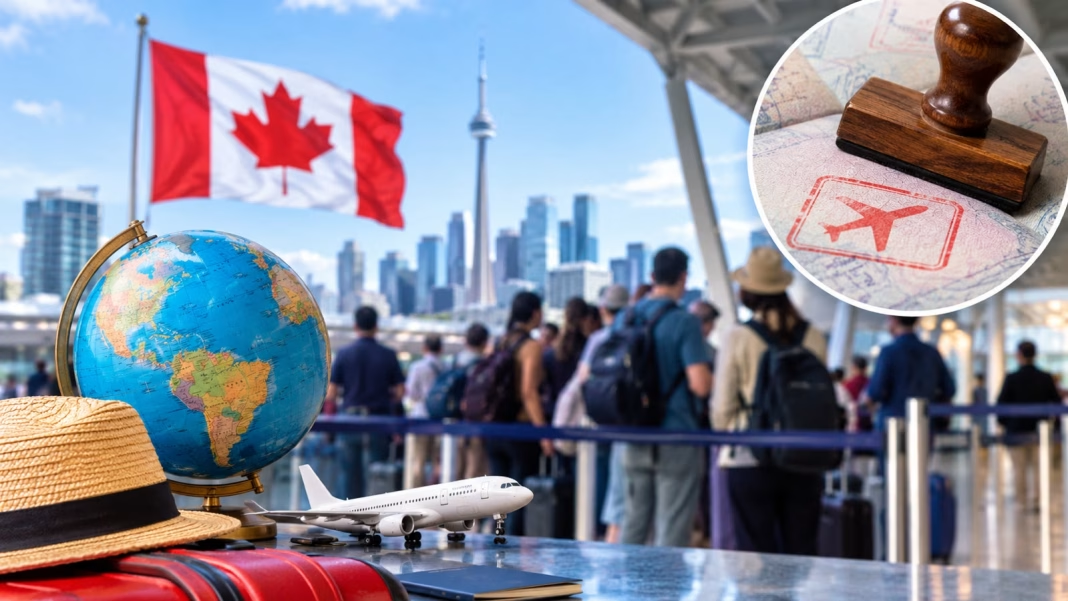


Strict visa requirements are causing Canada and several other countries to lose business from tourists worldwide. Potential tourists are becoming frustrated with lengthy processing times and complicated diplomatic processes. They are being put off visiting these countries due to large backlogs in appointments and strict processing criteria. Potential high-spending tourists are being put off visiting far-flung destinations due to long queues at the consular office. The consular office is becoming busy with large volumes of applications and therefore people are becoming frustrated. This has resulted in large amounts of money being lost to friendly countries offering quick e-visas or visa free options.
Excessive visa interview wait times, high rejection rates, escalating application fees, and volatile processing policies severely damage international destination competitiveness. The United States, Canada, the United Kingdom, and Thailand are currently experiencing significant economic losses in their tourism sectors as prospective global travellers abandon trip plans or divert billions in holiday spending toward countries offering seamless, fast, or visa-free entry.
Why Is the United States Losing Billions to Excessive Interview Wait Times?
The United States is suffering massive revenue losses in international tourism due to multi-hundred-day wait times for B1/B2 visitor visa interviews. Prominent origin markets experience backlogs that force holidaymakers to abandon American travel entirely. International visitors choose accessible destinations with predictable timelines, depriving domestic businesses of lucrative tourism expenditure.
The American hospitality and leisure sector is facing structural headwinds as foreign travellers actively seek alternatives to lengthy consular queues. Consular staffing shortages and systemic administrative bottlenecks have driven visitor visa interview wait times well beyond several hundred days across high-demand international markets. Consequently, high-spending leisure travellers and business delegations are choosing to redirect their itineraries toward Europe, the Middle East, or South East Asia. Industry reports highlight that the country loses billions of dollars annually in lost retail, accommodation, and aviation spend. While alternative regions streamline digital entry, the rigid processing framework of the United States suppresses long-haul travel recovery. To regain its global market share, federal agencies must implement comprehensive staffing recalibrations and modernise appointment systems. Without aggressive operational interventions, potential visitors will continue avoiding American destinations.
“Severe processing delays and strict immigration barriers are causing immense damage to the global travel sector. When international holidaymakers face months of administrative uncertainty, non-refundable fees, and sudden rejections, they simply choose destinations that welcome them with open arms. Countries that fail to streamline their visitor entry channels are actively handing over billions in tourism revenue, hotel bookings, and retail sales to smarter, more accessible competitors. In an era where seamless travel is expected, countries clinging to outdated visa systems will continue to lose out on global tourist spending.”
— Anup Kumar Keshan, Founder and Editor-in-Chief, Travel And Tour World
Advertisement
Advertisement
How Are Strict Rejection Rates Costing Canada Its Global Travel Share?
Canada is forfeiting significant tourism market share because of exceptionally high refusal rates for temporary resident visas. Applicants frequently receive rejections based on broad non-intent to return parameters despite submitting thorough financial records. This unpredictable vetting process forces tour operators to cancel major international group itineraries and family trips.
Canada’s international tourism trajectory is increasingly hindered by opaque vetting standards and escalating visa refusal metrics. Prospective visitors who invest substantial time and money into complete applications frequently encounter arbitrary rejections citing insufficient proof of domestic ties. This uncertainty severely damages the country’s reputation among key long-haul travel markets across Asia and Latin America. Destination marketing organisations report that corporate conventions, wedding groups, and multi-generational tours are systematically migrating to jurisdictions that provide greater approval predictability. The resulting financial damage extends far beyond airlines to local hospitality workers, regional transit operators, and municipal cultural attractions. As global travellers prioritize destinations with transparent and reliable entry requirements, Canada’s stringent immigration stance actively undermines its tourism recovery efforts. Establishing clear evaluation criteria and reducing processing backlogs remain essential steps to restore international confidence and rebuild lost tourism revenue.
For official travel guidelines and border entry details, consult government portals such as GOV.UK Visa Services
or the official government immigration pages of the respective destination countries before booking your trip.
What Makes the United Kingdom’s Expensive Visa Framework Deter Visitors?
The United Kingdom is losing market share to continental European rivals owing to high visa fees, complex paperwork, and strict financial scrutiny. Non-refundable application costs paired with stringent banking checks intimidate first-time travellers. Tourists prefer Schengen countries that allow multi-nation entry on a single, affordable, and straightforward visa.
The United Kingdom’s visitor visa ecosystem creates substantial friction for international tourists considering British destinations. High non-refundable visa fees combined with exhaustive documentation demands make travelling to Britain a costly and risky endeavour. Furthermore, complex evidentiary rules regarding banking statements and employment records frequently result in refusals for genuine holidaymakers. Consequently, leisure travellers from emerging middle-class markets increasingly bypass Britain in favour of the Schengen Area, where a single visa opens access to dozens of interconnected European destinations. Luxury retailers, regional hoteliers, and historical heritage sites continue to feel the economic impact of reduced visitor numbers. Without significant reforms to fee structures and procedural complexity, the UK risks losing further ground to nearby global travel hubs. Simplifying entry clearance will be vital to remaining competitive in international tourism.
Can Volatile Policy Shifts Harm Thailand’s Traditional Tourism Appeal?
Thailand’s tourist economy faces sudden disruptions from changing entry regulations, digital portal delays, and shifting visa-on-arrival mandates. Administrative uncertainty causes travel agencies to pull back on bulk holiday packages. Regional competitors offering hassle-free or visa-free travel are capturing displaced tourists seeking reliable holiday planning.
Advertisement
Advertisement
Thailand’s global tourism market position faces recurring instability driven by unpredictable entry guidelines and digital infrastructure delays. Frequent revisions to visa-on-arrival policies, coupled with occasional portal glitches during peak booking seasons, leave global travel providers hesitant to commit to large-scale tour itineraries. When prospective travellers encounter technical bottlenecks or ambiguous entry rules, they swiftly rebook their holidays in competing South East Asian destinations. Neighboring countries like Vietnam and Malaysia have leveraged this policy friction by establishing clear, open-door visa regimes that attract budget and luxury travellers alike. The resulting volatility impacts local hospitality providers, independent transport networks, and coastal resort ecosystems that rely heavily on consistent arrivals. To safeguard its position as a world-class travel hub, Thailand must deliver policy consistency, maintain resilient digital infrastructure, and streamline entry protocols. Ensuring reliable immigration processes will be key to protecting the nation’s long-term tourism economy.
Comparative Overview: Impact of Visa Friction on Global Tourism
| Country | Core Visa Obstacles | Key Competitor Beneficiaries | Economic & Industry Consequences |
| United States | Multi-hundred-day wait times for B1/B2 tourist visa interviews; severe consular backlog in high-growth key markets. | Schengen Area (France, Spain, Germany), Turkey, United Arab Emirates, South East Asia. | Multi-billion dollar loss in long-haul international visitor spending, hotels, retail, and domestic airlines. |
| Canada | Exceptionally high Temporary Resident Visa (TRV) rejection rates (over 40–50%); opaque intent-to-return screening. | United States, Schengen Nations, Australia, United Kingdom. | Cancellation of international conventions, weddings, and group tours; severe loss to regional transit and local hospitality. |
| United Kingdom | High non-refundable fees (£135+ for 6-month short-term visit); exhaustive financial & bank history scrutiny. | Schengen Area (Single visa offers multi-country travel across 29 European nations). | Diverted luxury spending; reduced short-term leisure arrivals from high-spending emerging middle-class markets. |
| Thailand | Policy volatility, shifting visa-on-arrival mandates, e-Visa portal delays, and changing exemption regimes. | Vietnam, Malaysia (Offering streamlined, hassel-free, or open visa-free entry). | Disrupted bulk tour bookings; loss of key market share across South & South East Asian tourist segments. |
A lack of staff in a system, large amounts of paperwork and tight security checks cause many delays. Often consular services are unable to cope with the increased demand for travel worldwide during different seasons.
Large amounts of money are lost by the tourist industry as potential tourists decide not to take non-refundable holidays due to the uncertainty of visas. As the delays are unpredictable, tourists will often decide to go somewhere else that is easier to enter.
Countries such as Canada are losing money from tourists worldwide due to strict visa requirements, as modern tourists are more likely to want easy and quick ways to book their holidays. Unpredictable reasons for rejection and long waiting times cause customers to lose trust in the service, therefore losing crucial holiday money to other countries.