

September 10, 2026 09:54 GMT+5:30
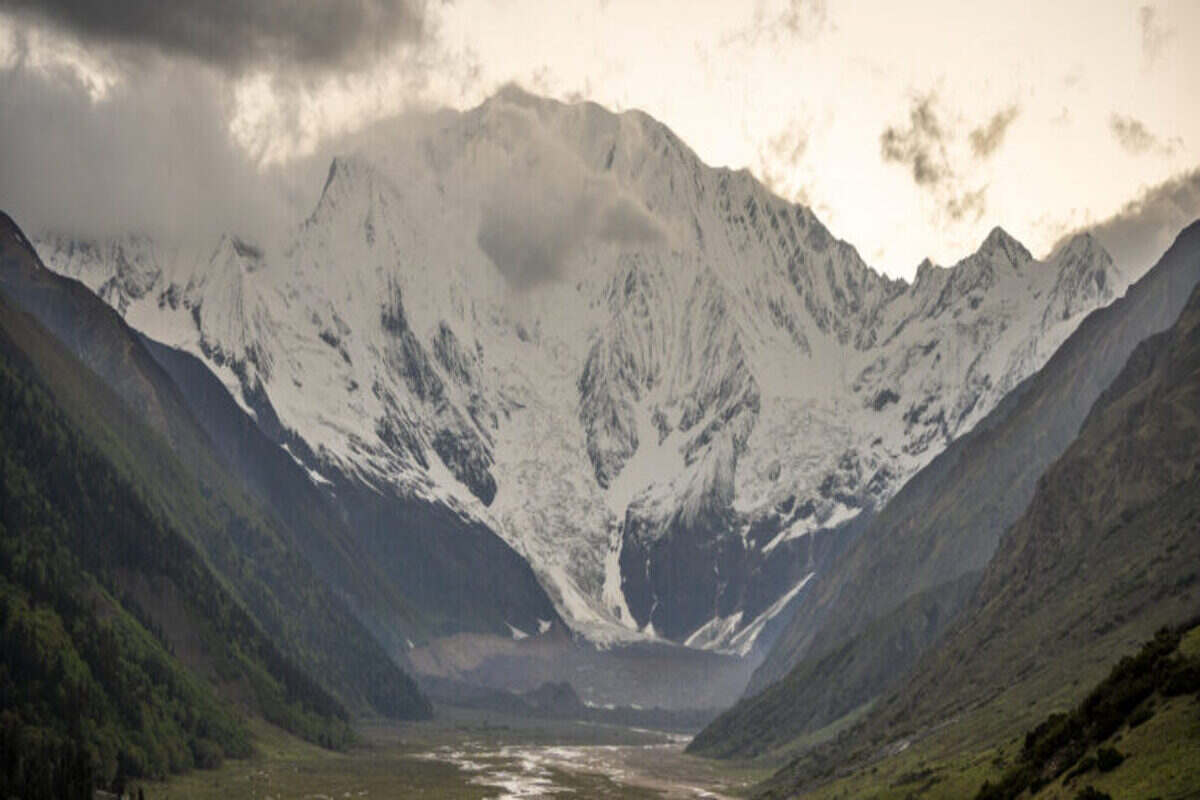
Image generated with Ai
The growing conflict between farm animals and wildlife in rural Nepal threatens to impact not just farmers, but traditional forms of tourism as well. Nepal’s breathtaking mid-hill terraces with picturesque farming and quaint villages with views of the Himalayas are renowned for their beauty. This scenic countryside is now facing a new challenge that threatens to impact rural tourism. This conflict between farm animals and wildlife has intensified so much that farmers and their communities that sustain Nepal’s rural economy, rural tourism and cultural heritage are now affected.
For generations, farmers across Nepal’s hills have transformed steep slopes into productive agricultural terraces where maize, millet, rice, potatoes and other crops are grown. These landscapes are not only important for food production but also form the foundation of many rural tourism experiences, including village stays, trekking routes and cultural journeys.
However, as wildlife populations recover and natural habitats overlap more with farmland, many communities are struggling to protect their crops while maintaining peaceful coexistence with animals. The rising human-wildlife conflict is creating new concerns for sustainable tourism, conservation efforts and the future of Nepal’s mountain villages.
Nepal’s iconic hill landscapes face growing pressure from wildlife and changing rural life
Nepal’s mid-hill regions are known for their dramatic agricultural terraces that cover mountain slopes where flat land is limited. These farming systems have supported rural communities for centuries by conserving soil, managing water and producing essential crops in challenging environments.
Advertisement
Advertisement
Today, these same landscapes are experiencing increasing pressure from wildlife movement. Animals that once remained mainly within forests are increasingly entering cultivated areas, creating difficulties for farming families and changing the relationship between people and nature.
Rhesus macaques have become one of the most challenging species for farmers. Large groups often enter agricultural fields and destroy crops that families depend on for food and income. Their presence is particularly difficult during harvesting periods when farmers are preparing supplies for the coming months.
Other wildlife species also contribute to agricultural losses. Wild boars damage fields by digging through soil and destroying crops, while Indian crested porcupines often attack farms during the night when communities have fewer options to protect their harvest.
For rural tourism, these challenges are significant because Nepal’s villages are closely connected with agriculture. Visitors travelling through trekking areas often experience traditional farming lifestyles, local food production and community-based tourism activities. When farming becomes less profitable or communities leave their land, the cultural landscapes that attract travellers may also face long-term changes.
Wildlife crop damage creates economic challenges for Nepal’s farming communities
The scale of wildlife-related agricultural losses has become a serious concern in Nepal’s mid-hills. Conservation research has recorded thousands of rhesus macaques in areas where conflict with farming communities is particularly severe.
Surveys conducted across affected regions found that wildlife damage has created major financial losses for households. Many farming families reported losing significant portions of their maize harvest due to monkey raids, reducing both food security and household income.
For communities that depend heavily on agriculture, crop destruction creates problems far beyond damaged fields. A lost harvest can mean less food available for families and fewer products to sell in local markets.
These challenges can also influence tourism. Nepal’s rural tourism model depends heavily on strong local communities that provide accommodation, food, cultural activities and guiding services. If farming families struggle economically, their ability to participate in tourism-related businesses may weaken.
Village tourism, homestays and trekking routes often depend on communities maintaining traditional lifestyles. Protecting agriculture therefore becomes an important part of protecting Nepal’s wider tourism economy.
Rural migration leaves fewer people available to protect farmland
Another factor increasing wildlife pressure is the movement of younger generations away from rural areas. Many young people leave villages for education, employment opportunities and better access to healthcare and services.
This migration is changing Nepal’s agricultural landscape. Fields that were once managed by larger families now often depend on fewer people, many of whom are older farmers.
When fewer residents remain in villages, protecting crops becomes more difficult. Wildlife can enter farmland more easily when there are fewer people available to monitor fields and respond quickly.
The connection between migration and wildlife conflict creates a difficult cycle. Crop losses make farming less attractive, while fewer farmers make it harder to protect remaining agricultural land.
For tourism, this rural transformation presents both challenges and opportunities. Nepal’s mountain villages remain highly attractive destinations for travellers seeking authentic cultural experiences, but maintaining vibrant communities is essential for long-term tourism development.
Without enough local residents, traditional farming practices, local cuisine production and cultural activities could gradually decline.
Human-wildlife conflict is changing daily life in Nepal’s mountain villages
For many farmers, protecting crops has become a daily responsibility. When macaque groups approach farmland, residents often use traditional methods such as making loud noises, using sticks or creating barriers to drive them away.
However, these methods require constant attention. Wildlife can move from one field to another, forcing farmers to spend hours monitoring their crops instead of focusing on other work.
Night-time threats create additional difficulties. Porcupines and wild boars often enter fields after dark, making protection more complicated.
In some areas, frustration over repeated losses has resulted in harmful responses against wildlife. Conservation groups have highlighted cases where unsafe methods were used to control animal movements, creating risks for both wildlife and people.
Improving awareness of legal support systems is also important. Many affected farmers remain unaware that compensation programmes exist to support households facing wildlife-related losses.
Better information, easier access to support and stronger community conservation programmes could help reduce tensions between rural communities and wildlife.
Protecting Nepal tourism requires a balance between conservation and community needs
Nepal’s wildlife conflict highlights a wider challenge faced by many destinations around the world: protecting biodiversity while ensuring local communities benefit from conservation.
Forests and wildlife are important attractions for Nepal’s tourism industry. National parks, mountain ecosystems and biodiversity-rich regions attract thousands of international visitors every year. However, conservation policies must also consider the needs of people living alongside protected landscapes.
Increasing forest coverage alone does not always guarantee a balanced ecosystem. The type of vegetation available inside forests can influence wildlife behaviour. If natural food sources are limited, animals may move closer to farms in search of easier food supplies.
Creating healthier forest ecosystems with native fruit-bearing trees could provide alternative food sources for wildlife and reduce pressure on agricultural land.
Community-based conservation, wildlife-friendly farming methods and improved tourism planning could help create a stronger connection between environmental protection and rural economic development.
Sustainable tourism solutions could help Nepal’s villages protect nature and livelihoods
Addressing wildlife conflict in Nepal will require multiple solutions working together. No single approach can completely remove the challenges faced by farming communities.
Possible strategies include promoting crops that are less attractive to wildlife, improving community monitoring systems, expanding compensation awareness and restoring natural forest habitats.
For Nepal’s tourism sector, supporting these solutions could help protect some of the country’s most valuable rural destinations. Trekking villages, cultural routes and mountain communities depend on healthy landscapes and strong local participation.
Travellers increasingly seek destinations that protect nature while supporting local communities. Nepal’s ability to manage human-wildlife conflict could become an important part of its sustainable tourism future.
The challenge is complex, but protecting both wildlife and rural livelihoods offers an opportunity to strengthen Nepal’s position as a destination where conservation, culture and tourism can exist together.
By supporting communities living in mountain landscapes, Nepal can preserve not only its biodiversity but also the traditional village experiences that continue to attract travellers from around the world.
Advertisement
Advertisement