

September 10, 2026 10:00 GMT+5:30
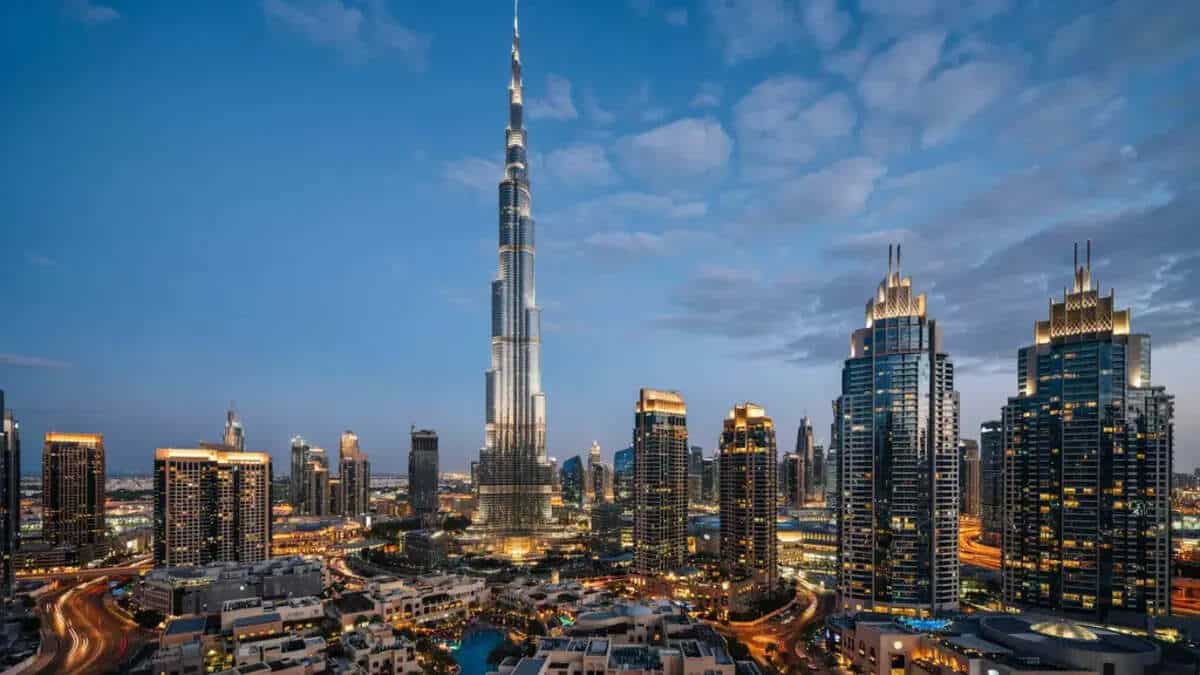
Image generated with Ai
Tourism in Saudi Arabia will benefit from collaborations of GCC with the UAE and Qatar through improved regional connections. The efforts of Saudi Arabia in transforming its tourism sector continue to gain momentum in 2026 due to the strengthening of regional travel ties, investments and visitor flow between the Kingdom and the United Arab Emirates, Qatar and other GCC member states, which will enable the Kingdom to achieve its aim of becoming a global tourist destination. As per the Saudi Vision 2030, Saudi Arabia intends to expand into luxurious destinations and tourism attractions.
The growing relationship between Saudi Arabia and its Gulf neighbours is creating a connected tourism ecosystem where visitors can combine multiple Middle East destinations in a single journey. The GCC countries are increasingly supporting Saudi Arabia’s tourism growth through aviation links, regional travel demand, investment partnerships and shared tourism opportunities.
| Country | How It Supports Saudi Arabia Tourism in 2026 | Key Tourism Impact |
|---|---|---|
| United Arab Emirates | Regional aviation hub, luxury tourism cooperation, GCC connectivity | Drives visitor flows from global markets |
| Qatar | Business, leisure and event tourism links | Strengthens Gulf travel networks |
| Bahrain | Cross-border tourism and weekend travel | Boosts family and short-break tourism |
| Oman | Adventure and nature tourism connections | Supports multi-destination Gulf holidays |
| Kuwait | Family, leisure and religious travel demand | Expands regional visitor base |
| Egypt | Religious, cultural and regional tourism exchange | Supports Arab and international visitor movement |
UAE Leads Gulf Support as Dubai and Abu Dhabi Connect Global Travellers With Saudi Arabia
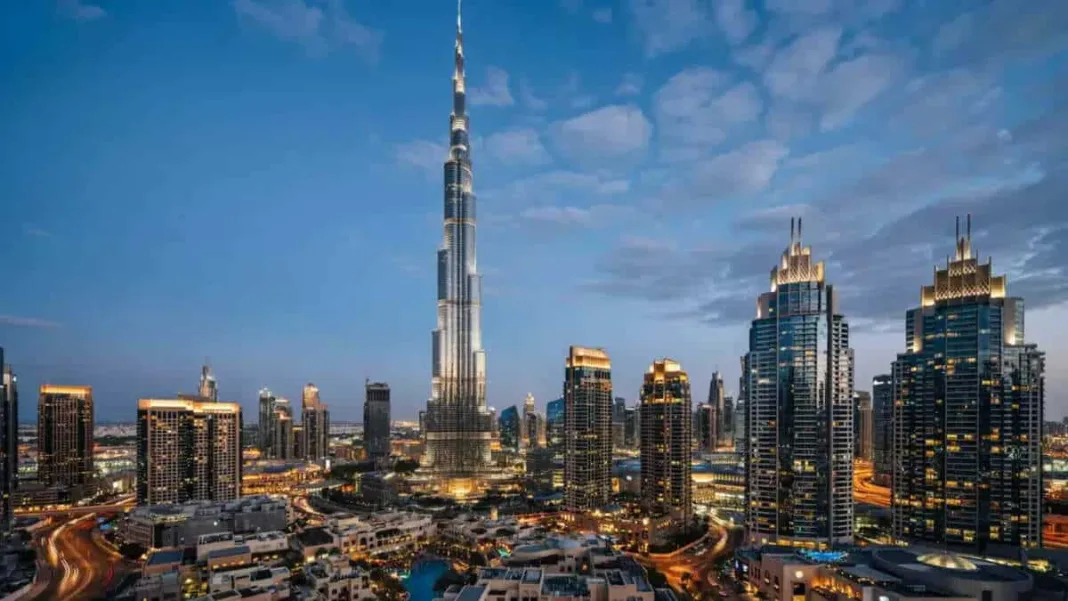
The United Arab Emirates remains one of the most important countries supporting Saudi Arabia’s tourism expansion in 2026. With Dubai and Abu Dhabi operating as some of the world’s busiest aviation and tourism hubs, the UAE provides a major gateway for international travellers entering the Gulf region.
Saudi Arabia benefits from the UAE’s:
Advertisement
Advertisement
- Strong airline connectivity
- International visitor network
- Luxury tourism experience
- Hospitality expertise
- Regional travel partnerships
Travellers arriving in Dubai or Abu Dhabi can increasingly extend their journeys to Saudi destinations including Riyadh, Jeddah, AlUla and the Red Sea. This creates a wider Gulf travel circuit instead of a single-country holiday experience.
The UAE’s own tourism success also complements Saudi Arabia’s ambitions. Both countries are focusing on premium tourism, entertainment, business events and luxury hospitality as part of broader economic diversification strategies.
Qatar Strengthens Saudi Tourism Through Regional Connectivity and Visitor Exchange
Qatar is becoming another important partner in Saudi Arabia’s tourism growth story. Following stronger Gulf relations, Qatar and Saudi Arabia are expanding cooperation across travel, transport and economic sectors.
Qatar supports Saudi tourism through:
Advertisement
Advertisement
- Increased Gulf visitor movement
- Aviation connectivity through Doha
- Business and event tourism links
- Regional travel packages
Doha’s position as a global aviation hub helps increase awareness of Gulf destinations, while Saudi Arabia provides additional cultural, heritage and leisure experiences for travellers seeking longer Middle East itineraries.
The connection between Qatar and Saudi Arabia is especially valuable for visitors interested in combining modern Gulf cities with heritage destinations, desert experiences and luxury resorts.
Bahrain Boosts Saudi Arabia Tourism Through Easy Cross-Border Travel
Bahrain plays a unique role in Saudi Arabia’s tourism growth because of its geographical proximity and strong visitor connections.
The country supports Saudi tourism through:
- Weekend tourism
- Family holidays
- Shopping trips
- Entertainment travel
- Road connectivity
The King Fahd Causeway creates one of the region’s strongest tourism links, allowing visitors to move easily between Bahrain and Saudi Arabia.
For Saudi Arabia, Bahrain represents a valuable source market for short-stay travellers who contribute to hotels, restaurants, attractions and entertainment venues.
Oman Supports Saudi Tourism With Adventure and Nature Tourism Links
Oman is helping strengthen Saudi Arabia’s position as part of a wider Gulf adventure tourism network.
Both countries offer complementary experiences:
| Saudi Arabia | Oman |
|---|---|
| AlUla heritage landscapes | Historic forts and mountain villages |
| Red Sea marine tourism | Coastal and diving experiences |
| Desert adventures | Wadi and nature tourism |
| Luxury resorts | Eco-tourism experiences |
The connection between Saudi Arabia and Oman creates opportunities for multi-country travel packages targeting international visitors seeking nature, culture and outdoor experiences.
Kuwait Expands Saudi Tourism Through Family and Leisure Travel
Kuwait remains an important regional visitor market for Saudi Arabia.
Kuwaiti travellers contribute to Saudi tourism through:
- Religious journeys
- Family visits
- Entertainment tourism
- Shopping experiences
- Seasonal events
Improved regional travel systems and stronger Gulf cooperation are helping increase visitor movement between Kuwait and Saudi Arabia.
For Saudi destinations, Kuwait provides a reliable nearby market that supports year-round tourism demand.
Egypt Strengthens Saudi Arabia Tourism Through Cultural and Religious Travel
Egypt continues to play an important role in Saudi Arabia’s tourism ecosystem because of its strong cultural and historical links.
Egypt supports Saudi tourism through:
- Religious travel
- Cultural exchanges
- Business tourism
- Family visits
Saudi Arabia remains one of the world’s most important destinations for Muslim travellers, while Egypt contributes a large regional tourism market with strong connections to the Kingdom.
The relationship also creates opportunities for combined tourism experiences linking Egyptian heritage destinations with Saudi Arabia’s emerging attractions.
GCC Unified Tourism Approach Could Transform Regional Travel
One of the biggest developments expected to support Gulf tourism growth is the planned GCC Unified Tourist Visa, designed to make travel across Saudi Arabia, UAE, Qatar, Bahrain, Kuwait and Oman easier.
The initiative aims to encourage visitors to explore multiple Gulf destinations during one trip.
| Current Travel Model | Future GCC Tourism Model |
|---|---|
| Single-country holidays | Multi-country Gulf journeys |
| Separate travel processes | Simplified regional access |
| Limited itinerary options | Combined destination packages |
For Saudi Arabia, this could create a major advantage by attracting visitors who already plan trips to Dubai, Doha or other Gulf destinations.
Saudi Arabia’s Tourism Investments Create Regional Growth Opportunities
While GCC partnerships are helping attract visitors, Saudi Arabia is continuing to invest heavily in tourism infrastructure.
Major developments include:
- The Red Sea luxury tourism destination
- AlUla heritage development
- Diriyah cultural district
- Entertainment destinations
- New hospitality projects
The Kingdom is also expanding coastal tourism investment. Saudi Arabia’s Public Investment Fund has continued supporting tourism-related development, including new projects aimed at improving Gulf coastline destinations.
These investments are designed to increase hotel capacity, create new attractions and strengthen Saudi Arabia’s appeal among international leisure travellers.
Growing Gulf Links Position Saudi Arabia as a Regional Tourism Leader
Saudi Arabia’s tourism rise in 2026 is not happening in isolation. The UAE, Qatar, Bahrain, Oman, Kuwait and Egypt are all contributing to a stronger regional travel ecosystem.
The growing Gulf tourism network is helping Saudi Arabia attract:
- International leisure travellers
- Luxury tourists
- Business visitors
- Adventure seekers
- Cultural explorers
Tourism in Saudi Arabia in 2026 will be enhanced by connections within the UAE, Qatar and GCC countries.
As Vision 2030 progresses, Saudi Arabia will become one of the top competitive tourism destinations in the world. The assistance from the neighboring countries of the Middle East region will make a strong tourism corridor for the Gulf region in the coming years.
Advertisement
Advertisement