

September 10, 2026
05:17 GMT+5:30
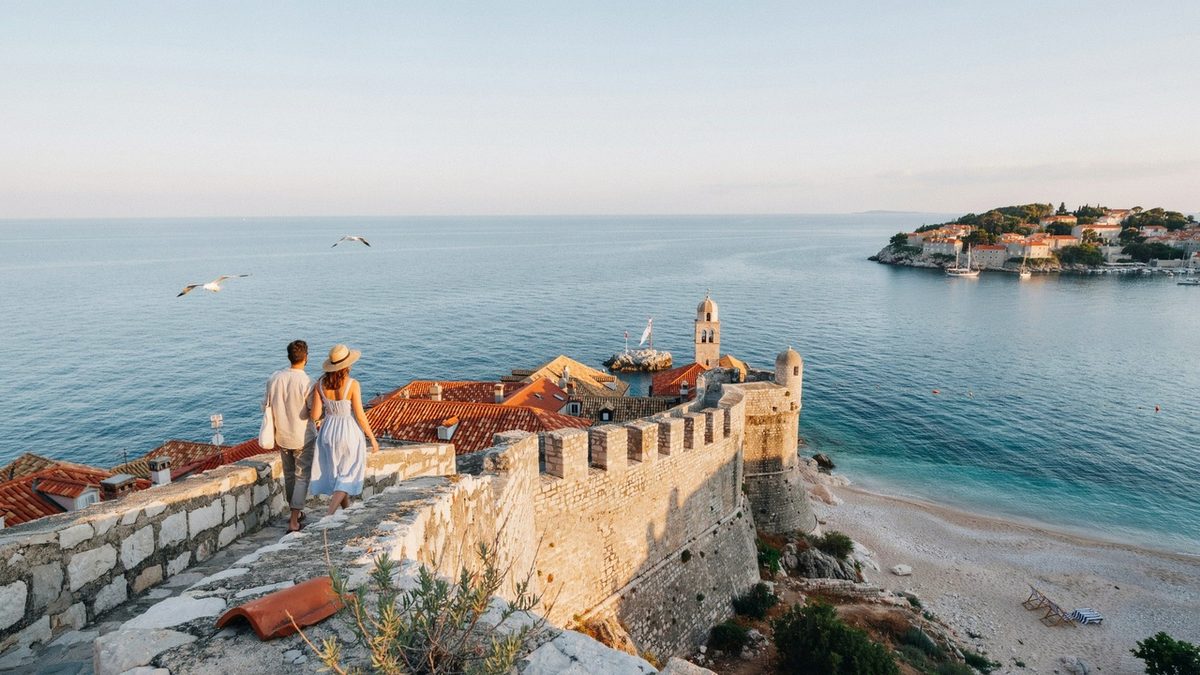
Image generated with Ai
Croatia is entering a new chapter in tourism as its famous Adriatic coastline responds to changing visitor behaviour, shifting travel seasons and growing demand for more diverse experiences beyond traditional summer holidays.
The country, long recognised for its crystal-clear waters, historic coastal cities and island escapes, is seeing a transformation in how travellers plan their holidays. While Croatia continues attracting millions of visitors, some coastal areas are experiencing softer demand during traditional peak periods, encouraging destinations to focus on sustainable growth, off-season travel and new tourism products.
Official statistics show that Croatia’s tourism performance remains strong but increasingly reflects changing market dynamics. In July 2026, the country recorded 4.5 million tourist arrivals and 25.3 million overnight stays, with arrivals rising 2.7% and overnight stays increasing 1.2% compared with July 2025. However, June 2026 recorded a decline in foreign tourist activity, highlighting the importance of balancing peak-season dependence with year-round tourism development.
The shift is pushing Croatia to rethink its tourism model and move from a primarily summer beach destination towards a broader travel experience built around culture, gastronomy, nature, wellness and local communities.
Advertisement
Advertisement
Why Are Croatia’s Coastal Destinations Facing Changing Visitor Patterns?
For decades, Croatia’s tourism identity has been closely connected with summer beach holidays. Destinations along the Adriatic Sea, including Dubrovnik, Split, Hvar and Istria, became global favourites because of their historic architecture, islands and scenic coastline.
However, traveller behaviour is evolving.
Visitors are increasingly looking for:
- Less crowded destinations
- Authentic local experiences
- Lower-season travel opportunities
- Nature-based holidays
- Cultural exploration
- Wellness and gastronomy experiences
At the same time, rising accommodation prices, increased competition from other Mediterranean destinations and changing consumer preferences are influencing travel decisions.
Advertisement
Advertisement
| Tourism Challenge | Impact on Croatia |
|---|---|
| Heavy summer concentration | Pressure on coastal infrastructure |
| Rising travel costs | Visitors compare more destinations |
| Changing traveller expectations | Demand for unique experiences |
| Climate considerations | Growth of spring and autumn travel |
| Overtourism concerns | Need for visitor management |
Croatia’s challenge is not a lack of visitor interest. Instead, it is managing tourism growth while ensuring destinations remain attractive, affordable and sustainable.
How Are Dubrovnik and Split Adapting Beyond Traditional Summer Tourism?
Dubrovnik and Split remain among Croatia’s most internationally recognised destinations. Their historic landmarks, UNESCO heritage sites and coastal landscapes continue attracting global travellers.
However, these cities are increasingly focusing on improving visitor distribution throughout the year.
Dubrovnik Expands Beyond Its Famous Old Town
Dubrovnik has traditionally experienced intense visitor concentration because of its medieval walls, maritime heritage and international popularity.
The city is now promoting:
- Cultural tourism
- Gastronomy experiences
- Luxury travel
- Island excursions
- Wellness tourism
- Longer stays
Instead of attracting visitors only for short summer visits, Dubrovnik aims to encourage travellers to explore surrounding regions and experience the destination at different times of the year.
Split Builds a Wider Adriatic Experience
Split is strengthening its role as a gateway to central Dalmatia.
The city connects visitors with:
- Dalmatian islands
- Historical attractions
- Outdoor activities
- Sailing experiences
- Local cuisine
By expanding beyond beach tourism, Split is creating opportunities for travellers seeking active and cultural holidays.
| Destination | Tourism Strength |
|---|---|
| Dubrovnik | Heritage, luxury, culture |
| Split | Islands, history, sailing |
| Zadar | Coast, nature, sunsets |
| Šibenik | Heritage and marine tourism |
| Hvar | Island luxury experiences |
Is Croatia Moving Towards Year-Round Tourism Growth?
One of Croatia’s biggest tourism priorities is reducing dependence on July and August travel demand.
The country is increasingly promoting:
- Spring city breaks
- Autumn gastronomy trips
- Winter cultural tourism
- Wellness retreats
- Adventure holidays
- Rural tourism
The Croatian National Tourist Board and tourism authorities have highlighted the importance of strengthening pre-season and post-season travel to create more balanced tourism growth. Data from Croatia’s tourism systems showed positive results in early 2026, with stronger activity outside the traditional summer peak period.
| Season | Emerging Travel Opportunity |
|---|---|
| Spring | Hiking, cultural tours, city breaks |
| Summer | Beaches, islands, sailing |
| Autumn | Wine tourism, gastronomy |
| Winter | Wellness, heritage, city tourism |
How Are Croatian Islands Redefining Their Tourism Future?
Croatia’s islands remain among its greatest tourism assets, but many are working to develop more sustainable visitor models.
Popular islands including:
- Hvar
- Brač
- Korčula
- Pag
- Krk
- Vis
are expanding their tourism offerings beyond beaches.
New opportunities include:
- Local food experiences
- Traditional crafts
- Eco-tourism
- Cycling routes
- Hiking
- Authentic village tourism
The focus is shifting from simply increasing visitor numbers towards improving visitor quality and economic benefits for local communities.
Why Are Travellers Exploring Croatia’s Lesser-Known Regions?
While coastal destinations dominate Croatia’s international image, inland regions are gaining attention from travellers seeking quieter experiences.
Zagreb Offers Urban and Cultural Tourism
Croatia’s capital provides:
- Museums
- Festivals
- Historic architecture
- Food markets
- Seasonal events
Zagreb helps diversify tourism beyond the coastline.
Istria Attracts Food and Luxury Travellers
Istria has developed a strong reputation for:
- Truffle experiences
- Wine tourism
- Boutique accommodation
- Cycling routes
- Coastal towns
Cities such as Rovinj, Pula and Poreč attract visitors interested in premium experiences.
Continental Croatia Expands Nature Tourism
Regions away from the coast are promoting:
- National parks
- Thermal spas
- Rural stays
- Adventure activities
| Region | Main Tourism Appeal |
|---|---|
| Istria | Food, wine and luxury travel |
| Zagreb | Culture and city breaks |
| Lika | Nature and national parks |
| Slavonia | Rural and culinary tourism |
| Zagorje | Wellness and heritage |
How Is Croatia Balancing Tourism Growth With Sustainability?
Croatia’s tourism future depends increasingly on protecting natural resources and maintaining destination quality.
The country is focusing on:
- Sustainable accommodation
- Better visitor management
- Environmental protection
- Local community participation
- Responsible travel practices
The Adriatic coastline is one of Croatia’s most valuable assets, making conservation essential for long-term tourism success.
Sustainable tourism also allows Croatia to attract higher-value travellers who seek meaningful experiences rather than only traditional beach holidays.
What Role Does Luxury Tourism Play in Croatia’s Future?
Croatia is strengthening its position in the luxury tourism market by promoting premium experiences.
Growth areas include:
- Boutique hotels
- Private island experiences
- Luxury sailing
- Fine dining
- Wellness resorts
- Exclusive cultural tours
Luxury tourism provides higher economic value while helping destinations reduce dependence on large visitor volumes.
Croatia Tourism Outlook: A More Diverse Adriatic Destination Emerges
Croatia’s tourism industry is not losing global appeal. Instead, it is undergoing a transformation.
The country is moving from a seasonal coastal holiday model towards a more balanced tourism strategy built around experiences, sustainability and year-round travel.
The Adriatic coastline will remain Croatia’s biggest attraction, but the future of tourism will increasingly depend on showing visitors the country’s hidden villages, cultural heritage, gastronomy and natural landscapes.
With millions of travellers continuing to choose Croatia, the next phase of growth will focus on creating better experiences rather than simply attracting more arrivals.
Frequently Asked Questions
1. Is Croatia still a popular holiday destination?
Yes. Croatia continues attracting millions of international visitors because of its beaches, islands, historic cities and cultural experiences.
2. Why are some Croatian beaches less crowded than before?
Changing travel patterns, higher prices and increased competition from other Mediterranean destinations are influencing when and where visitors travel.
3. What is the best time to visit Croatia?
Spring and autumn are increasingly popular because they offer pleasant weather, fewer crowds and opportunities for cultural and outdoor activities.
4. Which Croatian destinations are best beyond beaches?
Zagreb, Istria, national parks, rural regions and historic towns offer experiences beyond traditional coastal tourism.
5. Is Croatia becoming more expensive for tourists?
Some popular destinations have experienced rising costs, encouraging travellers to explore alternative regions and travel seasons.
6. How is Croatia reducing overtourism?
Croatia is promoting sustainable tourism, improving visitor management and encouraging travel beyond the busiest summer months.
Advertisement
Advertisement