

September 9, 2026 18:53 GMT+5:30
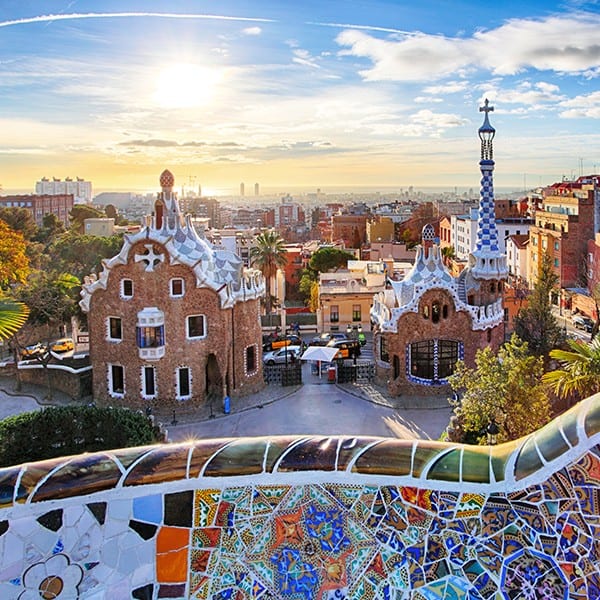
Barcelona is a dream destination for millions of travellers, but the city may feel very different to people who prefer quiet and personal space. A July 2026 study by digital entertainment platform BC Game places Barcelona third among the world’s worst cities for introverts. The research points to several pressures: high population density, heavy tourism, noise and light pollution, and an exceptionally strong restaurant and café scene.
Barcelona records more than 16,000 people per square kilometre and four tourists for every resident, according to the study. Consequently, busy streets, crowded dining areas and constant movement can create an environment that feels overstimulating rather than relaxing.
Barcelona is one of Europe’s most recognisable urban destinations. Its architecture, beaches, food scene and nightlife attract travellers throughout the year. Yet a new study highlights a less comfortable side of city life: the experience of people who need regular solitude.
A July 2026 report from BC Game ranks Barcelona as the third-worst city for introverts among the destinations examined. The ranking does not suggest that Barcelona is inherently unpleasant. Instead, it measures several environmental and lifestyle factors that can make dense, highly visited cities more demanding for residents who are sensitive to crowds and stimulation.
Barcelona’s density puts pressure on everyday life
According to the research, Barcelona has a population density of 16,477 people per square kilometre.
That figure places the Spanish city behind only Mumbai and Paris among the 10 cities highlighted in the study. High density does not automatically mean poor quality of life, but it can reduce the sense of personal space that some introverted residents value.
Barcelona combines dense neighbourhoods with heavily used streets, popular public areas and a large visitor economy. For someone seeking quiet surroundings, simply walking through the city can therefore become a surprisingly social experience.
The issue is particularly relevant in central and tourist-heavy districts, where residential streets can overlap with major visitor routes, restaurants, shops and attractions.
Advertisement
Advertisement
Tourism adds another layer of crowding
Tourism is one of Barcelona’s biggest economic strengths, but it is also central to the study’s findings.
BC Game estimates a tourist-to-resident ratio of four, meaning the city receives a substantial number of visitors relative to its resident population.
For introverts, the significance goes beyond the number itself. Tourists create movement, queues, photography, conversations, street activity and additional pressure on public spaces.
Barcelona’s most famous locations can become especially busy. Residents living near major attractions may encounter visitors not only during traditional sightseeing hours but throughout much of the day.
That constant turnover can make familiar neighbourhoods feel less private.
More than 600 restaurants and cafés per 100,000 residents
Barcelona’s celebrated food culture is another factor highlighted by the study.
The research records 600.90 restaurants and cafés per 100,000 residents. This is the highest figure among the 10 cities listed.
For visitors, that abundance is a major attraction. For introverted residents, however, the sheer density of hospitality venues can contribute to a busier urban environment.
Cafés and restaurants bring people onto pavements, into plazas and around residential streets. Outdoor dining can extend activity into public spaces, while popular venues can create queues and foot traffic.
This does not mean restaurants are a problem in themselves. Rather, BC Game treats the strength of the going-out culture as one component of the broader social environment.
Barcelona records a noise and light pollution score of 63
Noise is another major part of the ranking.
Barcelona receives a 63.1/100 score for noise and light pollution in the study. That places it above several other cities on the list, although below Mumbai and New York City.
Urban noise can come from multiple sources: traffic, construction, nightlife, public gatherings, tourism and commercial activity.
For people who become mentally fatigued by continuous stimulation, the problem can be cumulative.
An individual may cope comfortably with a busy restaurant or crowded attraction for a short period. The challenge comes when similar stimulation is present throughout the working day, commute and evening.
Why Barcelona can feel socially demanding
The study’s broader methodology considers more than population and tourism.
BC Game says it examined factors including density, noise and light pollution, tourist numbers, private household space, bars, parks, restaurants and cafés, traffic congestion and commuting.
Together, these measurements attempt to capture the everyday conditions that could influence an introvert’s experience.
Barcelona’s ranking reflects the combination rather than one single weakness.
A person who values solitude may be comfortable living in a dense city if there are quiet homes, accessible parks and peaceful neighbourhoods. Conversely, a relatively less dense city can still feel overwhelming if public spaces are crowded and noisy.
Barcelona’s challenge, according to the study, is that several of these pressures occur simultaneously.
Green space becomes important for people seeking solitude
Access to outdoor space can provide an important escape from dense urban environments.
Parks and quieter public areas can allow residents to step away from traffic, commercial activity and crowds without leaving the city.
Barcelona does have substantial green areas, including parks and the wider natural environment around the metropolitan area. However, the study’s ranking suggests that the availability and character of such spaces do not completely offset the pressures generated by density, tourism and urban activity.
For introverts, the quality of solitude can matter as much as the quantity of green space. A large park filled with visitors may provide greenery without necessarily providing quiet.
Barcelona is not necessarily a bad place to live
The ranking needs to be read in context.
Calling Barcelona one of the worst cities for introverts does not mean it is one of the world’s worst cities overall.
In fact, many of the characteristics identified in the research are precisely what make Barcelona attractive to millions of residents and travellers.
Restaurants, cafés, lively streets, cultural attractions and international visitors support jobs and tourism spending. Dense neighbourhoods can also provide excellent access to shops, public transport, entertainment and services.
The study simply asks a narrower question: how comfortable might a city be for people who strongly prefer low-stimulation environments?
Under that measure, Barcelona performs poorly.
How Barcelona compares with other difficult cities
Barcelona ranks third, behind Mumbai and Paris.
Mumbai records population density of 20,634 people per square kilometre and a noise and light pollution score of 69.6. Paris follows with density of 20,025 and a tourism ratio of nine.
New York City ranks fourth, while Venice completes the top five.
Venice presents a particularly unusual case. Its population density is far lower than Barcelona’s, at 619 people per square kilometre, but the study records a tourist-to-resident ratio of 21.
That comparison illustrates an important point: introvert-friendly living is not simply about population density. Tourism, noise, social activity and personal space can all influence the experience.
Nashville offers a contrasting model
The study identifies Nashville as one of the more liveable cities for people seeking personal space.
Its quieter neighbourhoods and parks provide opportunities to step away from crowds, according to BC Game.
The contrast with Barcelona is useful because it demonstrates how urban design and lifestyle can influence perceived comfort.
Barcelona’s international appeal depends partly on its energy and accessibility. Nashville’s comparatively calmer environments can offer something different: more opportunities to withdraw from social activity.
Neither model is universally better. It depends on what residents want from city life.
What the findings mean for Barcelona travellers and residents
For travellers, the ranking should not discourage a visit to Barcelona.
Instead, it offers a practical reminder that the city’s most famous areas can become extremely busy. Visitors who prefer quiet could consider travelling outside peak periods, staying in less tourist-heavy neighbourhoods and visiting major attractions early in the day.
For residents, the findings raise a broader urban question.
Barcelona has spent years balancing tourism with residential needs. Managing visitor pressure, protecting neighbourhood liveability and maintaining public space are increasingly important issues for major European destinations.
The introvert question is therefore part of a wider conversation about how cities can accommodate different lifestyles.
The bigger lesson for urban tourism
BC Game CEO’s comments accompanying the study focus on overstimulation rather than antisocial behaviour. The observation is that introverts may not necessarily dislike people; instead, sustained noise, crowds and a lack of personal space can become mentally exhausting.
That distinction is important.
A modern tourism city does not need to become quiet or less attractive to visitors to improve liveability. The challenge is creating enough variety within the urban environment so residents can choose between lively social spaces and quieter places.
For Barcelona, that balance will become increasingly important as international tourism continues to shape the city’s economy and public realm.
The July 2026 ranking ultimately presents Barcelona through a specific lens. Its dense population, strong visitor economy, restaurant culture and relatively high noise and light pollution score combine to create an environment that may be challenging for people who recharge through solitude. For everyone else, those same characteristics can represent the energy that makes Barcelona one of Europe’s most compelling cities.
Barcelona’s third-place ranking among the worst cities for introverts reflects a combination of density, tourism, noise and intense social activity, rather than a judgement on the city’s overall liveability. The study records 16,477 people per square kilometre, a tourist-to-resident ratio of four, a 63.1 noise and light pollution score, and 600.90 restaurants and cafés per 100,000 residents. These conditions can create continuous movement and stimulation. The answer, however, is not that Barcelona should become quieter or less welcoming to visitors. Instead, the findings underline the importance of accessible green areas, peaceful neighbourhoods, private residential space and effective tourism management. For introverted residents and travellers, choosing quieter districts and less crowded periods can make a significant difference. Ultimately, Barcelona’s greatest strength — its energy — can also become its biggest challenge for people who need regular solitude, privacy and time away from crowds to recharge.
The cause behind Barcelona’s ranking is the concentration of people, tourists, hospitality venues and urban activity. The answer is that introverts may find the city demanding because opportunities for uninterrupted solitude can be harder to find in busy districts. The reason is straightforward: Barcelona combines a population density of 16,477 people per square kilometre with four tourists for every resident, a 63.1 noise and light pollution score, and more than 600 restaurants and cafés per 100,000 residents. Consequently, streets can remain active and socially stimulating. However, this does not make Barcelona undesirable. It simply means that people seeking quiet may need to choose their neighbourhood, accommodation and visiting times more carefully.
Anup Kumar Keshan, Founder and Editor-in-Chief, Travel And Tour World
“Barcelona’s position in this study is a useful reminder that tourism success and urban liveability must develop together. The city’s energy, restaurants, architecture and international appeal are major strengths, yet those same qualities can create pressure for residents who value privacy and quiet. Introverts are an important part of every urban community, and their needs should not be confused with a dislike of tourism or social life. Barcelona can continue welcoming visitors while creating more opportunities for residents to find calm public spaces, manageable neighbourhoods and genuine moments of solitude. From a travel industry perspective, this is also an opportunity. Responsible tourism should not only focus on attracting more visitors; it should consider how destinations preserve everyday quality of life. Barcelona’s experience shows why future destination planning must balance visitor demand with the diverse ways residents experience and use their city.”
Advertisement
Advertisement