

September 9, 2026 11:25 AM
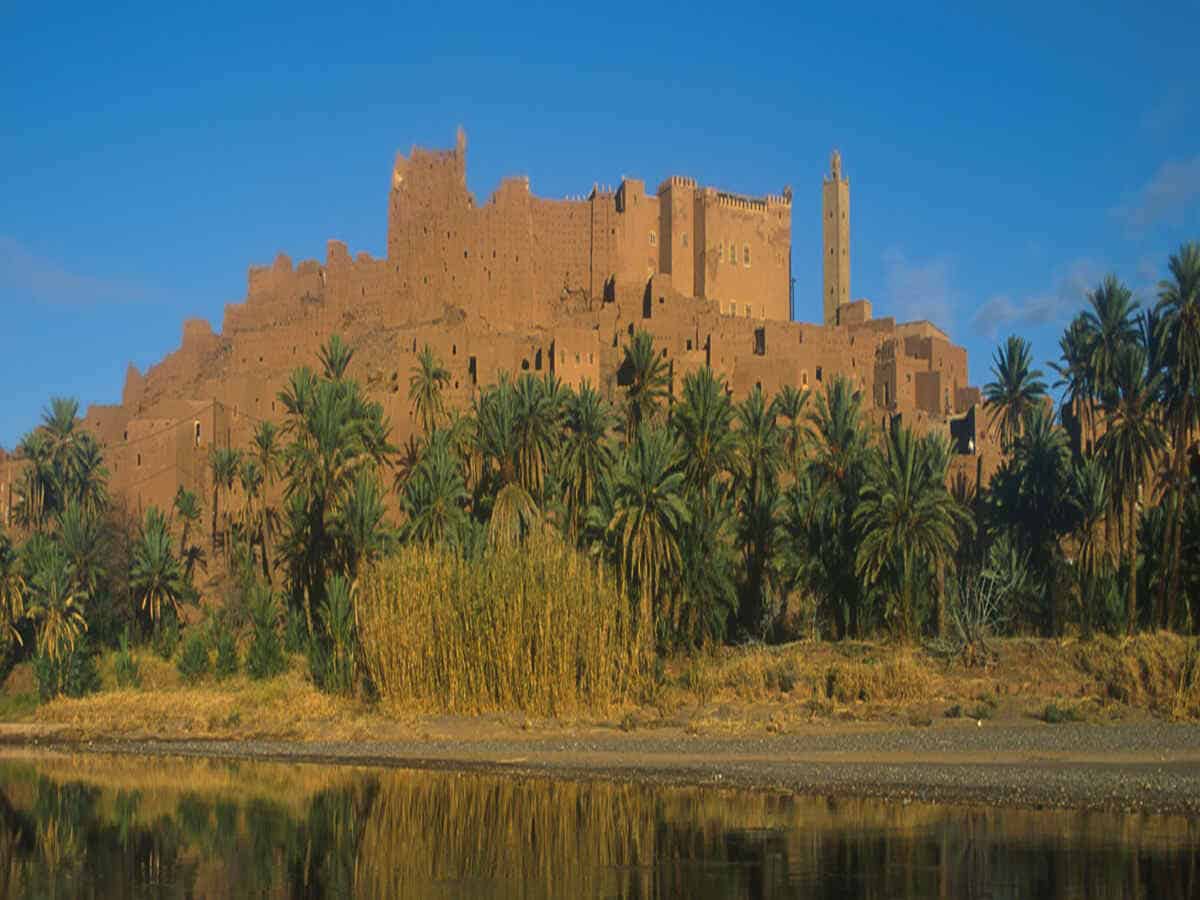
Through 25 agreements, Morocco and Guinea join hands to promote the development of their tourism sector, connectivity and opportunities for Africans to travel. Morocco and Guinea have taken one big step towards promoting African cooperation after signing 25 agreements aimed at increasing economic and development relations between the two countries. The 25 agreements were signed during the Morocco-Guinea Joint Commission for Cooperation held in Conakry. The agreements touched on vital sectors such as tourism, transport, ports, energy, agriculture, health, banking, culture, higher learning and scientific research.
The wide-ranging partnership represents a new chapter in Morocco–Guinea relations, with tourism positioned as one of the important areas of future cooperation. By combining Morocco’s global tourism experience with Guinea’s emerging destination potential, the agreement could help create stronger travel links, encourage investment and promote cultural exchanges between North and West Africa.
The partnership comes as African nations increasingly focus on improving regional connectivity and developing tourism as a driver of economic growth. Stronger cooperation between Morocco and Guinea could open new opportunities for travellers, businesses and investors looking for new African experiences.
Morocco And Guinea Unlock A Powerful Tourism Opportunity Through Strategic Cooperation
Tourism has become a key pillar of economic development across Africa, and the inclusion of tourism in the Morocco–Guinea agreements highlights both countries’ ambition to expand cooperation in this sector.
Morocco has built one of Africa’s strongest tourism industries, attracting visitors through its historic cities, cultural heritage, coastal destinations and international connectivity. Cities such as Marrakech, Casablanca, Rabat and Agadir have become globally recognised tourism destinations, while the country continues to strengthen its role as a gateway between Africa, Europe and the Middle East.
Guinea, meanwhile, offers significant tourism potential through its natural landscapes, Atlantic coastline, cultural traditions and historic identity. The country has opportunities to develop nature tourism, cultural tourism and adventure experiences.
Through stronger cooperation, Morocco could share tourism expertise, destination management knowledge and investment experience with Guinea. This could help Guinea develop tourism infrastructure, improve visitor services and increase its visibility among international travellers.
Transport And Connectivity Push Could Transform African Travel Routes
One of the biggest tourism benefits from the partnership could come from cooperation in transport and connectivity. The agreements include transport and air transport cooperation, creating possibilities for improved movement between both countries.
Advertisement
Advertisement
Better connectivity is one of the most important factors behind tourism growth. Travellers are more likely to explore new destinations when flights, transport networks and travel systems become easier and more reliable.
A stronger Morocco–Guinea connection could support:
- Increased business travel
- More cultural exchanges
- Easier movement for tourists
- Greater regional tourism cooperation
- Stronger links between North and West Africa
Morocco’s aviation network already connects Africa with major international markets. Stronger links with Guinea could help position Casablanca and other Moroccan gateways as important connection points for travellers exploring West Africa.
For Guinea, improved transport cooperation could support greater international accessibility and help attract more visitors looking for unique African destinations.
Ports And Infrastructure Development Could Create Future Tourism Growth
The partnership also includes cooperation in ports and infrastructure, areas that can play a major role in long-term tourism development.
Strong infrastructure is essential for destinations that want to attract more visitors. Roads, ports, airports, energy systems and urban development all influence the travel experience.
Guinea’s Atlantic coastline provides opportunities for future coastal tourism development. Improved maritime infrastructure could support greater movement of people and goods while creating possibilities for future tourism activities.
Infrastructure investment could also encourage private sector participation in tourism projects such as:
- Hotels and resorts
- Restaurants
- Tourist facilities
- Cultural attractions
- Travel services
As Guinea develops its infrastructure capacity, the country could become more prepared to welcome international visitors.
Cultural Cooperation Could Bring New Tourism Experiences To Global Travellers
The Morocco–Guinea partnership also focuses on culture, education and scientific cooperation, creating opportunities beyond traditional economic links.
Culture is one of the strongest drivers of tourism. Travellers increasingly seek authentic experiences connected to local traditions, history, music, food and communities.
Greater cultural cooperation could support:
- Heritage tourism programmes
- Cultural festivals
- Artistic exchanges
- Tourism events
- Educational travel opportunities
Morocco’s experience in promoting cultural tourism could provide valuable lessons for Guinea as it develops its own tourism identity.
By highlighting Guinea’s cultural richness and connecting it with Morocco’s established tourism network, both countries could promote stronger African tourism storytelling.
Simandou 2040 Support Could Strengthen Guinea’s Tourism Foundation
Morocco has also reaffirmed its readiness to support Guinea’s ambitious Simandou 2040 development programme, which focuses on national development and strategic growth.
Although Simandou 2040 is primarily focused on economic transformation, its development areas include infrastructure, energy, agriculture, healthcare, skills development and industrial growth. These sectors can indirectly support tourism expansion.
A stronger economy and improved infrastructure environment can attract tourism investment and create better conditions for destination development.
Tourism depends on many supporting systems, including:
- Reliable energy
- Transport networks
- Skilled workers
- Safe travel environments
- Modern facilities
As Guinea continues its development plans, these improvements could strengthen its ability to compete as an emerging African tourism destination.
Business Travel And Investment Could Become A New Tourism Growth Engine
The agreements cover finance, agriculture, energy, education and vocational training, which could increase business activity between Morocco and Guinea.
Business tourism is an important part of the global travel economy. Investors, entrepreneurs, professionals and government representatives often contribute significantly to tourism revenues through accommodation, transport, dining and local services.
A stronger economic relationship could lead to:
- More corporate visits
- Increased conferences and events
- More investment missions
- Greater professional exchanges
As business links expand, tourism industries in both countries could benefit from increased visitor flows.
Morocco And Guinea Could Build A New African Tourism Corridor
The Morocco–Guinea partnership represents a broader movement towards stronger African tourism cooperation. Instead of focusing only on individual destinations, countries across the continent are increasingly working together to improve connectivity, investment and travel opportunities.
This agreement could help create a stronger tourism corridor linking North Africa and West Africa. Morocco’s established tourism reputation combined with Guinea’s emerging destination opportunities could create a partnership built around shared growth.
While the agreements do not immediately introduce new visa policies or confirmed tourism routes, they establish a framework for deeper cooperation that could support future tourism development.
A New Chapter Begins For African Tourism Growth
The signing of 25 agreements between Morocco and Guinea marks a significant moment in bilateral relations and opens new possibilities for tourism development.
Through cooperation in tourism, transport, ports, culture and infrastructure, both countries are creating the foundation for stronger travel connections and economic opportunities.
For travellers, the partnership could eventually mean easier access to new African experiences. For businesses, it could create fresh investment opportunities. For the tourism industry, it represents another step towards building a more connected and competitive African travel market.
Morocco and Guinea’s growing partnership shows how strategic cooperation can transform tourism potential into real opportunities, helping shape the future of African travel.
Advertisement
Advertisement