

Think twice before booking your next European holiday, as Paris and more famous destinations disappoint holidaymakers with crowded attractions, expensive experiences and unrealistic travel expectations. Although Europe continues to attract millions of international tourists, some popular destinations fail to deliver the unforgettable experiences visitors imagine. Paris and more iconic cities now face growing criticism over overcrowding, long queues and tourist-focused prices. Therefore, holidaymakers should think twice before booking trips based entirely on popularity. Travel And Tour World urges readers to explore why these destinations disappoint holidaymakers and discover smarter ways to enjoy Europe before confirming their next travel plans.
Most Overrated Tourist Destinations in Europe: Paris, Venice and More Face Growing Traveller Disappointment
Europe’s most celebrated holiday destinations are facing an uncomfortable question: do their real travel experiences match their international reputations? Paris, Venice, Amsterdam, Barcelona, Santorini, Dubrovnik and Rome remain major attractions. However, traveller surveys, online reviews and visitor discussions reveal growing dissatisfaction with overcrowding, expensive experiences and heavily commercialised attractions.
Advertisement
Advertisement
The findings do not suggest that these destinations have lost their cultural or historical importance. Instead, they highlight a gap between travellers’ expectations and the experiences they encounter. Long queues, congested streets, expensive restaurants and crowded sightseeing areas increasingly influence holiday satisfaction. For international visitors, understanding these challenges before booking can make European holidays more rewarding.
A November 14, 2026 report by Travelbinger, republished by Yahoo Travel, examines these destinations alongside smaller attractions that visitors sometimes find disappointing. Its findings combine different research methods, including traveller surveys, review-platform analysis and informal online polls. These sources have different sample sizes and limitations, so they should be understood as indicators of traveller sentiment rather than a definitive European ranking.
Paris, France: High Expectations and Uneven Experiences
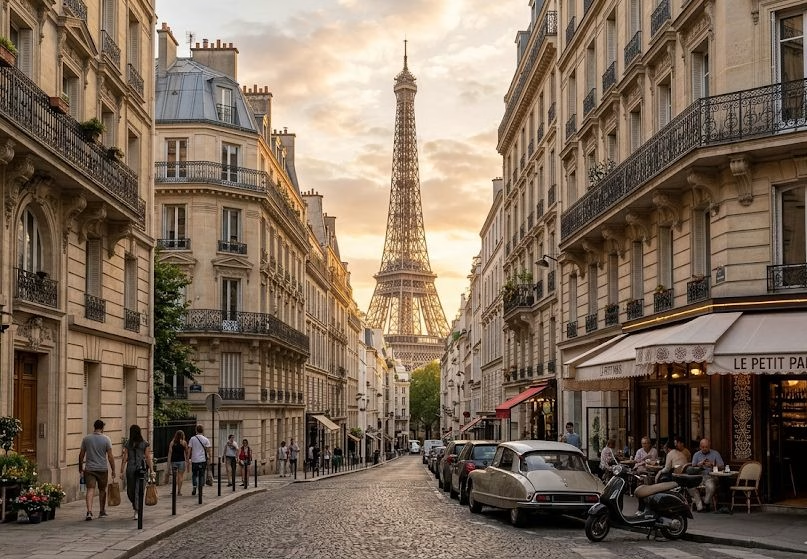
Paris illustrates the difference between international popularity and visitor satisfaction. More than half of the 750-plus American travellers surveyed by Matador Network identified Paris among their most anticipated European destinations. However, 37% also considered its food scene somewhat or very overrated.
The complaints involve expensive dining, restaurants targeting tourists and difficulty securing reservations at popular establishments. A separate Preply investigation examined more than 80 tourist attractions worldwide. Its analysis identified 1,291 negative or disappointing reviews of the Eiffel Tower, particularly concerning queues and overcrowding.
Advertisement
Advertisement
An informal ResetEra forum poll in October 2025 also placed Paris first among overrated European cities. It received 390 votes, representing 51.9% of participating votes. This was an online community poll, not a representative international survey.
Paris nevertheless remains a major tourism destination. Official Paris tourism figures recorded 36.3 million visitors across Greater Paris in 2024, including 23.3 million hotel arrivals. The region generated approximately €23.5 billion in international tourism revenue.
Advertisement
Advertisement
For travellers, exploring Canal Saint-Martin, the 11th arrondissement and independent neighbourhood restaurants can provide different experiences beyond the busiest landmarks.
Venice, Italy: Tourism Pressure Changes the Holiday Experience
Venice attracts visitors through its canals, historic architecture and traditional gondola journeys. However, its compact historic centre faces considerable pressure from overnight tourists and day visitors.
The original report estimates approximately 30 million annual visitors. It also highlights gondola prices of around €80–€100, illustrating why travellers should establish their budgets before booking experiences.
Venice introduced an experimental access contribution to manage visitor flows. Its official 2026 programme covers 60 selected dates between April and July, compared with 54 days in 2025.
Advertisement
Advertisement
The charge is €5 when paid sufficiently early and €10 for late payment. The official calendar includes selected dates across April, May, June and July.
The 2025 programme reportedly generated €5.4 million. However, an assessment cited by Travelbinger suggested that the contribution produced only a modest change in crowd levels.
Amsterdam, Netherlands: Crowds Concentrate Around Famous Areas
Amsterdam welcomes visitors with historic canals, museums, cycling routes and distinctive neighbourhoods. However, the Red Light District and central canal areas frequently experience heavy pedestrian traffic.
The report estimates approximately 20 million annual visitors. Its Matador survey also found that around 20% of respondents considered Amsterdam’s food scene overrated.
The city government is responding through its tourism management programme. Measures include plans to halve river cruises, distribute visitors more evenly and introduce a stricter hotel policy.
Travellers can explore Haarlem, with its historic streets, canals and traditional Dutch atmosphere. Friesland also offers waterways, rural landscapes and opportunities to experience another side of the Netherlands.
Advertisement
Advertisement
Barcelona, Spain: La Rambla Is Not the Whole City
Barcelona receives a more complicated assessment. Its food culture continues attracting international visitors, but La Rambla creates concerns about congestion, tourist-oriented prices and pickpocketing.
Preply’s research identified more than 1,200 negative reviews associated with Las Ramblas. Its 1.2-kilometre pedestrian route attracts substantial visitor traffic, particularly during busy sightseeing periods.
The Matador survey also provides a useful distinction. Barcelona’s food scene was considered overrated by only 13.2% of respondents, while 55.8% considered Rome’s food scene exactly as good as expected. This distinction matters when interpreting traveller satisfaction.
Visitors should explore Gràcia, Rambla del Poblenou and local markets instead of restricting their experiences to the busiest central streets.
Santorini, Greece: An Island Where Visitor Numbers Matter
Santorini’s caldera landscapes, whitewashed villages and sunset viewpoints remain internationally famous. However, cruise arrivals, transport congestion and expensive accommodation can challenge travellers seeking peaceful island holidays.
Greece introduced a cruise passenger limit of 8,000 daily visitors for Santorini in 2025 and 2026. The island had previously experienced peak arrivals approaching 17,000 cruise passengers in one day.
Advertisement
Advertisement
The Greek government also introduced a €20 cruise passenger levy for popular islands, including Santorini and Mykonos.
The Municipal Port Fund of Thira confirms the 8,000-passenger daily ceiling in its official 2025–2026 cruise berthing policy. Visitors should check cruise schedules before arranging island excursions.
Dubrovnik and Rome: Historic Attractions Under Pressure
Dubrovnik’s medieval walls and Adriatic setting attract international visitors, partly supported by its association with Game of Thrones. However, large cruise arrivals can concentrate thousands of people inside its historic centre.
The city’s Respect the City programme seeks to control visitor pressure. Its planning framework includes a daily target of no more than 4,000 cruise passengers and coordinated ship arrivals.
Official municipal research recorded 471 cruise ship calls and 555,252 cruise passengers during 2023. August alone accounted for 90,292 passengers, demonstrating the strong seasonal concentration.
Rome faces different challenges. Long queues around major monuments, expensive restaurants and crowded sightseeing areas influence visitor experiences. The Trevi Fountain and Eiffel Tower also appear in a separate list of 17 European tourist attractions considered overrated.
Advertisement
Advertisement
Travellers should book major attractions in advance and explore neighbourhoods beyond the busiest landmark areas.
Smaller European Attractions That Sometimes Disappoint Visitors
The report also identifies several individual attractions whose international reputations create expectations that their actual experiences may not satisfy.
Juliet’s Balcony, Verona: The attraction draws visitors inspired by Shakespeare’s Romeo and Juliet. However, Shakespeare never visited Verona, and the balcony became a tourist attraction through developments during the 1930s.
Prague Astronomical Clock, Czech Republic: Visitors sometimes find its hourly mechanical display shorter and less impressive than anticipated. Its historical and architectural significance nevertheless makes it an important city landmark.
The Little Mermaid, Copenhagen: Unveiled in 1913, the statue attracts visitors inspired by Hans Christian Andersen’s famous fairy tale. Preply’s review analysis identified 1,190 reviews describing it as overrated or underwhelming, alongside another 58 using the term tourist trap.
Moulin Rouge, Paris: Some visitors consider its expensive performances and commercial atmosphere less appealing than expected.
Advertisement
Advertisement
These examples demonstrate why tourists should research individual attractions rather than judging their value through photographs and social media popularity.
Alternative European Destinations Worth Considering
Travellers can enjoy Europe’s cultural richness without concentrating exclusively on its busiest destinations.
- Lyon, France: Offers historic architecture, UNESCO-listed districts, museums and an internationally recognised food culture. Its riverside areas and neighbourhood restaurants provide varied sightseeing opportunities.
- Haarlem, Netherlands: Provides historic streets, canals and traditional Dutch architecture beyond Amsterdam’s busiest visitor districts.
- Friesland, Netherlands: Appeals to travellers interested in waterways, countryside experiences and quieter Dutch communities.
- Ljubljana, Slovenia: Features Baroque architecture, Art Nouveau buildings and a historic city centre. Slovenia’s government has also highlighted its sustainable tourism initiatives.
- Ghent, Belgium: Combines medieval architecture, historic waterways and cultural attractions.
- Turin, Italy: Offers grand squares, historic cafés and the renowned Egyptian Museum, making it an appealing alternative for culturally interested visitors.
The Slovenian government has highlighted Ljubljana’s environmental initiatives and international tourism recognition. Lyon’s official tourism organisation also provides practical information about museums, cycling, heritage districts and public transport.
What Global Travellers Should Consider Before Booking
Europe’s most overrated tourist destinations are not necessarily destinations to avoid. Paris, Venice, Amsterdam, Barcelona, Santorini, Dubrovnik and Rome continue offering exceptional cultural experiences.
The important consideration is how travellers organise their visits. Checking seasonal conditions, cruise schedules, attraction reservations and local visitor regulations can prevent unnecessary inconvenience.
Travellers should also explore residential neighbourhoods, support locally owned businesses and consider lesser-known destinations. Choosing quieter travel periods can improve sightseeing experiences while helping distribute tourism spending.
Advertisement
Advertisement
Ultimately, Europe’s appeal extends far beyond its famous landmarks. A well-planned itinerary, realistic expectations and a willingness to explore beyond popular attractions can transform an ordinary European holiday into a memorable journey.
Conclusion
Europe continues to offer extraordinary travel experiences, but famous destinations do not always match holidaymakers’ expectations. Paris, Venice, Amsterdam, Barcelona, Santorini, Dubrovnik and Rome remain culturally rich cities, yet overcrowding, expensive attractions and long queues can affect visitor satisfaction. Therefore, travellers should look beyond popular photographs and carefully research destinations before booking. Exploring quieter neighbourhoods, alternative European cities and less crowded travel seasons can create more rewarding holidays. Ultimately, smart planning makes all the difference. Travel And Tour World encourages global holidaymakers to discover Europe’s hidden charms, manage their expectations and make informed travel choices for unforgettable journeys.