
By Azman Usmani
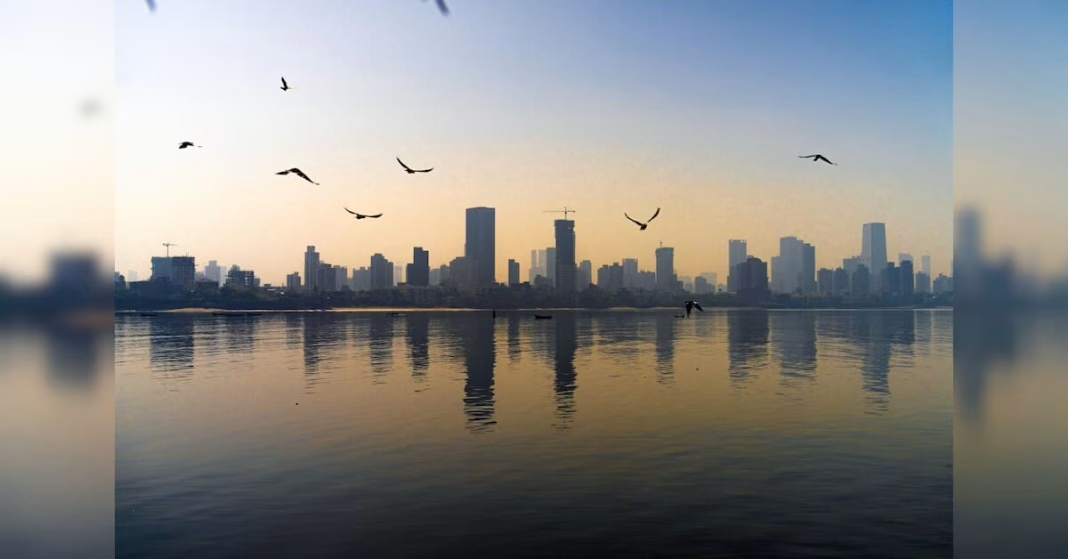
Mumbai residents endured unusually hazy skies for much of October, exposing the limits of coastal winds that have long shielded India’s financial capital from the severe air pollution that plagues cities further north.
The city’s average daily air quality index more than doubled to 102 through Oct. 27, from 45.4 in September, according to a Bloomberg analysis of Central Pollution Control Board data. Mumbai has even ranked as India’s most polluted city, according to live readings from Swiss air-quality technology company IQAir.
The surge puts the metropolis on track for its sharpest deterioration in air quality during the post-monsoon transition since at least 2019. It’s only the second time in seven years that Mumbai’s average October air quality index has topped 100, a level India classifies as unhealthy. Concentrations of PM2.5, fine airborne particles that can penetrate deep into the lungs, more than tripled from September, IQAir data showed.
“This year’s El Niño, which is one of the strongest on record, has slowed those winds, allowing locally generated pollutants to remain trapped over the city for longer,” Beig said. “We’re likely to see this continue till the end of the year.”
Mumbai — home to some of the country’s richest people, including Mukesh Ambani, and top conglomerates such as Reliance Industries Ltd., and Tata Group — generates significant pollution from traffic, construction, road dust and industry. The deterioration this year, however, has been sharper, following the cleanest September since 2019. Air pollution typically worsens after the monsoon and peaks between late November and February.
The city’s building boom may be eroding its natural advantage as construction generates dust, while dense clusters of high-rises can block sea breezes, according to Sunil Dahiya, founder and lead analyst at research firm Envirocatalysts.
India has some of the world’s most polluted cities, most of them in the northern half, where a thick winter smog has long been a recurring problem in capital New Delhi. Mumbai’s worsening air points to a broader spread of the crisis, as changing weather patterns make rainfall and coastal winds less reliable just as rapid construction and rising traffic add to emissions.
The challenge is likely to intensify as the city grows.
Hotter and more humid conditions linked to climate change could further weaken Mumbai’s sea breezes, said Abhishek Chakraborty, assistant professor at the Indian Institute of Technology Bombay. The result is a city producing more pollution while becoming less able to clear it.
“Everything is coming together in a bad way to make things worse,” he said.