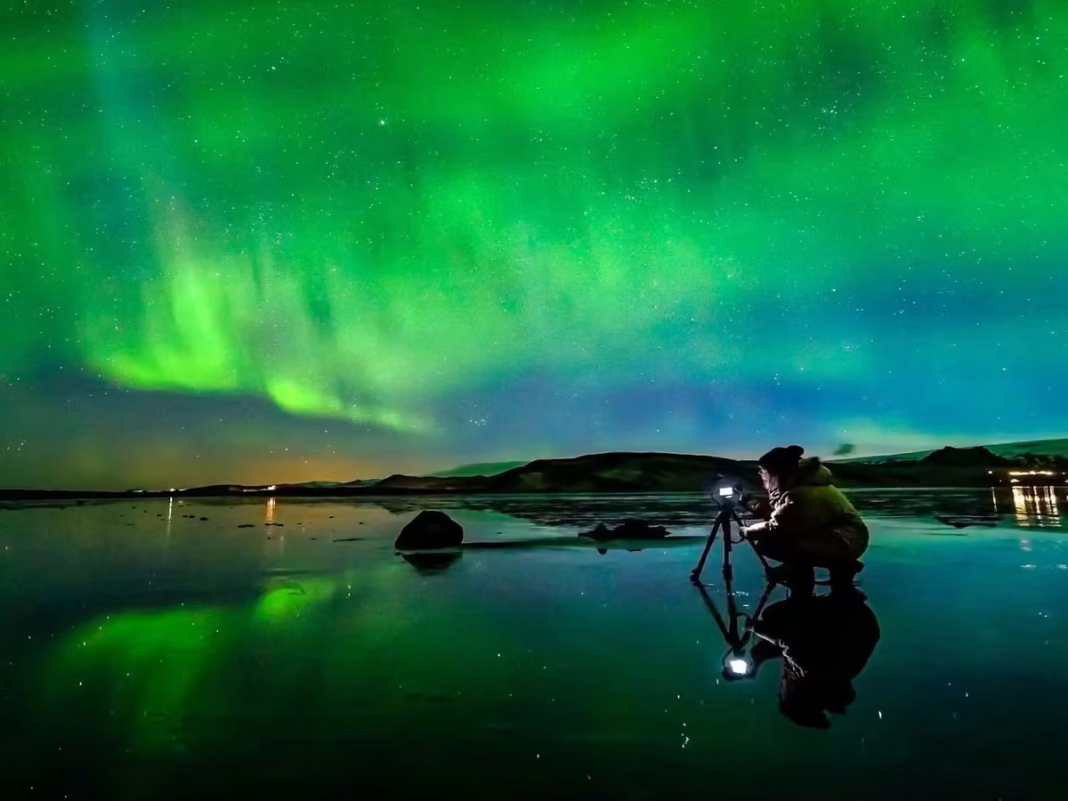

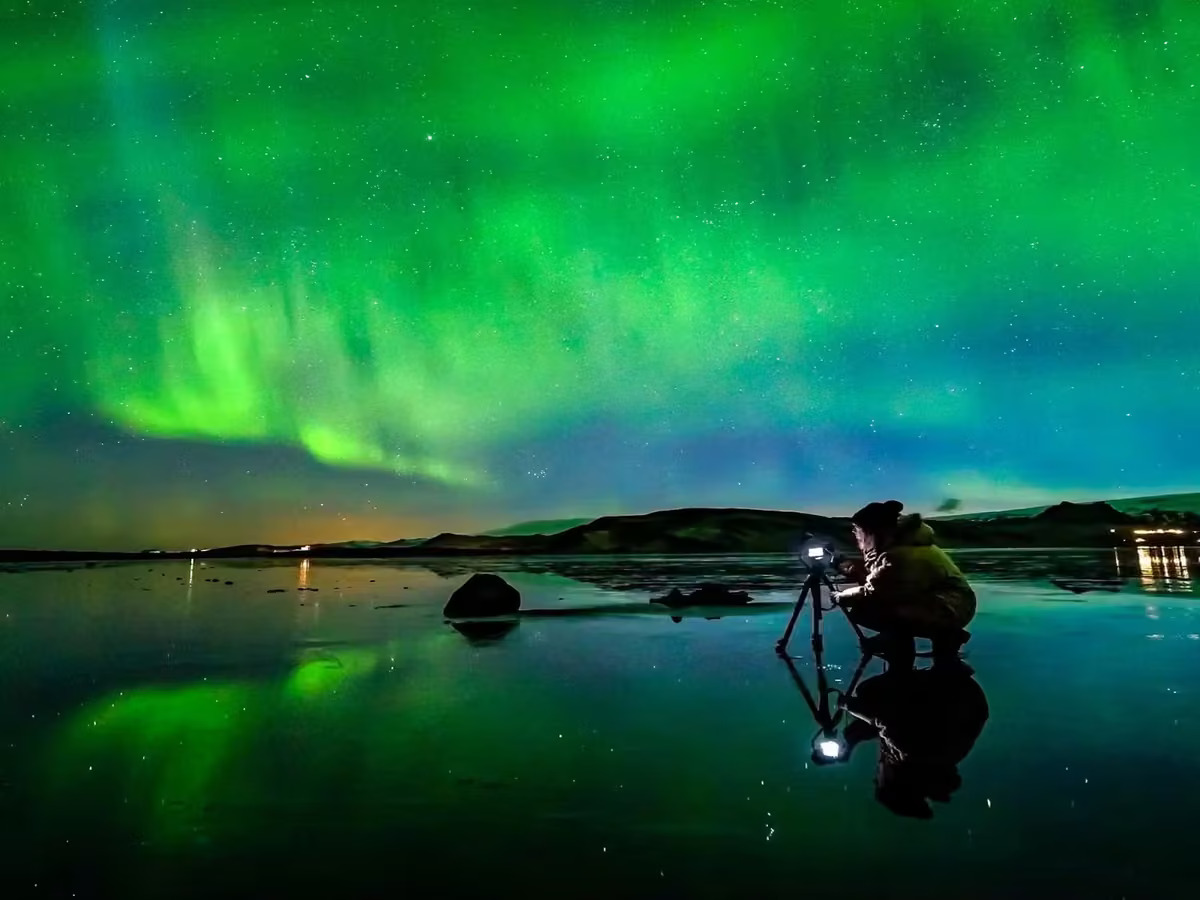
Iceland is becoming an increasingly popular place to visit as those from 93 visa free countries as of October 2026 including Canada, Switzerland, UAE and others. Iceland is famous for its beautiful glaciers, impressive volcanoes, stunning waterfalls, geothermal hot springs and wonderful Northern Lights. As those from eligible countries can visit without obtaining a visa it makes exploring this beautiful Nordic country easier. This opens up new exciting opportunities for adventure tourism, relaxing holidays and cultural experiences. Due to its amazing natural beauty and unique landscapes, Iceland is gaining worldwide attention. As it is easy to visit, this opens up new opportunities for hotels, local businesses and tourism.
Iceland Tourism Trends in 2026
Iceland welcomed 1,563,893 international visitors through Keflavík International Airport between January and August 2026, marking a 1.0% decline from 2025. Annual arrivals are projected to reach 2.22 million to 2.24 million by the end of 2026. Keflavík Airport handles over 95% of foreign tourist arrivals, with the United States, United Kingdom, Germany and China among the leading source markets. Average hotel occupancy stands at a reported 67.4%, reaching 73.2% in the Capital Region. Daily tourist numbers are estimated to rise from 23,000 in January to 81,000 in August, reflecting strong seasonal demand. Iceland’s glaciers, volcanoes, waterfalls and Northern Lights continue to attract international travellers and support the tourism industry.
Advertisement
Advertisement
Iceland’s Economic Outlook in 2026
Iceland’s nominal Gross Domestic Product (GDP) is projected to reach approximately US$42.77 billion to US$43.80 billion in 2026, with economic growth estimated at 1.4% to 1.9%. GDP per capita is expected to stand at around US$107,464, placing Iceland among the world’s high-income economies. Economic activity is supported by expanding data centre operations, recovering domestic consumption and growth in the services sector, including tourism. However, weaker marine product exports, slower consumer spending and moderate tourism growth continue to create challenges. Despite these pressures, Iceland’s diversified economy, strong infrastructure and established tourism industry remain important foundations for economic stability and future development.
Iceland Unlocks Visa-Free Travel for 93 Countries:
| Sl. No. | Country / Territory | Sl. No. | Country / Territory |
|---|---|---|---|
| 1 | Switzerland | 2 | Singapore |
| 3 | Ireland | 4 | Malta |
| 5 | United Kingdom | 6 | Austria |
| 7 | Greece | 8 | Portugal |
| 9 | New Zealand | 10 | Liechtenstein |
| 11 | Monaco | 12 | Chile |
| 13 | Hungary | 14 | Poland |
| 15 | Croatia | 16 | Slovakia |
| 17 | Slovenia | 18 | Latvia |
| 19 | Estonia | 20 | Australia |
| 21 | San Marino | 22 | Canada |
| 23 | Brunei | 24 | Taiwan |
| 25 | Czechia | 26 | Lithuania |
| 27 | United States | 28 | Israel |
| 29 | United Arab Emirates | 30 | Bulgaria |
| 31 | Romania | 32 | Malaysia |
| 33 | Cyprus | 34 | Argentina |
| 35 | Barbados | 36 | Brazil |
| 37 | Uruguay | 38 | The Bahamas |
| 39 | Palau Islands | 40 | Peru |
| 41 | Marshall Islands | 42 | Micronesia |
| 43 | Mauritius | 44 | Seychelles |
| 45 | Serbia | 46 | Grenada |
| 47 | Montenegro | 48 | Antigua and Barbuda |
| 49 | Hong Kong | 50 | North Macedonia |
| 51 | Bosnia and Herzegovina | 52 | Albania |
| 53 | Dominica | 54 | Solomon Islands |
| 55 | Georgia | 56 | Tonga |
| 57 | Macao | 58 | Panama |
| 59 | Paraguay | 60 | Costa Rica |
| 61 | Mexico | 62 | Vatican City |
| 63 | Guatemala | 64 | St. Vincent and the Grenadines |
| 65 | St. Kitts and Nevis | 66 | El Salvador |
| 67 | Honduras | 68 | Colombia |
| 69 | Ukraine | 70 | Samoa |
| 71 | Trinidad and Tobago | 72 | Venezuela |
| 73 | Nicaragua | 74 | St. Lucia |
| 75 | Tuvalu | 76 | Moldova |
| 77 | Kiribati | 78 | Kosovo |
| 79 | Timor-Leste | 80 | South Korea |
| 81 | Japan | 82 | Andorra |
| 83 | Sweden | 84 | Belgium |
| 85 | Denmark | 86 | Finland |
| 87 | France | 88 | Germany |
| 89 | Italy | 90 | Luxembourg |
| 91 | Netherlands | 92 | Norway |
| 93 | Spain |
TTW Founder and Editor-in-Chief, Mr. Anup Kumar Keshan, Comments:
Advertisement
Advertisement
“Iceland’s growing appeal as an international tourism destination, supported by visa-free access for eligible travellers from 93 countries and territories as of October 2026, including Canada, Switzerland, the United Arab Emirates and other global markets, highlights how easier travel can strengthen international tourism connections. Greater travel freedom creates exciting opportunities for visitors to discover Iceland’s breathtaking glaciers, spectacular waterfalls, volcanic landscapes, geothermal hot springs and famous Northern Lights. Meanwhile, Iceland tourism continues to benefit from its remarkable natural beauty, rich cultural heritage, adventure tourism experiences and growing international connectivity. Easier access can encourage more leisure travellers, nature enthusiasts and adventure seekers to explore this extraordinary Nordic destination while creating fresh opportunities for hotels, tour operators, local businesses and communities. As Iceland strengthens its position in the global tourism market, improved international mobility can support visitor growth, tourism spending and sustainable tourism development, further establishing the country as one of Europe’s most distinctive and sought-after travel destinations.”
Top 5 Airlines Connecting Iceland with International Travel Markets in 2026
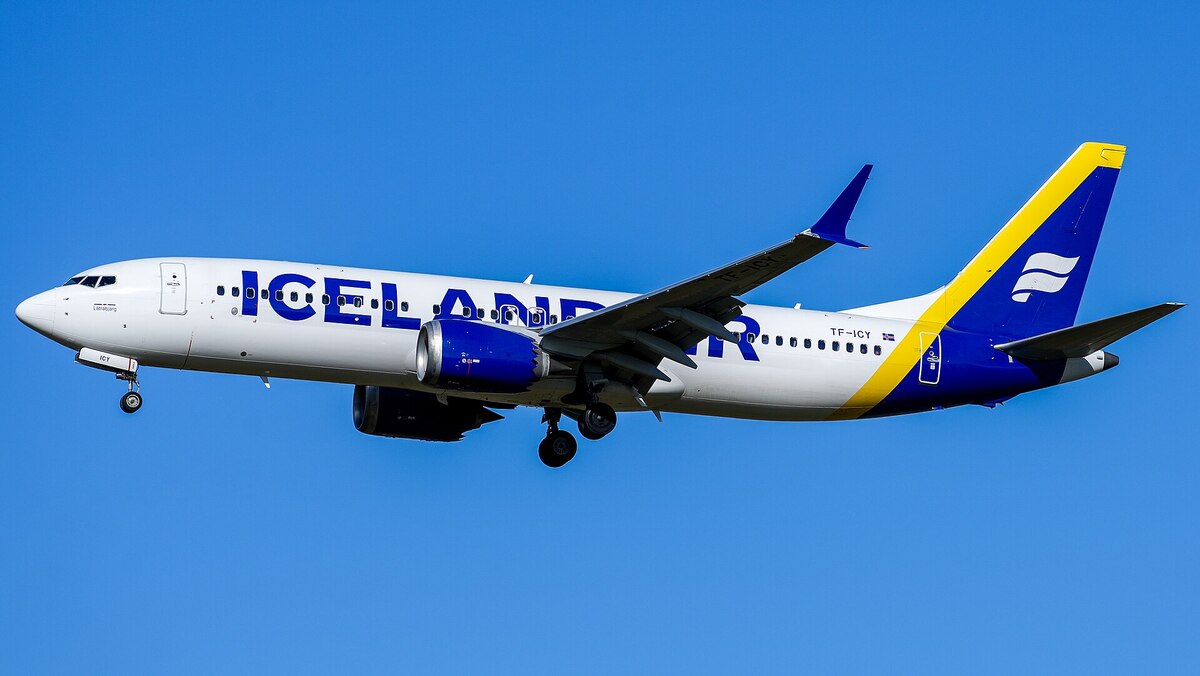
1. Icelandair – Iceland’s Leading International Airline
Icelandair is a major contributor to Iceland’s international air connectivity, linking Keflavík with destinations across Europe and North America. Its 2026–27 schedule includes connections with London Heathrow, Copenhagen, Paris, Frankfurt, Amsterdam, New York, Toronto and several other cities. The airline’s network also supports journeys between Europe and North America through Iceland. These services create opportunities for visitors to explore Reykjavík, the Golden Circle, the Blue Lagoon and Iceland’s remarkable natural landscapes. Icelandair’s year-round and seasonal flights help support tourism businesses, hotels and local communities across the country.
Advertisement
Advertisement
2. British Airways – Strengthening Travel Between the UK and Iceland
British Airways provides air connections between London Heathrow and Keflavík International Airport, supporting leisure and business travel between the United Kingdom and Iceland. The airline has also scheduled a special Avios-only service to Reykjavík for the October 2026 half-term holiday period, with an outbound flight on 25 October and a return flight on 1 November. These connections offer British travellers opportunities to experience Iceland’s geothermal attractions, scenic landscapes and Northern Lights. The airline’s wider network also provides connections through London for passengers travelling from other international markets.
3. Lufthansa – Connecting Iceland with Germany and Beyond
Lufthansa supports Iceland’s international connectivity through services between Frankfurt and Keflavík, offering travellers access to one of Germany’s major aviation hubs. The airline also markets connections between Munich and Reykjavík, including flights operated by partner carriers. These services help visitors from Germany and connecting international markets reach Iceland for holidays, business trips and nature-based experiences. Travellers can explore Iceland’s volcanic landscapes, waterfalls and geothermal attractions, while Germany’s extensive aviation network creates additional travel opportunities for passengers arriving from other regions.
4. easyJet – Expanding Affordable Travel Opportunities to Iceland
easyJet contributes to Iceland’s tourism accessibility by offering low-cost flight options from several United Kingdom airports to Reykjavík Keflavík. Its advertised network includes London Gatwick, Manchester, Bristol, Edinburgh and other departure points, with services varying by season. The airline has also announced a new Liverpool–Reykjavík route scheduled to begin on 2 November 2026, operating twice weekly. These connections provide additional options for travellers planning short breaks, family holidays and adventure trips. Greater access to affordable flights can support accommodation providers, tour operators and visitor attractions across Iceland.
5. Delta Air Lines – Supporting Iceland’s North American Tourism Connections
Delta Air Lines plays a role in connecting Iceland with the United States through its transatlantic network. The airline has served Reykjavík since 2011, when it introduced a nonstop route from New York’s John F. Kennedy International Airport. Iceland also featured in Delta’s summer 2026 transatlantic schedule. Looking ahead, Delta has announced a new daily Boston–Reykjavík service beginning on 12 April 2027 and continuing until 30 October 2027. These services strengthen travel opportunities between Iceland and North America, supporting visitors interested in nature tourism, outdoor adventures and cultural experiences.
Overview of Five Airlines Serving Iceland
| Sl. No. | Airline | Country | Important Iceland Connections |
|---|---|---|---|
| 1 | Icelandair | Iceland | London, Paris, Frankfurt, Copenhagen, New York, Toronto |
| 2 | British Airways | United Kingdom | London Heathrow–Keflavík |
| 3 | Lufthansa | Germany | Frankfurt–Keflavík; Munich connections, including partner-operated flights |
| 4 | easyJet | United Kingdom | London Gatwick, Manchester, Bristol, Edinburgh and Liverpool |
| 5 | Delta Air Lines | United States | New York–Reykjavík and other seasonal US connections; Boston service planned for 2027 |
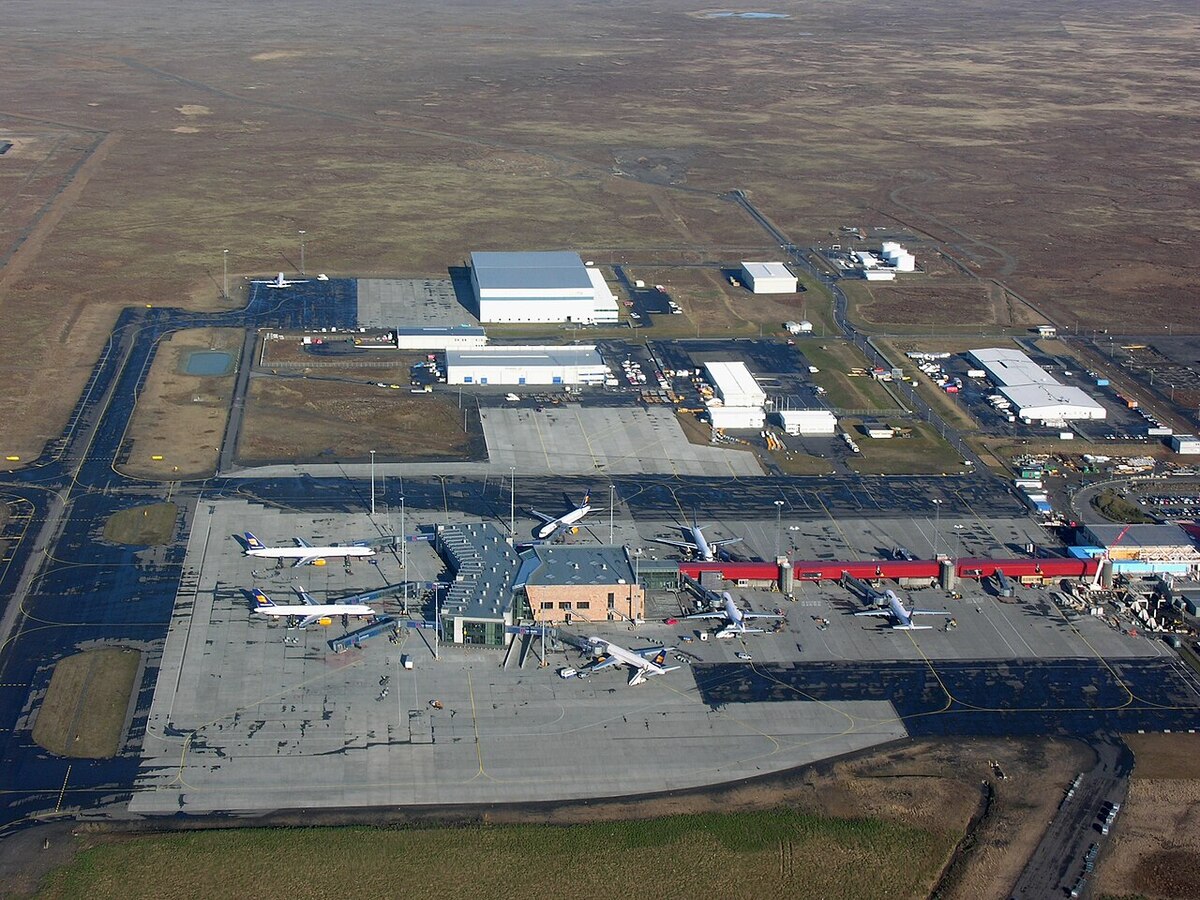
1. Keflavík International Airport – Iceland’s Main Global Tourism Gateway
Keflavík International Airport (KEF) serves as Iceland’s primary gateway for international travellers arriving from Europe, North America and other connecting markets. Located on the Reykjanes Peninsula, approximately 50 kilometres from Reykjavík Airport, it connects the island nation with major cities including London, Copenhagen, Paris, Amsterdam, New York and Toronto. Its extensive international network makes it particularly important for leisure tourism, business travel and transatlantic connections.
The airport recorded 711,978 passengers in September 2026, representing a 5.2% decrease compared with September 2025. During the month, 25 airlines operated direct services to 69 destinations, with Copenhagen, London and New York among the busiest routes. Despite the decline, Keflavík remained Iceland’s most important aviation gateway, supporting hotels, tour operators, car hire companies and tourism attractions across the country.
Advertisement
Advertisement
2. Reykjavík Airport – The Heart of Iceland’s Domestic Aviation Network
Reykjavík Airport (RKV) is Iceland’s principal domestic aviation hub, situated close to Reykjavík city centre. Unlike Keflavík, which handles most international passenger traffic, Reykjavík Airport primarily supports flights connecting the capital with smaller towns and regional destinations. Scheduled services include Akureyri in North Iceland, Egilsstaðir in East Iceland and Ísafjörður in the Westfjords, making it an important transport centre for residents and tourists.
The airport is particularly useful for international visitors planning multi-destination holidays without spending long periods travelling by road. Domestic flights allow passengers to reach distant regions and enjoy Iceland’s mountains, fjords, waterfalls and cultural attractions. However, travellers arriving internationally at Keflavík generally need to arrange a separate ground transfer to Reykjavík Airport before boarding domestic services. This distinction is important when planning connecting journeys and travel itineraries.
3. Akureyri Airport – Opening North Iceland to Tourism and Adventure
Akureyri Airport (AEY) serves as a major aviation gateway to North Iceland, providing convenient access to Akureyri and its surrounding natural attractions. The airport connects the region with Reykjavík through scheduled domestic flights and is also authorised to accommodate international operations. Its location makes it valuable for travellers who want to explore North Iceland without undertaking a lengthy road journey from the capital.
North Iceland attracts visitors with attractions such as Lake Mývatn, Goðafoss waterfall, geothermal landscapes and whale-watching experiences around Húsavík. Akureyri also serves as an important starting point for winter holidays, snow-based adventures and Northern Lights excursions. Regional air services help distribute tourism activity beyond Reykjavík, benefiting accommodation providers, restaurants, transport companies and local tourism operators. Akureyri’s role in regional connectivity also strengthens access to smaller communities across northern Iceland.
4. Egilsstaðir Airport – Gateway to East Iceland’s Natural Wonders
Egilsstaðir Airport (EGS) provides an essential air connection to East Iceland, a region celebrated for its peaceful fjords, dramatic mountains, forests and beautiful coastal communities. Situated near the town of Egilsstaðir, the airport links eastern Iceland with Reykjavík through scheduled domestic flights. It is also one of Iceland’s certified international airports, although its regular passenger operations are primarily domestic.
For tourists, Egilsstaðir Airport provides access to attractions such as Hallormsstaður National Forest, Lagarfljót lake and the scenic Eastfjords. The airport is particularly useful for travellers seeking quieter destinations and nature-based experiences away from Iceland’s busiest tourism areas. Its connectivity supports regional tourism development by helping visitors reach local accommodation, restaurants, guided excursions and outdoor activities. The airport also provides important transport access for residents and businesses in East Iceland.
Advertisement
Advertisement
5. Ísafjörður Airport – Connecting Travellers with Iceland’s Remote Westfjords
Ísafjörður Airport (IFJ) is an important regional airport serving the Westfjords, one of Iceland’s most remote and naturally beautiful areas. The airport connects Ísafjörður with Reykjavík through domestic passenger services, providing an alternative to lengthy journeys through mountainous terrain and winding coastal roads. Its location makes it especially valuable for visitors who want to experience a quieter side of Iceland.
The Westfjords are known for their rugged mountains, deep fjords, traditional fishing communities and spectacular natural scenery. Popular regional attractions include Dynjandi waterfall, coastal hiking routes and wildlife-watching opportunities. Ísafjörður Airport helps make these experiences more accessible while supporting local tourism businesses, guesthouses and transport providers. Its services are also important for residents and businesses that depend on reliable connections with Reykjavík. Weather conditions can affect regional aviation, making flexible travel planning particularly important.
Key Details of Iceland’s Five Major Airports
| Sl. No. | Airport | IATA Code | Location | Primary Tourism Role |
|---|---|---|---|---|
| 1 | Keflavík International Airport | KEF | Reykjanes Peninsula | International arrivals and global connectivity |
| 2 | Reykjavík Airport | RKV | Reykjavík | Domestic flights and regional transfers |
| 3 | Akureyri Airport | AEY | North Iceland | Northern tourism and regional connectivity |
| 4 | Egilsstaðir Airport | EGS | East Iceland | Access to Eastfjords and nature tourism |
| 5 | Ísafjörður Airport | IFJ | Westfjords | Remote regional travel and adventure tourism |
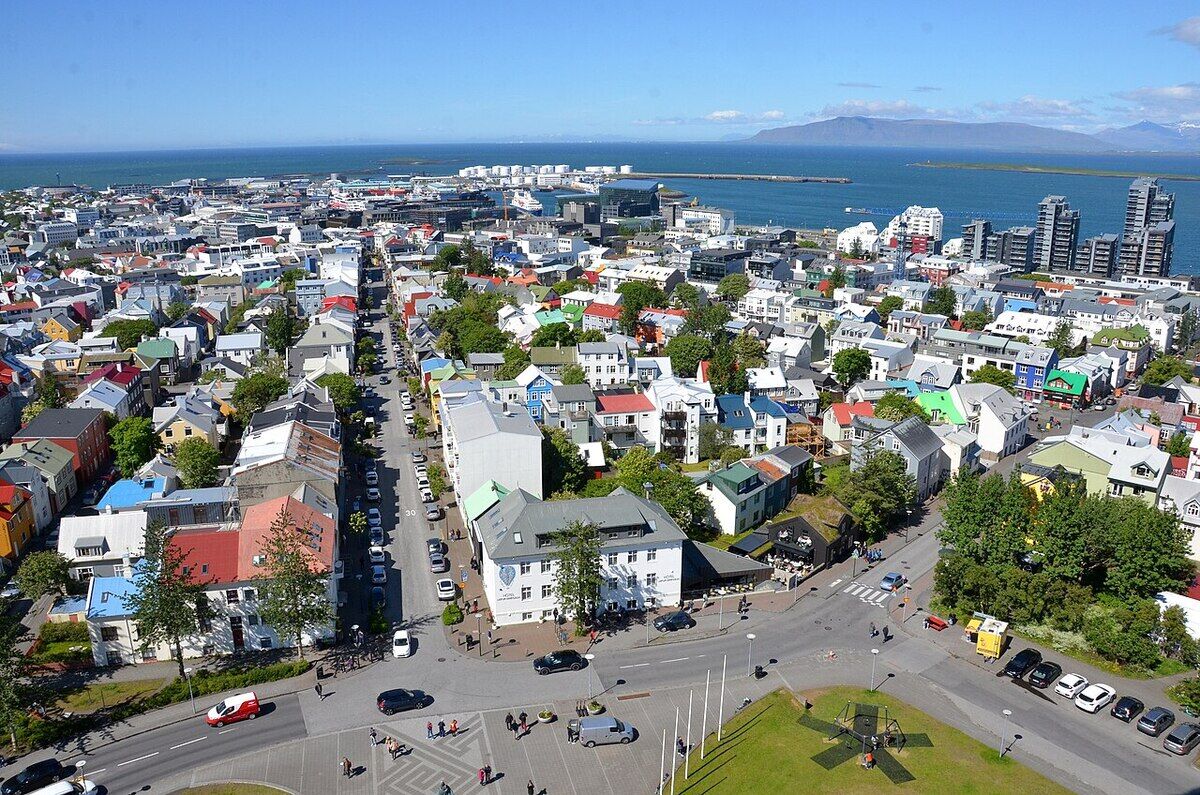
1. The Reykjavík EDITION – Luxury Waterfront Hospitality in Iceland’s Capital
Located near Reykjavík’s Old Harbour and the famous Harpa Concert Hall, The Reykjavík EDITION is one of Iceland’s prominent luxury hospitality properties. The hotel features 253 guest rooms and suites, with contemporary interiors, elegant furnishings and views overlooking the harbour and surrounding landscapes. Its central location provides convenient access to Reykjavík’s shopping districts, restaurants, cultural landmarks and waterfront attractions.
The hotel offers several dining and entertainment venues, including TIDES restaurant, a rooftop destination and stylish social spaces. Guests can also enjoy spa treatments, a sauna, steam room and fitness facilities. Business travellers benefit from meeting rooms and private event facilities, while holidaymakers can use the hotel as a base for exploring the Golden Circle, Blue Lagoon and other attractions in South-West Iceland. Its combination of luxury accommodation and urban convenience supports Iceland’s premium tourism market.
2. Hotel Borg – Historic Elegance and Cultural Experiences
Hotel Borg is a historic four-star hotel situated in central Reykjavík, overlooking Austurvöllur Square. Established in 1930, the property is recognised for its distinctive Art Deco architecture, sophisticated interiors and connection to Iceland’s hospitality heritage. The hotel offers 99 rooms, ranging from comfortable single accommodation to spacious luxury suites, making it suitable for couples, independent travellers and visitors interested in Icelandic culture.
Guests have access to modern facilities, including Borg Spa, a fitness area and wellness treatments. Its central position allows visitors to explore attractions such as Hallgrímskirkja Church, Reykjavík’s Parliament House, Tjörnin pond and nearby shopping streets. Restaurants, cafés and cultural venues are also within walking distance. Hotel Borg combines traditional character with modern hospitality, giving international tourists an opportunity to experience Reykjavík’s history while enjoying contemporary accommodation.
Advertisement
Advertisement
3. Canopy by Hilton Reykjavík City Centre – Modern Accommodation for City Explorers
Canopy by Hilton Reykjavík City Centre offers contemporary accommodation in one of the capital’s most accessible neighbourhoods. Located on Smiðjustígur, the hotel features 112 rooms across five floors and combines modern design with elements of Icelandic culture. The property draws inspiration from its building’s past as a furniture factory, music venue and arts space, creating a distinctive atmosphere for international visitors.
The hotel provides dining facilities, a fitness centre, meeting rooms, free Wi-Fi and concierge services. Its restaurant, Geiri Smart, serves dishes prepared with seasonal ingredients, while the hotel’s central position allows guests to explore shopping areas, cafés, museums and popular landmarks. Hallgrímskirkja Church and Harpa Concert Hall are within convenient reach. With its urban location and comfortable facilities, the hotel appeals to travellers planning city breaks, cultural holidays and business visits.
4. The Retreat at Blue Lagoon – Premium Geothermal Wellness Tourism
The Retreat at Blue Lagoon is a luxury wellness resort situated within the extraordinary volcanic landscapes of Iceland’s Reykjanes Peninsula. The property offers 60 suites designed around the surrounding lava fields, moss-covered terrain and geothermal waters. Its accommodation features elegant interiors, large windows and views of Iceland’s striking natural environment, while selected suites provide private access to geothermal lagoons.
A major attraction is the Retreat Spa, which offers geothermal bathing, relaxation facilities and wellness treatments. Guests can also experience the famous Blue Lagoon, enjoy Icelandic cuisine and participate in activities such as yoga. The property is particularly appealing to couples, luxury travellers and visitors seeking peaceful wellness holidays. By combining premium accommodation with Iceland’s geothermal resources, The Retreat demonstrates how natural attractions can support high-value tourism experiences. Travellers should check current volcanic safety guidance and road access arrangements before visiting the Reykjanes Peninsula.
5. Fosshotel Glacier Lagoon – Adventure Tourism Surrounded by Spectacular Landscapes
Fosshotel Glacier Lagoon is a four-star superior hotel in Hnappavellir, South-East Iceland, positioned between Skaftafell and the famous Jökulsárlón Glacier Lagoon. Surrounded by dramatic mountains, glaciers and open countryside, the property provides an excellent base for travellers exploring Iceland’s natural wonders. It offers 125 modern guest rooms, including accommodation with mountain or ocean views.
The hotel features a restaurant, bar, fitness facilities, sauna, hot tubs and electric vehicle charging points. Its location makes it particularly attractive for visitors interested in glacier walks, hiking, landscape photography and outdoor adventures. During suitable winter conditions, the surrounding countryside can also offer opportunities to observe the Northern Lights. As part of the Íslandshótel group, the property holds Green Key environmental certification, reflecting its commitment to more sustainable hospitality practices.
Advertisement
Advertisement
Overview of Five Hotels in Iceland
| Sl. No. | Hotel | Location | Accommodation Type | Major Tourism Appeal |
|---|---|---|---|---|
| 1 | The Reykjavík EDITION | Reykjavík | Luxury waterfront hotel | Premium stays, dining, wellness and city sightseeing |
| 2 | Hotel Borg | Reykjavík | Historic four-star hotel | Cultural tourism, heritage and city breaks |
| 3 | Canopy by Hilton Reykjavík City Centre | Reykjavík | Contemporary lifestyle hotel | Shopping, dining, business and urban tourism |
| 4 | The Retreat at Blue Lagoon | Grindavík | Luxury geothermal resort | Wellness, spa experiences and volcanic landscapes |
| 5 | Fosshotel Glacier Lagoon | South-East Iceland | Four-star superior nature hotel | Glacier adventures, hiking and Northern Lights |
Iceland City Guide:
Iceland continues to capture global attention with its extraordinary natural beauty, breathtaking landscapes and unforgettable travel experiences. Known as the Land of Fire and Ice, this spectacular Nordic island nation has become a dream destination for adventure seekers, nature lovers and international travellers. From towering glaciers and active volcanoes to magnificent waterfalls, geothermal hot springs and the magical Northern Lights, Iceland offers an exceptional combination of natural wonders. Its dramatic coastlines, scenic mountain ranges, charming towns and rich cultural heritage add to its growing appeal. Whether exploring Reykjavík’s vibrant streets, relaxing in geothermal lagoons or discovering the country’s untouched wilderness, visitors can enjoy remarkable experiences throughout the year. With its distinctive landscapes, outdoor adventures and captivating natural attractions, Iceland continues to strengthen its reputation as one of Europe’s most fascinating and sought-after tourism destinations.
Top Attractions in Iceland: Explore Stunning National Parks, Viking Heritage, Museums and Geothermal Wonders
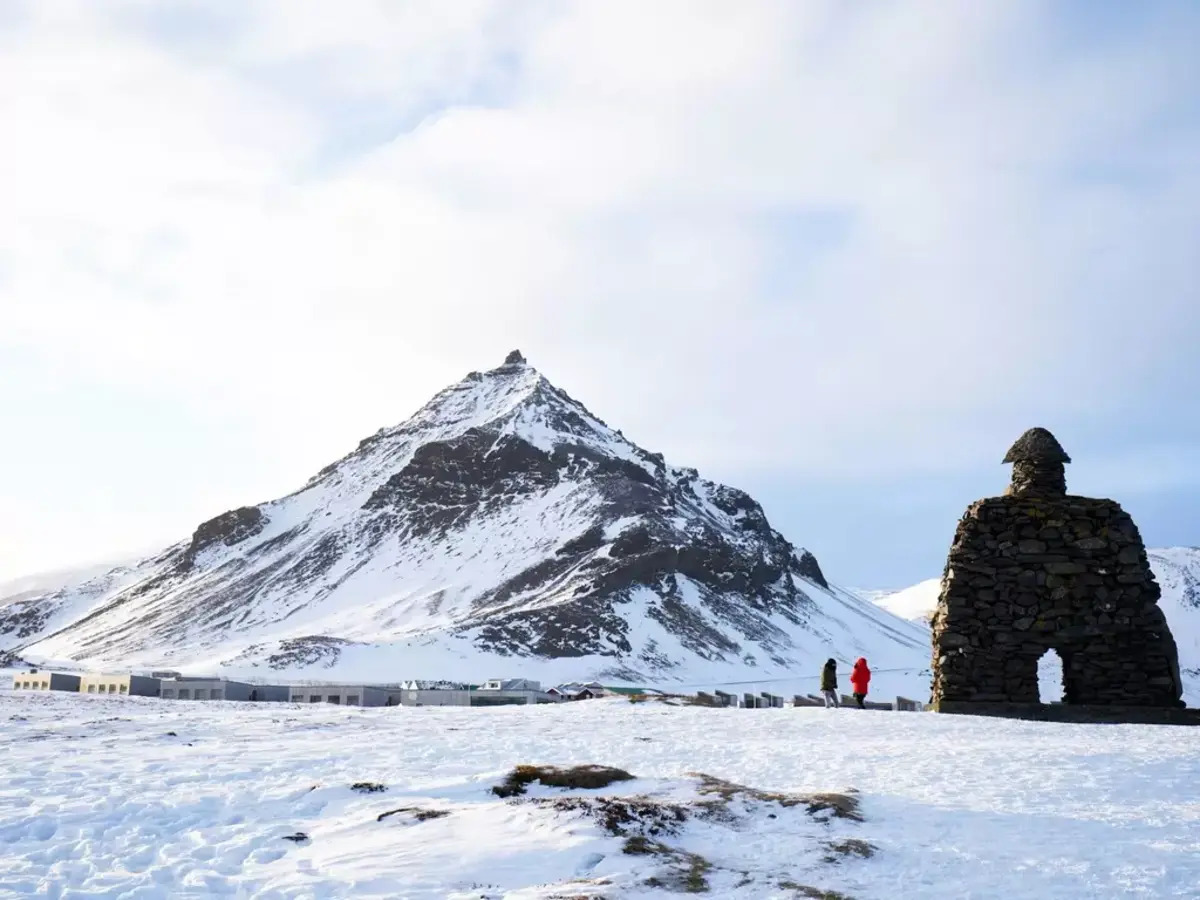
1. Snæfellsjökull National Park – Discover Iceland’s Glaciers and Volcanic Landscapes
Located at the western end of Iceland’s spectacular Snæfellsnes Peninsula, Snæfellsjökull National Park is celebrated for its glacier-covered volcano, rugged lava formations and dramatic coastal scenery. The park surrounds Snæfellsjökull, an impressive volcanic mountain crowned by an ice cap. Visitors can explore scenic hiking trails, ancient lava fields, fascinating geological formations and coastal areas known for birdwatching and occasional whale sightings. Guided glacier excursions are available when weather and safety conditions permit. The glacier gained worldwide literary fame through Jules Verne’s novel Journey to the Centre of the Earth, which imagined the volcano as an entrance to the planet’s interior. The visitor centre at Malarrif offers information about the park’s landscapes, walking routes, wildlife and conservation efforts.
2. Aðalstræti Settlement Exhibition – Explore Reykjavík’s Ancient Viking History
The Aðalstræti Settlement Exhibition offers visitors a fascinating opportunity to discover Reykjavík’s earliest history through archaeological remains and engaging multimedia displays. Located at Aðalstræti 10 and 16, the museum features the foundations of a Viking Age longhouse uncovered during excavations in 2001 and 2002. The exhibition explains how Iceland’s first settlers lived, built their homes and adapted to challenging environmental conditions. Visitors can examine ancient household objects, archaeological discoveries and volcanic ash layers that help historians understand the settlement period. Interactive installations recreate Reykjavík’s development from a small farming community into Iceland’s modern capital. The historic wooden building at Aðalstræti 10 adds another dimension to the experience, showcasing the city’s architectural and commercial heritage.
3. National Museum of Iceland – Experience Centuries of Icelandic Culture and Heritage
The National Museum of Iceland provides an extensive journey through the country’s history, from its earliest settlements to the modern era. Situated in Reykjavík, the museum houses archaeological discoveries, Viking-era weapons, traditional clothing, religious objects and everyday household items. Exhibitions explore the arrival of Norse settlers, the introduction of Christianity, periods of foreign rule and Iceland’s eventual independence in 1944. Among its notable collections are medieval artefacts, historical manuscripts, decorative objects and archaeological finds that reveal how Icelandic communities developed over centuries. Visitors can also discover how fishing, farming, religion and cultural traditions shaped the nation’s identity. The museum offers an educational and rewarding experience for travellers interested in Iceland’s history, heritage and distinctive Nordic culture.
4. Reykjavík Maritime Museum – Discover Iceland’s Powerful Connection with the Sea
The Reykjavík Maritime Museum highlights the important role of fishing, maritime trade and seafaring in Iceland’s economic and cultural development. Housed in a former fish-processing facility near Reykjavík’s old harbour, the museum explores the country’s fishing traditions and the challenges faced by generations of sailors. Exhibitions explain how fishing methods evolved from small traditional boats to modern commercial vessels, helping visitors understand the industry’s influence on Icelandic communities. One of its major attractions is the historic coastguard vessel Óðinn, which played a role in the Cod Wars involving Iceland and Britain during the twentieth century. Through historical displays, maritime equipment and educational exhibits, the museum reveals how the ocean helped shape Iceland’s identity and prosperity.
5. Geysir Geothermal Area – Witness Iceland’s Spectacular Erupting Hot Springs
The Geysir Geothermal Area is one of Iceland’s most remarkable natural attractions, located in the Haukadalur Valley along the famous Golden Circle sightseeing route. The geothermal region features steaming hot springs, bubbling mud pools, colourful mineral deposits and powerful geysers. The Great Geysir, which inspired the international term geyser, is largely inactive today, but nearby Strokkur regularly sends impressive columns of hot water into the air, often reaching heights of approximately 15 to 30 metres. Visitors can explore designated walking paths and observe the dramatic geothermal activity created by Iceland’s volcanic geology. The surrounding landscape also offers opportunities for photography and nature exploration. Travellers should remain on marked paths because the water and surrounding ground can reach extremely high temperatures.
Iceland’s Top Five Tourist Attractions at a Glance
| Sl. No. | Tourist Attraction | Location | Main Highlights |
|---|---|---|---|
| 1 | Snæfellsjökull National Park | Snæfellsnes Peninsula | Glacier, volcano, hiking, lava fields and coastal wildlife |
| 2 | Aðalstræti Settlement Exhibition | Reykjavík | Viking longhouse, archaeological remains and interactive history |
| 3 | National Museum of Iceland | Reykjavík | Viking artefacts, Icelandic heritage and historical exhibitions |
| 4 | Reykjavík Maritime Museum | Reykjavík | Fishing history, maritime culture and historic coastguard ship |
| 5 | Geysir Geothermal Area | Haukadalur Valley | Strokkur eruptions, hot springs and geothermal landscapes |