
Canada’s tourism sector has seen tremendous success through the summer travel and hosting of top events in Toronto and Calgary. Indeed, Canada’s tourism industry is now at its greatest point in history. This has been made possible because of the unique convergence of top sports events, entertainment venues, culturally rich festivals, and international marketing drives that have transformed Canada’s major cities from stop-overs to full-fledged global destinations. Among these cities, Toronto, in addition to others such as Calgary, Vancouver, Montréal, and Halifax, continues to be a leader in tourism activities in Canada.
The national surge reflects a shifting paradigm in global travel. Foreign visitors from Europe, Asia, and the Americas are taking advantage of high purchasing power, while domestic travel within Canada remains at near-record levels. Together, Canada’s prime destinations are creating an interconnected network of travel routes that spread economic benefits from coast to coast.
Toronto, Ontario: The Flagship Driver of National Growth
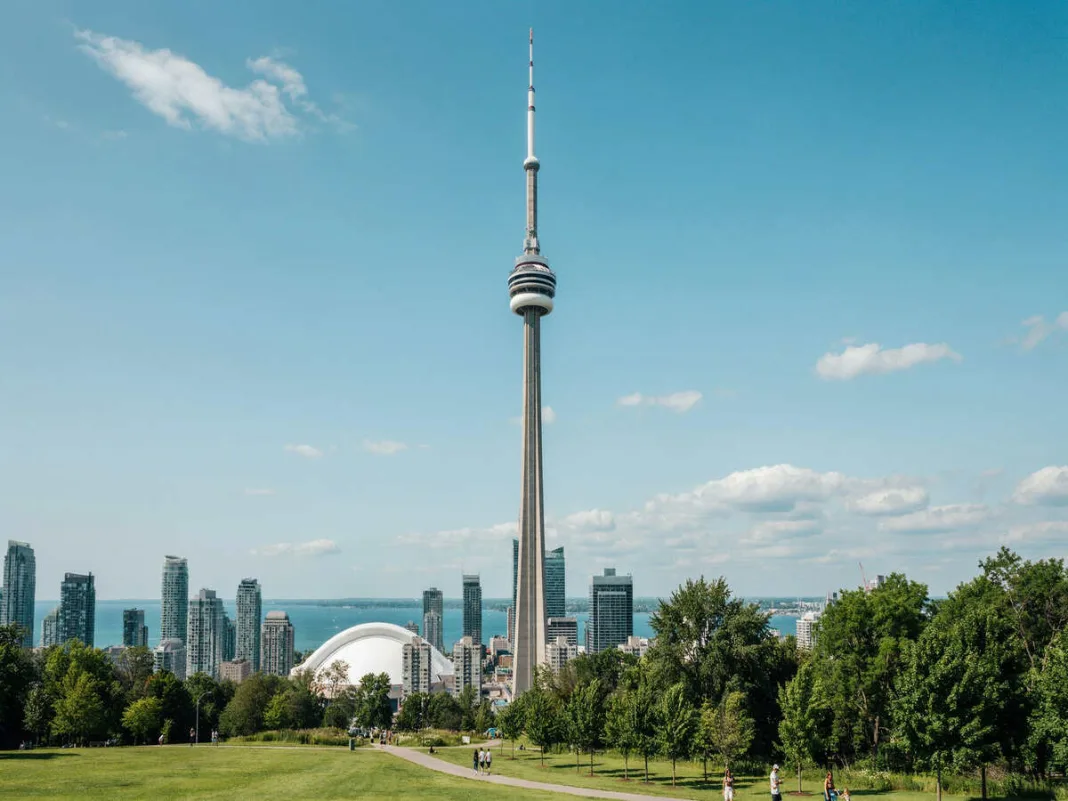
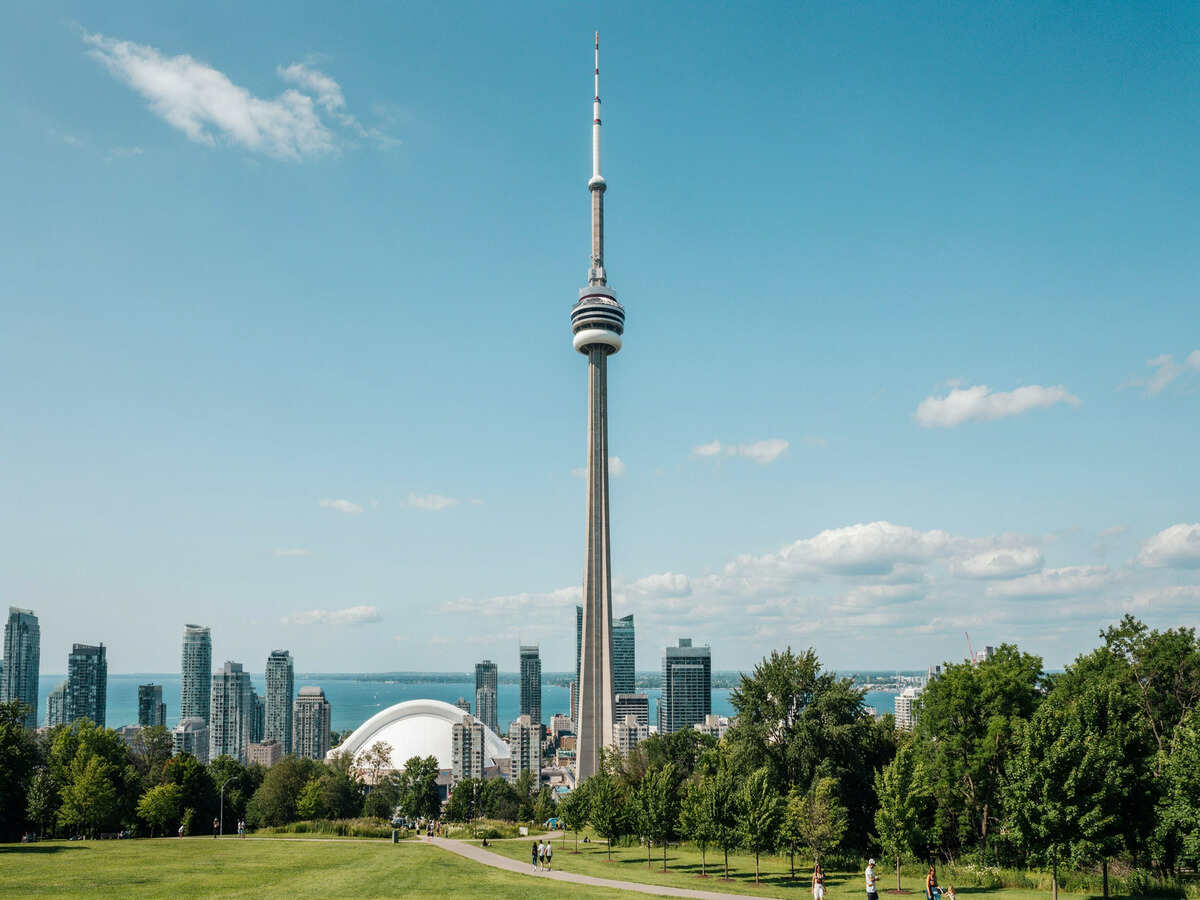
As Canada’s primary commercial and cultural metropolis, Toronto acts as both a anchor destination and the central distribution hub for international arrivals across the country. Through strategic infrastructure investments, venue expansions, and world-stage event hosting, Toronto has set a new benchmark for urban travel.
Strategic Drivers & Key Statistics
- International & Domestic Visitor Surge: Driven by expanded international marketing through dedicated offices in the United Kingdom and Germany, Toronto recorded a 17% year-over-year increase in international visits during the peak summer months. Concurrently, domestic visits jumped 25%, as Canadians increasingly prioritized multi-day urban stays within national borders.
- The FIFA World Cup Catalyst: Hosting five high-profile FIFA World Cup matches at BMO Field delivered an estimated $940 million in total economic activity across the Greater Toronto Area. Hotel occupancy in the downtown core reached near-capacity levels around match days, generating massive international exposure.
- Rogers Stadium & Arena Concert Momentum: The opening of Rogers Stadium—a dedicated 50,000-capacity open-air venue—alongside major concert dates at Scotiabank Arena and Rogers Centre, brought hundreds of thousands of out-of-town music fans into the city core for multi-day concert events by global icons like BTS, Rush, and Bruno Mars.
- Convention & Trade Show Realignment: Destination Toronto strategically rescaled and rescheduled over 45 major annual conventions and international trade shows into the spring and early summer periods. This realignment established a consistent baseline of high-spending business delegates prior to the peak leisure season.
How Toronto Boosts Canada Tourism
Toronto acts as the ultimate gateway. Over 60% of long-haul international visitors landing at Toronto Pearson International Airport extend their stay beyond the city limits. By capturing high-value international travelers and facilitating seamless multi-destination itineraries to nearby regions like Niagara, Ottawa, and Montréal, Toronto multiplies the financial return of every overseas arrival.
Calgary & Banff, Alberta: Western Canada’s High-Yield Engine
Positioned where the Canadian prairies meet the Rocky Mountains, Calgary—paired with the ecological draw of Banff and Lake Louise—delivers a balance of Western heritage and natural exploration.
Core Attractions & Performance Drivers
- The Calgary Stampede: Renowned as “The Greatest Outdoor Show on Earth,” the 10-day event consistently breaks attendance barriers, drawing over 1.3 million guests annually. International visitors account for a significant share of ticket sales, boosting local hotel yields and retail activity across Southern Alberta.
- Gateway to the Canadian Rockies: Calgary International Airport serves as the essential transit corridor for long-haul eco-tourists heading directly into Banff National Park, Lake Louise, and Jasper.
- Corporate & Energy Travel: Beyond leisure travel, Calgary’s corporate travel sector continues to grow, driven by international energy conferences, global agribusiness summits, and commercial expansion.
How Calgary Boosts Canada Tourism
Calgary anchors Western Canada’s high-yield travel routes. By converting seasonal Stampede attendees into long-haul wilderness explorers, Calgary ensures that high-spending international travelers spend extended periods in Alberta, benefiting rural economies, national park conservation funds, and regional transportation lines.
Advertisement
Advertisement
Vancouver, British Columbia: The Pacific Rim & Cruise Gateway
Vancouver’s unique geographic position makes it a natural focal point for international visitors arriving from Asia-Pacific, North America, and Europe.
Core Attractions & Strategic Pillars
- Co-Hosting the World Stage: As Canada’s second host city for the FIFA World Cup alongside Toronto, Vancouver’s BC Place underwent major infrastructure enhancements. The matches catalyzed extended stays across the Pacific Northwest.
- Record Cruise Terminal Traffic: Operating out of Canada Place, Vancouver’s cruise ship terminal broke historic passenger records, serving as the northern hemisphere’s premier embarkation point for Alaska-bound luxury cruises.
- Eco-Tourism & Urban Outdoor Culture: The combination of Stanley Park, coastal mountain access, and sea-to-sky transit routes continues to position Vancouver as a top-tier destination for wellness, eco-tourism, and outdoor adventure.
How Vancouver Boosts Canada Tourism
Vancouver serves as Canada’s Pacific front door. The city captures overseas travel markets from Asia-Pacific nations and converts cruise passengers into land-based tourists who stay extra nights in downtown hotels, dine at local culinary establishments, and travel inward toward Whistler and the Okanagan Valley.
Advertisement
Advertisement
Montréal, Quebec: The Cultural & Culinary Festival Hub
Montréal provides a distinct European flare within North America, leveraging a dense lineup of summer festivals, historic architecture, and a world-renowned culinary scene.
Core Attractions & Summer Highlights
- Global Festival Leadership: As the self-proclaimed festival capital of North America, Montréal hosts iconic global gatherings, including the Montréal International Jazz Festival, Osheaga Music and Arts Festival, and the Just for Laughs festival network.
- Old Montréal & European Appeal: Cobblestone streets, centuries-old architecture, and independent boutique hotels offer European charm without cross-Atlantic flight times for North American travelers.
- Gastronomic Tourism: Montréal’s dining sector—ranging from fine dining to historic bakeries—acts as a standalone travel motivation for international food enthusiasts.
How Montréal Boosts Canada Tourism
Montréal drives high-frequency repeat visitation, particularly from the Northeastern United States and Europe. Its vibrant urban atmosphere keeps hotel occupancy rates among the highest in North America throughout the summer, while creating natural travel pairings with Quebec City, Ottawa, and Toronto.
Halifax & Coastal Atlantic Canada: Maritime Heritage & Ocean Tourism
Atlantic Canada has emerged as one of the fastest-growing tourism regions in the country, with Halifax functioning as its primary urban, maritime, and flight hub.
Core Attractions & Regional Hotspots
- Revitalized Waterfront District: Halifax boasts one of the world’s longest continuous boardwalks, lined with maritime museums, local craft breweries, seafood institutions, and ocean-excursion terminals.
- Cruising & Atlantic Drive Markets: Halifax Harbour welcomes record numbers of trans-Atlantic and East Coast cruise lines, while road-trippers from Ontario, Quebec, and New England travel into the region via land.
- Coastal Exploration Hub: Visitors utilize Halifax as their starting point to explore famous coastal landmarks, including Peggy’s Cove, the Cabot Trail on Cape Breton Island, and Prince Edward Island.
How Halifax Boosts Canada Tourism
Halifax diversifies Canada’s national tourism portfolio by highlighting Atlantic history, maritime culture, and coastal scenery. It expands the nation’s geographical tourism footprint, ensuring eastern coastal communities experience sustained economic growth during peak travel seasons.
Advertisement
Advertisement
Niagara-on-the-Lake & Regional Hotspots, Ontario: Heritage & Viticulture
Beyond Canada’s major metropolitan cities, specialized regional destinations play a crucial role in increasing visitor length of stay and overall travel expenditure.
Highlights & Key Appeals
- World-Class Viticulture: Niagara-on-the-Lake is Canada’s premier wine-tasting region, globally recognized for its Icewine production, estate wineries, and farm-to-table dining experiences.
- Heritage Architecture & Arts: The town features preserved 19th-century architecture, boutique heritage inns, and the famous Shaw Festival theatre season.
- Proximity to Natural Wonders: Located minutes from Niagara Falls and less than two hours from downtown Toronto, it serves as an ideal retreat for international leisure travelers.
How Regional Destinations Boost Canada Tourism
By providing high-end cultural, culinary, and agricultural experiences right outside major urban transit hubs, destinations like Niagara-on-the-Lake prevent tourist congestion in city centers while raising the average spend per visitor.
A Unified Vision for Canada’s Tourism Future
Canada’s record-setting summer tourism surge is not an isolated event; it is the result of a coordinated national ecosystem. By pairing mega-urban centers like Toronto—which offer international flight access, stadium entertainment, and world-stage sporting events—with regional Western powerhouses like Calgary, coastal gateways like Vancouver and Halifax, and cultural capitals like Montréal, Canada presents an unmatched variety of travel options to the world.
Toronto and Calgary lead Canada’s tourism boom with an all-time high of summer tourism, international sports, and cultural attractions.
With heightened international brand presence and increased infrastructure development, Canada’s tourism industry emerges as one of the key pillars of economic resilience, cultural exchange, and sustainable tourism development in the world.