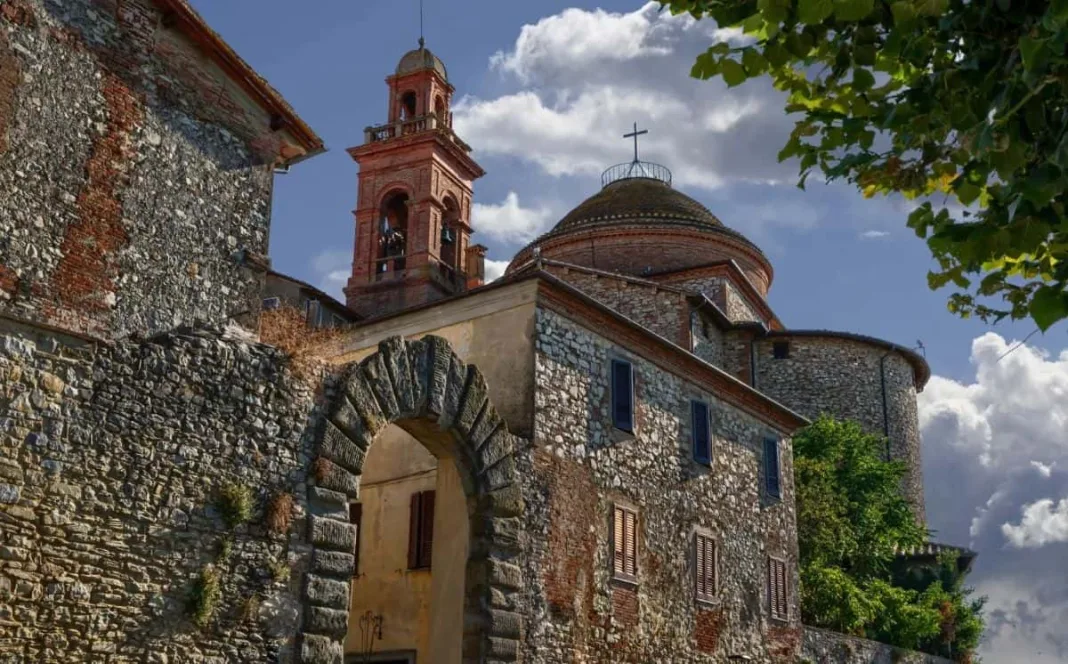

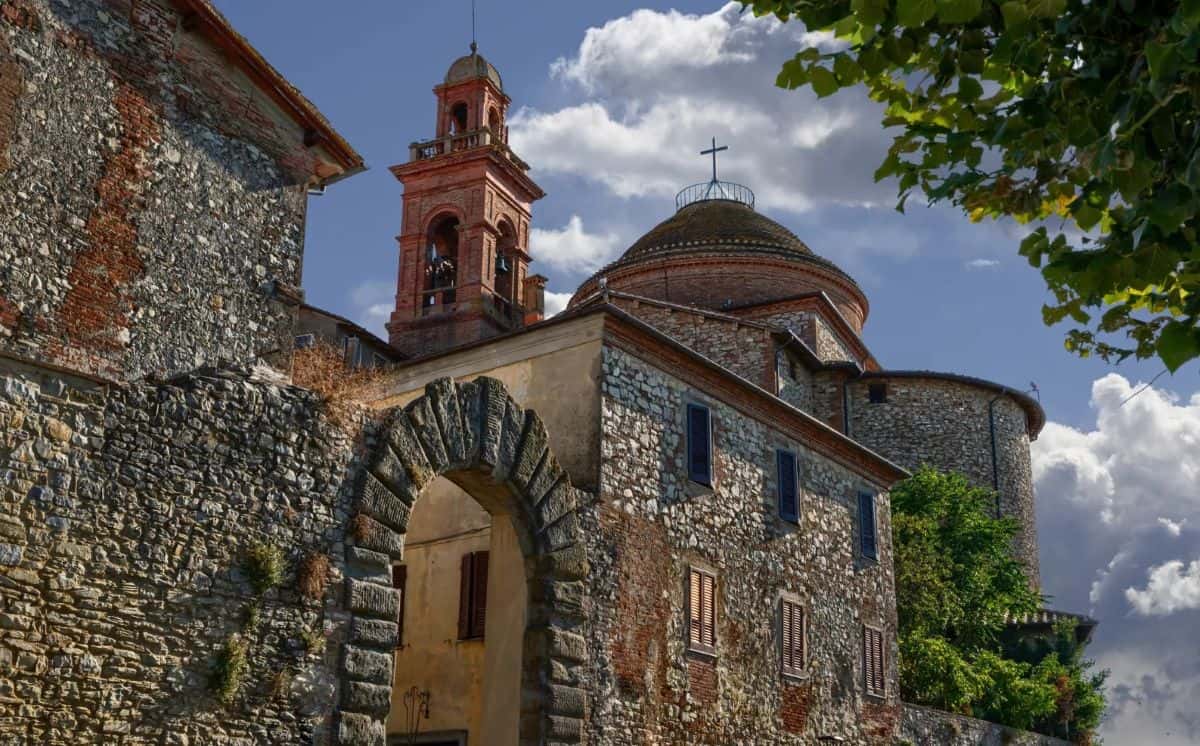
Perched along the sunny hills of Conegliano Valdobbiadene, where green vineyards hold on to very steep sides time feels like it moves slower with each step. There is a touching magic, in walking through these old hills feeling the cool mountain wind smelling the wet earth and watching local families take care of old vines with their hands. Walking through the Prosecco hills in Italy on foot is not another pretty trip; it is a very meaningful walk that connects your heart to the land changing the way we travel taste and see our amazing world.
Transforming Global Tourism Perspectives Through Active Exploration in Italy’s Historic Wine Regions
Advertisement
Advertisement
How can active exploration redefine our understanding of famous wine destinations across Europe? Indeed, a multi-day hike takes in sparkling views of Italy’s Prosecco hills while unlocking deeper historical and cultural insights. Naturally, travelers who choose to walk through these steep vineyards gain a fresh perspective on local traditions. Furthermore, this immersive style of active tourism significantly boosts regional economies, encouraging visitors to bypass overcrowded metropolitan hubs. Consequently, sustainable trekking routes inspire vacationers worldwide to embrace slow-paced journeys that respect sensitive natural landscapes.
Furthermore, this shift toward eco-conscious travel alters overall visitor behavior on a global scale. Travelers increasingly seek authentic, hands-on encounters rather than superficial sightseeing excursions. Therefore, exploring rural agricultural terraces fosters genuine human connections between visitors and local winemakers. As a result, the global tourism sector is rapidly adapting to meet the demands of health-conscious, adventure-seeking individuals. Ultimately, walking through these iconic landscapes proves that deliberate, mindful travel creates unforgettable memories while preserving delicate cultural ecosystems for future generations.
Advertisement
Advertisement
Navigating the initial trail from Susegana to Pieve di Soligo with immersive vineyard stops
The journey commenced at Susegana, situated on the edge of the Conegliano Valdobbiadene DOCG winemaking zone, roughly 50 miles north of Venice. The path meandered past quiet residential communities, bubbling streams, and shaded woodland trails, eventually leading up toward the historic ruins of Castello di Collalto. Along this initial eight-mile leg, the peaceful rural setting offered sweeping vistas over the surrounding countryside, allowing hikers to appreciate the natural harmony of the terrain before descending into Pieve di Soligo.
Advertisement
Advertisement
Upon reaching Pieve di Soligo, an informative stop at Cal Monda highlighted the vital role of agricultural biodiversity and traditional manual cultivation along the steep, hogback-terraced hillsides. It was noted that local winemakers avoided heavy synthetic chemicals and industrial machinery to protect the natural ecosystem. Visitors were introduced to col fondo, an unfiltered, bottle-fermented traditional sparkling wine characterized by its cloudy appearance and complex, nutty flavor profile, which contrasts sharply with mass-produced alternatives.
Advancing across dramatic terrain from Pieve di Soligo to the scenic heights of San Pietro di Barbozza
Advertisement
Advertisement
Continuing forward, the second major leg involved a challenging six-mile ascent toward San Pietro di Barbozza. The surrounding landscape transformed into sharp, parallel valleys covered in dense rows of Glera vines clinging to precipitous slopes. Because these dramatic ridges remained completely inaccessible to modern harvesting machinery, every step along the trail emphasized the immense physical labor required to cultivate grapes in such steep topography.
Upon arrival in San Pietro di Barbozza, local hospitality provided welcome refreshment on panoramic terraces overlooking the valley. Guests enjoyed regional specialties, including a Negroni sbagliato crafted with local bubbly, before dining at Trattoria alla Cima on prosecco-infused risotto and charred steak. Later, overnight accommodations at Municipio 1815 offered convenient access to nearby tasting rooms, showcasing how integrated local hospitality enhances the overall trekking experience.
Uncovering rare terroirs and natural winemaking methods beyond standard Glera grapes
Exploring further into the exclusive Cartizze sub-region, a 267-acre area renowned for producing exceptional sparkling wines, revealed centenarian Glera vines stretching impressively tall. A tasting of Cartizze PDC Extra Brut demonstrated how refined storytelling and organic cultivation techniques continue to elevate the international prestige of the region’s finest vineyards.
Advertisement
Advertisement
In addition, an insightful visit to Costadilà demonstrated an alternative approach to regional viticulture. Rather than focusing on commercial production, the winery crafted natural orange wines utilizing historic, native grape varieties such as bianchetta and boschera. This commitment to historical grape varieties and natural processing methods showcased how small-scale producers safeguard ancient agricultural heritage against industrial monoculture.
Completing the journey through historic Follina toward the majestic clifftop fortress of CastelBrando
The final nine-mile leg guided trekkers through softening terrain toward Follina, a historic town famous for its wool-manufacturing heritage and serene Cistercian monastery. The trail continued through verdant meadows, quiet streams, and the hidden hamlet of Valmareno, completely screened from busy primary roadways.
The arduous trek culminated in a steep 370-meter climb up to CastelBrando in Cison di Valmarino, a 2,000-year-old fortress perched dramatically on a limestone cliff. After completing the physical challenge, guests relaxed in the castle’s hydrotherapy spa, utilizing Kneipp baths and Himalayan salt rooms. The journey concluded with a refined dinner and sommelier-led wine tasting, illustrating how luxury wellness and active outdoor exploration combine seamlessly to shape the future of high-end global travel.
Unlocking the Microclimatic Science and Geological Diversity Defining High-Altitude Viticulture
Understanding the exceptional quality of prosecco produced along the Alpine foothills requires examining the unique environmental conditions of Conegliano Valdobbiadene. The vineyards span elevations between 100 meters and 500 meters above sea level, creating a dramatic thermal fluctuation of 10°C to 12°C between day and night. This significant temperature shift slows grape ripening, effectively locking in natural acidity and developing crisp, aromatic floral notes in the Glera variety.
Advertisement
Advertisement
The geographical features of the region further enhance these ideal growing conditions. High annual rainfall averaging between 1,200 mm and 1,400 mm is balanced by dramatic hillsides featuring steep inclines of 30% to 70%. These sharp gradients ensure rapid natural water drainage, preventing root rot while forcing vine roots deep into the earth. The soil composition varies dramatically across the district, creating distinctive flavor profiles. Ancient sandstone and marl define the higher, rugged terrain around Valdobbiadene, yielding highly structured and mineral-forward wines. Conversely, the rolling eastern landscape surrounding Conegliano features glacial clay and limestone deposits, producing broader, fruitier wine expressions.
Measuring the Global Economic Transformation Driven by UNESCO Heritage Status on Rural Agritourism
The designation of the region as a UNESCO World Heritage site in 2019 fundamentally transformed the local tourism economy. The designated territory encompasses a strictly protected core zone spanning 9,197 hectares (22,700 acres), flanked by a designated buffer area covering an additional 9,769 hectares. This formal recognition helped shift regional tourism away from rapid, single-day excursions originating in Venice—located roughly 50 miles south—toward immersive, multi-day outdoor exploration.
This transition drastically altered visitor behavior, increasing the average length of stay from 1.2 days to 3.8 days as travelers swapped brief bus tours for multi-day trekking journeys along the Prosecco Hills Trail. The economic benefits of this shift directly support small rural communities and family-run estates. Annual production across the specialized DOCG zone routinely exceeds 100 million bottles, generating an overall industry valuation above €600 million ($650 million USD). By encouraging travelers to explore on foot, local municipalities successfully capture sustainable tourism revenue while protecting delicate cultural landscapes from the pressures of overtourism.
Evaluating the Extraordinary Physical Demands and Manual Labor Metrics of ‘Heroic’ Slope Farming
Agricultural production across the jagged hogback terraces, locally termed cigli, represents one of the world’s most physically demanding forms of viticulture. Flatland prosecco zones, classified under standard DOC designations, rely on mechanization and require only 60 to 80 man-hours of labor per hectare each year. In contrast, working the steep, unmachineable slopes of the high-tier DOCG vineyards requires an astonishing 600 to 800 man-hours per hectare annually, as every step of pruning, clearing, and harvesting must be executed entirely by hand.
Advertisement
Advertisement
This rugged terrain poses an equally grueling physical challenge for long-distance hikers traversing the 32-mile trail network. Trekkers encounter cumulative vertical elevation gains ranging between 8,000 feet and 10,000 feet, burning approximately 2,500 to 3,500 kilocalories per day. The sheer steepness of celebrated sub-zones like Cartizze and San Pietro di Barbozza involves slope gradients reaching up to 45 degrees. Walking through these vertical vineyards offers travelers an immediate, firsthand appreciation of the intense manual effort required to produce every bottle of artisan sparkling wine.
Deconstructing Fermentation Science, Pressure Dynamics, and Traditional Bottle Re-Fermentation Techniques
Modern prosecco production primarily relies on the Martinotti-Charmat process, where secondary fermentation occurs inside sealed stainless-steel pressure tanks. These specialized vessels operate under 3.5 to 5 bar of atmospheric pressure, maintaining precise temperature controls between 15°C and 18°C over a fermentation period of 30 to 90 days. This carefully monitored environment preserves the bright, clean fruit aromatics characteristic of contemporary sparkling wine styles.
In contrast, historic winemaking traditions survive through the production of col fondo, an unfiltered wine fermented directly inside the bottle. Winemakers bottle the liquid with 10 to 12 grams per liter of natural unfermented sugars alongside wild indigenous yeasts, allowing fermentation to finish naturally without disgorgement. This process yields a cloudy, bone-dry wine with zero residual sugar, known as Extra Brut, featuring complex yeast characteristics. Commercial sweetness classifications highlight these differences, ranging from Brut (containing less than 12 g/L of residual sugar) to Extra Dry (12 to 17 g/L) and Dry (17 to 32 g/L), offering diverse flavor profiles across the region.
Integrating Ecological Corridors and Stringent Chemical Abatement Practices Across Hillside Vineyards
Environmental preservation along the hiking corridor is governed by strict sustainability standards designed to safeguard regional ecology. More than 70% of vineyard operators within the DOCG region hold certification under the National Quality System for Integrated Production (SQNPI). This voluntary framework strictly bans the use of synthetic chemical herbicides, such as glyphosate, encouraging growers to utilize organic weed control methods and native cover crops.
Advertisement
Advertisement
To protect ecological health, regional regulations require farm owners to set aside 1.5 to 2 hectares of uncultivated forest land, hedgerows, and insect shelters for every 10 hectares of active vineyard. These protected wilderness corridors provide crucial habitats for indigenous wildlife, supporting populations of European roe deer, badgers, and more than 40 distinct bird species along the forested ridges. By blending active agricultural terraces with wild natural reserves, the region maintains a balanced ecosystem that enhances environmental resilience.
Exploring Centuries of Architectural Heritage, Fortifications, and Traditional Hillside Civil Engineering
The historical landscape along the trail features centuries of architectural and engineering achievements adapted to steep terrain. Dominating the valley above Cison di Valmarino, the imposing complex of CastelBrando represents over 2,000 years of continuous human occupation, expanding from an ancient Roman outpost into a massive medieval fortress spanning 50 acres with defensive walls reaching 12 meters (39 feet) in height. Today, the restored castle functions as a historical landmark and hotel, offering hikers luxury wellness amenities.
Religious communities played an equally vital role in shaping the surrounding countryside. In the nearby village of Follina, a Cistercian monastery established in the 12th century (circa 1146 AD) introduced advanced water management techniques, utilizing local streams to power wool mills and agricultural production. Surrounding these historic sites are more than 300 kilometers of hand-built dry-stone and grass embankments. Constructed and maintained over 400 years, these terraces stabilized precipitous hillsides, turning treacherous slopes into fertile vineyard ledges.
Establishing Sustainable Trail Footprints, Carbon Reduction Goals, and Seasonal Travel Recommendations
Managing long-distance footpaths across delicate agricultural hillsides requires careful monitoring of visitor numbers and seasonal conditions. The ideal travel windows fall during the spring months of April and May, when mild daily temperatures between 15°C and 22°C create comfortable walking conditions, and during the autumn harvest season in September and October. During the peak harvest period, known locally as the Vendemmia, regional pickers collect over 90,000 metric tons of high-grade grapes entirely by hand.
Advertisement
Advertisement
Promoting self-guided walking itineraries offers substantial environmental advantages over traditional vehicle-based tourism. Completing the 32-mile trek on foot eliminates approximately 12.5 kg of CO2 equivalent per visitor compared to regional car transport. To prevent trail erosion and soil compaction along narrow ridge lines, trail managers enforce recommended daily capacity caps ranging between 250 and 400 hikers. These measures preserve the serene atmosphere of the trail while protecting sensitive soil structures.
Analyzing the Chemical Balance and Culinary Science Defining Traditional Regional Food Pairings
The culinary traditions of the Veneto region rely on precise chemical interactions between the natural acidity of local wines and rich regional ingredients. Glera grapes feature high natural acidity levels, ranging from 5.5 to 6.5 grams per liter of tartaric acid. This crisp profile easily cuts through rich fats found in regional cured meats, such as aged sopressa salami, as well as creamy local Caciotta cheeses, cleansing the palate between bites.
Local culinary techniques further highlight these sparkling wines through traditional recipes. Preparing authentic Risotto al Prosecco requires approximately 150 ml of high-grade DOCG wine per serving, carefully simmered at temperatures between 85°C and 90°C. This precise cooking method cooks off the alcohol while preserving delicate floral monoterpenes and fruit aromatics within the rice. Supported by a widespread commitment to locally grown produce, regional restaurants in towns like San Pietro di Barbozza source over 85% of their ingredients within a 15-mile radius, offering authentic dining experiences tied directly to the land.
The Final Verdict
As the afternoon sun goes down behind the ridges painting the old terraces in warm amber you realize this walk was never only about the wine. It was about feeling the hum of the earth under your boots sharing laughs, with old vintners and honoring centuries of steady devotion. Long after the dust settles on your shoes. The last toast fades from memory, a piece of these timeless hills stays rooted in your soul. Walking away you do not just leave with stories you carry a new way of seeing, tasting and truly moving through the world.