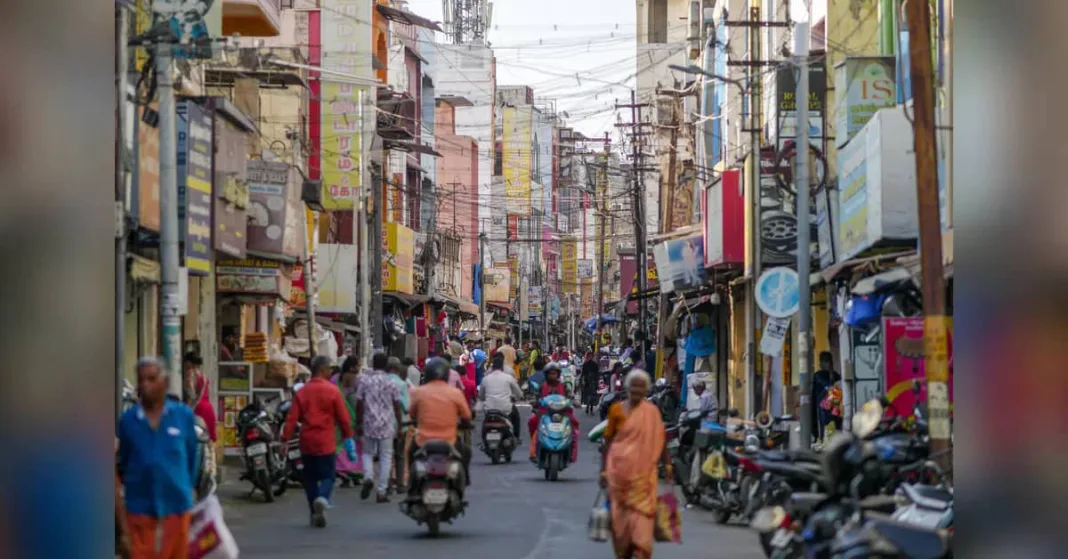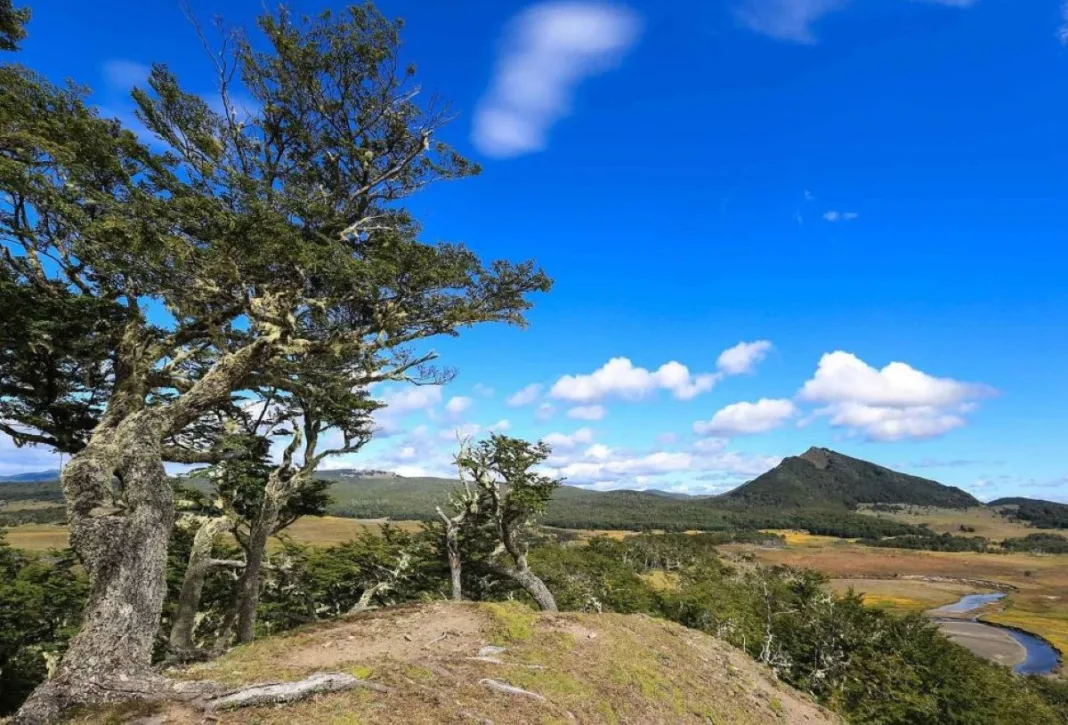

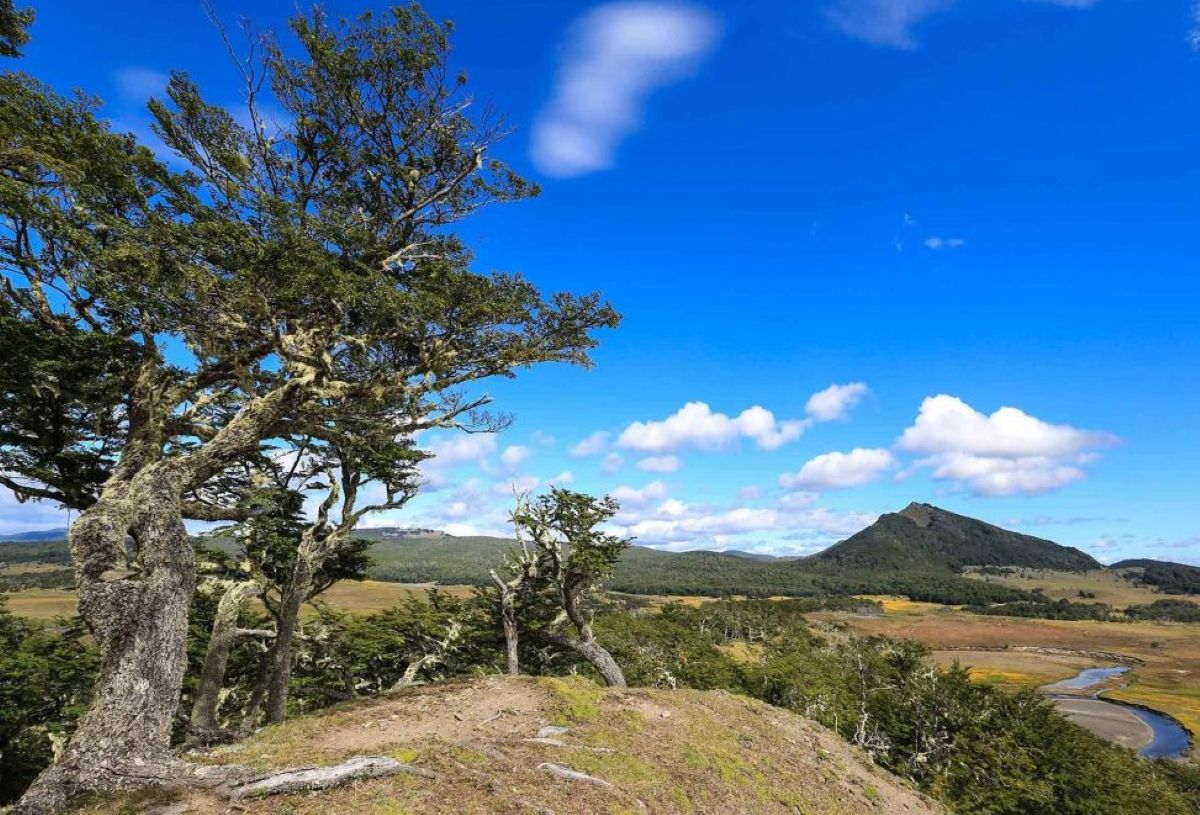
There is something about the instant a landscape stops a traveler. The landscape makes the traveler feel breathless. I have felt that breathlessness when I first saw the Andes. The traveler reaches for a camera. The traveler wants to capture a memory. The traveler does not want that memory to fade. Across South America travel is more than checking off places on a map. Travel is a quest, for wonder, identity and shared human connection. Behind every post and every postcard‑worthy view there is a living breathing story.
Why Is Torres del Paine National Park Considered Patagonia’s Crown Jewel in Chile?
Advertisement
Advertisement
Located deep within the Magallanes Region, Torres del Paine National Park stands as a global icon of rugged alpine beauty. Official data highlights its dramatic granite towers, electric-blue icebergs floating serenely across Lake Grey, and the shimmering turquoise expanse of Lake Pehoé. Hikers trekking to the Mirador Base Torres or exploring the dramatic French Valley find themselves immersed in a landscape carved by ancient glaciers.
The social impact of travel and tourism here is profound, acting as a crucial economic driver for regional communities while funding ongoing conservation work. Dawn and dusk present extraordinary photographic opportunities, as golden sunlight ignites the vertical granite walls and wild guanacos graze across the vast Patagonian steppes. Park authorities enforce strict trail compliance to ensure these fragile wilderness areas remain untouched for future generations.
Advertisement
Advertisement
How Does the Atacama Desert Create Such Surreal Extraterrestrial Landscapes in Chile?
Stretching across the Antofagasta Region, the Atacama Desert holds the distinction of being the driest non-polar desert on Earth. Official reports showcase a landscape mirroring alien worlds, characterized by blinding salt flats, wind-sculpted orange dunes, and roaring geothermal vents. Photographers flock to Valle de la Luna to capture rolling sand formations, while the high-altitude El Tatio Geysers shoot plumes of white steam into the crisp morning air.
Advertisement
Advertisement
Further into the altiplano, the Lagunas Altiplánicas and Laguna Chaxa offer striking visual contrasts where bright pink flamingos gather along crusty salt borders. At night, the dry atmosphere creates unmatched astronomical clarity, transforming the sky into an ethereal canvas for astrophotographers worldwide. Sustainable tourism initiatives help preserve these delicate salt ecosystems while providing income to local indigenous Atacameño communities.
How Does Cartagena de Indias Preserve Its Romantic Caribbean Charm in Colombia?
Situated along the Caribbean coastline within the Bolívar Department, Cartagena de Indias is a living museum of Spanish colonial architecture. Official metrics confirm that the city’s UNESCO-listed Walled City remains one of South America’s most visited historic gems. Flowing bougainvillea tumbles over wooden balconies, shading pastel-hued streets that lead toward massive fortifications like Castillo San Felipe de Barajas.
The romantic atmosphere is amplified in the bohemian Getsemaní district, where traditional plazas meet expressive modern street murals. Tourists gathering along the historic stone ramparts at dusk enjoy unmatched views of Caribbean sunsets against colonial bell towers. Responsible tourism management balances high visitor foot traffic with historic building preservation, keeping Cartagena’s economic engine humming sustainably.
Why Are the Wax Palms of Valle de Cocora a Visual Wonder in Colombia?
Nestled within the Andean cloud forests of the Quindío Department, the Valle de Cocora represents the verdant heart of Colombia’s Coffee Axis. Here, the national tree the Quindío wax palm soars to staggering heights of up to 60 metres, rising dramatically through swirling alpine mists. The popular Cocora Valley hiking loop offers spectacular vantage points where towering palm silhouettes stand against emerald-green mountain slopes.
Advertisement
Advertisement
Nearby, the heritage town of Salento charms visitors with its traditional architecture, particularly along Calle Real, where multi-coloured wooden facades house local artisan shops. Tourism in the Coffee Region provides crucial economic diversification for farming communities, funding reforestation and eco-friendly agricultural practices. Photographers capture the striking contrast between towering palms, vibrant coffee plantations, and mist-covered cloud forest peaks.
Why Is Kaieteur Falls the Ultimate Raw Wilderness Experience in Guyana?
Hidden within the dense interior of Kaieteur National Park, Kaieteur Falls is one of the world’s most magnificent natural wonders. Official insights highlight its distinction as the world’s largest single-drop waterfall by volume, plunging 226 metres into a gorge carved through pristine rainforest. Viewing points like Johnson’s Viewpoint, Boy Scout View, and the breathtaking Falls Lip offer unfiltered perspectives of roaring waters and rising mist plumes.
Because access is carefully regulated via small aircraft, Kaieteur remains delightfully free from crowds, preserving a pristine wilderness atmosphere. Photographers often spot rare wildlife here, including the tiny bright-yellow Golden Rocket Frog, which spends its entire life cycle inside giant tank bromeliads along the gorge edge. Sustainable visitor limits ensure that indigenous Patamona heritage and surrounding rainforest ecosystems remain completely protected.
How Does the Iwokrama Canopy Walkway Reveal the Secrets of the Amazon Canopy in Guyana?
Located in the Potaro-Siparuni region, the Iwokrama Forest Reserve protects 371,000 hectares of virgin Amazonian rainforest. The highlight for adventurous travellers is the Iwokrama Canopy Walkway, a series of suspension bridges hanging up to 33 metres above the forest floor. Walking among treetop platforms allows visitors to observe rainforest wildlife at eye level, from colourful toucans and macaws to howler monkeys.
Advertisement
Advertisement
Excursions along the rushing Essequibo River rapids or hiking up Turtle Mountain provide sweeping green canopy views that stretch to the horizon. Eco-tourism here operates through a groundbreaking partnership between international researchers and local Makushi communities, demonstrating how sustainable forest management can outperform traditional logging or mining industries economically.
Why Is Paramaribo’s UNESCO-Listed Inner City Architecture So Unique in Suriname?
Located along the banks of the Suriname River in the Paramaribo District, Paramaribo offers an extraordinary cultural landscape. Official data highlights how Dutch architectural styles fused with tropical South American woods to create a historic inner city like no other. Strolling along the Waterkant waterfront promenade reveals striking black-and-white timber facades overlooking broad river channels.
Key landmarks include historic Fort Zeelandia, spacious Independence Square, and the magnificent wooden St. Peter and Paul Cathedral. Demonstrating Suriname’s deep religious harmony, the Neveh Shalom Synagogue and the Keizerstraat Mosque stand peacefully side-by-side on the same street. Heritage tourism here revitalizes historic urban quarters while celebrating the nation’s diverse Amerindian, African, European, Asian, and Maroon roots.
What Secrets Lie Within the Central Suriname Nature Reserve and Voltzberg Dome in Suriname?
Encompassing 1.6 million hectares of pristine rainforest in the Sipaliwini District, the Central Suriname Nature Reserve is a UNESCO World Heritage site of global importance. Rising dramatically out of the green jungle canopy are massive granite domes, with the 240-metre high Voltzberg Dome standing as the ultimate hiking objective. Reaching the bare granite summit rewards adventurers with a thrilling 360-degree view over an unbroken sea of Amazonian forest.
Advertisement
Advertisement
At nearby Raleigh Falls on the Coppename River, turbulent rapids cut through ancient rock formations, creating rich habitats for rare birds like the bright orange Guianan Cock-of-the-rock. The reserve’s complete isolation ensures that forest ecosystems remain entirely undisturbed by industrial footprint. Scientific eco-tourism here yields valuable biodiversity data while supporting local Maroon guide networks.
Economic Impact and Gross Domestic Product Contributions Across South American Nations
The financial engine of modern South American travel relies heavily on visual storytelling, which actively converts social engagement into measurable economic performance. In Chile, official statistics from national tourism bodies indicate that the sector contributes over three percent directly to national gross domestic product, generating billions of foreign exchange receipts each year. High-value international visitors spending across extreme geography reveal significant disparities: remote wilderness destinations like Patagonia’s Torres del Paine command premium daily expenditure profiles compared to traditional urban travel. These receipts directly fund conservation operations, local infrastructure development, and specialized adventure hospitality services throughout southern regions.
In Colombia, strategic campaigns executed by public agencies like ProColombia and the Ministry of Commerce, Industry, and Tourism have driven foreign arrivals past record thresholds of seven million annual visits. Historic urban nodes such as Cartagena maintain robust hotel occupancy figures, while the agricultural Coffee Axis leverages eco-hospitality to diversify regional earnings away from commodity price volatility. Meanwhile, the Guianas represent a rising frontier where high per-capita eco-tourism expenditure directly balances national reliance on resource extraction. In Guyana and Suriname, sustainable wildlife expeditions generate long-term employment opportunities for hinterland guides, boat captains, and rural accommodation operators.
Digital Footprint Analytics and Visual Platforms Driving Foreign Visitor Arrivals
The rapid transformation of global travel planning has established geotagged digital media as a primary driver of real-world foot traffic. Analytical data shows that over sixty-five percent of Gen Z and Millennial travellers utilize visual content platforms as their primary discovery tool when choosing international destinations. Search algorithms and viral imagery showcasing high-contrast landscapes—such as the granite needles of Torres del Paine or the vibrant facades of Cartagena—trigger immediate surges in global flight query volumes. When specific locations gain traction across visual networks, destination management organizations report corresponding upticks in seasonal hotel reservations within weeks.
Advertisement
Advertisement
A direct correlation exists between hashtag density and physical tourism concentrations at premier landmarks. Locations featuring distinct visual signatures, such as the roaring waters of Kaieteur Falls in Guyana or the historic colonial waterfront of Paramaribo in Suriname, experience sustained growth in international visitor inquiries. Transport providers actively adjust regional flight capacities based on digital interest metrics to capture emerging travel demand. Consequently, municipal tourism boards increasingly invest in targeted digital content creation to highlight remote heritage sites, driving measurable economic returns across rural transport corridors.
Carrying Capacity Frameworks and Environmental Sustainability Thresholds
Managing sensitive ecological zones requires strict operational limits to balance international foot traffic with long-term environmental protection. In Chile’s Torres del Paine National Park, environmental authorities enforce maximum daily trail quotas alongside strict carry-in, carry-out waste management protocols. Designated re-vegetation zones allow fragile alpine flora to recover from high-volume trekking, preventing long-term soil erosion along popular circuits. Range staff continuously monitor visitor-to-ranger ratios across the park to ensure compliance with wilderness protection standards while maintaining high-quality visitor experiences.
In Guyana, Kaieteur National Park protects endemic flora—including giant tank bromeliads housing rare golden rocket frogs—by enforcing strict landing slot quotas for incoming charter aircraft. Controlling daily arrival limits prevents environmental degradation around the waterfall’s gorge edge while preserving its wild, uncrowded appeal. Similarly, Suriname safeguards its pristine interior through the Central Suriname Nature Reserve, a UNESCO World Heritage site spanning 1.6 million hectares. Covering roughly eleven percent of the national landmass, this massive reserve operates under zero-deforestation mandates, preserving biodiversity and serving as an invaluable carbon sink.
Infrastructure Spending and Regional Transport Connectivity Upgrades
Sustained growth in international tourism requires substantial capital investments in transportation networks and gateway hub modernizations. Major aviation gateways, such as Santiago’s Arturo Merino Benítez International Airport and Bogotá’s El Dorado International Airport, have executed multi-million-dollar expansion programs to accommodate rising passenger throughput. Modernized terminal facilities, automated immigration gates, and expanded runway capacities allow these capital cities to serve as efficient transit hubs, smoothly directing incoming international traffic toward regional eco-tourism destinations.
Advertisement
Advertisement
At the municipal level, innovative transit solutions enhance urban mobility while providing unique visitor experiences. In Medellín, Colombia, the Metrocable network efficiently connects steep hillside communities with the urban core, serving millions of local commuters alongside international tourists visiting neighborhood art programs. Meanwhile, Guyana continues to allocate capital toward upgrading interior airstrips across the Rupununi Savanna and Potaro-Siparuni regions. Improving rural runway surfaces significantly cuts travel times from Georgetown, making remote interior lodges and Kaieteur Falls far more accessible.
Cultural Heritage Conservation and UNESCO Preservation Investments
Preserving historic urban centers and indigenous heritage sites demands sustained public investment, specialized restoration techniques, and comprehensive regulatory frameworks. In historic coastal cities like Valparaíso, Chile, and Cartagena, Colombia, municipal conservation budgets support delicate masonry restoration, defensive stone wall stabilization, and public space maintenance. Valparaíso invests heavily in rehabilitating its century-old funicular elevators (ascensores), ensuring these iconic hillside lifts remain safe, operational modes of heritage transport for residents and visitors alike.
In Suriname, Paramaribo’s UNESCO-listed inner city relies on dedicated heritage preservation funds administered by the Ministry of Transport, Communication, and Tourism. These allocations support traditional woodworking crafts required to maintain 17th to 19th-century timber architecture against tropical moisture and wear. Farther out in the Pacific, Rapa Nui allocates specialized conservation funding toward consolidating damaged Moai statues. Specialist teams apply protective stone sealants and construct erosion barriers to shield these world-famous volcanic tuff carvings from harsh ocean winds and weather exposure.
Indigenous and Community-Based Eco-Tourism Business Models
Sustainable tourism models increasingly prioritize local ownership, ensuring that economic benefits flow directly to host communities. Across Guyana’s Rupununi Savanna, indigenous Makushi and Wapishana village councils retain controlling stakes in local eco-lodges and guiding services. A substantial portion of gross accommodation and tour revenue goes straight into community development funds, financing local medical clinics, educational scholarships, and clean energy projects while preserving traditional land stewardship practices across the savanna.
Advertisement
Advertisement
In Colombia’s Medellín, the transformation of Comuna 13 stands as a global benchmark for community-led urban tourism. Certified local youth collectives run guided walking tours, street art workshops, and cultural performances, creating steady livelihoods for hundreds of local families. Similarly, along Suriname’s Sipaliwini District rivers, Maroon communities operate traditional eco-lodges along the Coppename and Upper Suriname waterways. These local micro-enterprises give visitors authentic cultural immersion while providing sustainable income in remote rainforest regions.
Climate Resilience and Extreme Weather Adaptation Strategies
Fragile ecosystems across South America face escalating risks from global climate variability, requiring dedicated adaptation budgets and continuous environmental monitoring. In the Patagonian ice fields of southern Chile, glaciologists closely track the retreat rates of major ice formations like Grey Glacier. Conservation authorities utilize automated sensor networks and water-level monitoring systems to analyze glacial melt patterns, adjusting trekking safety corridors and lake navigation routes as ice margins shift.
Along the low-lying Atlantic coastlines of Suriname and Guyana, rising sea levels pose significant erosion risks to historic urban centers and fragile river ecosystems. Government agencies allocate substantial capital toward reinforced seawalls, drainage sluice upgrades, and coastal mangrove restoration programs to protect locations like the Paramaribo waterfront and Stabroek riverfront. Additionally, high-altitude and tropical national parks implement emergency weather response plans, keeping visitors safe during extreme rainfall or sudden weather shifts.
Foreign Direct Investment and Hospitality Sector Expansion
Rising global demand for sustainable travel continues to attract foreign direct investment into South America’s hospitality and tourism sectors. According to capital investment tracking by ProColombia, Colombia’s hotel market has seen strong international funding inflows, driving rapid growth in boutique luxury properties and eco-certified resorts. Foreign capital fuels urban architectural revivals in historic centers and builds high-end eco-friendly accommodations along the Caribbean coast, expanding room inventory to meet diverse traveller needs.
Advertisement
Advertisement
In interior Guyana and Suriname, private equity firms collaborate with local land trusts to finance low-impact, sustainable wilderness lodges. These remote off-grid properties heavily prioritize renewable energy infrastructure, integrating high-capacity solar arrays, battery storage banks, and micro-hydro generation systems to power operations without relying on fossil fuels. Adopting clean energy lowers long-term operating costs in deep rainforest locations while preserving the pristine environments that draw eco-conscious travellers worldwide.
Digital Nomad Visas and Remote Work Economic Metrics
The introduction of dedicated long-stay visas for remote professionals has fundamentally altered the economic dynamics of tourism across South America. By encouraging extended stays, nations are successfully smoothing out the financial volatility associated with short-term seasonal leisure spikes and creating a steady stream of recurring monthly expenditure. In Colombia, modern regulatory frameworks have facilitated the issuance of over twelve thousand digital nomad visas. Remote workers residing in urban hubs such as Medellín and Bogotá spend an average of three point two times more per stay than standard ten-day vacationers, driving consistent revenues into long-term residential housing, neighborhood markets, and local hospitality services.
This long-stay trend extends into secondary coastal and regional destinations across the continent. In Chile, dedicated remote worker pathways help maintain healthy accommodation occupancy rates in coastal cities like Valparaíso and La Serena during the traditionally slow winter months. Meanwhile, capital cities across the Guianas are developing their own long-stay ecosystems. In Georgetown, Guyana, and Paramaribo, Suriname, extended stays by foreign professionals generate direct, predictable revenue streams for urban transit systems, digital co-working spaces, and municipal utility providers, establishing a resilient economic foundation alongside traditional short-term eco-tourism.
Ecotourism-Driven Carbon Offset Investments and Biodiversity Metrics
Pristine wilderness areas across South America are increasingly leveraged within global climate finance markets, linking international eco-tourism directly to biodiversity protection and carbon offset initiatives. In Guyana, vast interior rainforests and hinterland management frameworks serve as critical carbon sinks. Backed by international climate financing and structured eco-tourism levies, conservation programs target zero net deforestation across the ecological corridors of Potaro-Siparuni and the Rupununi Savanna, ensuring that wilderness preservation translates directly into community development and biodiversity monitoring.
Advertisement
Advertisement
Similarly, Suriname utilizes its pristine forest cover to support national carbon-negative credentials and environmental sustainability goals. The Central Suriname Nature Reserve, an intact tropical wilderness spanning one point six million hectares, uses entry levies collected from eco-tourists to fund continuous ranger patrols, scientific research, and wildlife tracking across its granite monadnocks. In southern Chile, public-private conservation partnerships throughout Patagonia focus on massive habitat restoration. In Torres del Paine National Park, targeted reforestation projects spend millions to offset flight emissions generated by international visitors, ensuring that long-haul travel actively funds fragile ecosystem recovery.
Sustainable Gastronomy and Indigenous Culinary Supply Chains
Hospitality providers across South America are actively restructuring their supply chains to emphasize farm-to-table dining, reducing economic leakage and ensuring that food expenditure remains within local communities. In Colombia, high-end culinary establishments and boutique hotels across the Coffee Axis and the Caribbean coast source over sixty percent of their ingredients directly from local agricultural cooperatives in the departments of Quindío and Bolívar. This hyper-local approach provides stable income to regional farmers while offering travellers an authentic taste of local heritage.
In the desert and coastal regions of Chile, indigenous agricultural supply chains play an essential role in sustainable lodge operations. Atacameño farming communities supply traditional high-altitude crops like quinoa and chañar fruit directly to luxury desert retreats in the Atacama Desert, allowing up to eighty percent of culinary spending to be retained within host communities. Similarly, in Guyana and Suriname, multi-ethnic culinary initiatives connect forest-dwelling communities with river eco-resorts. Indigenous Amerindian and Maroon villages along the Essequibo and Suriname Rivers harvest wild rainforest ingredients and fresh fish, creating a sustainable culinary ecosystem that celebrates biodiversity and traditional knowledge.
Smart Tourism Infrastructure and IoT Transit Management Metrics
To safeguard delicate ecosystems and historic monuments from the pressures of over-tourism, destination management authorities are deploying Internet of Things sensors, automated analytics, and digital queue systems. In Cartagena, Colombia, municipal managers have implemented real-time foot-traffic monitoring sensors throughout the UNESCO-listed Walled City. By monitoring real-time visitor movement along the historic stone ramparts, authorities keep crowd densities below structural safety thresholds during peak disembarkation windows for international cruise ships.
Advertisement
Advertisement
In Chile’s Torres del Paine National Park, the national forestry authority CONAF enforces a mandatory advance QR-code reservation system for popular trekking routes. This digital entry system distributes visitor foot traffic evenly across major trails and optimizes ranger deployment at key checkpoints along fragile Patagonian circuits. In Guyana, automated flight-tracking and passenger-manifest integration systems regulate access to Kaieteur National Park. By keeping daily visitor arrivals within strict limits at Kaieteur Falls, authorities shield rare species, such as the golden rocket frog, from habitat disruption while guaranteeing a quiet, unspoiled wilderness experience.
Multi-Nation Regional Circuit Packages and Cross-Border Transit Figures
Intra-regional travel is expanding as South American countries streamline border crossings, align visa policies, and launch joint multi-destination travel routes. The Guianas Shield Circuit—encompassing Guyana, Suriname, and French Guiana—serves as a primary example of cross-border eco-tourism integration. Ferry transport operations across the Corentyne River between Moleson Creek in Guyana and South Drain in Suriname facilitate smooth overland transit, allowing international visitors to easily explore multi-country rainforest itineraries on a single trip.
Enhanced air connectivity across the Andes is further encouraging regional multi-stop travel. Direct regional flight routes connecting major hubs in Chile and Colombia make it easier for travellers to combine high-altitude Patagonian trekking with Andean cloud forest excursions in a single journey. Increased cross-border accessibility generated strong arrivals across the Guianas, with Guyana recording over two hundred and seventy thousand international visitor arrivals across its air and land checkpoints in early 2026, supported by overland border traffic from neighboring Brazil and Suriname.
The Final Verdict
At its core travel is not about destinations. Travel is about how a place stays with us long after we depart. From the quiet of glaciers, to the warm welcoming laughter that fills Colombian streets these remarkable destinations remind us why we long to travel. Protecting these corners of our planet ensures that tomorrows dreamers can feel that spark of wonder.
Advertisement
Advertisement
Frequently Asked Questions (FAQs)
- What is the best time of year to visit Patagonia and the Atacama Desert in Chile?
The ideal period for visiting Torres del Paine in Patagonia is during the Southern Hemisphere summer (November to March), when weather conditions are mildest and park trails are fully accessible. Conversely, the Atacama Desert can be visited year-round due to its dry climate, though nighttime temperatures drop significantly during winter months.
- Are remote destinations like Kaieteur Falls in Guyana accessible for everyday travellers? Yes, Kaieteur Falls is accessible primarily via scheduled chartered flights departing from Georgetown’s Ogle Airport. Flights include a stop at the park, giving visitors several hours to explore the primary viewing platforms alongside certified local guides.
- What permits or regulations are required to visit the Central Suriname Nature Reserve?
Travel to the Central Suriname Nature Reserve, including the Voltzberg Dome trek, requires booking through registered tour operators or obtaining entry permits from national forest management authorities. Visitors must adhere to strict zero-trace conservation guidelines to safeguard primary rainforest biodiversity.