
Pattaya is entering its 2026 high season with hopes of stronger tourism spending, but rising living costs and household debt continue to pressure local workers and small businesses. Thailand targets 32.6 million to 32.7 million foreign arrivals this year, yet the real test is whether visitor spending translates into better livelihoods.
Why Does Pattaya’s High Season Matter to Local Businesses?
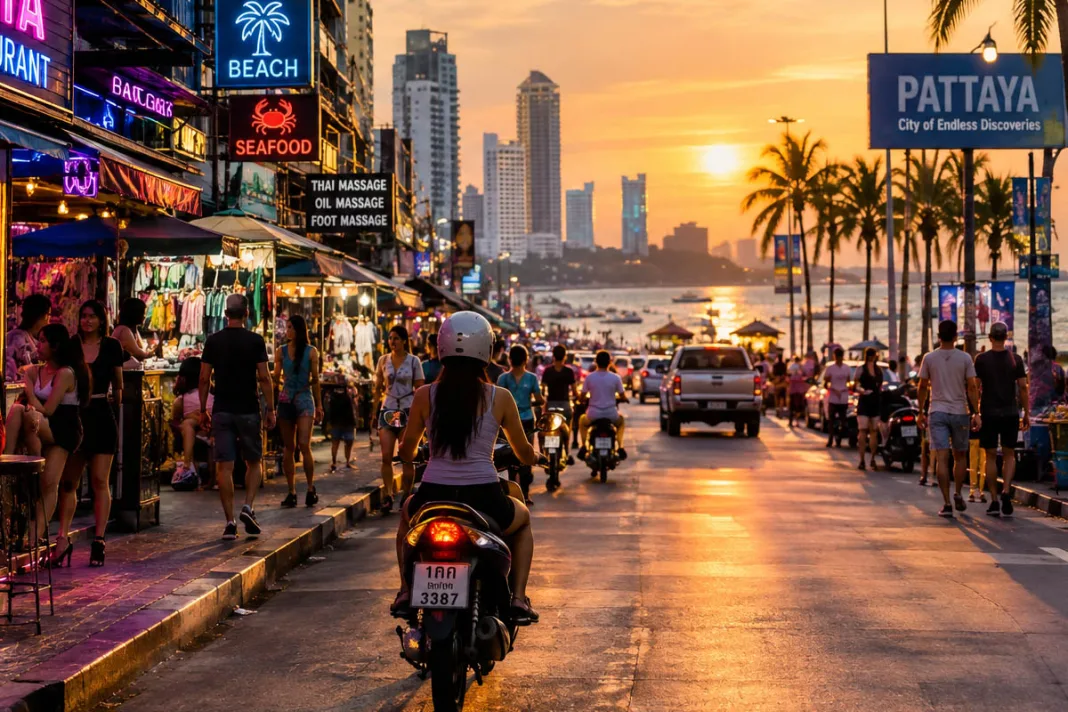
October marks the beginning of the build-up to Pattaya’s high tourism season, a period when hotels, restaurants, bars, transport operators, street vendors and entertainment businesses hope to attract more customers after the quieter rainy months.
For many residents, the seasonal increase in tourism is more than a boost in visitor numbers. It represents an opportunity to earn enough to cover household expenses, pay employees, settle rent and repay loans accumulated during weaker trading periods.
Pattaya’s tourism economy supports a broad range of livelihoods. Hotel owners depend on room bookings, restaurants need customers to fill tables, and bar staff, motorbike taxi riders and street vendors rely on consistent daily spending. A stronger season can benefit these groups, but the gains are not always evenly distributed.
Advertisement
Advertisement
The distinction matters because a crowded entertainment district does not necessarily mean that every business is profitable. Higher customer numbers can increase sales, but operating costs, rent, wages and supply expenses can reduce the amount businesses ultimately retain.
For workers, the benefits depend on whether stronger demand creates additional shifts, higher earnings and more reliable employment. For small operators, the priority is turning seasonal activity into sufficient profit to meet outstanding financial commitments.
Advertisement
Advertisement
The coming months will therefore provide an important test of whether Pattaya’s tourism recovery can improve the financial position of the people who depend on it.
What Does Thailand’s 2026 Tourism Forecast Mean for Pattaya?
Thailand’s tourism outlook provides grounds for cautious optimism. The Tourism Authority of Thailand has pursued a September-to-December campaign aimed at generating 2.7 trillion baht in tourism revenue during 2026. Its base-case forecast puts international arrivals at 32.6 million to 32.7 million for the year.
These national targets indicate the scale of the country’s tourism ambitions, but they do not guarantee that every destination or business will experience stronger demand.
Pattaya’s results will depend on how many visitors choose the city, how long they stay and how much they spend during their visits. The types of activities they purchase will also influence which businesses benefit most.
International visitors who spend on accommodation, dining, nightlife, shopping, transport and local attractions can support a wider range of businesses than those whose spending remains concentrated in a limited number of services.
The timing of bookings also matters. A hotel may record stronger occupancy while nearby independent restaurants or street vendors experience a smaller increase in sales. Similarly, higher visitor numbers may not translate into improved profits if businesses must offer discounts or absorb higher operating expenses.
Advertisement
Advertisement
For Pattaya, the objective is not simply to attract more arrivals. It is to encourage spending that reaches businesses throughout the local tourism economy.
Why Are Visitor Numbers Not the Whole Story?
The Bank of Thailand’s August 2026 economic assessment found that foreign arrivals had increased, while tourism receipts remained broadly stable. It also reported a shorter average length of stay among foreign visitors.
These findings illustrate why arrival figures alone provide an incomplete picture of tourism performance. More visitors do not automatically produce a proportionate increase in revenue, particularly when travellers stay for fewer nights or spend less per day.
For destinations such as Pattaya, the relationship between visitor numbers, length of stay and spending is especially important. Hotels may benefit from additional bookings, but restaurants, entertainment venues, transport providers and local retailers also need visitors to spend money beyond their accommodation.
A shorter visit can reduce the number of opportunities for businesses to attract customers. Visitors may still spend substantially during a brief holiday, but the effect depends on their budgets, preferences and activities.
Tourism revenue also needs to be considered alongside profitability. Businesses can generate more sales without retaining more income if wages, electricity, fuel, rent and supplies become more expensive.
Advertisement
Advertisement
This makes the high season a test of both demand and the quality of that demand. Pattaya’s tourism economy needs visitors whose spending supports a broad range of local services, rather than relying solely on higher footfall.
How Are Rising Living Costs Affecting Pattaya’s Tourism Workers?
The financial pressure facing Pattaya residents extends beyond the tourism industry. Households must manage everyday expenses such as food, electricity, fuel, transport, rent and other essential costs.
For tourism workers, income can fluctuate with visitor demand. Employees may receive more shifts during busy periods, while workers in informal or casual roles can face uncertainty over their daily earnings.
Small business owners face a related challenge. Higher sales can help, but they must also cover staff wages, utilities, supplies, rental payments and other operating expenses. If costs rise alongside revenue, the improvement in profit may be limited.
Seasonal income creates another difficulty. Businesses that earn more during the high season may need to use those earnings to cover obligations accumulated during quieter months. This can leave less money available for investment, household spending or financial reserves.
The situation is particularly challenging for operators with limited savings. A period of weak demand can force some businesses to borrow money to maintain operations or meet household expenses. When the high season arrives, loan repayments may absorb part of the additional income.
Advertisement
Advertisement
As a result, even a noticeable increase in customer activity may not immediately improve financial security for workers and business owners.
How Does Thailand’s Household Debt Problem Affect the Outlook?
Thailand’s wider household debt burden adds to concerns about whether stronger tourism activity will translate into lasting financial relief.
Reuters reported on 8 October 2026 that household debt had reached 85.2% of gross domestic product, one of the highest ratios in Asia. The national figure does not describe the financial circumstances of every Pattaya resident, but it highlights the wider pressure facing households with outstanding loans.
Debt repayments can limit how much additional income remains available for everyday spending or savings. For households that have borrowed to manage living costs, an increase in seasonal earnings may first go towards overdue bills and instalments rather than creating a stronger financial cushion.
Small businesses can face similar constraints when borrowed funds have been used to cover operating costs during weaker trading periods. Additional revenue may help them remain open, but it does not necessarily remove accumulated liabilities.
This is why the quality and consistency of tourism income matter. A few busy weeks can provide immediate relief, but a more durable improvement requires businesses to retain sufficient profit and workers to earn enough to meet regular expenses.
Advertisement
Advertisement
For Pattaya, the coming season could help ease some of these pressures. However, tourism growth alone cannot guarantee that households will reduce debt or regain financial stability.
Can Pattaya Spread Tourism Spending Across Local Businesses?
Pattaya has an opportunity to strengthen the economic benefits of its high season by encouraging visitors to explore a wider range of local businesses and experiences.
Accommodation and entertainment venues remain important parts of the city’s tourism offer, but visitor spending can also support independent restaurants, markets, shops, transport operators and smaller attractions.
Businesses that provide good service, transparent pricing and worthwhile experiences can encourage visitors to spend locally and return in future seasons. Stronger connections between hotels, tour operators and independent businesses could also help direct more customers towards services beyond major tourism establishments.
The distribution of spending is particularly important for workers and small operators who depend on daily transactions. When visitors use local transport, eat at independent restaurants, shop at markets and book local experiences, the economic benefits can reach more parts of the community.
However, wider participation requires more than attracting customers. Small businesses must remain competitive while managing costs, maintaining service standards and meeting visitors’ expectations.
Advertisement
Advertisement
Tourism authorities and local businesses therefore face a shared challenge: converting national tourism ambitions into practical opportunities for the people whose work supports Pattaya’s visitor economy.
What Will Define a Successful Pattaya High Season in 2026?
The success of Pattaya’s high season should be measured by more than hotel occupancy, visitor arrivals or crowded streets.
For workers, meaningful improvement would include more shifts, stronger earnings and greater confidence that income will cover essential expenses. For small businesses, it would mean higher sales translating into sustainable profits after operating costs are paid.
Street vendors, transport providers, restaurants and independent shops also need opportunities to benefit from visitor demand. If spending remains concentrated among a limited number of businesses, the wider community may see fewer gains even when tourism indicators improve.
The high season could provide a valuable opportunity for businesses to recover from quieter months, meet outstanding obligations and rebuild financial reserves. Yet these outcomes will depend on actual spending, operating costs and the ability of local enterprises to retain a reasonable share of their revenue.
October marks the beginning of the seasonal build-up, not proof that the coming months will deliver a recovery for everyone. Thailand’s national tourism targets offer a positive backdrop, but Pattaya’s results will ultimately be determined by conditions on the ground.
Advertisement
Advertisement
Pattaya enters the 2026 high season hoping stronger tourism demand will support businesses and workers facing rising living costs and debt. Thailand’s arrival targets offer grounds for optimism, but lasting improvement will depend on whether visitor spending reaches local enterprises, increases household earnings and helps residents manage their financial commitments.