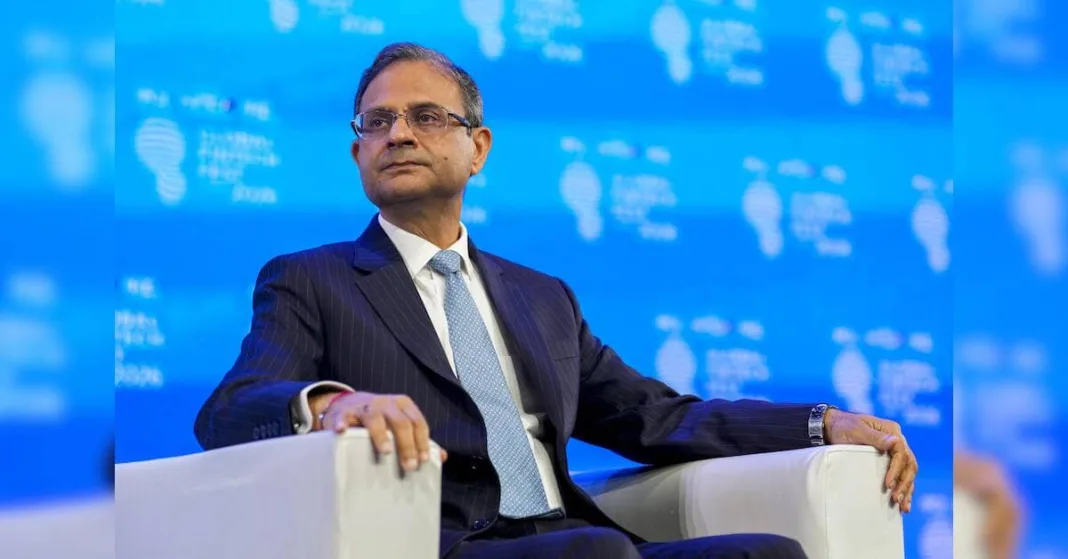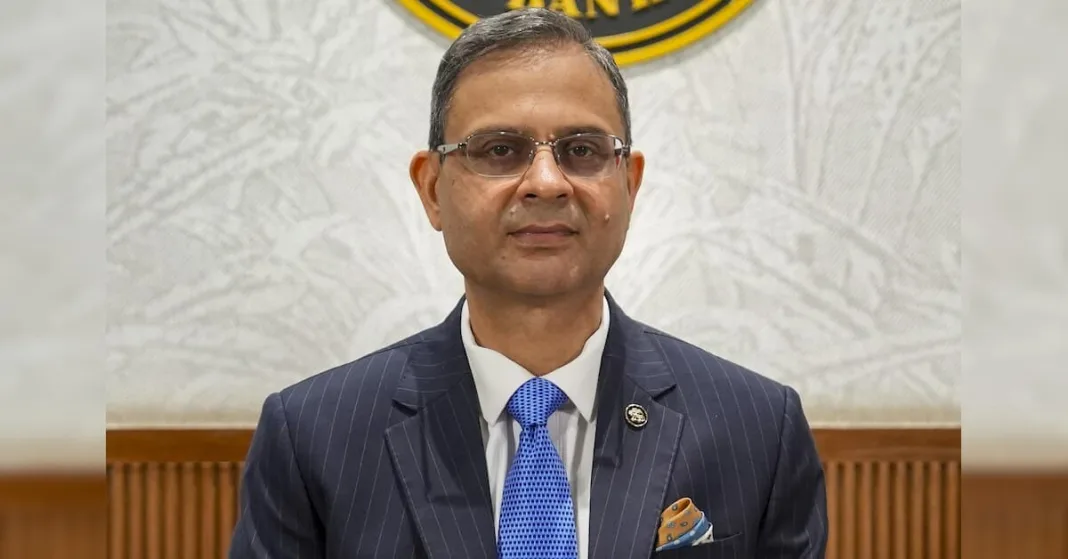

Reserve Bank of India (RBI) Governor Sanjay Malhotra on Saturday called for greater vigilance over the Indian financial system, emphasising that “today’s resilience may not necessarily imply tomorrow’s immunity” and warning that banking and financial stresses can build rapidly even as they take years to resolve.
“In India, we have had a very long period of financial stability. Our banks, our other financial institutions, governments, households, they are all having very strong balance sheets,” Malhotra said at the Kautilya Economic Conclave organised by the finance ministry.
“So why talk about financial stability? But I may like to point out that it is these very long periods of stability that can encourage risk-taking and leverage,” the governor added.
Malhotra said the next financial crisis may not necessarily originate in a bank or even within the financial system.
It could potentially begin with a geopolitical event, cyberattack or technological failure and affect the financial system through multiple channels, he said.
He called for greater use of scenario analysis and more granular data to assess interconnected exposures, technological developments and cross-border positions.
Financial resilience, Malhotra said, must extend beyond banks to non-bank financial institutions, financial markets, payment systems, technology infrastructure providers, critical third parties and cross-border financial networks.
The governor said innovation in artificial intelligence, tokenisation and new forms of financial intermediation could improve efficiency, but would be sustainable only if the financial system preserved the foundations of trust.
These include sound institutions, settlement finality, singleness of money and financial integrity, he said.
On cryptocurrencies, Malhotra reiterated the RBI’s cautious approach.
The RBI encourages the use of underlying blockchain technology and tokenisation but remains cognisant of the risks associated with cryptocurrencies for emerging market economies such as India, he said.
India remains resilient
While India is exposed to the impact of the West Asia conflict, the economy has been navigating the risks from a position of strength, Malhotra said.
Policymakers are simultaneously taking steps to strengthen resilience to external shocks through import diversification, strategic petroleum reserves, free trade agreements and local-currency settlement, he added.
Indian equity markets have corrected from high valuations in recent months, but the movement has been orderly, Malhotra said.
A correction in artificial intelligence-linked valuations in advanced economies could potentially have a positive impact on India through capital inflows, he added.
The governor said private credit remained relatively small in India and was not assessed to be a risk at present.
He also said banks and non-bank financial companies (NBFCs) remained resilient, with banks’ Common Equity Tier 1 ratios staying comfortable even under adverse scenarios.
NBFCs, meanwhile, had average capital adequacy of around 25 per cent, against a regulatory requirement of 15 per cent, he highlighted.