



September 11, 2026
08:07 GMT+5:30
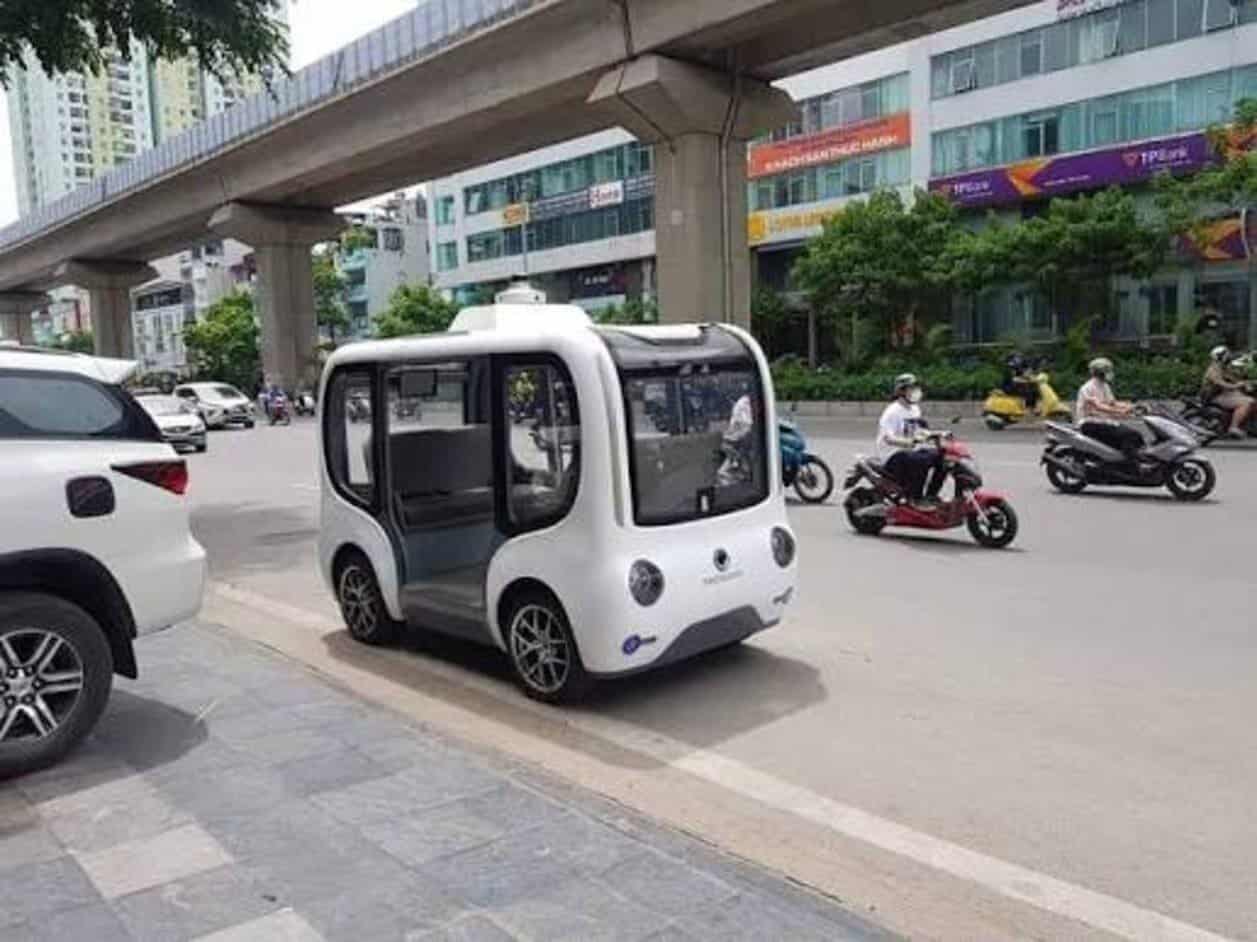
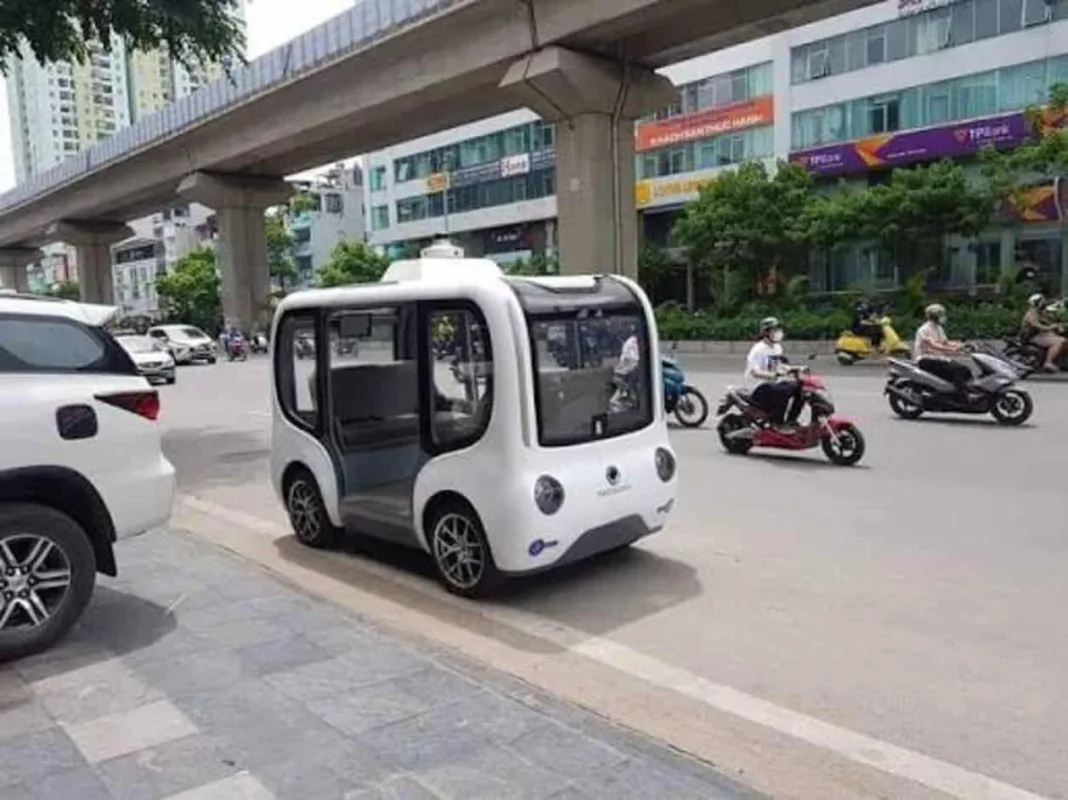
Vietnam’s Hanoi Department has announced the next phase of their Autonomous Transport Trial. This phase includes the addition of self-driving buses and taxis as well as smart robots. Hoa Lac Hi-Tech Park plans to introduce smart technologies that make it one of the first destinations in Southeast Asia designed for smart tourism. The test run for Vietnam’s capital was approved by the Hanoi People’s Committee in 2026. The 24 month controlled pilot will help analyze how safe and realistic advanced mobility technologies can be in modern environments. The goal is to create a system that will be beneficial to modern travelers. With the constant technological advancement of the world, Hanoi and all of Vietnam is modernizing and working towards improving their infrastructure for smart and sustainable tourism.
Vietnam Hanoi’s Autonomous Transport Trial Opens a New Chapter for Smart Travel in Southeast Asia
Hanoi is testing a new model where transportation technology and destination development meet. The Vietnamese capital has started a controlled autonomous mobility programme that includes self-driving buses, robotaxis, autonomous cleaning robots and delivery robots at Hoa Lac Hi-Tech Park and the Hoa Lac campus of Vietnam National University Hanoi.
The initiative is not a commercial transport launch yet. Instead, it is a government-approved technology sandbox designed to collect real-world data, test safety conditions and evaluate how autonomous systems could operate in Vietnam’s urban environment.
For the tourism industry, the development creates a new discussion around the future of visitor mobility. As destinations across Asia compete to offer smoother, greener and more digital travel experiences, Hanoi’s experiment highlights how smart transport could become part of future tourism infrastructure.
Advertisement
Advertisement
Hanoi’s Smart Mobility Experiment Connects Technology With Future Tourism
The Hanoi People’s Committee approved Phenikaa-X JSC to conduct a 24-month controlled pilot called the “Intelligent Autonomous Transportation System Including Self-Driving Buses, Robotaxis, Autonomous Cleaning Robots and Delivery Robots.”
The project covers four main categories:
| Autonomous technology | Purpose during testing |
|---|---|
| Self-driving buses | Passenger movement on designated routes |
| Robotaxis | Autonomous passenger transport trials |
| Autonomous cleaning robots | Smart urban service testing |
| Delivery robots | Automated logistics and delivery operations |
The vehicles use advanced systems including LiDAR sensors, cameras, high-precision GPS, HD digital maps and artificial intelligence technologies. These systems allow vehicles to identify surroundings, calculate routes and respond to changing conditions.
The testing environment is controlled. Vehicles operate on selected routes rather than Hanoi’s wider public road network. Safety requirements include technical inspections, monitoring systems, emergency stopping procedures, rescue connections and operational supervision.
Advertisement
Advertisement
This approach allows authorities to understand how autonomous technology performs before considering wider applications.
Why Hanoi’s Autonomous Transport Trial Matters for Tourism
Tourism depends heavily on mobility. Visitors need reliable connections between airports, hotels, attractions, business districts and entertainment areas.
A destination’s transport system increasingly influences traveller decisions. International visitors often look for destinations that provide:
- convenient movement options
- digital booking experiences
- reliable public transport
- easier access to attractions
- sustainable travel choices
Smart tourism mobility is becoming an important part of destination planning worldwide. Cities are investing in digital systems that improve visitor journeys while managing congestion and environmental pressures.
Hanoi’s autonomous transport experiment creates the possibility of future applications in tourism areas, including:
- visitor transfers inside large tourism complexes
- smart shuttle services near attractions
- automated mobility in technology parks
- improved accessibility for travellers with mobility challenges
However, the current pilot remains a technology evaluation programme and is not yet a tourism transport service. The main objective is to test safety, reliability and operational performance.
Vietnam’s Push Towards a Smart Tourism Future
Vietnam has been expanding its digital transformation efforts across multiple sectors, including tourism, transport and urban development.
The country has identified technology as an important factor in improving competitiveness and creating higher-value industries. Hanoi’s sandbox model reflects this approach by allowing selected technologies to be tested under government supervision before broader adoption.
The autonomous transport project is part of a wider smart city direction in Hanoi. The city has introduced controlled testing policies covering areas such as artificial intelligence, smart urban solutions, robotics, digital technology and other emerging sectors.
For tourism planners, the significance lies in how these technologies could eventually support a more connected visitor environment.
A future smart destination could combine:
- digital travel platforms
- intelligent transport systems
- sustainable mobility options
- real-time visitor information
- automated services
Hanoi’s current trial provides an early example of how technology could influence the next generation of tourism experiences.
Hoa Lac Becomes Hanoi’s Real-World Technology Testing Zone
The choice of Hoa Lac Hi-Tech Park is significant. The area has developed as one of Hanoi’s major locations for research, innovation and high-tech activities.
According to the Hoa Lac High-Tech Park Management Board, the autonomous transport project supports the area’s role as a place for research, testing and commercialisation of advanced technologies.
The testing area provides controlled conditions where researchers can examine:
- vehicle performance
- sensor accuracy
- artificial intelligence decision-making
- route management
- user experience
The project also involves the Hoa Lac campus of Vietnam National University Hanoi, where autonomous buses will be tested for movement between campus facilities.
This creates a practical environment where technology developers can study everyday mobility patterns.
For tourism, technology zones like Hoa Lac could become part of future innovation-focused visitor experiences. Many destinations worldwide are increasingly combining tourism with science, technology and education attractions.
How Autonomous Transport Could Influence Future Traveller Experiences
International travellers visiting large Asian cities often face common mobility challenges. These include traffic congestion, unfamiliar transport systems and difficulties navigating local routes.
Autonomous transport could eventually address some of these issues by offering:
Easier digital mobility
Future autonomous systems could connect with mobile applications, allowing visitors to plan journeys digitally.
More predictable transport
Fixed routes and automated systems could provide clearer travel options for visitors unfamiliar with the city.
Better access to emerging destinations
Smart transport could help connect visitors with areas outside traditional tourism centres.
Support for sustainable travel
Shared autonomous vehicles may contribute to cleaner mobility models when integrated with wider public transport systems.
The Hanoi project does not yet provide these services to tourists, but it demonstrates how future mobility solutions are being explored.
Vietnam Hanoi’s Technology Strategy Supports Destination Competitiveness
Vietnam has become one of Southeast Asia’s fastest-growing tourism markets. The country has invested in improving infrastructure, digital services and visitor experiences to attract more international travellers.
Hanoi remains one of Vietnam’s most important cultural and economic centres. The city combines historic attractions, museums, traditional neighbourhoods and modern development zones.
A stronger smart mobility network could support both residents and visitors by improving connections between different parts of the city.
The autonomous transport trial also positions Hanoi within a wider regional competition among Asian cities developing smart destination strategies.
Cities across Asia are increasingly using:
- artificial intelligence
- automated transport
- digital visitor services
- smart infrastructure
to improve urban experiences.
Hanoi’s project places Vietnam among destinations exploring how technology can support future mobility.
Vietnam Tourism Growth Creates Demand for Smarter Visitor Mobility
Vietnam’s investment in smart transport technology comes as the country continues rebuilding and expanding its international tourism sector.
According to the Vietnam National Authority of Tourism (VNAT), Vietnam welcomed strong international visitor growth in 2026, supported by recovering aviation connections, easier travel access and increasing demand from major overseas markets. Official tourism statistics show continued momentum in international arrivals, with Asia remaining the largest source region for visitors. (vietnamtourism.gov.vn)
The growth of tourism has increased pressure on destinations to improve infrastructure. Large cities such as Hanoi must manage rising visitor numbers while maintaining efficient transport, reducing congestion and improving the overall travel experience.
The development of smart tourism mobility is therefore becoming increasingly important. Modern travellers expect destinations to provide not only attractions and accommodation but also smooth movement throughout their journey.
A connected transport network can influence:
- visitor satisfaction
- destination competitiveness
- accessibility of attractions
- business travel efficiency
- sustainable urban development
Hanoi’s autonomous transport trial arrives at a time when tourism destinations are searching for solutions that combine technology, convenience and environmental responsibility.
Hanoi’s Role as Vietnam’s Cultural and Tourism Gateway
Hanoi remains one of Vietnam’s most important tourism destinations. The capital attracts visitors with its historic districts, cultural heritage sites, cuisine, museums and government landmarks.
The city is home to internationally recognised attractions such as:
- Hoan Kiem Lake
- the Old Quarter
- the Temple of Literature
- the Imperial Citadel of Thang Long
Beyond traditional tourism, Hanoi has also developed as a business, education and technology centre.
This combination creates demand for improved urban mobility.
Visitors travelling through Hanoi often need connections between:
- Noi Bai International Airport
- hotels
- heritage areas
- conference venues
- entertainment districts
- surrounding destinations
A future intelligent transport system could support these connections if expanded after successful testing and regulatory approval.
The current autonomous transport project does not replace existing public transport services. Instead, it examines how emerging technologies could complement future mobility systems.
Government Strategy Links Digital Transformation With Economic Growth
The Hanoi autonomous mobility pilot reflects Vietnam’s broader national focus on digital transformation.
The Vietnamese Government has prioritised technology development through strategies supporting:
- digital government services
- smart cities
- artificial intelligence applications
- innovation ecosystems
- high-tech industries
The controlled testing model allows businesses to introduce new technologies while government agencies evaluate safety standards and operational requirements.
During the launch event, Hanoi officials highlighted that technology development should create practical value and support new industries rather than simply introduce new systems.
This approach is important for tourism because digital infrastructure increasingly influences how visitors experience destinations.
Future tourism competitiveness will depend not only on attractions but also on how effectively cities integrate:
- transport technology
- online services
- visitor information systems
- sustainable infrastructure
Impact on Airlines, Airports and Travel Businesses
Although the autonomous transport pilot is not directly connected to aviation, future smart mobility systems could influence the wider travel ecosystem.
Airlines and airports
Improved urban transport connections could benefit travellers arriving at Hanoi’s airports by creating smoother onward journeys.
Potential future benefits could include:
- easier airport-city transfers
- better first-mile and last-mile connections
- improved passenger movement during busy periods
However, no commercial airport autonomous transport service has been announced under the current pilot.
Hotels and hospitality businesses
Hotels increasingly depend on convenient transport access.
Future smart mobility services could support:
- guest transfers
- connections to business areas
- access to attractions
- improved visitor convenience
Hotels located near smart districts or technology zones may benefit from stronger connectivity if autonomous systems expand.
Tour operators
Travel companies could eventually incorporate intelligent transport into itineraries, particularly for:
- city tours
- technology tourism experiences
- educational travel programmes
- business events
For now, operators will continue using existing transport networks while monitoring future developments.
Economic Opportunities From Smart Tourism Infrastructure
Technology projects such as autonomous transport can create economic opportunities beyond passenger movement.
The Hanoi pilot involves research, software development, vehicle systems, digital mapping and artificial intelligence applications.
These areas can support:
- technology employment
- research investment
- innovation partnerships
- local business opportunities
The development also supports Vietnam’s ambition to move towards higher-value industries.
For tourism, better infrastructure can encourage longer visitor stays and wider economic activity.
When transport improves, travellers can access more areas, spend more time exploring destinations and discover businesses beyond traditional tourist centres.
Potential beneficiaries include:
- restaurants
- attractions
- shopping areas
- cultural venues
- local service providers
The economic impact will depend on future expansion decisions, regulatory approvals and commercial deployment.
What International Travellers Should Know About Hanoi’s Autonomous Transport Trial
Visitors planning trips to Hanoi should understand that the current project is a controlled technology test.
Travellers should not expect:
- public robotaxi services across Hanoi
- autonomous airport transfers
- replacement of taxis or buses
The trial is currently limited to designated testing areas, including Hoa Lac Hi-Tech Park and the Hoa Lac campus of Vietnam National University Hanoi.
Travellers visiting Hanoi can continue using:
- taxis
- ride-hailing services
- public buses
- private transfers
- traditional tour transport services
The project is mainly focused on evaluating future possibilities.
Future Outlook for Vietnam Hanoi’s Autonomous Transport Trial
The future development of autonomous transport in Hanoi will depend on the results of the pilot programme, safety evaluations and future government decisions.
The approved 24-month testing period allows authorities and technology developers to assess:
- technical performance
- safety standards
- operational challenges
- regulatory requirements
- commercial possibilities
The Hanoi People’s Committee has stated that pilot projects should eventually identify technologies suitable for wider application and determine necessary technical standards. (hhtp.gov.vn)
At present, official plans focus on testing and evaluation rather than immediate city-wide deployment.
The project represents an early step in Vietnam’s exploration of intelligent mobility and its possible role in future urban development.
For tourism, the development highlights how destinations are preparing for a future where transport, technology and visitor experiences become increasingly connected.
Frequently Asked Questions
1. Is Hanoi’s autonomous transport system available for tourists now?
No. The current autonomous transport project is a controlled pilot programme. Testing is limited to designated areas including Hoa Lac Hi-Tech Park and the Hoa Lac campus of Vietnam National University Hanoi. It is not yet a public transport service for visitors.
2. What autonomous vehicles are being tested in Hanoi?
The pilot includes four technology categories: autonomous buses, robotaxis, autonomous cleaning robots and delivery robots. The vehicles use technologies including sensors, digital maps, positioning systems and artificial intelligence.
3. How could autonomous transport benefit future visitors to Hanoi?
If approved for wider use in the future, autonomous mobility could improve connections between attractions, hotels, transport hubs and urban districts. It could offer additional travel options and support Hanoi’s development as a smarter destination.
Conclusion
The Vietnam Hanoi Autonomous Transport Trial is a significant addition to Vietnam’s research into the impact technology will have on both urban travel and tourism. The 24-month, controlled pilot, is an opportunity for Vietnam to research the various technologies that will shape the future of autonomous travel. Given the controlled travel lanes, Vietnam is able to position buses, shuttles, and taxis to be fully autonomous. With Hanoi’s focus on developing tourism, once the controlled lanes have concluded, we could possibly see the infrastructure lanes and boundaries that were used to test smart vehicles utilized for smart tourism. Hanoi’s smart mobility initiatives and learnings will be important across Southeast Asia and will help cities adapt to technological mobility.
Official Sources
Hoa Lac High-Tech Park Management Board
https://hhtp.gov.vn/
Vietnam National Authority of Tourism
https://vietnamtourism.gov.vn/en
Hanoi People’s Committee
https://hanoi.gov.vn/
Advertisement
Advertisement





