September 11, 2026 04:24 GMT+5:30
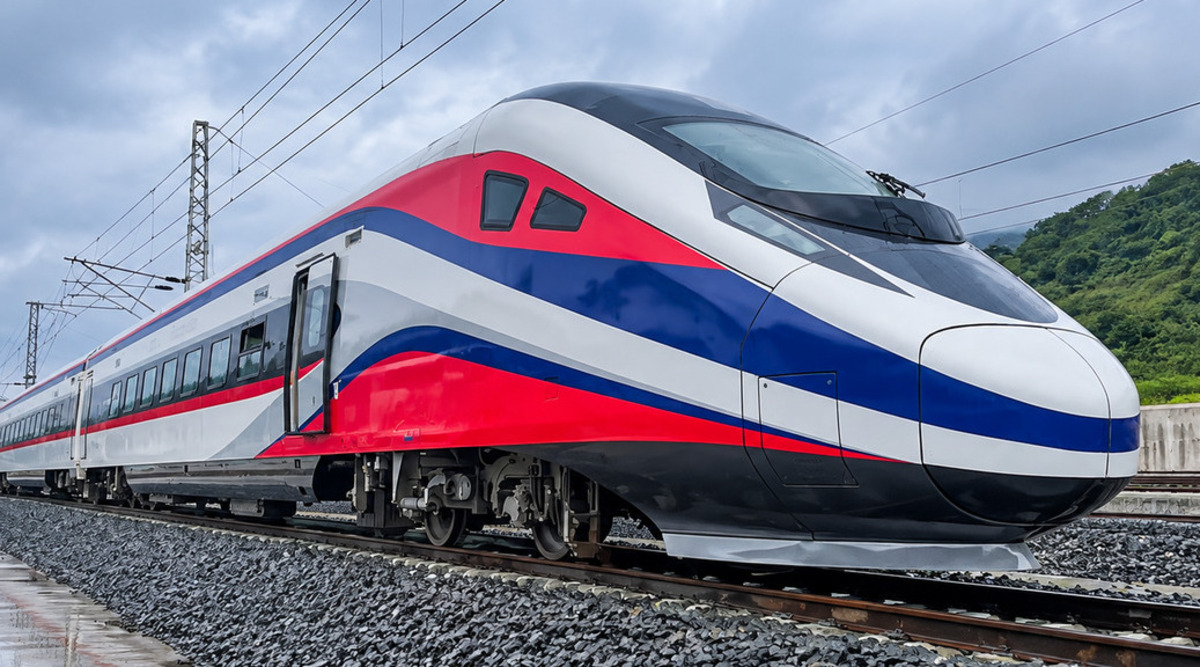
The China-Laos Railway is changing the way people travel through Southeast Asia because of the growth in rail travel and passenger requests, coupled with tourism growth. In 2026, the first eight months of the railway’s operation, more than 50% more passengers traveled than in 2025. Passengers are using the rail line more for tourism, business, and international travel. The China-Laos Railway connects travelers to the many sites and attractions along its route. The rail line connects China and Laos; it has made it easier to move about the border and enhanced trade and economic activities along the route. The China-Laos Railway is a major regional travel development contributor.
The China-Laos Railway is emerging as a powerful driver of regional travel growth, with international passenger journeys recording a sharp increase in 2026. The railway carried 244,000 cross-border passenger trips during the first eight months of the year, marking growth of more than 50 percent compared with the previous year.
The rapid rise in passenger demand reflects the growing popularity of rail travel between China and Laos. The route is becoming an important connection for tourists, business travellers and international visitors seeking easier access between the two countries.
Since the beginning of international passenger operations, the railway has expanded its role beyond transportation by supporting tourism growth, regional mobility and economic activity along the route.
China-Laos Railway Becomes a Key Gateway for Regional Travel
The China-Laos Railway has strengthened travel links between China and Laos by creating a direct international rail connection between Kunming South Station in China’s Yunnan Province and Vientiane in Laos.
International passenger services started in April 2023, offering travellers a new option for crossing the border while reducing dependence on road transport.
Today, four international passenger trains operate daily between the two destinations. The fastest service completes the journey in approximately nine hours and 36 minutes.
Improved border facilities have further enhanced the travel experience. At the Mohan railway port, customs clearance procedures now take around 50 minutes, helping passengers complete international travel formalities more efficiently.
Rising Passenger Demand Pushes Rail Services to New Levels
Strong interest in cross-border journeys has encouraged the expansion of passenger services on the railway.
At the beginning of international operations, trains provided around 250 passenger seats. Due to increasing demand, capacity has grown to approximately 420 seats.
Passenger crossings have also increased significantly. Daily international passenger movement has climbed from around 300 travellers during the early stage of operations to a record high of 1,640 passengers in a single day.
The continued growth demonstrates how improved rail connectivity is changing travel patterns between China and Laos.
Railway Opens New Tourism Routes Across China and Laos
The China-Laos Railway is creating fresh opportunities for tourism by linking several important destinations across the region.
The route connects travellers with popular cities including Kunming, Xishuangbanna and Vientiane. Along the railway corridor, visitors can access more than 560 scenic attractions.
The direct rail connection allows tourists to experience multiple destinations during one trip, supporting cultural journeys, nature tourism and regional exploration.
For international visitors, the railway provides a simpler way to discover attractions across both countries while reducing travel time between key tourism areas.
Summer Travel Season Records Strong International Movement
Demand for cross-border rail travel increased further during the 2026 summer holiday period.
From 1 July to 1 September, more than 57,000 international travellers passed through the Mohan railway port. Passengers from 72 countries and regions used the border crossing during this period.
The figure represented growth of more than 51 percent compared with the previous year.
The busiest day saw more than 1,100 travellers complete entry and exit procedures, highlighting the railway’s growing importance during peak travel periods.
Growing Visitor Numbers Boost Local Tourism Economy
The expansion of international rail travel is creating positive effects for businesses and communities along the railway route.
More travellers are using the connection for tourism, educational visits and business activities, increasing demand for local services.
Hotels, restaurants and attractions along the route are benefiting from higher visitor numbers. Tourism-related consumption in areas connected to the railway has increased by more than 35 percent.
The railway is helping destinations attract more visitors while supporting wider economic growth through increased travel activity.
China-Laos Railway Strengthens Southeast Asian Connectivity
The China-Laos Railway stretches 1,035 kilometres between Kunming and Vientiane and began operations in December 2021.
Over the past years, the railway has developed into a major transport corridor connecting China with Southeast Asia.
The increase in international passenger traffic shows how the route is becoming an important choice for travellers from around the world. Since international services began, the railway has operated thousands of cross-border passenger trains and welcomed travellers from more than 120 countries and regions.
With a developing capacity, ease of border crossings and strengthening of tourism demand, the China-Laos Railway is increasingly shaping regional travel connections and China-Laos linkages.
Advertisement
Advertisement