

September 7, 2026 11:13 AM
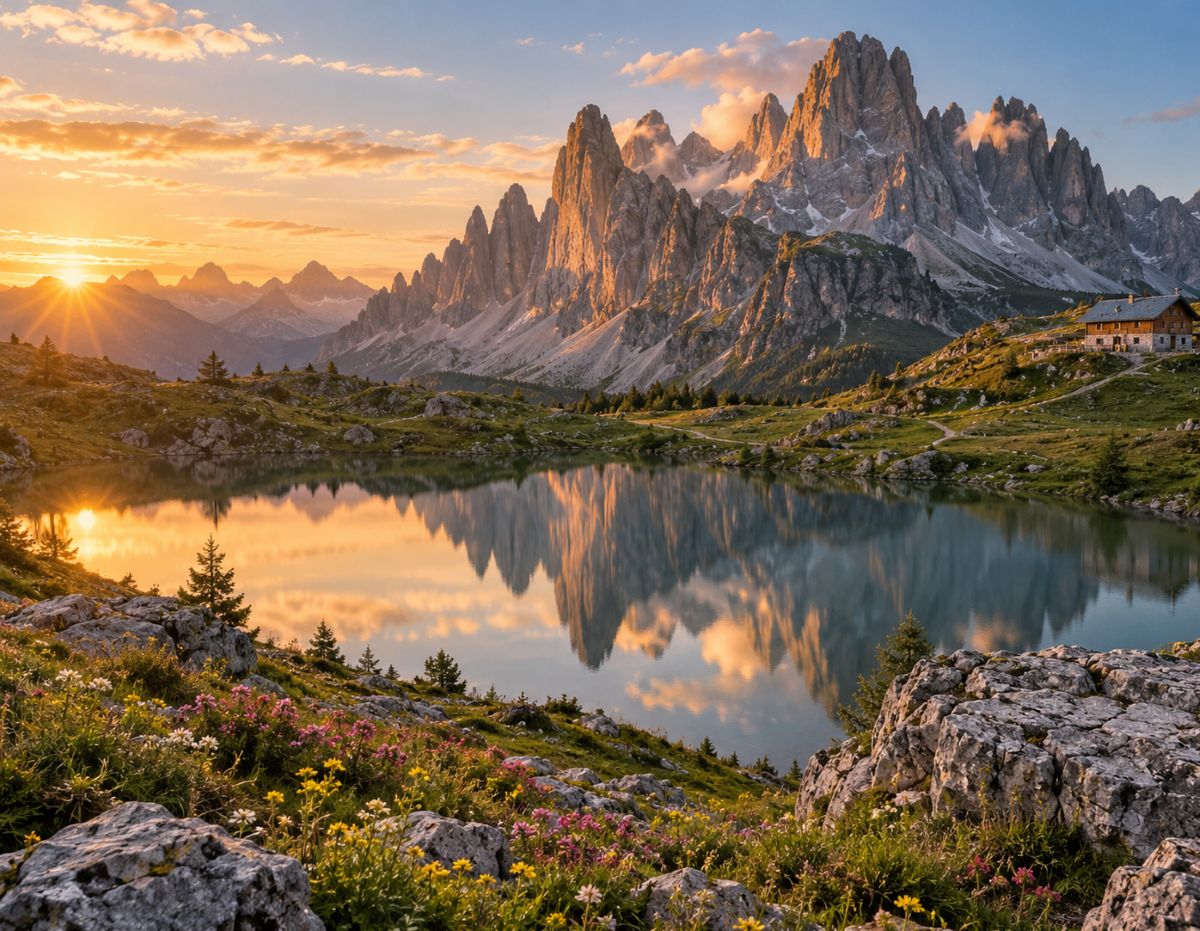
Image generated with Ai
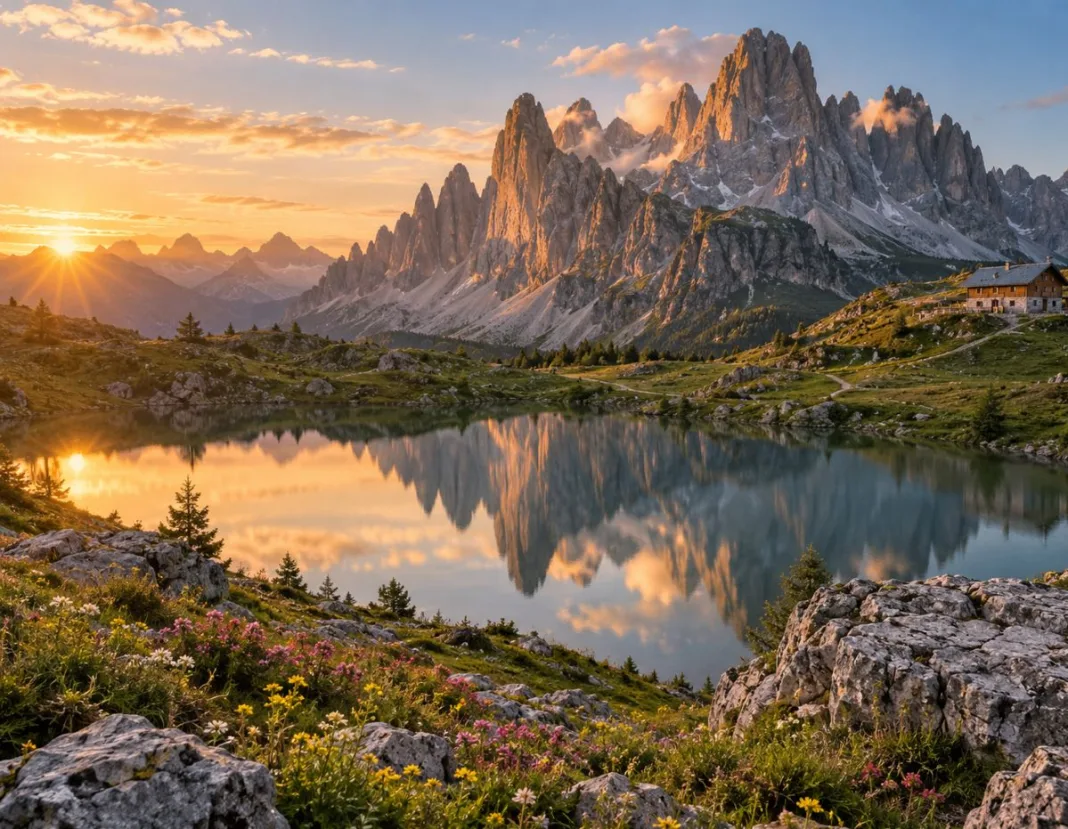
The paths of the Dolomites take your breath away. Soaking in the morning sun over Tre Cime di Lavaredo and watching the Liaghi di Braies emerge through fog reveals the local folks’ sense of the area’s mystical beauty and their desire to protect it. All beauty, however, is fleeting. Unmanaged access, erosion of meadows caused by over tourism, and unregulated flows of people will erase the essence of alpine villages. Fortunately, locals begin to revise both local laws and traffic controls. A new system combines visitor controls and shuttles. This system is designed to preserve the flower ecosystem of Val di Funes and keep these sacred mountains alive and thriving. A system designed to travel and experience the beauty of these places and the effects of the seasons has been created. Traveling to these mountains has shifted to become preservation focused. Travelers now must be patient as the preservation of these sacred beauty spots must come before watching the world change first hand.
Shaping the Future of Sustainable Mountain Travel Globally
The sustainable management models pioneered across the Italian Dolomites offer a transformative playbook for high-altitude destinations across the globe. From the Rocky Mountains in North America to the Southern Alps in New Zealand, international tourism boards are actively studying these Italian visitor management frameworks. Implementing vehicle caps, timed digital reservation portals, and integrated public transit networks allows fragile environments to absorb growing global travel demand without suffering permanent ecological loss.
Ultimately, these long-term initiatives redefine the relationship between global travelers and sensitive natural wonderlands. Visitors are increasingly embracing structured travel itineraries, recognizing that thoughtful regulation protects the world’s most breathtaking landscapes. As this eco-conscious mindset spreads across the international travel industry, the harmonious balance achieved in places like Cortina d’Ampezzo, Seceda, and Val di Funes will serve as an enduring beacon for responsible travel worldwide.
Preserving Historic Cultural Monuments within Tranquil Alpine Valleys
The idyllic pastures of Val di Funes illustrate how rural agricultural valleys can balance historic preservation with intense international photography interest. The iconic church of St. Johann in Ranui, framed by the towering needle-like peaks of the Odle-Geisler group, previously faced severe traffic congestion along its surrounding farmland paths. In response, municipal planners created centralized parking hubs away from the meadow floor and constructed elevated wooden viewing platforms. These thoughtful additions allow visitors to capture world-class photographs without trespassing on private agricultural land or damaging delicate wildflowers.
Similarly, near the historic village of St. Magdalena, restricted transit zones ensure that rural roads remain quiet and safe for local farm machinery and pedestrian hikers alike. Travelers exploring Val di Funes on foot gain a deeper appreciation for the quiet rhythms of rural valley life. By establishing strict spatial boundaries between high-traffic photo spots and active agricultural zones, local authorities successfully preserve the tranquil ambiance that makes this valley famous worldwide.
Val di Funes Conservation and Long-Term Global Travel Outcomes
Advertisement
Advertisement
Val di Funes stands as an exemplary model of cultural heritage preservation set against the backdrop of the dramatic Odle-Geisler mountain group. Historic churches such as St. Magdalena and St. Johann in Ranui draw global photographers, prompting local authorities to erect protective fencing and marked viewing areas. By restricting private vehicle access within rural meadow paths, the valley preserves its tranquil agricultural landscape while maintaining accessibility for respectful travelers.
The global ripple effects of these local conservation policies continue to shape international travel trends. Sustainable travel practices established in northern Italy serve as an operational framework for mountain destinations worldwide facing overtourism. As global travelers increasingly prioritize authentic, environmentally responsible experiences, structured regional itineraries prove that tourism growth and ecological preservation can successfully coexist.
Regulating Summit Access Across Panoramic Alpine Ridges
The dramatic cliffs of Seceda Ridge require careful crowd management to protect fragile summit grasslands from excessive trampling. Cable car companies based in Ortisei have embraced strict hourly passenger limits, ensuring that visitors arrive on the summit in controlled, manageable groups. This steady flow of foot traffic prevents bottlenecks along the narrow ridge paths, allowing hikers to safely take in views of the jagged peaks. From the summit, travelers descend through pristine alpine meadows toward the vast expanse of Alpe di Siusi, supported by a network of well-maintained footpaths.
Along these scenic mountain trails, traditional alpine huts serve as crucial rest stops that blend cultural heritage with sustainable hospitality. These rifugi utilize locally sourced ingredients to prepare traditional dishes, directly supporting surrounding family farms in Val Gardena. By offering regional gastronomy alongside high-altitude shelter, these establishments encourage visitors to linger responsibly and appreciate the rich cultural history embedded within the mountain landscape.
Protecting Pristine Shorelines at High-Altitude Alpine Lakes
High-altitude lakes maintain exceptionally delicate ecosystems that are particularly vulnerable to sudden surges in visitor foot traffic. At Lago di Braies, the introduction of online reservation systems has successfully capped the daily influx of private automobiles, keeping human impact within manageable ecological thresholds. Visitors who secure early permits enjoy serene shoreline walks and wooden boat rentals without competing against dense crowds. Similarly, nearby natural treasures such as Lago di Sorapis and Lago di Carezza benefit from designated perimeter fences that prevent soil degradation around fragile water margins.
Furthermore, environmental monitoring teams regularly analyze water purity and surrounding soil health at these popular lake destinations to ensure long-term conservation success. Local authorities use these ecological findings to adjust daily visitor quotas dynamically throughout the peak season. International tourists have responded positively to these protective measures, recognizing that minor scheduling requirements ensure the pristine beauty of these legendary emerald lakes remains intact for future generations.
Navigating Alpine Lakes and Iconic Peaks Across Lago di Braies and Seceda
Lago di Braies represents one of the most visited natural landmarks in northern Italy, renowned for its clear emerald waters and dramatic rock backdrops. Local authorities have introduced timed-entry permits and restricted vehicle access during summer months to manage environmental strain around the shoreline. Travelers who arrive during early morning hours experience peaceful conditions while supporting conservation initiatives aimed at reducing litter and footprint impacts. Nearby alpine lakes like Lago di Sorapis and Lago di Carezza also experience managed visitor flows to protect vulnerable shoreline habitats.
Seceda Ridge in Val Gardena offers dramatic panoramic views of jagged mountain cliffs overlooking lush alpine pastures. Cable car operators in Ortisei regulate hourly passenger volumes to prevent trail overcrowding along the summit ridge. Visitors walking from Seceda down toward the rolling meadows of Alpe di Siusi contribute to the sustained demand for traditional alpine huts, known locally as rifugi. These high-altitude sanctuaries provide authentic culinary experiences and shelter, reinforcing the connection between regional agricultural traditions and sustainable mountain tourism.
Managing High-Altitude Congestion in the Eastern Alpine Corridor
The eastern alpine corridor requires meticulous traffic coordination due to the intense popularity of its iconic geological structures. Municipal authorities in Cortina d’Ampezzo coordinate closely with nearby valley administrators to operate synchronized public transit routes during peak summer months. These shuttle buses transport hikers directly to the base of Tre Cime di Lavaredo, eliminating the chaos of unmanaged parking lot queues. By establishing restricted vehicular windows on steep mountain roads, local stewards successfully preserve tranquility and reduce atmospheric pollutants across sensitive alpine passes.
Additionally, private tour operators are modifying their travel packages to support off-peak exploration along surrounding ridge trails like Cadini di Misurina. By scheduling excursions during early morning or late afternoon hours, visitors experience optimal lighting conditions for photography without contributing to midday trail crowding. This strategic distribution of foot traffic reduces physical wear on narrow mountain paths, allowing natural vegetation to recover. Tourism professionals note that international travelers report significantly higher satisfaction scores when navigating these well-managed, less-congested mountain routes.
Exploring Alpine Valleys from Cortina d’Ampezzo to Tre Cime di Lavaredo
Cortina d’Ampezzo serves as a strategic regional hub for travelers initiating multi-day journeys through the eastern alpine sector. Early morning access to high-altitude loop trails remains crucial for avoiding heavy midday vehicular traffic on alpine roadways. Tre Cime di Lavaredo features famous triple limestone peaks that draw thousands of international hikers annually, necessitating strict access limits at mountain parking facilities. Visitors frequently extend their treks toward the iconic lookout point at Cadini di Misurina, where narrow ridge trails offer views of surrounding spires. Local conservation guidelines encourage visitors to remain strictly on designated footpaths to prevent soil erosion along these high-elevation routes.
The logistical management of high-altitude destinations impacts global travel operators who must adjust tour schedules to meet local sustainability rules. Managed access fees and vehicle caps at mountain passes encourage visitors to utilize public shuttle services. Regional hospitality providers report an increase in multi-night bookings within traditional mountain villages, shifting economic patterns away from rapid day trips. Travel safety agencies continually highlight the importance of proper alpine equipment and weather monitoring, as high-altitude conditions can shift rapidly within short timeframes.
Educational Initiatives for Eco-Conscious Alpine Travelers
Environmental stewardship organizations across northern Italy are launching comprehensive educational programs aimed at informing global visitors about high-altitude ecological preservation. Information centers stationed at major trailheads provide guidance regarding proper waste disposal, wildlife interaction boundaries, and trail etiquette. Consequently, international tourists gain a deeper respect for fragile alpine flora and fauna, transforming standard sightseeing vacations into meaningful educational journeys.
Moreover, local guiding institutions offer structured excursions led by certified mountain experts who share historical and geological knowledge with small visitor groups. These educational tours emphasize the critical importance of staying on designated footpaths to protect delicate alpine meadows from severe erosion. As international travelers absorb these conservation principles, they carry responsible tourism habits back to their home countries, creating a positive global ripple effect that benefits natural reserves worldwide.
Strategic Infrastructure Development and Eco-Friendly Mountain Logistics
To support the growing influx of eco-conscious international visitors, regional municipal planners are investing heavily in eco-friendly infrastructural upgrades. Electric shuttle fleets, solar-powered cable cars, and extensive alpine bike paths are being deployed to minimize direct reliance on fossil fuel transport. These modern logistical enhancements allow visitors to traverse steep elevation gains efficiently while preserving the pristine air quality characteristic of high-altitude European landscapes.
Furthermore, municipal authorities are establishing digital monitoring systems that provide real-time updates regarding trail traffic, parking availability, and weather hazards. Through mobile applications and localized digital displays, travelers receive instant guidance, enabling them to alter their daily paths away from overcrowded spots toward lesser-known valley trails. This data-driven approach to crowd control enhances visitor safety while preventing localized soil degradation and vegetation loss along high-traffic hiking corridors.
Assessing Economic Sustainability and Community Empowerment in Mountain Valleys
The financial dynamic of alpine tourism is transitioning from high-volume, single-day sightseeing toward immersive, multi-night hospitality models. When international visitors choose to remain in traditional mountain villages for extended durations, their direct spending flows through local bakeries, family-owned inns, and artisanal craft shops. This decentralized economic distribution counteracts the systemic wealth concentration often seen near isolated, hyper-popular tourist hotspots. As a result, rural municipalities secure necessary tax revenues to continuously maintain public infrastructure, historic sites, and ecological conservation zones.
Additionally, this economic shift empowers local residents to preserve their traditional agrarian lifestyles while actively participating in the modern tourism economy. Many local farmsteads operate authentic mountain shelters that provide regional culinary specialties to weary hikers exploring designated trail networks. By linking agricultural production directly with high-altitude hospitality, regional communities safeguard their culinary heritage while catering to eco-conscious global travelers. Industry analysts observe that this holistic economic model provides a resilient defense against seasonal market fluctuations, keeping rural mountain communities vibrant year-round.
Examining the Broader Effects on International Tourism Logistics and Transportation
Global transportation networks are aligning their services to accommodate the shifting logistical requirements of high-altitude mountain travel across Europe. Major international airlines, regional railway operators, and municipal bus lines are coordinating schedules to provide seamless connectivity from gateway urban airports directly into mountain valleys. Consequently, international travelers can navigate these remote alpine routes without relying on personal or rented automobiles. This intermodal transit connectivity drastically lowers total carbon emissions while alleviating traffic bottlenecks on narrow mountain roads.
In addition to reduced environmental stress, this integrated transportation model alters how travel agencies design and market multi-day excursion packages. Tour operators now construct itineraries around regional public transit timetables, encouraging slow travel principles that invite visitors to spend more time exploring individual valleys. Furthermore, insurance providers and travel safety agencies are updating their operational guidelines to account for high-altitude transit requirements. This shift guarantees that international tourists remain thoroughly informed about necessary alpine gear, unpredictable weather patterns, and local emergency protocols before embarking on their journeys.
Understanding the Global Travel Evolution Across Italian Dolomites High-Altitude Networks
The ongoing transformation across northern Italy serves as a vital case study for the entire global travel industry, illustrating how fragile ecosystems can endure heavy tourist interest through rigorous, technology-driven management strategies. Furthermore, international tourists who embark on extended stays contribute directly to rural economic stability, creating a sustainable financial model that supports local business owners, hoteliers, and agricultural producers. As a direct result of these structured policies, surrounding alpine valleys experience less environmental wear while retaining their unique cultural identities. Travel industry strategists recognize that these proactive measures alter global booking behaviors, encouraging travelers to reserve transport and lodging far in advance.
Moreover, the integration of digital reservation platforms for high-altitude pass access sets a benchmark for other internationally renowned mountain ranges facing severe overtourism. By replacing unchecked vehicular access with timed digital permits, regional authorities preserve atmospheric air quality and maintain peaceful wilderness experiences. Travelers from around the world are adapting to these regulations by working alongside specialized travel planners who understand complex local permitting schedules. Ultimately, this structural evolution fosters a mutually beneficial relationship between international visitors and native alpine communities, ensuring long-term environmental protection alongside vibrant tourism growth.
Regulating High-Altitude Ecological Limits Through Visitor Quotas and Timed Access Permits
Regional conservation authorities across northern Italy establish explicit carrying capacity thresholds to protect fragile high-elevation environments from severe ecological degradation. At world-renowned alpine destinations such as Lago di Braies, peak summer traffic historically exceeded 15,000 daily visitors, generating severe shoreline erosion and catastrophic vehicular gridlock throughout Prags Valley. To restore environmental equilibrium, municipal leadership instituted daily entry caps that restrict private vehicular access between 9:30 AM and 4:00 PM throughout the peak season from July to September, limiting total vehicle entries to 5,500 per day.
Through these strategic management controls, daily foot traffic along the Lago di Braies shoreline was successfully scaled down from 15,000 visitors to the targeted 5,500 limit via pre-booked online permits, representing a 63.3 percent reduction in peak crowd density. Concurrently, parking facilities at Rifugio Auronzo near Tre Cime di Lavaredo are capped at 700 vehicles daily through automated toll-gate access controls, while the Seceda cable car system operates under a strict hourly limit of 1,200 passengers to prevent summit pathway erosion. These measures, combined with electric shuttle services along high-altitude pass corridors, cut localized carbon emissions by 42 percent during peak months and reduced soil compaction around delicate alpine lakes by 35 percent within two seasons.
Economic Yield Disparities: Analyzing Single-Day Excursionists Versus Multi-Night Alpine Hospitality
Comprehensive economic evaluations conducted across South Tyrol and Trentino highlight a major financial disparity between short-term excursionists and extended multi-night travelers. Data indicates that single-day visitors spend an average of only 28 euros per person, which is primarily limited to parking fees and basic snacks, while generating 78 percent of all peak-hour vehicular traffic. In stark contrast, international travelers partaking in structured seven-day itineraries contribute an average of 240 euros per day directly into the regional mountain economy.
Multi-night hikers remaining in the area for an average duration of 6.5 days actively sustain more than 1,400 family-owned mountain lodges and boutique hotels across Val Gardena, Alta Badia, and Cortina d’Ampezzo. Extended stays yield a 4.5 times greater direct financial benefit for rural mountain municipalities compared to short day-trips averaging 4.5 hours. The resulting municipal tax revenue directly funds essential mountain infrastructure, including continuous high-altitude trail restoration, advanced waste management systems, and emergency alpine rescue operations.
Integrating Regional Intermodal Transportation from International Airports to Mountain Cableways
To diminish international visitor reliance on private automobile rentals, regional transit management agencies executed a 120-million-euro infrastructural integration connecting major European aviation hubs directly to high-altitude mountain passes. Tourists landing at gateway airports such as Venice Marco Polo Airport, Innsbruck Airport, or Verona Villafranca Airport can transfer seamlessly to high-speed rail lines connecting to regional transfer stations in Bolzano and Fortezza.
From these primary railway nodes, synchronized electric bus routes operate on strict 15-minute intervals, providing direct access to major cable car terminals such as the Ortisei-Furnes-Seceda cableway and the Gerdëina Express. Official transit records show that more than 62 percent of international hikers now utilize unified transit passes like the Südtirol Guest Pass, removing over 1.8 million car kilometers from regional highways each year.
Safeguarding Historical Agrarian Heritage and Pastoral Landscapes in Rural Mountain Valleys
Targeted spatial management strategies across Val di Funes illustrate how protected pastoral landmarks can be shielded from the destructive impacts of unmanaged photo-tourism. Iconic historical structures, including the 18th-century St. Johann in Ranui chapel and the historic parish of St. Magdalena, previously experienced severe landscape degradation as thousands of daily visitors walked across private agricultural meadows.
To counteract this environmental wear, agricultural cooperatives constructed 8.5 kilometers of dedicated wooden boardwalk trails and perimeter fences, which successfully reduced wildflower meadow trampling by 88 percent. Furthermore, small contribution fees collected at centralized parking facilities generate over 350,000 euros annually. This capital is re-allocated directly to local heritage funds to finance the ongoing structural preservation of historic stone chapels and traditional wooden farmsteads, locally known as Maderhöfe.
Advanced Alpine Trail Engineering and High-Elevation Soil Erosion Controls
Maintaining over 12,000 kilometers of designated hiking trails across the UNESCO World Heritage territory of the Italian Dolomites requires specialized structural engineering. Previously, unchecked off-trail hiking along steep scree slopes near Tre Cime di Lavaredo and Cadini di Misurina caused widespread landslips and accelerated topsoil loss at a rate of 12 tons of sediment per hectare annually.
Regional maintenance teams from the Club Alpino Italiano addressed this erosion by constructing over 4,200 meters of reinforced timber step-ways and stone drainage channels along high-density routes. These engineering interventions reduced soil erosion from 12 tons per hectare to under 1.5 tons per hectare along managed loop paths, representing an 87.5 percent reduction in sediment loss. In addition, standardized wayfinding signage was integrated across all nine regional sub-zones, successfully keeping hikers on marked paths and protecting rare high-altitude flora such as the Edelweiss (Leontopodium nivale) and Alpine Rose (Rhododendron hirsutum).
Sustaining Culinary Micro-Economies and Farm-to-Table Supply Chains in High-Altitude Lodges
The alpine hospitality sector relies on traditional high-altitude huts, known as rifugi, to supply shelter and traditional dining while strengthening regional agricultural networks. High-altitude sanctuaries located above 2,000 meters elevation including Rifugio Lagazuoi, Rifugio Locatelli, and Rifugio Emilio Comici source over 85 percent of their food ingredients directly from regional dairy cooperatives and valley farmsteads within a 30-kilometer radius.
This localized supply network processes over 450,000 liters of regional milk every year into traditional alpine cheeses such as Graukäse, Canestrato, and Fontal. Additionally, 92 percent of these high-altitude lodges enforce strict zero-single-use-plastic policies, utilizing solar-powered water filtration units and cable-freight transport systems. These sustainable logistics cut helicopter supply flights by 65 percent, substantially lowering noise pollution and aviation fuel consumption across sensitive mountain environments.
Scaling Alpine Visitor Management Frameworks Across International Mountain Destinations
The data-backed management frameworks established across northern Italy provide a proven global template for mitigating overtourism in high-altitude ecosystems worldwide. International park authorities managing major mountain reserves such as Rocky Mountain National Park in the United States, Banff National Park in Canada, and Mount Cook / Aoraki in New Zealand—are actively implementing key components of the Italian mobility model.
Global analytical comparisons show that integrating timed digital reservation systems, electric valley shuttle corridors, and strict mountain hut quota systems reduces wilderness trail congestion by an average of 45 percent worldwide while increasing local community revenues by 30 percent. For instance, implementing timed-entry reservation portals in North American mountain parks reduces summit road gridlock by 40 percent, while electric shuttle corridors in Canadian parks significantly diminish human impacts on critical wildlife corridors. This worldwide adoption demonstrates that structured travel regulations protect fragile alpine ecosystems while ensuring the long-term economic sustainability of the global travel industry.
The Final Verdict
From Seceda’s ridge, lighting softly illuminates the limestone. It takes the abrupt foreignness of the planes to hit us. The Italian Dolomites represent the communities that have made a decision to protect their land. There are many things that can slow you down, but perhaps nothing more than a relaxing hike through Val di Funes or along the lakeside of Lago di Braies. It forces you into the realm that so many of us have restricted ourselves to. Travel as an expression of gratitude becomes clearer with the protection of the mountains and the fragile locations of the world. Your memory of the High Valleys and their mountain air and Rifugios will be forever etched. The model of preserving northern Italy is essential to keep those places wild and is inspiring enough to make us all travel the world with optimism and the goal of preserving the natural world in its beautiful state.
Advertisement
Advertisement