

September 7, 2026 9:04 AM
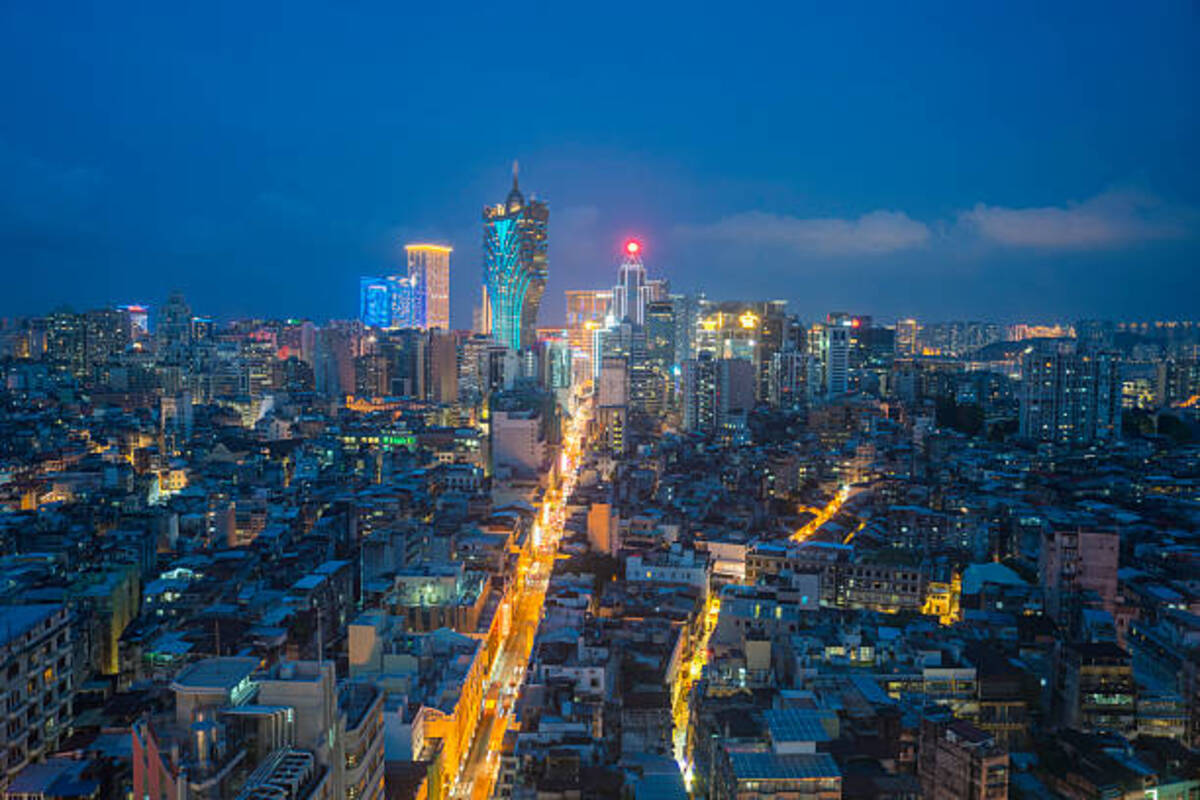
Image generated with Ai
Macau plans to invest approximately MOP130 billion, or US$16 billion, to create other means of economic growth beyond casinos in the next five years. This new investment marks a move by the territory to create new growth engines and complete one of the strongest goals to date for reshaping the territory’s economic future. Macau hopes to shift the focus of its economy to non-gaming sectors and increase them to represent about 60 percent of the total gross value added by 2030.
For decades, gaming has been the foundation of Macau’s economy. While the sector remains important, authorities are now focusing on creating a broader economic structure supported by education, technology, cultural tourism and logistics. The latest investment plan signals a shift from dependence on one dominant industry towards a more balanced model designed to attract businesses, visitors and skilled professionals.
Macau Launches Four Key Projects to Build a More Diverse Economy
The diversification strategy is centred around four major developments that are expected to support new industries and expand economic opportunities.
The Macao-Hengqin International Education University Town will focus on strengthening education and developing future talent. The Macao Technology Research Industrial Park will provide a platform for innovation, research and emerging industries. The Macao International Integrated Tourism and Cultural Zone will aim to expand visitor experiences beyond traditional attractions, while improvements to the airport cargo terminal will support stronger logistics connections.
These projects represent different parts of Macau’s economic ambitions. Education can create a stronger talent base. Technology investment can encourage innovation. Cultural tourism can attract new visitor segments. Improved logistics can strengthen commercial links with neighbouring markets.
However, the construction of these facilities will only create the foundation. The bigger challenge will be turning these developments into active economic centres with businesses, researchers and investors choosing Macau as a place to operate.
Economic Diversification Requires More Than New Buildings
Large-scale infrastructure can support economic growth, but successful diversification depends on the policies built around those assets.
Macau will need to create conditions that encourage companies to invest, expand and remain in the territory. This includes clear business regulations, competitive incentives, skilled workforce development and practical support for emerging industries.
Many global economic hubs became successful not only because they built modern facilities, but because they developed long-term strategies to attract specific industries and talent.
For Macau, the challenge will be identifying where it can offer genuine advantages instead of competing directly with larger regional economies that already have established technology and business ecosystems.
The territory’s future success will depend on choosing sectors where it can create a unique identity and long-term competitiveness.
Greater Bay Area Connection Gives Macau New Opportunities
Macau’s location provides a significant advantage through its connection with the wider Greater Bay Area.
The region brings together major economic centres, creating access to a huge consumer market, business network and innovation ecosystem.
Through stronger cooperation with Hengqin, Macau can expand its economic capacity while maintaining its own identity. The partnership could allow the territory to attract companies that want access to the Greater Bay Area but also value Macau’s international character and specialised opportunities.
Rather than attempting to become another major technology or financial centre, Macau could focus on industries where its location, cultural background and regional links provide additional value.
A targeted strategy could help the territory develop a stronger economic position while avoiding direct competition with much larger neighbours.
Macau’s European Heritage Could Support New Business Growth
One of Macau’s most distinctive strengths is its centuries-old connection with Portuguese and European culture.
The territory already uses this heritage as part of its tourism identity through historic sites, architecture and cultural experiences. However, this connection could potentially support wider economic opportunities.
Macau could develop a stronger role as a gateway between European creative industries, Portuguese-speaking markets and the Greater Bay Area.
Lifestyle brands, design companies, premium retail businesses and cultural enterprises may find opportunities in Macau because of its unique combination of Asian market access and European influence.
To achieve this, authorities may need to introduce more focused support measures for selected industries rather than relying only on general investment promotion.
Special business programmes, simplified approvals and targeted incentives could help attract companies that match Macau’s strengths and create new economic activity.
Technology Park Success Will Depend on Strategic Choices
The planned technology research industrial park represents a major opportunity, but its impact will depend on how effectively Macau defines its technology priorities.
Technology hubs are usually successful when they develop around specific strengths, strong research institutions and companies with a clear reason to be located there.
Macau may face challenges if it attempts to compete across every technology field. Larger neighbouring cities already possess extensive technology infrastructure and deeper talent pools.
A more focused approach could provide better results.
Macau could explore sectors connected to its existing advantages, including tourism technology, financial technology linked to international markets, healthcare research and digital services.
Building expertise in carefully selected areas would allow the territory to create a distinctive technology ecosystem rather than simply replicating models already operating elsewhere.
Tourism Transformation Could Create New Visitor Experiences
Tourism will continue to play a central role in Macau’s economy, but future growth is expected to rely on a wider range of experiences.
The development of an integrated tourism and cultural zone reflects efforts to expand Macau’s appeal beyond gaming-related travel.
Visitors are increasingly seeking cultural experiences, entertainment, heritage, events and lifestyle attractions. A broader tourism strategy could encourage longer stays and increase spending across more sectors of the economy.
This approach could benefit hotels, restaurants, cultural venues, retailers and local businesses while creating a more balanced tourism environment.
By combining heritage, entertainment and new attractions, Macau can strengthen its position as a diverse destination within the Asian tourism market.
Macau’s Biggest Economic Test Begins After Investment Starts
The MOP130 billion commitment represents a major turning point for Macau’s economic future.
The territory now has a clear target: increase the contribution of non-gaming industries to around 60 per cent of gross value added by 2030. Achieving that goal will require more than funding and construction.
The next stage will depend on implementation.
Authorities will need to decide which industries receive meaningful support, how international talent can be attracted, how businesses can access opportunities and how Macau can create advantages that separate it from competing regional economies.
The territory does not need to become a copy of its neighbours. Its strongest opportunity lies in developing a model based on its own strengths, including its cultural identity, tourism reputation, regional connectivity and international links.
If Macau successfully combines investment with focused economic planning, the MOP130 billion programme could become a defining step towards a future where growth is driven by innovation, culture, tourism and broader industries rather than gaming alone.
Advertisement
Advertisement