

September 6, 2026 12:07 AM
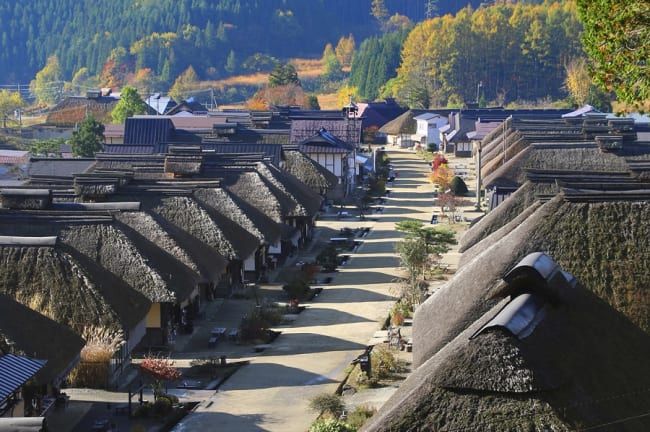
Image generated with Ai
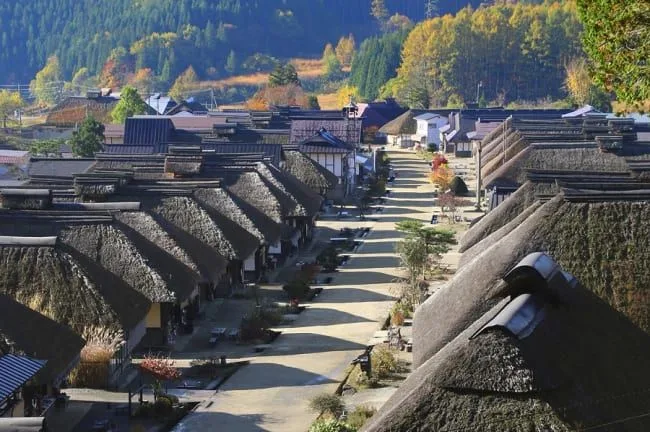
Japan is leading other countries in the international movement of micro-pilgrimage and hiked footpath tourism. Japan is leading other countries in the international movement of micro-pilgrimage and hiked footpath tourism, as it directs tourists into the wilderness, away from the throngs of other travelers. In addition, Japan is leading modern-day adventurers into exquisite Shinto woods and across classical stony pathways. As a result, this amazing country is generating worldwide interest in ecological excursions and alternative routes that focus on human contemplation. Therefore, a significant number of avid travelers are choosing to embark on slow vacations these days.
Modern-day explorers are discovering new ways to engage with the world that still have an impact – if on a much smaller scale – than traditional tourist hotspots. They are looking to make a difference instead of following the well-worn path of commercial mass tourism, and choosing to follow their own secular walking trails, or take up micro-pilgrimages that focus on a connection to the land and its ancient routes.
Plan your journey using official resources like the Japan National Tourism Organization.
Why Are Travellers Abandoning Commercial Resorts for Solitary Paths?
Contemporary holidaymakers are systematically turning away from overcrowded commercial resorts in search of profound mental clarity and authentic physical endurance. This profound cultural shift highlights a collective exhaustion with hyper-connected modern lifestyles and digital saturation. Travellers now view long-distance pedestrian trails as essential therapeutic outlets for achieving genuine psychological reset.
Walking across ancient landscapes allows individuals to disconnect from relentless digital demands and reconnect with natural rhythms. The deliberate absence of modern distractions fosters an environment where deep personal introspection and emotional healing can organically flourish. Consequently, these quiet pedestrian journeys offer a meaningful antidote to the frantic pace of contemporary urban existence.
How Do Post-Secular Trails Redefine Modern Adventure?
Post-secular walking trails redefine traditional journeying by stripping away rigid dogma and emphasizing universal human experiences like resilience. Modern explorers engage with these historical routes to seek personal wellness rather than to satisfy strict religious obligations. This inclusive philosophy opens up transformative travel opportunities to people from diverse ideological and cultural backgrounds.
These alternative pathways celebrate the beauty of low-impact exploration through sustainable, human-powered mobility across pristine natural environments. Individuals find profound value in the daily rhythm of walking rather than fixating on reaching a commercialized destination. Ultimately, the journey itself transforms into a flexible canvas for self-discovery and cultural appreciation without ideological constraints.
“This incredible shift toward mindful walking trails completely redefines how we experience the world today. Instead of chasing exhausting tourist hotspots, people are finally choosing a deeper, more intentional connection with nature and history. Japan truly leads the way by showing us that the most valuable journeys happen at a slower, more human pace. When we trade digital noise for the quiet rhythm of ancient paths, we discover profound clarity, authentic cultural immersion, and lasting personal healing. It is an inspiring reminder that travel should always nourish the soul rather than just fill photo albums.”
Advertisement
Advertisement
— Anup Kumar Keshan, Founder and Editor-in-Chief, Travel And Tour World
What Makes Historic Trade Routes Ideal for Slow Tourism?
Forgotten trade routes and ancient pedestrian paths provide an exceptional framework for sustainable slow tourism away from major highways. Traversing these historical corridors allows modern wanderers to physically experience centuries of human commerce, migration, and cultural exchange. Each step across these forgotten tracks links the contemporary traveller directly to the deep footprints of past generations.
Preserving these low-infrastructure pathways safeguards delicate ecosystems while simultaneously revitalising rural communities through responsible tourism. Walkers directly support local economies by staying in small villages and utilizing modest local amenities along the trail. This mutually beneficial exchange ensures that heritage preservation and modern adventure coexist harmoniously.
| Trail / Region | Key Landscape Feature | Primary Focus |
| Japan (Kumano Kodo) | Mountainous Shinto forests & ancient stone passes | Introspection & spiritual heritage |
| Jordan (Jordan Trail) | Desert canyons & Red Sea coastlines | Ancient caravan paths & endurance |
| Portugal (Fishermen’s Trail) | Rugged Alentejo coastal cliffs | Low-impact coastal walking |
| South Korea (Jeju Olle Trail) | Volcanic shorelines & fishing hamlets | Scenic local community immersion |
Ultimately, this large-scale shift towards the development of quiet walking routes proves that modern travelers are in dire need of finding deeper connections beyond commercial hotspots. Through the replacement of hectic holidays with mindful excursions on foot, people from all over the world can re-discover the restorative power of both nature and legacy. Japan perfectly captures the global trend in the modern travel industry.
The growing popularity of micro-pilgrimages is explained by the fact that overworked urbanites seek authentic off-season experiences that help them disconnect digitally and emotionally from the hyper-commercialized world. Thus, micro-pilgrimages are the ultimate response to the travelers’ quest for authenticity, self-discovery, and a holistic approach to the holiday-making process that does not rely on consumerism. As a result, ancient routes of pedestrian trips around the world secure a sustainable future for both the environment and the economy.
Advertisement
Advertisement