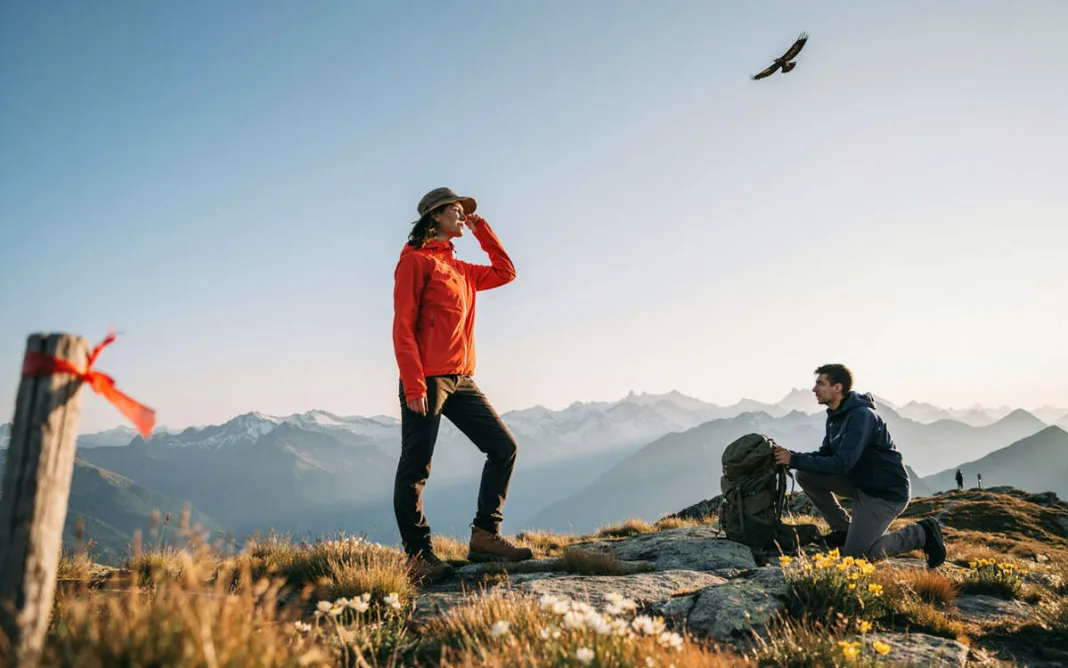


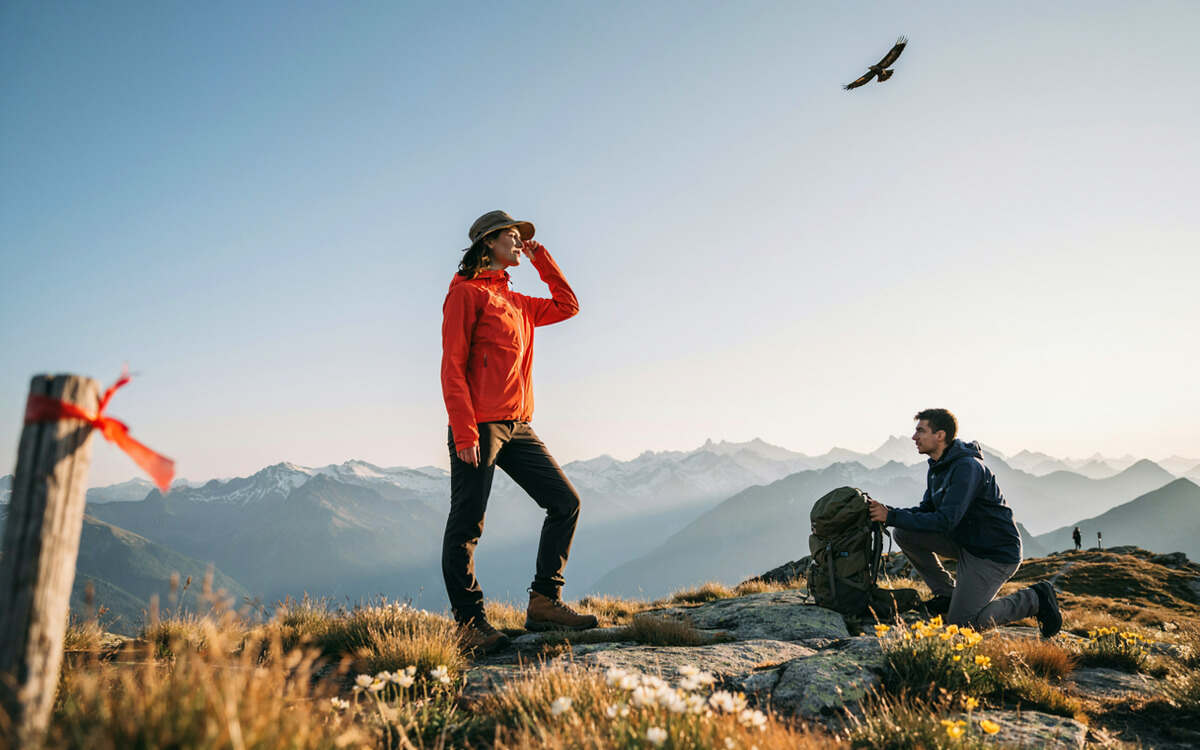
Image generated with Ai
Trip.com Group has noted that travelers are participating in sportcations as adventure travel fills a gap in the tourism economy. Travelers are starting to replace traditional sightseeing vacations with trips focused on adventure and activities, travel, and achieving personal success. The increase in sportcation travel is changing how travelers think about trips. Trip.com Group says that the gross merchandise value (GMV) of sports and activity-based travel has increased by almost 40% compared to the same period last year.
The surge highlights a major transformation in holiday choices. Travellers are no longer only searching for destinations to relax and explore. They are increasingly planning journeys around experiences that allow them to stay active, develop new skills and connect with nature.
From diving beneath tropical waters and cycling through scenic landscapes to extreme sports and wellness retreats, active travel is becoming a defining trend across international markets.
Trip.com Group data shows that searches for active sports experiences have increased by more than 30% compared with the previous year, proving that interest in adventure-focused travel is expanding rapidly among global travellers.
Advertisement
Advertisement
Sportcations Transform The Way Travellers Explore The World
The rise of sportcations reflects a deeper change in modern tourism. Holidays are increasingly being viewed as opportunities for self-improvement, discovery and memorable experiences rather than simple breaks from daily life.
Active travel combines tourism with physical activities, creating journeys built around personal interests and outdoor experiences. These trips include everything from beginner-friendly cycling tours and diving lessons to high-adrenaline activities such as skydiving and paragliding.
The growth is being recorded across major travel markets, with strong increases in both online searches and actual bookings.
Singapore has become one of the fastest-growing markets for active travel interest, recording an 80% year-on-year increase in searches for sports experiences. Malaysia followed with a 65% rise, while the United Kingdom recorded a 50% increase.
European countries are also witnessing growing enthusiasm. France, Italy, Germany and Spain registered triple-digit growth in searches, demonstrating that adventure-focused tourism is attracting travellers across different regions and age groups.
The shift shows that international travellers are increasingly prioritising experiences that create lasting memories and personal connections with destinations.
Asia-Pacific Markets Lead The Growth In Active Travel Bookings
While interest in active travel is rising worldwide, several Asia-Pacific markets are recording exceptional growth in bookings.
South Korea experienced a remarkable 150% increase in active travel booking GMV compared with the previous year, reflecting growing demand for sports and outdoor experiences among travellers.
Singapore recorded a 104% increase, while Thailand emerged as one of the strongest-performing destinations with active travel booking growth reaching 200% year on year.
The rapid expansion in these markets demonstrates the growing importance of adventure and wellness experiences within regional tourism strategies.
European markets have also recorded significant momentum. Active travel bookings from the United Kingdom increased by more than 100%, while Germany recorded growth exceeding 600% compared with the previous year.
The figures underline a global movement towards experience-based tourism, where travellers are choosing destinations based on activities they can participate in rather than attractions they can simply visit.
Diving, Cycling And Extreme Adventures Become Holiday Favourites
The popularity of active travel covers a wide range of experiences, with travellers showing strong demand for activities that combine excitement, nature and physical challenges.
According to Trip.com Group booking trends, diving has become the most-booked sporting experience globally. The underwater activity continues to attract travellers searching for unique marine experiences and opportunities to explore coastal destinations.
Other popular activities include ziplining, paragliding, skydiving and cycling, highlighting the increasing demand for adventure-based holidays.
Australia has emerged as a particularly attractive destination within several active travel categories. Travellers are booking experiences connected with cycling routes, rock climbing, surfing, kayaking and adventure activities including paragliding and skydiving.
The popularity of these activities is also supporting destinations with strong natural landscapes. Mountains, beaches, forests and outdoor adventure zones are gaining importance as travellers search for more immersive holiday experiences.
Travel Groups Reveal Regional Differences In Sportcation Behaviour
The growth of active travel is also revealing different travel patterns between regions.
In Europe, sportcation travellers usually prefer smaller groups, with the average active travel party consisting of one to two people.
This trend suggests that many European travellers are choosing personalised adventure experiences, couples’ journeys and individual challenges centred around specific interests.
In the Asia-Pacific region, active travel groups are generally larger. The average group size increases to two to three travellers, indicating stronger demand for shared adventures, family experiences and group activities.
These regional differences show how sportcations are adapting to different cultures and travel preferences.
For some travellers, an active holiday represents a personal challenge or fitness goal. For others, it provides an opportunity to spend meaningful time with friends and family while discovering new destinations.
Social Media Accelerates The Global Adventure Travel Movement
The popularity of active travel is not only visible through booking behaviour. It is also expanding rapidly across digital travel communities.
Trip.com Group’s social content platform, Trip.Moments, recorded a 99% year-on-year increase in active travel-related posts worldwide.
Spain recorded the strongest growth in active travel content, with posts increasing by 224.9%. The United Kingdom followed with a 122.2% rise, while Italy recorded an increase of 118.9%.
China saw active travel posts grow by 96.2%, while France recorded an 86.9% increase.
However, audience interaction grew even faster. Comments on active travel content increased to 12 times higher than the previous year, showing that travellers are actively engaging with adventure-related discussions.
These online conversations now play an important role in travel planning. Users share destination recommendations, preparation advice, training tips and personal stories from outdoor experiences.
Social platforms are therefore becoming powerful tools in influencing where travellers go and which activities they choose.
Active Tourism Creates New Opportunities For Global Destinations
The rapid expansion of sportcations is creating new opportunities for destinations seeking to attract international visitors.
Countries with coastlines, mountains, forests and outdoor attractions are increasingly benefiting from this changing travel demand.
Destinations that offer diving, cycling routes, adventure sports, hiking trails and wellness experiences are gaining a stronger position in the global tourism market.
The trend is encouraging tourism organisations and travel businesses to develop more experience-focused products designed around participation rather than observation.
Modern travellers are asking different questions when planning holidays. Instead of only asking where they should travel, they are asking what they can experience, learn and achieve.
The continued growth of active travel indicates that the future of tourism will be shaped by meaningful experiences, personal goals and deeper connections with destinations.
As global demand for adventure, wellness and outdoor exploration continues to rise, sportcations are becoming one of the most influential forces redefining international travel.
Advertisement
Advertisement