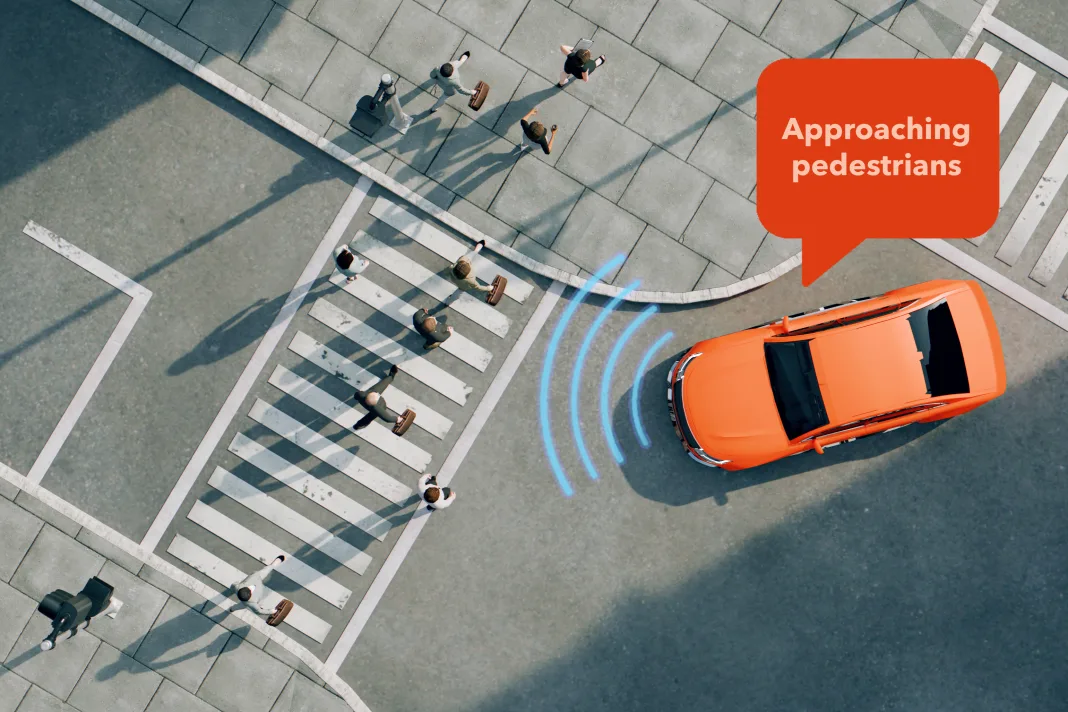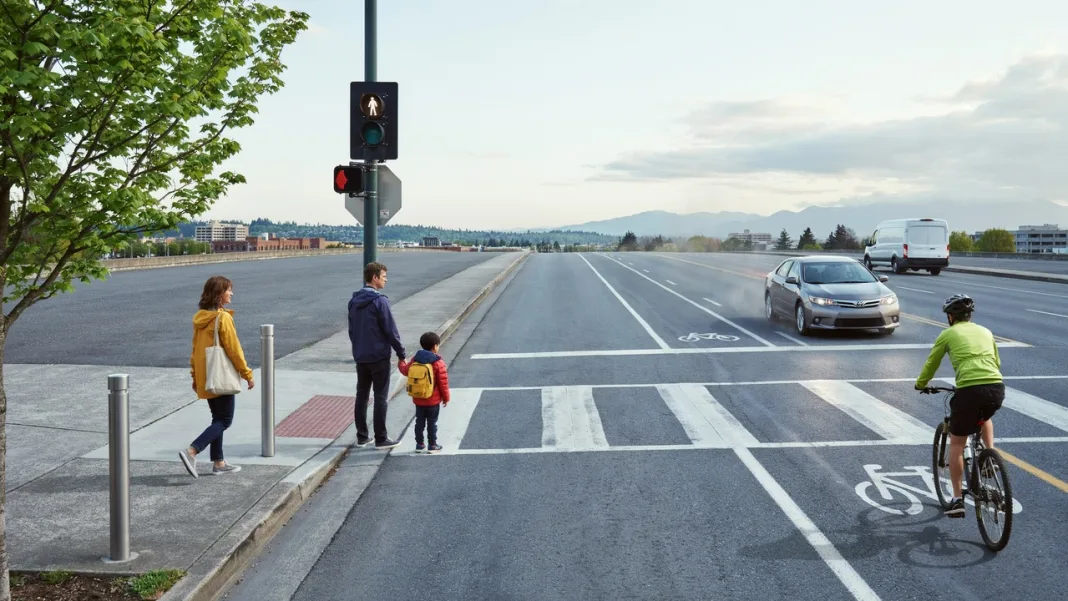


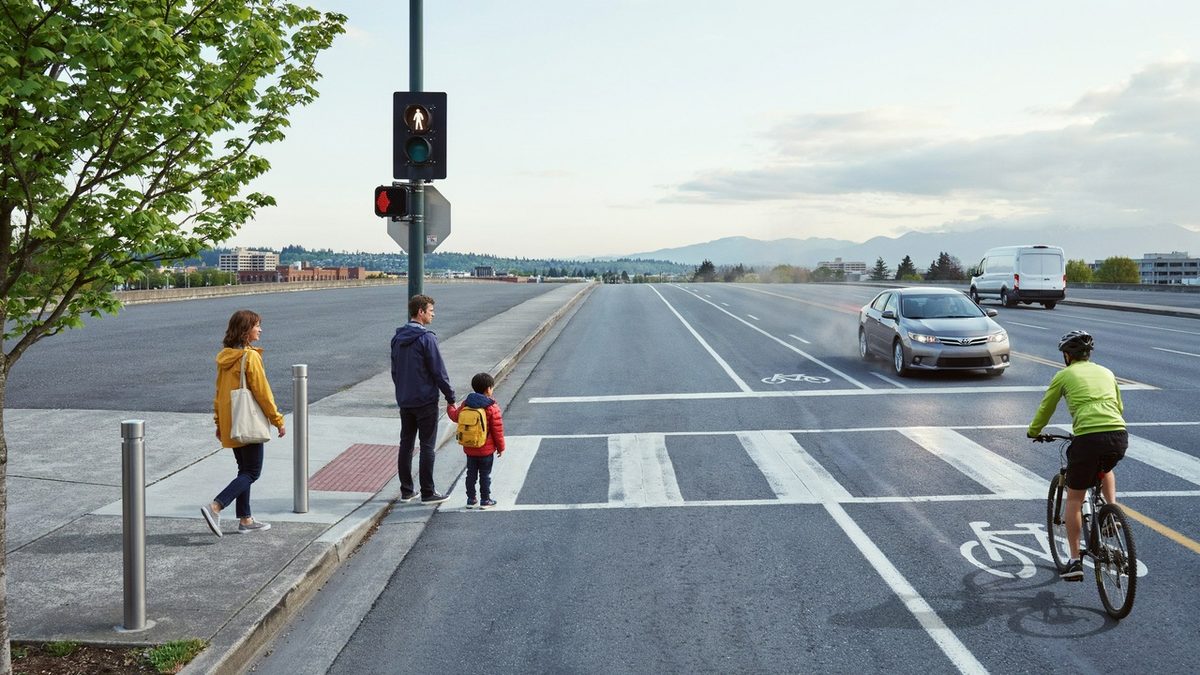
Image generated with Ai
Eugene sees pedestrian deaths triple as 45mph roads raise safety concerns, according to a new August 2026 study of US cities. The Oregon city recorded a 200% rise in pedestrian fatalities over five years. That makes Eugene one of the places where deaths among people walking have increased fastest. Yet the picture is not simple.
Eugene has a visible walking culture, with 6.9% of residents travelling to work on foot. Even so, 24 pedestrians died between 2020 and 2024. Moreover, fatal crashes typically occurred on roads with a 45mph median speed limit. The findings raise fresh questions about speed, infrastructure and pedestrian safety.
Summary
- Eugene recorded a 200% rise in pedestrian deaths during the five-year study period.
- The Oregon city had 24 pedestrian fatalities between 2020 and 2024.
- Fatal crashes in Eugene had a median speed limit of 45mph in 2024.
- About 6.9% of Eugene commuters walk, highlighting strong pedestrian demand.
- The findings put road speed and pedestrian infrastructure under fresh scrutiny.
Eugene Pedestrian Deaths Triple as 45mph Roads Raise Safety Concerns
Eugene, Oregon, is facing a striking pedestrian safety challenge as deaths among people walking have increased by 200% over the five-year period examined in a new US city study.
The finding places Eugene third among the 10 cities identified as having the fastest increases in pedestrian fatalities since 2020. While the city is known for an active walking culture, the research shows that being a pedestrian does not necessarily mean being protected from serious road danger.
Advertisement
Advertisement
The study, released in August 2026 by Whitley Law Firm, compared pedestrian deaths across US cities and examined several factors that can help explain the changing risk. These included walkability, the percentage of commuters who walk to work, total traffic deaths, pedestrian fatalities, changes in pedestrian deaths and the median speed limit at locations where fatal crashes occurred.
Eugene records a 200% rise
Eugene recorded 24 pedestrian fatalities between 2020 and 2024, according to the research. Over the study period, pedestrian deaths increased by 200%, putting the Oregon city level with Boston in the second-highest increase category, behind Springfield, Massachusetts.
The result is particularly notable because Eugene has a relatively established walking culture. The study gives the city a walkability score of 46 out of 100, while 6.9% of commuters walk to work.
Those figures suggest that walking is an established part of daily life for a meaningful share of Eugene residents. However, the increase in pedestrian fatalities shows that walkability alone cannot guarantee safety.
Advertisement
Advertisement
The research also identifies the speed environment around fatal crashes as an important concern. In Eugene, the median speed limit at locations where fatal pedestrian crashes occurred in 2024 was 45mph.
That figure stands out when compared with several other cities on the list. Boston, for example, had a median speed limit of 25mph at fatal crash locations, while San Francisco, Washington and Pittsburgh also recorded 25mph. Eugene’s 45mph figure was the highest among the 10 cities examined.
Why Eugene’s numbers matter
A 200% increase does not mean that Eugene has the highest absolute number of pedestrian deaths in the study. Instead, it measures how dramatically the number changed over the period.
That distinction is important when interpreting the findings.
New Orleans recorded 110 pedestrian deaths between 2020 and 2024, compared with Eugene’s 24. San Francisco recorded 89, while Washington recorded 76. Eugene therefore does not have the largest pedestrian death toll in the group.
Its significance lies in the pace of deterioration.
The study describes Eugene as an Oregon college city with an active walking culture. Nearly 7% of residents travel to work or university on foot, yet the city still recorded 24 pedestrian deaths during the five-year period.
The combination creates a difficult road-safety picture: people are walking, but the conditions around some roads appear capable of producing severe consequences when collisions occur.
Speed becomes a central concern
The 45mph median speed limit identified in Eugene is one of the most important details in the study.
Speed is a critical factor in pedestrian crashes because people walking have little physical protection when struck by a motor vehicle. As vehicle speed rises, drivers have less time to respond and pedestrians face greater consequences when a collision occurs.
The source material specifically notes that crashes in Eugene tend to happen at much higher speeds than in Boston. It says those higher speeds can leave pedestrians with serious injuries even when they survive the collision.
This does not establish that speed alone caused Eugene’s 200% increase. The research examined several indicators rather than identifying one single cause.
However, the speed-limit comparison gives road authorities, transport planners and safety advocates a clear area for closer examination.
Walking demand does not automatically mean safer streets
Eugene’s figures also highlight a broader issue for destinations that depend on walking.
A city can score reasonably well for walkability and still contain roads that present serious risks to pedestrians. Walkability measures can describe how convenient an area is for walking, but they do not necessarily capture every safety issue on individual corridors.
Eugene’s walkability score of 46 is below Boston’s 83, San Francisco’s 89 and Washington’s 98. Yet the city’s pedestrian fatality increase was substantially higher than those cities’ increases, except for Boston, which also recorded a 200% rise.
For travellers, residents and visitors, this distinction matters. A destination may be easy to explore on foot while particular arterial roads, crossings or high-speed corridors remain hazardous.
That means visitors should not interpret a city’s walkability reputation as a guarantee that every pedestrian route is equally safe.
Eugene compared with the other cities
The wider ranking puts Eugene in a notable position.
Springfield recorded the fastest increase, with pedestrian fatalities rising 300%. Boston and Eugene followed at 200%. New Orleans posted a 170% increase, while Buffalo recorded 133%.
Honolulu’s increase reached 125%, San Francisco’s 108% and Norfolk’s 100%. Washington recorded an 80% rise, followed by Pittsburgh at 75%.
Eugene’s 42.86% pedestrian share of total traffic fatalities is also significant. That was the highest proportion in the 10-city table, ahead of San Francisco at 47.09% only when considering the supplied figures; therefore, San Francisco actually held the highest share overall. Eugene remained among the cities where pedestrians represented a substantial portion of traffic deaths.
The comparison reinforces why the Eugene result deserves attention without overstating it. The city is not the deadliest location in absolute terms, but its rate of increase is among the sharpest.
What the findings mean for travellers
Eugene is an established destination for visitors exploring Oregon and the wider Pacific Northwest. Its pedestrian safety profile therefore has relevance beyond residents.
Travellers who explore cities primarily by foot should pay particular attention when moving from lower-speed neighbourhood streets to wider, faster roads. Marked crossings, traffic signals and designated pedestrian facilities can help people navigate busy corridors, but travellers should still assess traffic conditions before crossing.
The study does not provide a tourist-specific risk assessment, nor does it identify individual Eugene roads that visitors should avoid. Therefore, the findings should be treated as a city-level warning rather than a map of unsafe tourist areas.
For travel businesses, destination marketers and local tourism organisations, the message is equally practical: promoting walking as part of a visitor experience should go hand in hand with clear pedestrian-safety information.
Infrastructure remains part of the debate
The source material also includes a broader observation from Robert E. Whitley of Whitley Law. He said nearly two-thirds of pedestrian deaths occur in locations without sidewalks and argued that failures involving known dangerous road conditions can raise questions about municipal responsibility.
That comment is a legal perspective, not a finding that Eugene authorities are responsible for the deaths recorded in the study.
Still, infrastructure is an important part of the wider pedestrian-safety discussion. Sidewalk availability, crossing design, lighting, road geometry, traffic speed and separation between vehicles and pedestrians can all influence how people interact with roads.
For Eugene, the research provides a reason to examine those factors more closely, particularly on roads where the speed environment is substantially higher.
The bigger lesson for US cities
Eugene’s experience reflects a wider challenge facing US cities: pedestrian safety cannot be measured by walkability alone.
The study’s 10-city comparison shows that serious pedestrian risks exist across places with very different urban forms. Boston has a very high walkability score and a large share of commuters travelling on foot, yet its pedestrian fatalities have tripled. San Francisco has a walkability score of 89 and recorded 89 pedestrian deaths over the five-year period.
Eugene therefore offers an important case study. A city can support walking as a transport choice while still having high-risk road environments.
The next step for policymakers is not simply to encourage more walking. It is to ensure that walking routes are designed and managed around the realities of traffic speed and pedestrian vulnerability.
What happens next for Eugene?
The study does not forecast whether Eugene’s pedestrian fatalities will continue rising. Nor does it identify a single intervention that would reverse the trend.
What it does provide is a clear signal: pedestrian deaths have increased sharply, and fatal crashes are associated with a median speed-limit environment of 45mph.
That combination warrants attention from transport planners, local authorities and road-safety organisations.
For visitors, the practical lesson is straightforward. Eugene remains a city that can be explored on foot, but walking should not be treated as automatically safe simply because pedestrians are a visible part of its urban culture.
Ultimately, Eugene’s 200% rise is less a story about discouraging walking than about making walking safer. The data point towards the need for closer examination of road speeds, pedestrian infrastructure and the places where vehicles and people on foot share the same space.
The study’s broader message is equally clear: a city becomes genuinely walkable only when people can move around without facing an unacceptable risk of serious injury or death.
Anup Kumar Keshan, Founder and Editor-in-Chief, Travel And Tour World, said:
“Eugene’s figures deserve attention because they reveal an important truth about modern travel: walkability must also mean safety. Visitors increasingly explore destinations on foot, and they expect streets, crossings and public spaces to support that choice. A 200% increase in pedestrian fatalities is therefore a serious warning for the city and the wider travel industry. Eugene can remain an attractive walking destination while strengthening road safety through better infrastructure, clearer crossings and sensible speed management. For tourism stakeholders, the priority should be practical visitor guidance and safer movement. Protecting pedestrians ultimately strengthens destination confidence, visitor experience and the long-term appeal of Eugene.”
Eugene’s pedestrian safety problem has no single confirmed cause in the supplied research. However, the data point to a combination of rising pedestrian fatalities, an active walking population and higher-speed roads at fatal crash locations. The city recorded 24 pedestrian deaths from 2020 to 2024, while pedestrian fatalities increased 200%. The median speed limit at fatal crash sites reached 45mph, the highest figure among the cities listed. The answer is not simply to reduce walking. Instead, Eugene can examine road speeds, crossings, sidewalks and pedestrian infrastructure. The reason is straightforward: safer design can reduce conflicts between vehicles and vulnerable people.
Advertisement
Advertisement