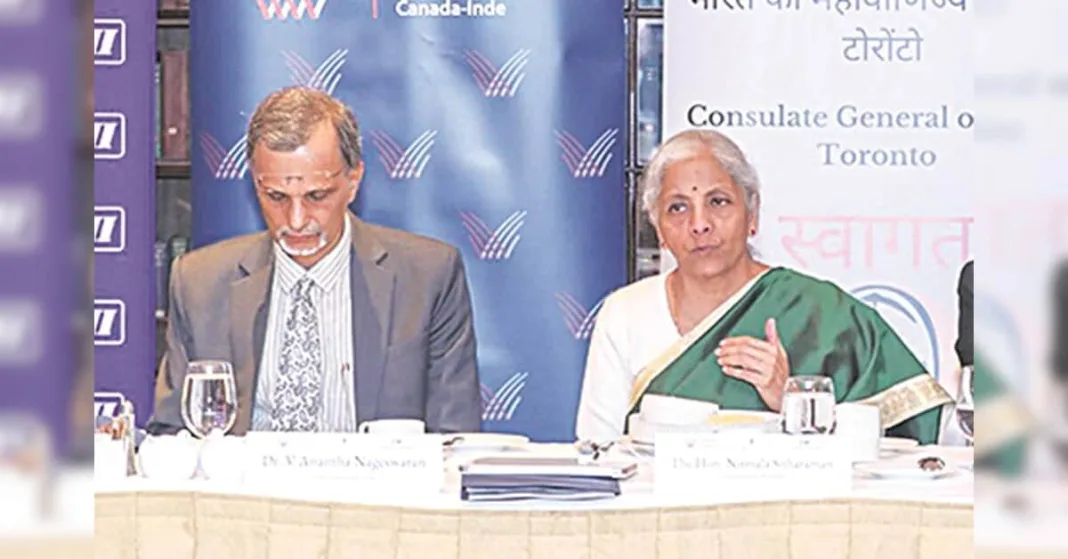

This comes after Parliament last month passed the Taxation and Other Laws (Amendment) Bill, 2026, which allows for charging MDR on UPI transactions. To be sure, Finance Minister Nirmala Sitharaman clarified that any future fee on digital payments would not apply to customers, covering only a limited category of merchant transactions above a certain high threshold.
PAs, third-party service providers that enable businesses to receive UPI payments, want a defined share of the MDR to help recover the cost of onboarding merchants, servicing them, and signing up new merchants.
PAs also want to be recognised as fee-earning participants in their own right, rather than subsumed within the category of acquirers, which in practice refers to banks. A defined share would come to them directly, without having to negotiate with their partner banks each time.
“There has to be a specific share given to payment aggregators and we will pursue our bid aggressively. We don’t want to be dependent on acquiring banks remitting the share of the fee split that comes through,” a top executive with a leading payment aggregator told Business Standard, requesting anonymity.
The digital payments industry is likely to make representations on the matter to the government, the Reserve Bank of India, and the National Payments Corporation of India (NPCI).
India has over 50 PAs that include companies such as AvenuesAI, BillDesk, Razorpay, PayU, and PhonePe, among others.
The demand is likely to draw resistance, as PAs — entities that onboard merchants to accept digital payments and work through sponsor banks to do so — are not direct members of the UPI network run by the NPCI, sources said.
The demand also stems from aggregators’ experience with the government’s digital payments subsidy for UPI and RuPay debit card transactions, where they had to wait for partner acquiring banks to pass on their share.
Emails sent to the NPCI and the RBI seeking their comments on the matter did not elicit a response till press time.
The RBI and the Department of Financial Services (DFS) are currently deliberating the UPI MDR slab, and possibly how the fee would be split among participants, said a second source with direct knowledge of the matter.
“The MDR will be balanced between all parties — issuing, acquiring and third-party apps. The problem with payment aggregators demanding a share is that they are not direct participants to the UPI network. They have bilateral relationships with banks instead, who are the [actual] members,” the person explained.
Fee arrangements are likely to only name banks and UPI app providers. Banks would include those entities categorised as issuing, acquiring and payment service provider (PSP) banks.
“If payment aggregators want to become direct members to the network to meet their demands, [then] that is a high-level call that the RBI will have to take,” the person added.
“Even if a share is allocated to payment aggregators, they will discount it for merchants just because there is an intense competition in the digital payments market today,” said one of the sources cited above.
Even as a section of PAs seek a share of the MDR split, new-age PA founders believe an MDR would be immaterial to their business at this point in time.
A founder said aggregators are unlikely to charge merchants more once MDR arrives, since they have spent the zero-fee years building revenue from platform and onboarding fees and other services sold to the same merchants.
Earlier this month, the government had clarified that UPI will continue to remain free for users.
It further stated that a merchant discount rate (MDR) on UPI will only apply to a “limited set of merchant transactions over a certain threshold” at a fee lower than credit and debit cards.
However, this is subject to MDR charges being introduced in the future.
The government said that peer-to-peer (P2P) transactions would continue to remain free.
It further added that the UPI and Services Steering Committee, headed by the National Payments Corporation of India (NPCI), will decide on a potential MDR once Section 10A of the Payment and Settlement Systems Act, 2007, was amended.