
Published on
July 22, 2026
By: Baydahi Roy

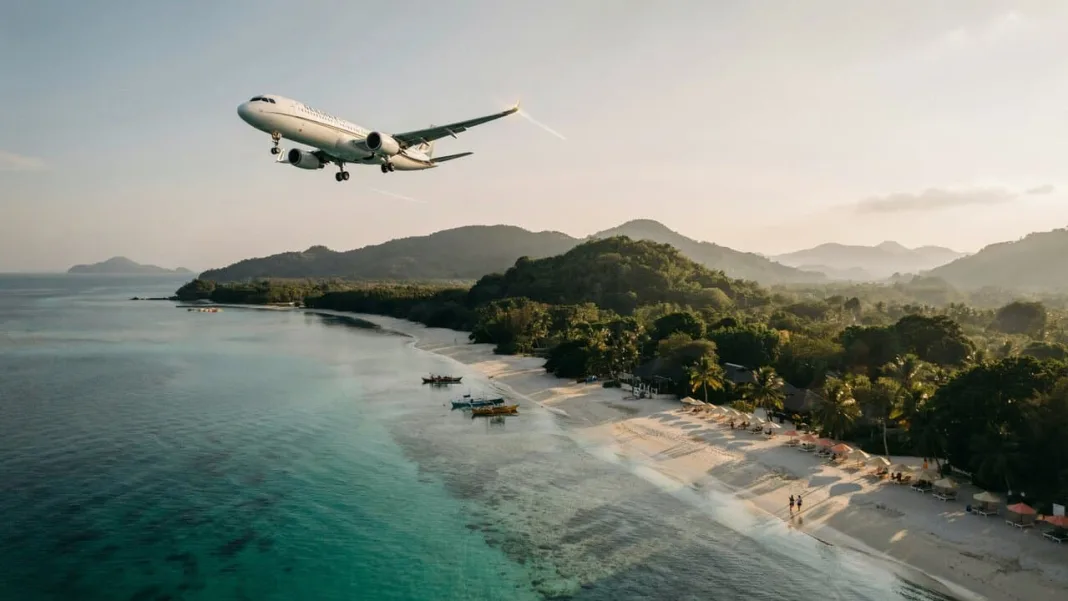
Image generated with Ai
Philippines travel is gaining powerful momentum as longer holidays, shorter regional flights and value-conscious spending reshape tourism demand across Asia. Forward-booking data places the country alongside Indonesia, Japan, Malaysia and Thailand among the strongest destination markets for the second half of 2026. Travellers are planning earlier, favouring international routes lasting under four hours and selecting reliable mid-market accommodation. The Philippines also recorded an average platform stay of 6.8 days, exceeding comparable averages for Malaysia, Thailand and Indonesia.
However, official data presents a more balanced picture. Inbound tourism expenditure declined by 6.4% to ₱698.46 billion in 2025, despite domestic tourism spending rising by 3% to ₱3.26 trillion. The country must therefore convert booking interest into completed visits, longer stays and stronger local spending. Reliable flights, efficient island transfers, transparent prices and consistent hotel standards will determine whether this regional momentum produces sustainable tourism growth.
Philippines Travel Enters the Second Half With Strong Regional Demand
Forward bookings cover journeys scheduled between 1 July and 31 December 2026. The Philippines appears among five destination markets expected to maintain strong demand throughout this period. Indonesia, Japan, Malaysia and Thailand complete the group. The finding reflects continuing interest in accessible Asian holidays offering connectivity, convenience and competitive value. However, it provides no national arrival forecast or destination-specific booking total. Therefore, the ranking should indicate market momentum rather than guaranteed tourism growth.
The Philippines offers varied experiences within one national destination. Visitors can combine Manila, Cebu or another gateway with beaches, diving locations and cultural attractions. They can also build food, wellness, nature or family itineraries. Nevertheless, the country’s island geography requires careful organisation. Travellers may need domestic flights, ferries and road transfers after their international arrival. This complexity can increase costs, but it can also encourage longer holidays. Better connections and clearer information will determine how effectively the country converts regional interest into completed journeys.
Advertisement
Advertisement
Longer Stays and Younger Travellers Shape Philippines Travel
First-quarter booking data identified the Philippines as the longest-stay market among four examined Southeast Asian countries. Its average stay reached 6.8 days. Malaysia recorded 4.2 days, while Thailand averaged 3.8 days. Indonesia recorded three days. Therefore, the Philippine average exceeded Malaysia by 2.6 days and Thailand by three days. It also more than doubled Indonesia’s average. These figures represent platform bookings rather than official national averages. Even so, they indicate that Philippine holidays often involve more time and detailed planning.
Family travellers represented 55% of Philippine bookings during the first quarter. Group travel formed another important segment. Millennials accounted for 40%, while Generation X represented 35%. Together, these two generations produced three-quarters of recorded Philippine bookings. Across the broader second-half regional dataset, millennials generated 43% of bookings. Generation Z contributed another 23%. Their combined share reached 66%, or almost two-thirds of all recorded bookings. These different samples cannot be compared directly, but both highlight strong younger and family-led demand.
Key Travel Behaviour Now Influencing the Philippine Market
Current booking patterns reveal how economic pressure changes travel decisions without removing the desire for holidays. Travellers increasingly protect their flight budgets, then control costs through accommodation and careful booking schedules. They also favour destinations requiring less time in transit. These behaviours matter for the Philippines because most international visitors need further transport after reaching their principal gateway.
- Average flight spending stands around 35% above average hotel spending.
- This ratio compares flight and hotel expenditure, not annual airfare growth.
- Three-star and four-star properties receive 76% of hotel bookings.
- Nearly 40% of flight bookings connect with the monthly payday period.
- Short international flight bookings increased by 14% year on year.
- More travellers now plan journeys over 120 days before departure.
- Millennials generate 43% of broader regional bookings.
- Generation Z contributes another 23% of recorded bookings.
- The Philippines records an average platform stay of 6.8 days.
- Family travellers represent 55% of first-quarter Philippine bookings.
- Philippine bookings carry an average planning window of 35 days.
These indicators describe disciplined spending rather than collapsing demand. Travellers still prioritise international experiences, but they expect clearer value from every booking. Hotels, attractions and transport providers face customers who compare total costs before paying. Hidden baggage charges, transfer costs or compulsory fees can weaken confidence. Transparent prices and realistic travel times will therefore become increasingly important. The Philippines can benefit from longer stays, but only when visitors understand the complete cost and structure of their journey.
Where Philippine Tourism Is Heading Next
Regional travel demand should strengthen during the second half of 2026, although visitors will remain careful about spending. Travellers will favour shorter international flights, transparent holiday costs and reliable mid-market accommodation. Longer planning windows could give tourism businesses clearer visibility of future demand. However, payday-linked purchasing may still concentrate confirmed bookings within specific monthly periods. Families will seek predictable costs, while younger travellers will expect convenient digital planning and flexible booking conditions.
The Philippines must convert rising regional interest into completed visits, longer stays and greater local spending. Reliable flights, efficient island transfers and consistent hotel standards will shape that progress. Improved transport connections could spread tourism benefits beyond established destinations and support smaller communities. However, infrastructure must keep pace with visitor growth. If prices rise without better service, travellers may choose Indonesia, Japan, Malaysia or Thailand. Future growth will therefore depend on accessible, valuable and responsibly managed travel experiences.
Short Regional Flights Strengthen Philippines Travel Potential
Bookings for international flights lasting under four hours increased by 14% during the second half of 2026. The comparison covers the same period during 2025. This growth shows a stronger preference for nearby destinations that protect holiday time and control costs. Shorter journeys can reduce fatigue and make international trips possible during limited annual leave. They can also compete more effectively with domestic breaks. The Philippines sits within practical flying distance of several major Asian markets, although actual journey times vary by route.
Short international flights can bring visitors into Manila, Cebu and other gateways efficiently. However, the complete journey matters more than the first sector. Lengthy connections or unreliable domestic transfers can remove the convenience gained from a short international flight. Airport capacity, schedule reliability and inter-island transport will therefore affect the country’s competitiveness. Visitors need accurate information about transfer times, baggage rules and ferry connections. Better coordination could help distribute demand beyond established tourism centres and encourage repeat visitors to explore different islands.
Official aviation records provide useful context. The covered national airport system handled 292,331 aircraft movements during 2025. That figure rose by approximately 20.2% from 243,261 movements in 2024. Passenger movements reached 24,450,723, however, compared with 25,194,580 one year earlier. This represented a decline of approximately 3%. The official series excludes some separately managed airports. Therefore, it does not represent every passenger journey across the Philippines. Still, the figures show stronger aircraft activity alongside slightly lower passenger volume.
This difference suggests that increasing flight movements do not automatically deliver higher passenger numbers. Aircraft size, route patterns, frequency and occupancy can influence the final result. The country will need efficient route planning as regional demand develops. Stronger connectivity must also reach destinations beyond the principal gateways. Otherwise, tourism benefits may remain concentrated within established corridors. The next phase of Philippines travel growth will depend on both international access and dependable domestic distribution.
Official Tourism Data Reveals Progress and Pressure
Official national accounts show that tourism remains a major part of the Philippine economy. Direct tourism value reached ₱2.27 trillion during 2025. Tourism represented 8.1% of national gross domestic product. However, direct tourism value declined by 1.4% from ₱2.30 trillion in 2024. Tourism’s economic share also fell from the revised 8.9% recorded one year earlier. These figures create an important counterweight to the optimistic booking outlook. Strong interest must become completed trips and local expenditure before it improves national economic performance.
The national tourism account covers accommodation, food services, transport, travel reservations, recreation, shopping and other visitor services. It therefore measures a wider system than flight and hotel bookings. Domestic tourism expenditure increased during 2025, while inbound spending declined. Tourism employment also expanded despite weaker direct economic value. The table below presents the most important official indicators.
| Official tourism indicator | 2024 | 2025 | Annual movement |
|---|---|---|---|
| Tourism direct gross value added | ₱2.30 trillion | ₱2.27 trillion | Down 1.4% |
| Tourism share of the economy | 8.9% | 8.1% | Down 0.8 percentage points |
| Domestic tourism expenditure | ₱3.16 trillion | ₱3.26 trillion | Up 3% |
| Inbound tourism expenditure | ₱745.99 billion | ₱698.46 billion | Down 6.4% |
| Internal tourism expenditure | ₱3.91 trillion | ₱3.96 trillion | Up 1.2% |
| Outbound tourism expenditure | Not specified in the summary | ₱357.93 billion | Up 3.5% |
| Tourism employment | 7.51 million | 7.70 million | Up 2.5% |
| Tourism share of employment | Revised series | 15.7% | Nearly one in six workers |
Domestic tourism provided the strongest support within the official expenditure figures. Spending increased by ₱100 billion, reaching ₱3.26 trillion. Inbound tourism expenditure moved in the opposite direction. It declined by ₱47.53 billion, falling to ₱698.46 billion. Internal tourism expenditure combines domestic and inbound spending. It grew by 1.2% to ₱3.96 trillion. Therefore, domestic travel protected overall growth while weaker foreign visitor spending limited progress.
Tourism employment reached an estimated 7.70 million during 2025. That represented a 2.5% increase from 7.51 million in 2024. Tourism industries accounted for 15.7% of total national employment. This ratio means almost one in every six workers held a tourism-related job. The classification extends beyond hotels and tour operators. It includes parts of food services, transport, recreation and retail. Consequently, changing visitor behaviour can affect a much wider section of the Philippine economy.
Where Philippine Tourism Is Heading Next
Regional travel demand should strengthen during the second half of 2026, although visitors will remain highly price-conscious. Travellers will continue favouring shorter international flights, transparent holiday costs and dependable mid-market accommodation. Longer booking windows may provide tourism businesses with better demand visibility. However, payday-linked purchasing could still concentrate actual bookings within specific monthly periods. Families will seek predictable prices, while younger visitors will expect convenient digital planning and flexible booking conditions.
The Philippines must now convert growing regional interest into completed visits, longer stays and stronger local spending. Reliable flights, efficient island transfers and consistent hotel standards will influence that progress. Better transport connections could also spread tourism income beyond established destinations. However, infrastructure must keep pace with demand. If prices rise without improved service, visitors may choose Indonesia, Japan, Malaysia or Thailand instead. The country’s future growth will therefore depend on delivering accessible, valuable and responsibly managed travel experiences.
Advertisement
Advertisement