
Published on
July 22, 2026
By: Bulti Shome

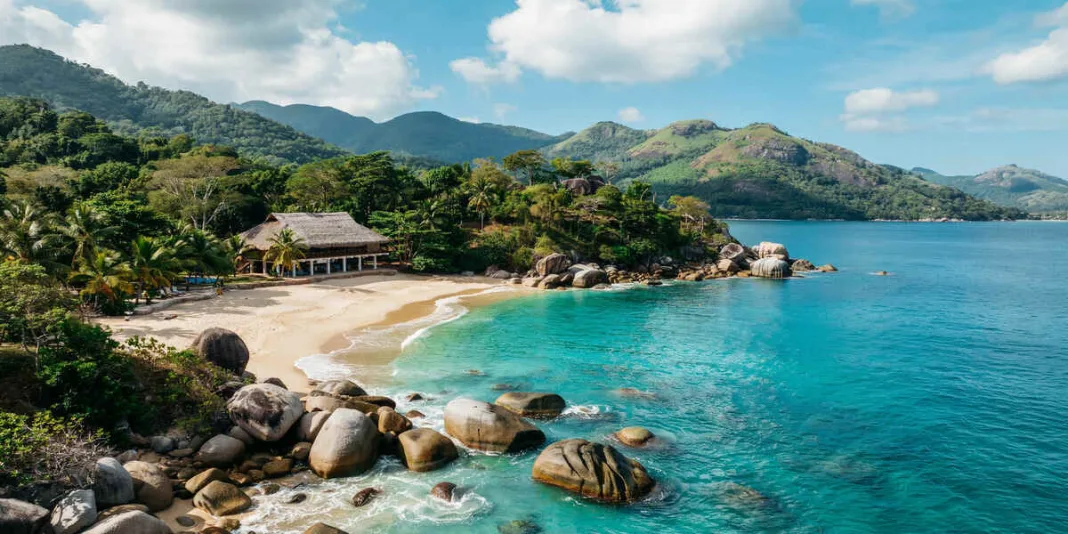
Image generated with Ai
Burundi is gaining tourism momentum as regional partners and global connections help showcase its untouched landscapes, cultural heritage and adventure experiences to the world. Once overlooked by international travellers, the Great Lakes nation is now drawing attention through the stunning shores of Lake Tanganyika, the wilderness of Kibira National Park and the powerful beauty of Karera Waterfalls. Supported by growing links with Tanzania, Rwanda, Kenya, Uganda and China, Burundi is building a new identity as an emerging African destination offering authentic nature, eco-tourism and unforgettable travel experiences beyond traditional hotspots.
Burundi is gradually emerging as one of Africa’s most promising yet least explored tourism destinations, supported by growing regional connections with Tanzania, Rwanda, Kenya and wider international partnerships including China. With the turquoise waters of Lake Tanganyika, the untouched forests of Kibira National Park and the dramatic beauty of Karera Waterfalls, Burundi is moving beyond its image as an overlooked destination and creating new opportunities for nature, adventure and cultural tourism.
The Great Lakes nation is attracting attention from travellers searching for authentic African experiences away from overcrowded tourist routes. Its combination of biodiversity, traditional culture, scenic landscapes and peaceful natural attractions is helping Burundi build a new identity within East Africa’s expanding tourism landscape.
Burundi Tourism Enters a New Era as Africa’s Hidden Destination Gains Global Attention
For many years, Burundi remained one of Africa’s least visited countries despite possessing extraordinary natural and cultural assets. The country’s tourism potential was often overshadowed by more established East African destinations such as Kenya, Tanzania, Uganda and Rwanda. However, changing traveller preferences are creating new opportunities for destinations that offer authenticity, adventure and unique experiences.
Modern travellers are increasingly looking beyond traditional tourism hotspots. They are seeking destinations with untouched landscapes, local culture and meaningful connections with communities. Burundi fits this growing demand through its lakeside experiences, national parks, waterfalls and cultural heritage.
The country’s tourism appeal is built around experiences rather than mass tourism. Visitors can explore the shores of Lake Tanganyika, one of the world’s largest freshwater lakes, walk through ancient forests, discover rare wildlife and experience traditional Burundian music and dance.
Burundi’s location in the Great Lakes region also gives it strategic tourism potential. As East Africa strengthens regional travel connections, Burundi can benefit from travellers already visiting neighbouring countries and looking for additional destinations.
Tanzania, Rwanda, Kenya, Uganda and China Strengthen Burundi’s Tourism Opportunities
Several countries are contributing to Burundi’s tourism growth through regional connectivity, tourism cooperation, investment and international partnerships.
Advertisement
Advertisement
Tanzania remains one of the most important tourism partners because of its geographical connection and position as one of East Africa’s strongest travel markets. Tanzania’s established tourism reputation, including destinations such as Zanzibar, Serengeti and Mount Kilimanjaro, creates opportunities for combined travel itineraries linking Tanzania with Burundi’s Lake Tanganyika attractions and cultural experiences.
Rwanda plays a significant role because of its strong tourism branding and regional aviation connectivity. Rwanda’s success in promoting conservation tourism, especially through mountain gorilla experiences and eco-tourism, demonstrates how neighbouring Great Lakes destinations can attract global visitors. Burundi could benefit from travellers combining Rwanda’s wildlife experiences with Burundi’s forests, waterfalls and lake tourism.
Kenya supports Burundi indirectly through East Africa’s wider tourism ecosystem. As one of Africa’s leading tourism gateways, Kenya connects millions of international visitors with the region through its aviation network and globally recognised safari industry. Improved regional tourism routes could encourage more travellers to extend their journeys into Burundi.
Uganda also contributes to regional tourism opportunities through its position within the Great Lakes region. Its wildlife, adventure tourism and conservation experiences create possibilities for multi-country travel packages that include Burundi.
China has become an important international partner through economic cooperation and development support. While China is not currently one of Burundi’s largest leisure tourism markets, stronger bilateral relations, infrastructure development and investment cooperation can contribute to improved tourism capacity and international visibility.
Belgium and European markets remain relevant because of historical connections, business travel links and potential demand for cultural and nature-based tourism. European travellers are increasingly interested in authentic destinations offering sustainable and less commercialised experiences.
Lake Tanganyika: Burundi’s Stunning Waterfront Gateway to Adventure Tourism
Lake Tanganyika is one of Burundi’s most important tourism attractions. Stretching across several countries in the Great Lakes region, it offers spectacular scenery, relaxing beaches and opportunities for water-based activities.
The lake is famous for its crystal-clear waters, biodiversity and peaceful surroundings. In Burundi, the lakeside area around Bujumbura provides visitors with a combination of urban attractions, beach experiences and cultural encounters.
Travellers can enjoy swimming, boat trips, fishing experiences and sunset views across the vast freshwater landscape. The lake also offers opportunities for photography, relaxation and exploring local communities living along its shores.
The best time to visit Lake Tanganyika is generally during the dry seasons from June to September and December to February. During these months, weather conditions are usually more comfortable, with lower rainfall and better conditions for outdoor activities.
Visitors should ideally plan lake activities during morning or late afternoon hours when temperatures are cooler and the landscape offers the best light for photography.
Lake Tanganyika represents more than a natural attraction. It is a symbol of Burundi’s tourism identity, offering the country an opportunity to promote coastal-style experiences in the heart of Africa.
Kibira National Park: Burundi’s Green Paradise for Nature and Wildlife Lovers
Located in north-western Burundi, Kibira National Park is one of the country’s most important protected natural areas. Covering a large section of high-altitude rainforest, the park represents one of the last remaining tropical forests in the region.
The park is known for its rich biodiversity, including various bird species, primates and unique plant life. Its dense forests provide visitors with a rare opportunity to experience African wilderness away from heavily commercialised safari destinations.
Kibira National Park is particularly attractive for travellers interested in eco-tourism, hiking, birdwatching and conservation experiences. The forest environment offers cool temperatures compared with lower areas of the country, making it suitable for exploration.
The best period to visit Kibira National Park is generally during the drier months from June to September, when hiking conditions are easier and forest trails are more accessible. However, visitors interested in birdwatching may also enjoy periods with more vegetation activity.
Tourism development around Kibira National Park could become an important part of Burundi’s sustainable tourism strategy. By protecting biodiversity while creating responsible visitor experiences, the park can support conservation and local communities.
Karera Waterfalls: Burundi’s Natural Wonder Hidden Among Green Landscapes
Karera Waterfalls is another major attraction showcasing Burundi’s extraordinary natural beauty. Located in the Rutana Province, the waterfalls are famous for their impressive cascades surrounded by green landscapes.
The site consists of several waterfalls flowing through a beautiful natural environment. The combination of rushing water, forests and peaceful surroundings makes Karera one of Burundi’s most visually striking destinations.
The waterfalls provide excellent opportunities for photography, nature walks and cultural exploration. Visitors can experience the power of nature while discovering a lesser-known attraction that remains outside mainstream African tourism routes.
The ideal time to visit Karera Waterfalls is usually during the rainy and early post-rain seasons when water levels are stronger, creating more dramatic cascades. However, visitors should consider road conditions during heavy rainfall periods.
For travellers seeking hidden natural attractions, Karera Waterfalls represents exactly the type of experience that is increasing in popularity worldwide — authentic, scenic and away from crowded destinations.
Why Burundi Could Become Africa’s Next Emerging Tourism Destination
Burundi’s tourism opportunity comes from its ability to offer something different. Unlike many destinations competing for mass tourism, Burundi’s strength lies in its authenticity.
The country combines natural landscapes, cultural traditions and adventure opportunities in a compact destination. Travellers can experience lakes, forests, waterfalls and communities within a relatively short distance.
The growth of sustainable tourism is also creating new possibilities. Many modern travellers prefer destinations that protect nature, support local communities and provide meaningful experiences. Burundi’s smaller tourism footprint could become an advantage as visitors increasingly search for responsible travel options.
Improved connectivity, stronger regional partnerships and better destination marketing will be essential for Burundi’s future tourism success. If these areas continue to develop, the country could establish itself as an important addition to East Africa’s tourism map.
Burundi is entering a new chapter in tourism development. Supported by connections with Tanzania, Rwanda, Kenya, Uganda, China and international markets, the country is gradually transforming from an overlooked destination into an emerging African travel opportunity.
Lake Tanganyika, Kibira National Park and Karera Waterfalls represent the foundation of Burundi’s tourism appeal. Together, they showcase a destination filled with natural beauty, adventure and cultural richness.
Burundi is emerging as Africa’s next tourism opportunity as support from Tanzania, Rwanda, Kenya and China helps showcase its untouched landscapes, cultural heritage and natural wonders. With Lake Tanganyika, Kibira National Park and Karera Waterfalls attracting growing attention, the country is transforming from an overlooked destination into a promising hub for authentic nature and adventure travel.
As global travellers continue searching for authentic and less crowded experiences, Burundi has the opportunity to become one of Africa’s most fascinating future tourism destinations. With continued investment, regional cooperation and sustainable development, the country could soon move from hidden gem status to a recognised name on the global travel map.
Frequently Asked Questions About Visiting Burundi
1. Why is Burundi becoming an emerging tourism destination in Africa?
Burundi is gaining attention because of its untouched natural landscapes, rich cultural heritage and authentic travel experiences. Attractions such as Lake Tanganyika, Kibira National Park and Karera Waterfalls offer visitors unique opportunities for adventure, eco-tourism, wildlife exploration and relaxation away from crowded tourist destinations.
2. What are the best places to visit in Burundi?
Some of the top places to explore in Burundi include Lake Tanganyika for beaches and water activities, Kibira National Park for rainforest and wildlife experiences, Karera Waterfalls for scenic beauty, Bujumbura for cultural attractions and Gitega for history, traditions and local heritage.
3. What is the best time to visit Burundi?
The best time to visit Burundi is generally during the drier periods from June to September and December to February, when weather conditions are more suitable for outdoor activities, sightseeing and exploring national parks. Visitors should consider local weather conditions before planning trips to forest and waterfall areas.
4. Is Burundi suitable for nature and adventure travellers?
Yes, Burundi is an attractive destination for nature and adventure travellers. Visitors can enjoy hiking in Kibira National Park, exploring waterfalls, experiencing Lake Tanganyika’s beaches and discovering local communities, traditions and landscapes that remain largely unexplored by international tourists.
5. How can travellers include Burundi in an East Africa itinerary?
Travellers can combine Burundi with neighbouring destinations such as Rwanda, Tanzania, Uganda and Kenya to create a broader Great Lakes and East African journey. Regional connections allow visitors to experience Burundi’s unique attractions alongside famous wildlife, cultural and adventure destinations across East Africa.
Advertisement
Advertisement