
Monday, May 26, 2025
Traveling through airports can be stressful, often compounded by long lines, lost luggage, or confusing procedures. Yet, some airports in Asia stand out by transforming the traveler experience with exceptional staff service.
In 2025, these airports are not only hubs of connectivity but also exemplars of hospitality, efficiency, and cultural sensitivity — setting new standards for global aviation.
The Skytrax World Airport Awards, which are based on global passenger surveys and comprehensive audits, annually recognize airports for their service excellence. Staff service rankings evaluate friendliness, efficiency, attitude, and cultural awareness of front-line employees, from check-in agents to immigration officers. Asia dominates this category with a remarkable emphasis on combining tradition with modern service standards.
Below is an overview of the top 10 airports in Asia with the best staff service in 2025, highlighting government-supported initiatives and cultural values that shape their exceptional reputation.
1. Seoul Incheon International Airport (ICN), South Korea
Seoul’s Incheon International Airport has retained its status as Asia’s premier airport for staff service in 2025. The South Korean government, through the Ministry of Land, Infrastructure and Transport (MOLIT), has long prioritized customer service as a key component of national infrastructure development.
ICN’s staff are trained extensively not only in operational efficiency but also in emotional intelligence and intercultural communication. The airport employs “cultural ambassadors” who assist international visitors with navigation and local insights, reflecting Korea’s Confucian values of respect and hospitality. Government-supported training programs focus on language proficiency and soft skills, ensuring travelers receive patient, respectful, and personalized service.
2. Singapore Changi Airport (SIN), Singapore
Singapore Changi Airport consistently ranks among the best airports worldwide, with government agencies such as the Civil Aviation Authority of Singapore (CAAS) promoting customer-centric innovation. The multicultural fabric of Singapore informs the airport’s service culture, where multilingual staff adeptly communicate with travelers from diverse backgrounds.
Changi’s rigorous recruitment and training emphasize emotional intelligence, stress management, and conflict resolution, enabling staff to maintain composure during delays or disruptions. The airport’s proactive service model involves personnel who actively approach travelers needing assistance, embodying Singapore’s “Service Excellence” standards advocated by the Public Service Division.
3. Tokyo Narita International Airport (NRT), Japan
Narita International Airport staff blend traditional Japanese hospitality, known as omotenashi, with stringent efficiency standards set by Japan’s Ministry of Land, Infrastructure, Transport and Tourism (MLIT). Emphasizing cultural sensitivity, staff offer patient, step-by-step guidance for complex immigration and transit processes.
The Japanese government supports ongoing training programs that include language skills and customer care, reflecting the nation’s commitment to quality service. Immigration and customs officers also engage travelers with brief cultural tips, enhancing visitors’ first impressions of Japan.
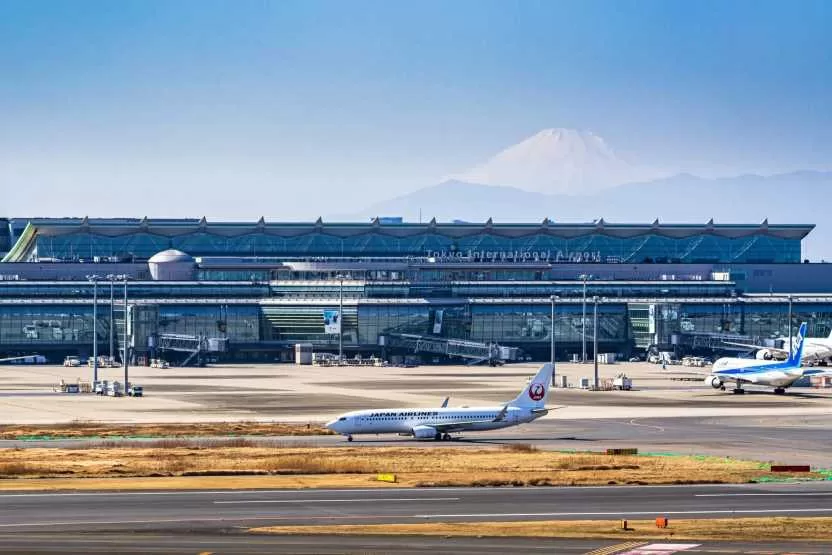
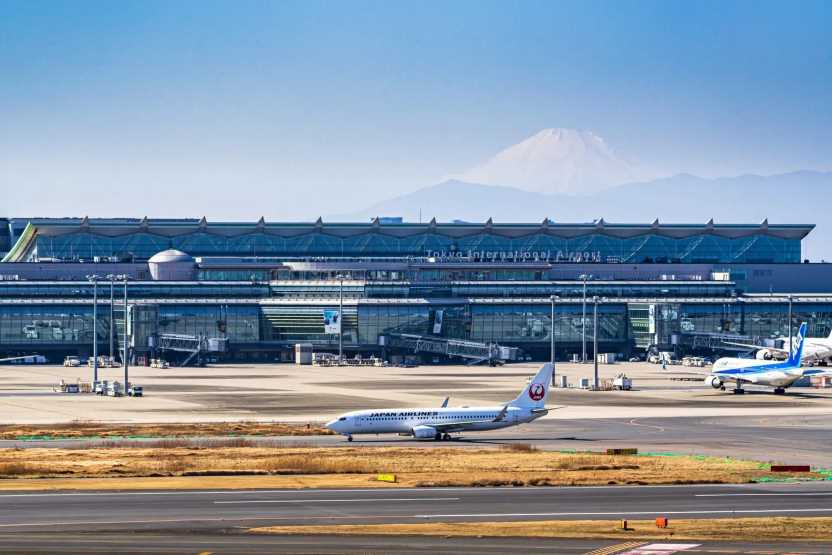
4. Tokyo Haneda Airport (HND), Japan
Haneda Airport is celebrated for hospitality that anticipates traveler needs before they arise. The Japanese government-backed airport authority invests heavily in staff development, focusing on humility, attention to detail, and genuine care for comfort.
Ground staff are meticulous and provide precise information, often supplying written directions and maps. Their service quality reflects Japan’s cultural emphasis on respect and hospitality, aligning with national tourism goals to boost visitor satisfaction and repeat visits.
5. Centrair Nagoya International Airport (NGO), Japan
Centrair Nagoya offers a unique blend of major international airport efficiency with warm, regional hospitality. Staff here serve as informal cultural ambassadors, proud to represent the Chubu region.
Supported by local government initiatives, Centrair’s customer service prioritizes genuine connections, encouraging staff to engage in friendly conversation while providing assistance. The airport also focuses on inclusivity, training security and immigration officers to accommodate travelers with disabilities, ensuring safety without intimidation.
6. Hong Kong International Airport (HKG), Hong Kong SAR
Hong Kong International Airport’s staff excel in bridging cultural gaps between East and West, supported by the Hong Kong Airport Authority under the government’s Transport and Housing Bureau. Multilingual and culturally aware, staff handle complex traveler needs with creativity and resourcefulness.
Their training emphasizes personal attention and non-verbal communication cues, enabling staff to assist passengers across language barriers effectively. This approach reflects Hong Kong’s role as a global transit hub and gateway to Mainland China.
7. Taiwan Taoyuan International Airport (TPE), Taiwan
Taiwan’s Taoyuan International Airport staff personify Taiwanese friendliness and genuine care, supported by the Ministry of Transportation and Communications (MOTC). The airport emphasizes emotional connections and personalized service, aiming to leave positive, lasting impressions of Taiwan.
Multilingual capabilities, including Mandarin, English, and Japanese, enable seamless communication with international travelers. Staff take extra steps to assist with complex procedures, reflecting Taiwan’s international outlook and commitment to hospitality.
8. Haikou Meilan International Airport (HAK), China
Haikou Meilan Airport extends the tropical, relaxed spirit of Hainan Island to aviation. Supported by the Hainan Provincial Government’s tourism initiatives, the airport focuses on creating a stress-free, welcoming environment.
Customer service representatives provide detailed local information and assist with transportation coordination. Multilingual staff ensure international visitors receive warm, effective assistance, aligning with Hainan’s goal of boosting sustainable tourism development.
9. Kansai International Airport (KIX), Japan
Kansai International Airport staff are proud representatives of Japanese and Kansai regional culture. Supported by MLIT and local prefectural governments, their service philosophy emphasizes creating lasting, positive impressions through knowledgeable and courteous assistance.
Staff guide travelers through airport facilities and regional attractions, often enriching travel experiences with cultural insights. Immigration officers balance strict security with warm welcomes, enhancing Japan’s reputation for safety and hospitality.
10. Soekarno-Hatta International Airport (CGK), Jakarta, Indonesia
Jakarta’s Soekarno-Hatta Airport reflects Indonesian hospitality traditions, supported by Indonesia’s Ministry of Transportation and the state-owned PT Angkasa Pura II airport operator. Staff training emphasizes warmth and cultural pride.
Ground personnel assist international visitors enthusiastically, explaining customs and cultural practices to ease first-time arrivals. Immigration and security officers maintain vigilance while fostering a welcoming atmosphere, often engaging travelers with friendly conversation.
Conclusion: Asia’s Leading Role in Airport Hospitality
In 2025, Asia leads the world in airport staff service excellence by combining cultural hospitality, rigorous government-backed training programs, and innovative customer service models. The airports highlighted here demonstrate that excellent service remains vital in modern travel — transforming airports from mere transit points into memorable, welcoming experiences.
Government involvement through ministries and agencies underscores the importance of tourism and travel infrastructure as strategic national assets. These efforts enhance international perception, encourage repeat visits, and contribute to economic growth through tourism.
So next time you travel through one of Asia’s top airports, take a moment to appreciate the dedicated staff whose smiles, patience, and expertise make your journey smoother and more pleasant — truly the unsung heroes of air travel.