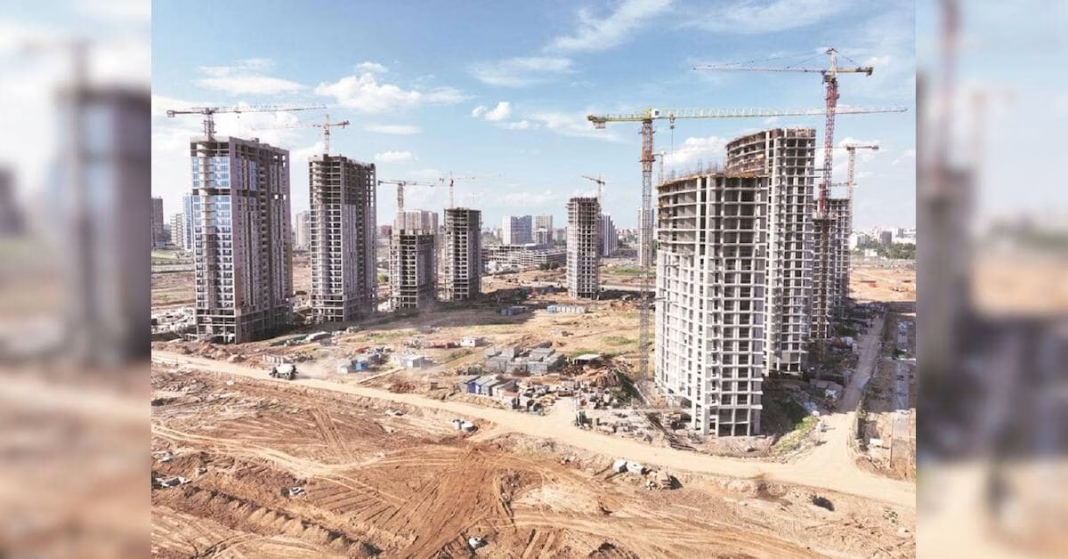

The notification, issued under powers granted to the Lieutenant Governor of the National Capital Territory of Delhi (NCT of Delhi), removes the 48 villages from the rural-area classification and brings them within the urban framework under Section 507(a) of the Delhi Municipal Corporation Act, 1957.
The move is “a significant step towards planned development and improved civic infrastructure in Delhi,” the notification said.
Of the 357 villages in the city, 309 were already under the urban framework. Following the notification’s implementation, the NCT will no longer have any rural villages.
Most of the villages covered by the notification are concentrated in the NCT’s Outer North and South West revenue areas. In Outer North, these include Bakoli, Hamidpur, Palla, Kulakpur, Rajpur Kalan, Tajpur Kalan, Mungeshpur and Auchandi. In South West, Dhansa, Rawta, Jhatikara, Kanganheri, Ghumanhera, Shikarpur, Issapur and Kair, among others, are included.
Commenting on the decision, Ashish Bhutani, CEO of Bhutani Infra, said, “With integrated infrastructure, improved connectivity and transparent development regulations, these areas can attract investment, generate employment and create new residential and commercial opportunities.” He added that effective implementation of the notification would require timely infrastructure development and a clear planning framework.
“If implemented effectively, this initiative can strengthen Delhi’s real estate ecosystem while creating lasting economic value for the capital,” Bhutani said.
Even as the move provides impetus for real estate development, the gains available to buyers and investors will depend on how effectively infrastructure and planning requirements are addressed.
Kapil Chugh, VP, Sales, at Rise Infraventures Limited, said, “Importantly, for buyers and investors, it is important to understand that urbanisation alone does not guarantee immediate development or an increase in property prices. Each location needs to be assessed on its own merits, including its connectivity, existing infrastructure and applicable development regulations.”
Ankush Kaul, chief business officer at TARC Limited, said the success of the move “will lie in how effectively it balances the city’s growth ambitions with the needs of its residents”, while creating potential long-term value for homebuyers and investors.
Meanwhile, Ravikant, founder of Elegance Infra and Enterprises, said, “The key point here would be to ensure that this development does not come at the cost of inclusiveness and the cultural heritage of the village populations.” He added that coordination between stakeholders would be key to the development of these regions.
The move comes after the Delhi Development Authority (DDA) approved the Master Plan for Delhi 2047 (MPD-2047) in August to replace the delayed MPD-2041. MPD-2047 focuses on housing, as Delhi’s population is projected to reach 32 million by 2047, up from the current 23 million, creating demand for nearly four million additional homes.