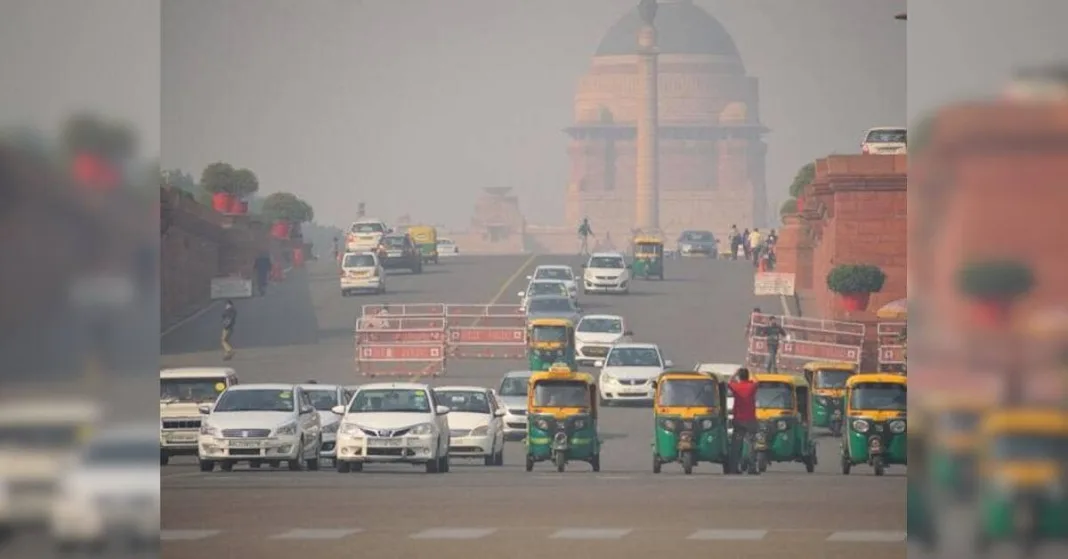


Delhi-NCR has enforced the first stage of Grap as air quality deteriorates. (File)
Delhi-NCR has entered the first stage of the Graded Response Action Plan (Grap) as air pollution levels rose sharply on Wednesday, October 21, pushing city’s air quality into the ‘poor’ category.
What are the restrictions under Grap 1?
Grap Stage 1 introduces measures to control pollution from construction activities, road dust, vehicles, and other sources. The restrictions and directions include:
- Dust control: Mechanised road sweeping and water sprinkling on roads, along with stricter monitoring of dust at construction and demolition sites
- Ban on coal-fired tandoors: Hotels, restaurants, and open eateries are barred from using coal or firewood to operate tandoors
- Diesel generators: Their use is restricted to emergency and essential services, subject to applicable directions
- Construction sites: Authorities are required to enforce dust-control measures and ensure compliance with pollution-control norms
Different stages of Grap
Grap is an emergency pollution-control framework for Delhi-NCR, with measures becoming stricter as air quality worsens. The plan has four stages, each triggered when the AQI reaches a specified range and requiring progressively stricter measures to curb pollution.
- Stage 1 – Poor (AQI 201–300): Dust-control measures and restrictions on polluting fuels
- Stage 2 – Very poor (AQI 301–400): Additional steps, including possible changes to office timings
- Stage 3 – Severe (AQI 401–450): Tighter restrictions on construction and certain vehicles
- Stage 4 – Severe plus (AQI above 450): Stronger emergency measures, including tighter restrictions on truck entry into the city, and other polluting activities
The CAQM will monitor air quality and forecasts to determine whether further action is needed.
First Published: Oct 21 2026 | 4:36 PM IST