
Japan’s wonderful Ryusendo Cave, located in Iwate Prefecture has lured travellers in 2026 thanks to its stunning underground lakes, bat colonies and unique limestone formations. Reopened in August after temporary flooding, this great attraction is one of a kind, offering an expedition like no other. This attraction is renowned for its blue waters, including the lake with the depth of 98 m long, Ryusendo Cave is a combination of scenic beautiful places and geological marvels with a variety of creatures living in those caves. With the entrance fees starting from ¥550 for children, free admission for children not reaching school age, and no seasonal restrictions, this unique attraction is certainly one of the best ratings in Japan.
Japan’s Ryusendo Cave Reopens After Flooding, Offering Tourists a Spectacular Underground Escape
Ryusendo Cave, one of Japan’s three great limestone caves, has returned to welcoming tourists following a temporary closure caused by flooding in August 2026. Officials reopened the attraction on 22 August after completing cleaning and safety inspections. Located in Iwaizumi, Iwate Prefecture, the cave offers an extraordinary opportunity to experience spectacular subterranean scenery, ancient geological formations and remarkable freshwater lakes.
The reopening provides a timely reason for travellers exploring northeastern Japan to discover this protected natural attraction. Ryusendo Cave combines geological heritage with accessible sightseeing facilities, making it suitable for nature enthusiasts, families and adventurous holidaymakers. Visitors can explore illuminated pathways, observe underground waters and learn about the environment while experiencing one of the Tohoku region’s distinctive tourist destinations.
Discover the Extraordinary Dragon Blue Lakes Hidden Beneath Iwate Prefecture
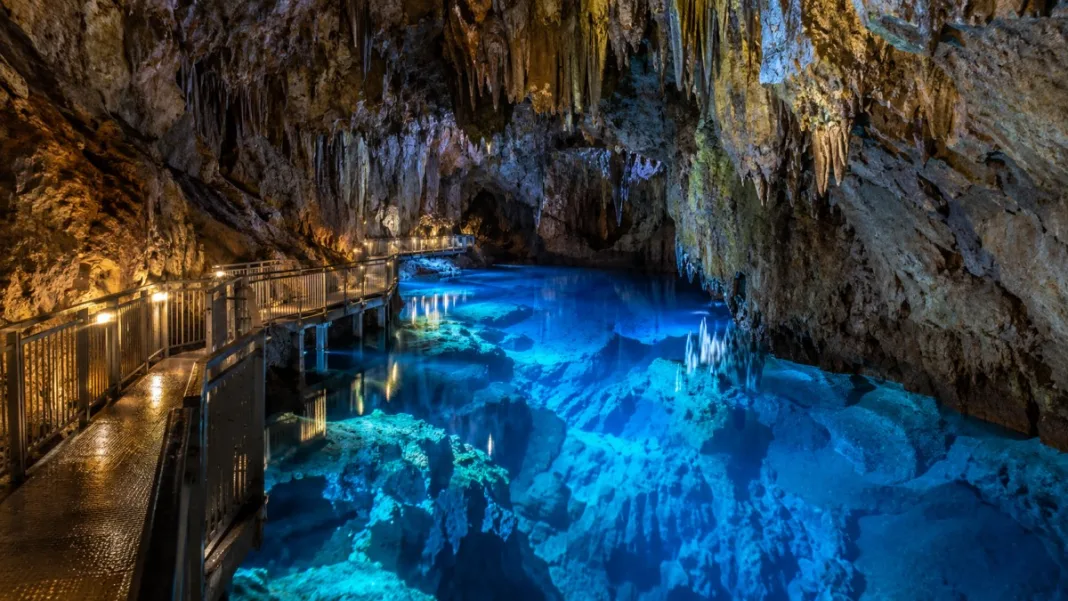
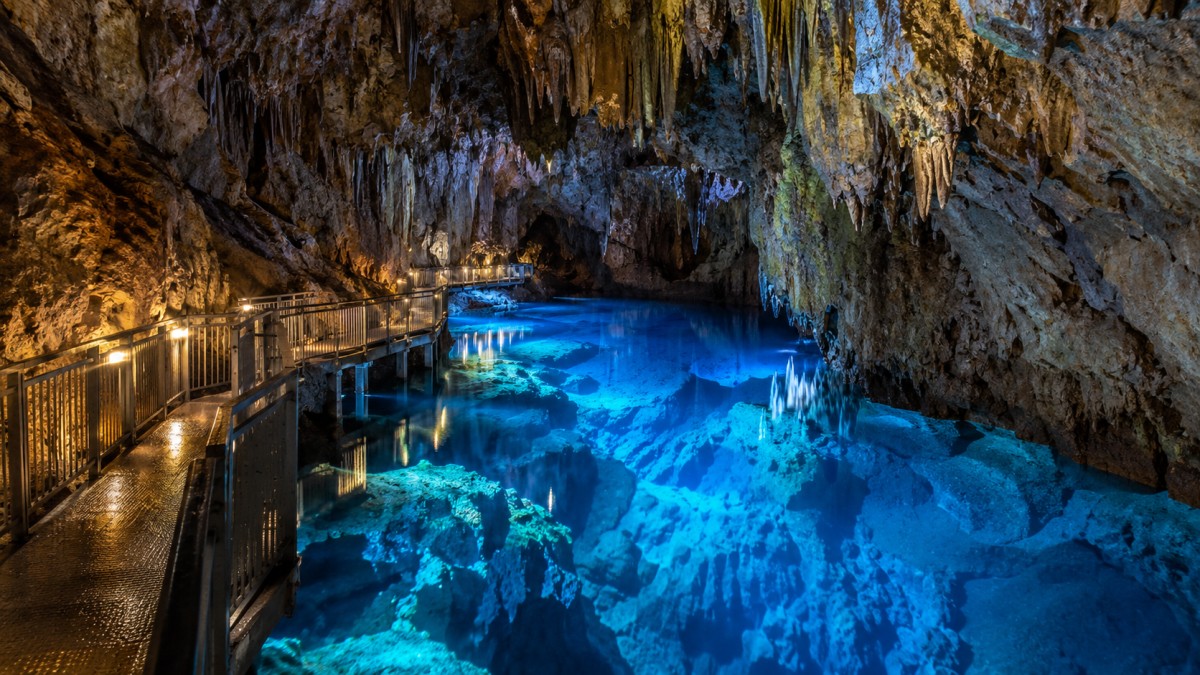
Ryusendo Cave contains eight known underground lakes, although visitors can view only three along the designated sightseeing route. Their exceptional clarity and striking blue appearance create one of Japan’s most memorable natural spectacles. Carefully positioned lighting illuminates the water, revealing remarkable underwater depths and limestone surroundings. The third accessible lake reaches an impressive 98 metres, demonstrating the cave system’s extraordinary geological scale.
Beyond the public route, a fourth lake plunges approximately 120 metres, making it Japan’s deepest underground lake according to the Japan National Tourism Organization. This section remains closed to ordinary visitors. The three accessible lakes nevertheless provide a compelling reason to visit, particularly for travellers interested in photography, natural wonders and destinations beyond Japan’s major metropolitan sightseeing circuits.
Rare Bats and Ancient Limestone Formations Create a Fascinating Wildlife Experience
Ryusendo Cave shelters several bat species within its extensive limestone passages. Japan designated the cave a national natural landmark and protected bat habitat in 1938. These animals generally remain hidden during daylight hours, although visitors occasionally encounter bats flying overhead. Sightings are unpredictable, adding an element of excitement without turning the protected wildlife habitat into a conventional animal-viewing attraction.
Advertisement
Advertisement
The cave’s geological formations offer equally captivating scenery. Stalactites descend from ceilings, while stalagmites rise from the cave floor, creating intricate natural sculptures. Some formations resemble delicate straws or bamboo shoots, and another resembles Jizo, the Buddhist guardian associated with travellers. Visitors must avoid touching these fragile structures because conservation regulations protect the cave’s remarkable geological heritage.
Ryusendo Cave Ticket Prices in 2026 Make This Natural Wonder an Accessible Japanese Attraction
Tourists planning a visit can explore Ryusendo Cave without paying the substantial admission costs sometimes associated with major attractions. The official entrance fee stands at ¥1,100 for adults and senior high school students, while elementary and junior high school pupils pay ¥550. Preschool children enter free. The admission ticket also includes access to the neighbouring Ryusen Shindo Science Museum.
This combined admission provides additional value for families, educational groups and independent travellers interested in understanding limestone cave formation. Organised groups can receive discounted rates, while visitors presenting recognised disability documentation may qualify for reduced admission. Tickets are available from the onsite ticket window and vending machine. Travellers should check official prices before departure because admission conditions can change.
| Visitor category | Official admission |
|---|---|
| Adults | ¥1,100 |
| Senior high school students | ¥1,100 |
| Elementary and junior high school students | ¥550 |
| Preschool children | Free |
| Adults in groups of 15–99 | ¥930 each |
| Eligible disability-discount adult admission | ¥550 |
Source: Official Ryusendo Cave visitor guide. Admission includes both Ryusendo Cave and Ryusen Shindo Science Museum.
Ryusendo Cave Opening Hours and Best Visiting Times for Tourists in 2026
Ryusendo Cave normally welcomes visitors throughout the year, although seasonal opening hours differ. From May through September, the attraction operates between 8.30 am and 6 pm. Between October and April, opening hours run from 8.30 am until 5 pm. Tourists should remember that heavy rainfall, rising water levels or other safety concerns can occasionally trigger temporary closures.
The cave maintains a relatively consistent underground temperature of approximately 10°C throughout the year, providing a refreshing escape during Japan’s warm summer months. Travellers should carry a light jacket and wear comfortable, slip-resistant footwear because cave surfaces may be wet. The operator identifies 11 am to 2 pm as its busiest period, making earlier visits worth considering.
Advertisement
Advertisement
How Tourists Can Reach Ryusendo Cave from Tokyo, Morioka and Coastal Iwate
Travellers arriving from Tokyo can take the Tohoku Shinkansen towards Morioka before continuing by road or regional bus. The Japan National Tourism Organization estimates approximately two hours and ten minutes for the Shinkansen journey. From Morioka, the onward bus journey takes roughly two hours, providing access to the cave without requiring an independently driven vehicle.
Motorists can reach Ryusendo Cave from Morioka in approximately 110 minutes using National Route 455. The official website estimates around 60 minutes from Miyako and 150 minutes from Hanamaki Airport. Because regional public transport services are limited, tourists should confirm departure times and return connections before travelling, particularly when planning a single-day excursion from Morioka.
Essential travel information:
- Location: Iwaizumi Town, Iwate Prefecture, northeastern Japan.
- Suggested sightseeing duration: Approximately one hour.
- Parking: Four designated areas provide approximately 442 spaces combined.
- Official website:
- Visitor enquiries: +81-194-22-2566.
Underground Exploration Offers Family-Friendly Learning and Natural Adventure
The publicly accessible sightseeing route extends approximately 700 metres through a cave system whose explored passages cover more than four kilometres. Researchers estimate that the entire network exceeds five kilometres, with further exploration continuing. Visitors can discover remarkable underground landscapes without undertaking specialist caving activities, although the established route includes stairs, steep sections and narrow passages that require attention.
Accessibility arrangements require advance consideration. Wheelchair users can enter part of the cave using designated wheelchairs supplied by the operator, but cannot complete the entire sightseeing route because of stairways. The operator also lends walking sticks. There are no toilets inside the cave, so visitors should use the available facilities before beginning their underground exploration.
Explore the Science Museum, Local Food and Beautiful Landscapes Beyond the Cave
A Ryusendo Cave ticket also grants entrance to Ryusen Shindo Science Museum, situated across the road from the main attraction. This smaller cave introduces visitors to the region’s geological characteristics through educational displays. The surrounding visitor area provides ticketing facilities, restaurants and opportunities to purchase local products, allowing tourists to combine underground exploration with additional leisure activities.
Advertisement
Advertisement
Travellers with additional time can explore the nearby Shizu River or extend their itinerary towards Iwate’s spectacular coastline. The Japan National Tourism Organization recommends destinations including Kitayamazaki Coast and Jodogahama Beach. These natural attractions offer contrasting experiences, allowing visitors to combine limestone caves, coastal scenery and outdoor recreation within a broader northeastern Japan holiday.
Why Ryusendo Cave Deserves a Place on Japan Travel Itineraries in 2026
Ryusendo Cave offers a great mix of stunning natural beauty, cheap entrance, and geological education. This underground lake with a lighting system distinguishes it from other common sightseeing facilities; its bat habitations point to the importance of preserving Japanese biodiversity. Visitors can discover a protected area, some unique limestone formations, and a worthwhile diversion away from the busiest urban destinations. For international travellers looking for alternatives in Japan, the cave offers linkages into Iwate Prefecture unavailable on more standard tourist routes. It resumes operations in August, will remain open all year, and charge reasonable entrance fees- a big draw for its position on itinerary planners of 2026. One should always check official statements on operation and transit links, particularly during the season of downpours or at changing times of the year with fluctuating regional weather extremes.