


What prompted Irdai to propose such a significant revision to the commission structure and Expenses of Management (EoM) limits?
The proposed changes are anchored in the objectives of the Sabka Bima Sabki Raksha (Amendment of Insurance Laws) Act, 2025. Under the 2023 framework, greater flexibility was provided to insurers to manage expenses, including commissions, within overall EoM limits. However, experience since then indicates that this flexibility did not translate into adequate cost discipline. Commissions increased significantly and, in several segments, grew faster than premiums. Total expenses also increased: for private life insurers, from 16 per cent in FY21 to 22 per cent now, and for private general insurers, from 25-26 per cent in FY19 to about 32 per cent in FY26. The proposed framework seeks to recalibrate the economics of distribution, bringing greater discipline while continuing to recognise differences in product, channel and distribution effort.
What is the broader objective?
The objective is broader than simply reducing commissions or making insurance cheaper. The overarching goal is to enhance value for the policyholder. This involves improving affordability, accessibility and quality, while making the insurance ecosystem more cost-efficient and transparent. The reforms seek to align remuneration with genuine effort and customer value, address mis-selling and improve market conduct.
A lower and more disciplined EoM, with differentiated commission structures, should over time support better affordability and outcomes. The intention is that insurers compete on the price and quality of their products and services, rather than on their ability to pay higher distribution costs.
Bima Sugam may go live in 4-6 months: Irdai chief
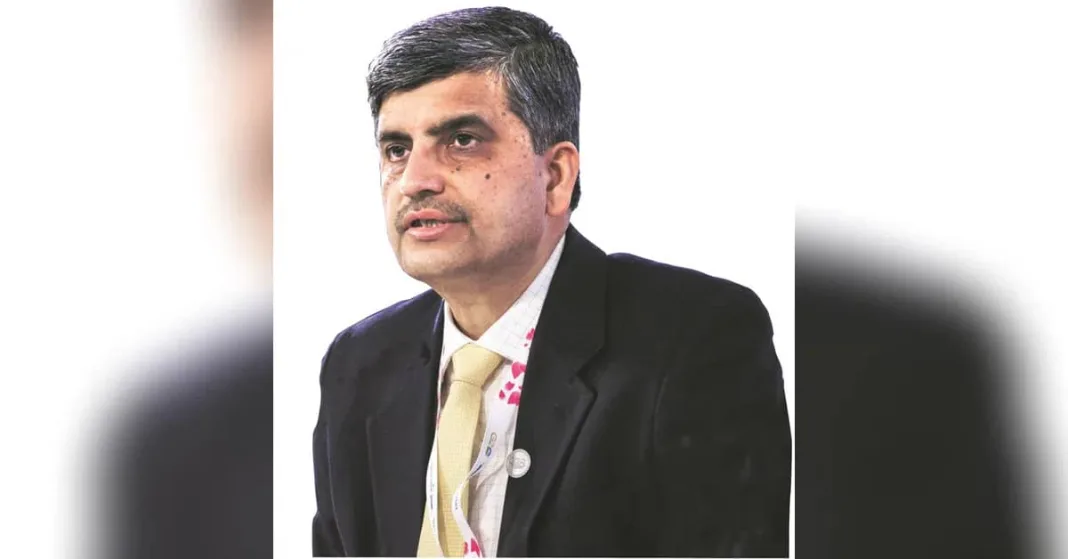
Insurance Regulatory and Development Authority of India (Irdai) Chairman Ajay Seth tells Aathira Varier in an email interview about the objectives of the proposed insurance distribution norms and how Bima Sugam is intended to support a shift towards a more transparent insurance market. Edited excerpts:
The proposed norms have led to a sharp reaction in the equity markets. How do you view the market’s response?
Capital markets respond to changes in business economics by assessing their potential implications for individual business models. The consultation paper is not directed at any particular company or business model, and Irdai would not like to comment on individual companies or stock prices.
The proposed reforms are intended to create a more efficient and transparent distribution ecosystem. Where business models have been significantly dependent on high distribution payouts, the economics may need to be reassessed. At the same time, the reforms should be viewed in the context of the industry’s longer-term objective of expanding coverage and improving policyholder value.
The appropriate assessment ultimately has to consider how the reforms affect affordability, distribution reach, customer outcomes and sustainable growth, rather than focusing only on short-term market movements.
What kind of feedback have you received so far from insurers, distributors and other stakeholders on the proposed changes?
This is a consultation process, and we want to hear from all stakeholders before finalising the framework. Insurers, distributors, policyholders and other stakeholders have an opportunity to examine the proposals and provide comments, including on the proposed commission architecture, EoM glide path and distribution arrangements.
Importantly, alternative suggestions are welcome, but they should be supported by sound economic or business logic and demonstrate how they serve policyholder interests. We will carefully consider all the feedback received before moving to draft regulations. The draft regulations themselves will be placed in the public domain for another round of consultation before final notification.
The objective is therefore not to close the discussion, but to use the consultation process to improve and fine-tune the framework.
Given the feedback from the industry, is there scope for Irdai to revisit or fine-tune any aspects of the proposed norms?
Certainly. The document is a consultation paper, not the final regulatory framework. We will consider stakeholder feedback before issuing draft regulations, which will again be placed for public consultation. Such feedback should be supported by sound economic or business logic and demonstrate how it serves policyholder interests.
The EoM reduction itself has been designed through a phased glide path rather than as an overnight change, allowing the industry and distribution ecosystem to adjust progressively. Not just that, we will also monitor the impact of the reforms on insurance growth, affordability, distribution reach, particularly in underserved markets, and customer outcomes.
How does Irdai plan to engage with the industry to ensure that all stakeholders remain aligned on the broader objectives of the reforms?
The approach is deliberately consultative and involves multiple stages. The current consultation paper is open for comments from stakeholders until October 25. We are also proactively meeting industry stakeholders and are open to meeting any association of regulated entities or industry bodies.
We will consider all the deliberations, representations and suggestions received and, based on that feedback, issue draft regulations. Those draft regulations will again be placed in the public domain for comments before the final regulations are notified.
The proposed framework is therefore not being implemented through a single-step process. This allows insurers, distributors, policyholders and other stakeholders to provide feedback, suggest alternatives and identify potential unintended consequences, if any.
The intention is to maintain alignment on the broader objectives while allowing the detailed regulatory architecture to be refined through consultation. The proposed EoM limits will also be introduced through a phased glide path, allowing the ecosystem time to adapt.
The industry has seen several regulatory and taxation-related changes over the past few years. How does Irdai plan to provide greater regulatory stability and predictability going forward?
Regulatory stability should not mean preserving a framework when evidence shows that its outcomes are not aligned with its objectives. The 2023 framework was designed to provide greater flexibility, but experience indicated that commissions and overall expenses increased. The current recalibration is therefore evidence-based.
At the same time, predictability is being provided through a transparent consultation process, draft regulations for further consultation and a phased implementation of EoM limits. The proposed framework will also be monitored against outcomes such as growth, affordability, distribution reach and policyholder experience.
Going forward, the emphasis will be on evidence-based regulation rather than frequent changes without a clear rationale. Further reforms planned for FY2027-28 in claims management, grievance redressal and products will also build on this broader regulatory direction.
How far is Irdai from the launch of Bima Sugam?
Bima Sugam is expected to be launched shortly, within four to six months. It is envisaged as a not-for-profit, commission-neutral market infrastructure institution, operating on a nominal fee-based model.
The Public Insurance Registry will provide the underlying information layer, including comparable information on products, premiums, benefits, exclusions and insurer performance. Together, Bima Sugam and the PIR are intended to support a shift towards a more transparent, customer-driven insurance market where insurers compete on product features, pricing, claims experience and service quality rather than distribution remuneration.
Given that very few insurers are listed, what is your view on the listing of large firms on the exchanges?
Listing is ultimately a decision for individual insurance companies and their shareholders, based on their business requirements and applicable legal and regulatory considerations.
From a broader market perspective, listing can contribute to greater public disclosure, transparency and market discipline, and can provide investors with more information on the financial performance and business model of an insurer. At the same time, transparency should not be dependent only on whether an insurer is listed.
The Public Insurance Registry will significantly strengthen transparency and disclosures across the insurance sector, irrespective of the listing status of the company. It will provide comparable information on products, insurer performance, claims settlement, grievance handling and service outcomes, thereby reducing information asymmetry and enabling more informed choices.
India has substantial unmet insurance needs and therefore significant scope for the sector to grow. Whether through listed or unlisted entities, what remains fundamental is that insurers operate sustainably, maintain strong policyholder protection and build businesses based on trust, transparency and sound economics.
Insurers are an important source of long-term capital. How can the industry’s long-term funds be channelled more effectively towards infrastructure and other long-gestation assets, while balancing the interests of policyholders?
Insurance is one of the most important pools of long-term capital in the economy, and we are conscious of its potential to support India’s infrastructure and development needs. Irdai has been progressively broadening the avenues available to insurers.
Investments in InvITs and REITs have been enabled, and the regulatory framework also provides for investment in Infrastructure Debt Funds-NBFCs and NaBFID, creating additional channels for long-term infrastructure financing.
The focus now should be on deepening these avenues and creating more investible, well-structured opportunities, while maintaining prudent asset-liability management and protecting policyholder interests.
As the insurance sector grows, the pool of long-term funds will grow substantially. Our endeavour should be to ensure that these funds can participate meaningfully in India’s infrastructure story, without compromising the fundamental principle that policyholder interests remain paramount.