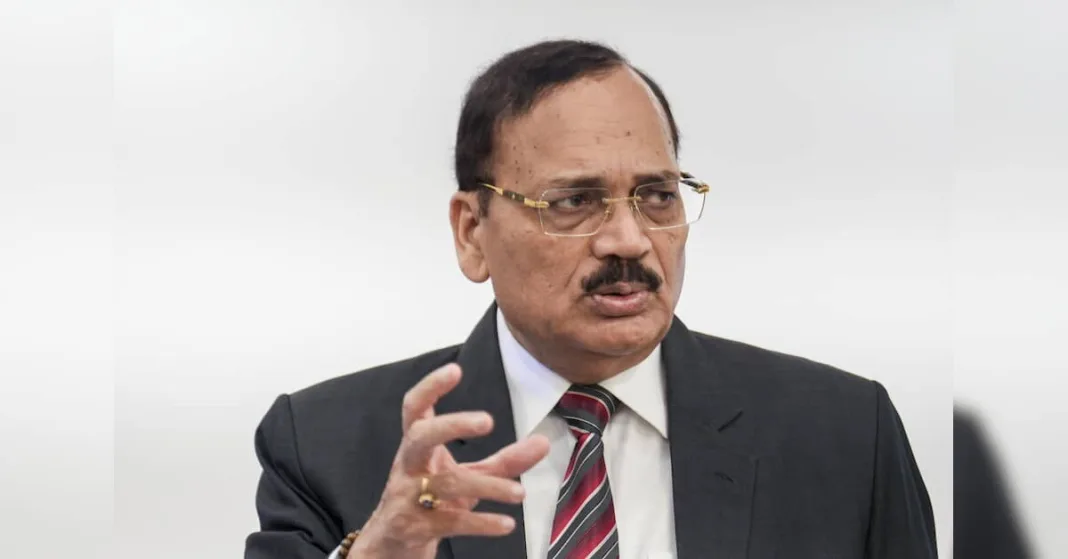

India needs a five-year policy agenda to make advanced genomic testing and targeted cancer therapies accessible to lower-income patients, leading oncologist Dr Bhawna Sirohi said on Saturday.
Speaking to PTI, Sirohi noted that precision oncology has the potential to transform cancer treatment, but high costs, limited access to advanced genomic testing and expensive drugs remain major challenges in the country.
Sirohi, consultant medical oncologist and medical director at Vedanta Medical Research Foundation-BALCO Medical Centre, Raipur, is the only cancer specialist from India on a new Lancet Oncology Commission on precision cancer, launched at the World Cancer Congress in Hong Kong on Friday.
The cancer specialist stated that unlike conventional chemotherapy, which can affect both cancerous and normal cells, precision treatment seeks to identify a specific target or biomarker on cancer cells and match it with an appropriate drug.
Precision oncology allows doctors to identify the biological drivers of a cancer and select treatment accordingly, helping individualise care and potentially improve outcomes while reducing unnecessary side effects, she said.
However, molecular testing and next-generation sequencing (NGS) can themselves be expensive, while the drugs recommended based on such tests may not be available in India or may be beyond the financial reach of most patients, particularly those from low- and middle-income groups, she said.
Oncologists face the dilemma of whether or not to discuss some of these expensive treatments, which are out of reach of most LMIC patients, she said.
“In the Lancet Oncology Commission, we discuss the global landscape, but in India and other LMICs (low- and middle-income countries), this risks deepening a permanent, two-tiered global health system that delivers even more inequitable care,” she said.
The success of precision oncology is particularly evident in lung cancer, where patients with specific EGFR mutations can be treated with targeted tablets for years instead of conventional chemotherapy, she said.
“Lung cancer is no longer one type of cancer but multiple different types of cancer with each type targeted with targeted therapy,” Sirohi said, adding that such treatment is available under the Ayushman Bharat scheme, although newer and more effective drugs remain largely constrained by their cost.
“All cancers can benefit from precision treatment in India, though how we deliver it to everyone remains a challenge,” Dr Sirohi said.
She further called for genomic and molecular diagnostic tests to be integrated into public healthcare schemes.
“Integrating diagnostic genomic panels into healthcare schemes like Ayushman Bharat is critical for lower-income patients,” she said.
Sirohi also pointed to the Department of Health Research and Indian Council of Medical Research-backed DIAMOnDS project, aimed at strengthening advanced molecular oncology diagnostic services and providing free diagnostic services.
She said the initiative was a good beginning but currently focuses primarily on selected markers for lung and breast cancers and some blood cancers, with designated regional laboratories largely using techniques such as real-time PCR, immunohistochemistry and fluorescence in-situ hybridisation.
She cautioned that conducting sophisticated genomic testing without ensuring access to the recommended medicines could expose patients to additional financial burden.
She called for regular health technology assessments and implementation of guidelines covering newer drugs and technologies, besides greater investment in geneticists, molecular pathologists and bioinformaticians.
“India needs a five-year agenda for delivering precision cancer care, with a clear assessment of the pros and cons of tests and technologies. Those that are to be made universally available must be validated and meet global and national peer-review standards,” she said.
Dr Sirohi also emphasised the need for biobanking of tumour, tissue, blood, saliva and stool samples to improve understanding of cancer biology in the Indian population.
On cancer care in Chhattisgarh, she said the state’s large rural and tribal population faces challenges including poverty, long-distance travel, mistrust of large city hospitals and inadequate access to specialised care.
Sirohi welcomed the state government’s decision to make cancer a notifiable disease, and said it would help establish the true burden of the disease and allow policymakers to focus on major cancers, including breast, lung, cervical, oral and stomach cancers.
Government investment in chemotherapy daycare centres can bring treatment closer to patients, but such facilities must provide safe care under trained personnel, she said.
Fear, stigma, myths and misconceptions are major barriers preventing rural and tribal patients from seeking timely care, she said.
Dr Sirohi pointed out that cancer research is heavily focused on high-income countries, and there is a need to rebalance research efforts to address the unique challenges faced by low- and middle-income countries,” she said.
Sirohi said BALCO Medical Centre had also recently launched a cervical cancer elimination programme with the state government, focusing on HPV vaccination and cervical cancer screening to contribute to the WHO’s 2030 goals.