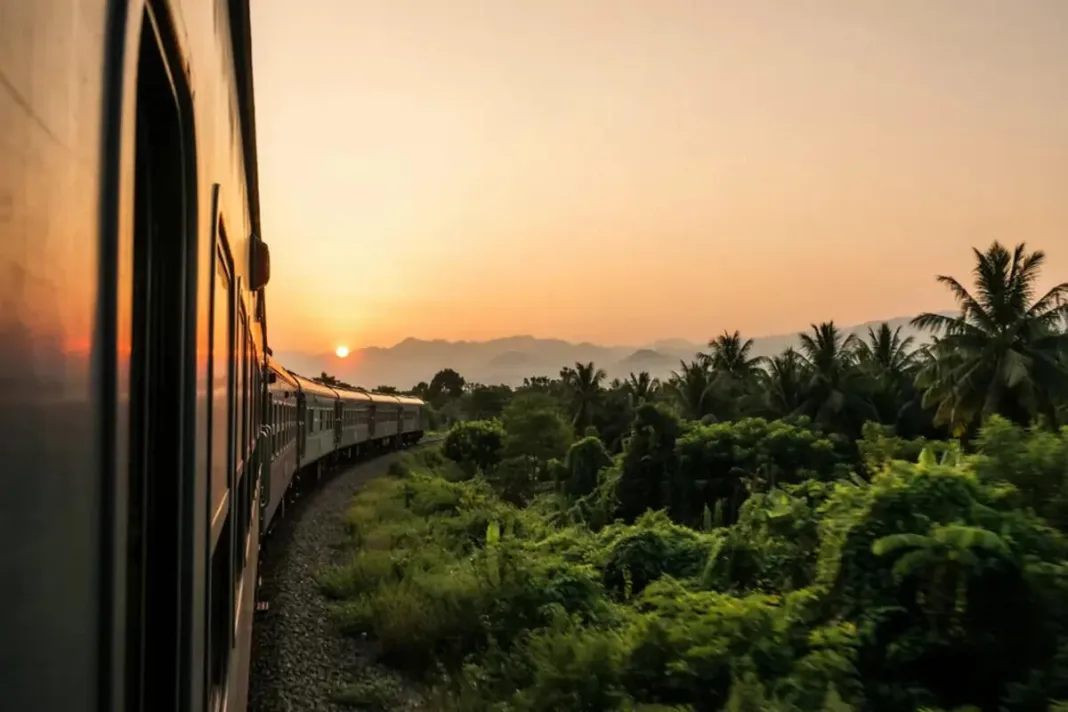

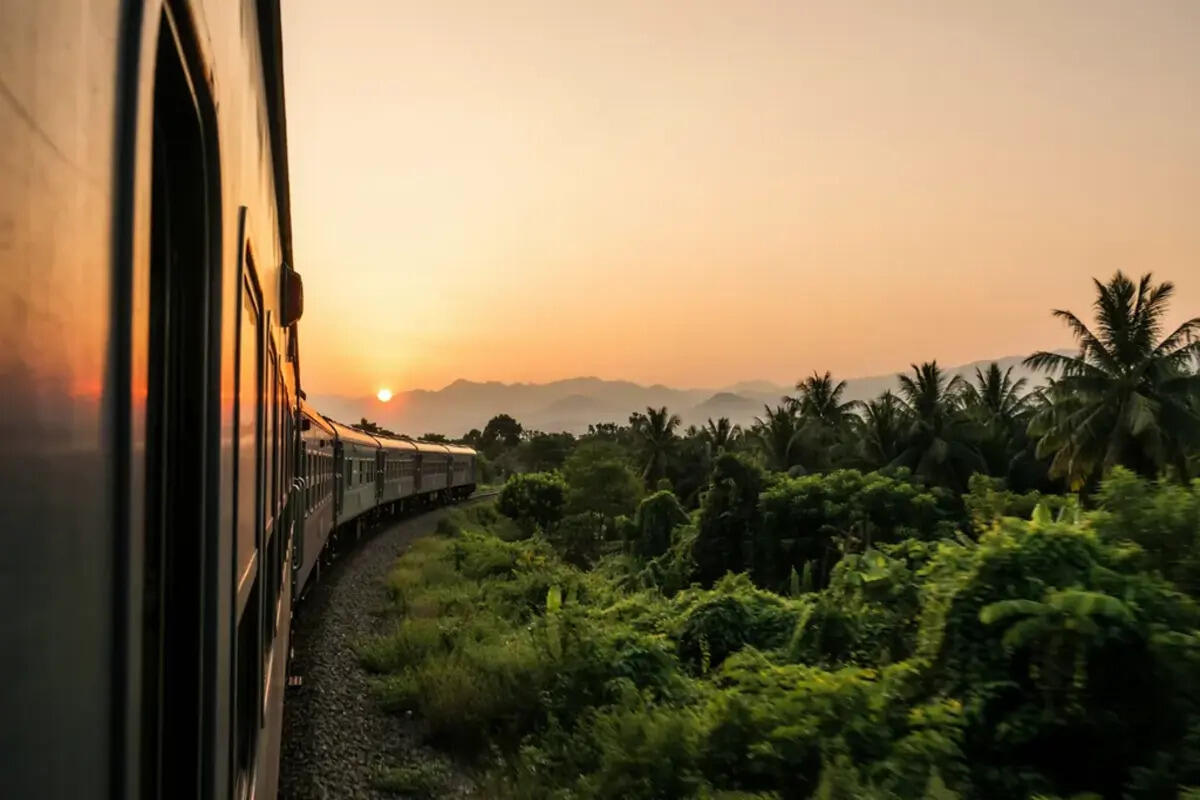
Image generated with Ai
India Travel Breakthrough As Delhi Varanasi High Speed Rail Plan Targets Faster Under 4 Hour Connectivity is set to reshape future journeys as the proposed high-speed rail corridor aims to reduce travel time between the national capital and Varanasi to around 3 hours 50 minutes. The ambitious railway vision is part of India’s broader infrastructure expansion strategy to create faster links between major cities, strengthen tourism access, improve business connectivity and modernise long-distance rail travel. Once developed, the corridor could bring two important destinations closer than ever, offering passengers a quicker, more efficient and next-generation travel experience across India.
India is preparing for a major transformation in domestic travel as proposed high-speed rail corridors aim to drastically reduce journey times between some of the country’s busiest cities. The ambitious railway vision could bring Delhi and Varanasi closer with a travel time of around 3 hours 50 minutes, while Mumbai and Pune could eventually be connected in just 48 minutes.
The planned network is part of the Ministry of Railways’ broader strategy to modernise rail infrastructure, improve passenger mobility and create faster links between important economic, cultural and tourism destinations. The proposed travel durations were highlighted under the Union Budget 2026-27 railway development roadmap, reflecting India’s long-term ambition to build a next-generation transportation network.
India’s High Speed Rail Plans Target Faster City To City Travel
The proposed high-speed rail corridors are expected to reshape how passengers travel across India by significantly reducing the time required for long-distance journeys. The planned routes focus on connecting major metropolitan regions with important commercial, industrial and tourism centres.
Advertisement
Advertisement
Among the key proposals is the Delhi-Varanasi high-speed rail corridor, which is expected to transform connectivity between India’s capital city and one of the world’s oldest cultural destinations. With a projected travel time of approximately 3 hours 50 minutes, the corridor could provide a faster alternative for millions of travellers visiting Varanasi for tourism, religious and business purposes.
Another major proposal includes the Varanasi-Patna-Siliguri high-speed corridor, which could reduce travel between Varanasi and Siliguri to around 2 hours 55 minutes. The route is expected to strengthen connections across Uttar Pradesh, Bihar and West Bengal while supporting tourism and regional economic activity.
Mumbai Pune High Speed Rail Corridor Could Cut Travel Time To 48 Minutes
Western India is also set to play an important role in the proposed high-speed rail expansion. The planned Mumbai-Pune corridor could become one of the fastest intercity rail connections in the country, reducing travel time between the two major Maharashtra cities to approximately 48 minutes.
Mumbai and Pune are among India’s most important economic hubs, with strong links in finance, technology, manufacturing and education. A faster rail connection could improve business travel, support tourism movement and provide more efficient connectivity between urban centres.
Advertisement
Advertisement
The railway vision also includes a proposed Pune-Hyderabad high-speed rail link, which could reduce travel time between the two cities to around 1 hour 55 minutes. The corridor would create stronger links between Maharashtra and Telangana while improving access to two growing economic regions.
Southern India To Receive Major High Speed Rail Boost
The proposed high-speed rail network also focuses on southern India, with plans to connect Chennai, Bengaluru and Hyderabad through faster rail links.
The planned Chennai-Bengaluru high-speed corridor could reduce travel time between the two cities to nearly 1 hour 13 minutes. Currently, the route serves thousands of passengers travelling for business, education and tourism, making faster connectivity a significant infrastructure goal.
A proposed Bengaluru-Hyderabad high-speed connection could also bring the two technology-driven cities closer, with an estimated journey duration of around 2 hours. The improved network could strengthen regional cooperation and support faster movement between major business destinations.
Railway Expansion Beyond High Speed Corridors
While high-speed rail remains a key focus, Indian Railways is also planning wider infrastructure improvements to strengthen connectivity across different regions.
The expansion plans include a 40-kilometre underground railway corridor in the Northeast, additional four-line railway sections, the development of the Rishikesh-Karnaprayag railway project in Uttarakhand and improved rail access in Jammu and Kashmir.
Proposed extensions towards Uri are also part of efforts to enhance connectivity in challenging geographical areas and improve access to remote regions.
These projects highlight a wider railway modernisation strategy focused on increasing capacity, improving passenger experience and expanding transportation links across the country.
Dedicated Freight Corridor Plans To Strengthen Logistics Network
India’s railway transformation is not limited to passenger travel. Freight infrastructure is also receiving attention through proposed dedicated corridors designed to improve cargo movement.
The planned East-West Dedicated Freight Corridor would connect Dankuni in West Bengal with Surat in Gujarat. The project aims to improve logistics efficiency by creating a dedicated route for freight transportation.
A stronger freight network could support industries, reduce pressure on existing railway lines and help improve the movement of goods across major economic regions.
India’s proposed Delhi-Varanasi high-speed rail corridor could transform domestic travel by cutting journey times to around 3 hours 50 minutes, creating faster connections for tourists, commuters and businesses.
Future Of Travel As India Moves Towards Faster Rail Connectivity
The proposed high-speed rail travel times represent a long-term vision for India’s railway future and are not currently available passenger services. The projects will require detailed planning, construction and phased implementation before operations begin.
Once developed, these corridors could redefine domestic travel by reducing journey times, improving connections between major cities and supporting tourism and economic growth. India’s high-speed rail vision represents a significant step towards creating a faster, more connected and modern transportation network for future generations.