


Cuba’s travel industry is currently navigating an unprecedented crisis, facing severe economic headwinds and declining global interest. Official data indicates a staggering reality: Cuba sees 60% international visitor drop in the first half of 2026. This alarming downward trend is reshaping the entire Caribbean travel market. In response to plummeting arrivals from traditional Northern hemisphere markets, government ministries and national tourism boards are swiftly executing a massive recovery strategy. Authorities are now heavily pivoting toward Latin American travellers to rescue the struggling hospitality sector. This vital shift highlights how South American tourists might ultimately determine the island’s economic survival.
The Pre-Crisis Era: Understanding Cuba’s Tourism Background
Historically, the Caribbean island of Cuba stood as a premier holiday destination, celebrated for its pristine sun-and-beach modality, vibrant cultural heritage, and iconic colonial architecture. Prior to the devastating global disruptions brought about by the Covid-19 pandemic, the Cuban travel industry was a formidable economic engine. Between 2014 and 2019, following a historic thaw in diplomatic relations under the Obama administration, the nation experienced a substantial boom in international arrivals. By 2018 and 2019, the country was regularly welcoming over 4.2 million international visitors annually, generating an estimated $2.5 billion to $3 billion in vital foreign exchange revenue.
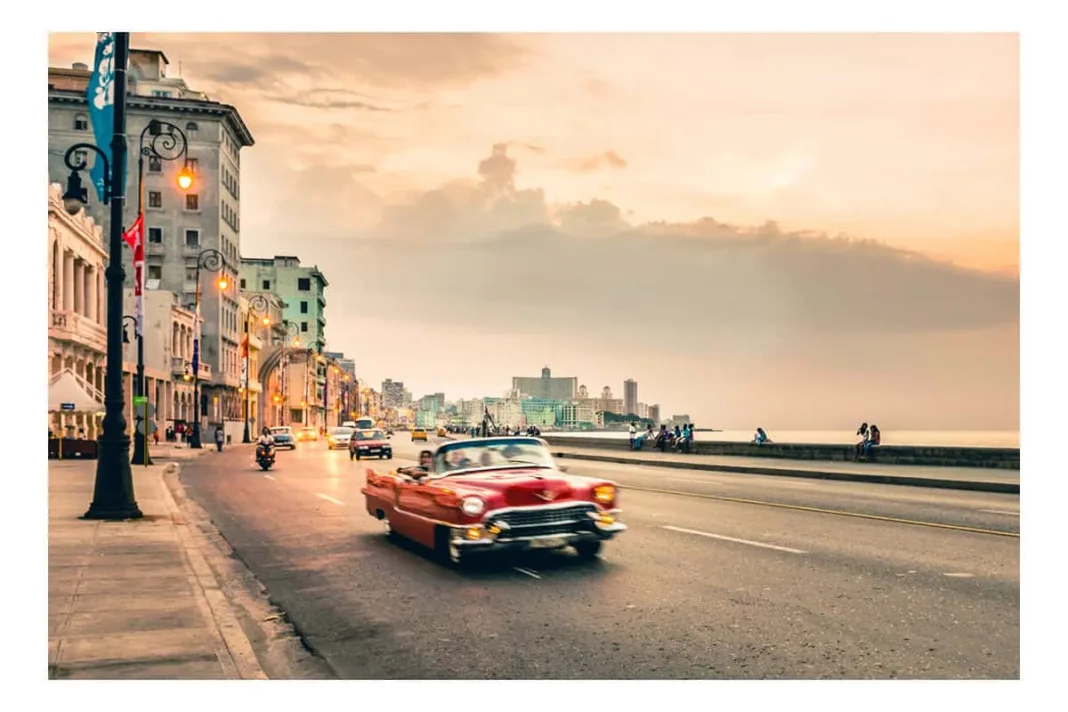
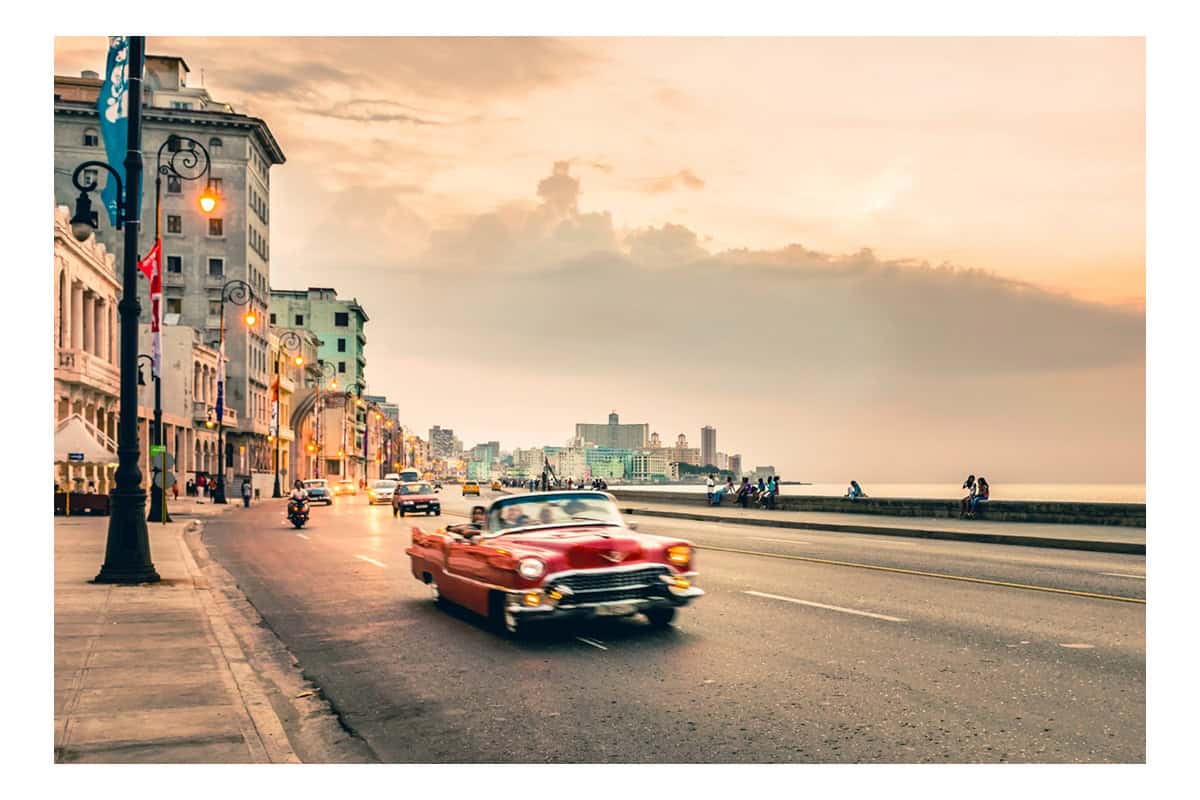
During this golden era, visitors from Canada, Europe, and the United States filled the streets of Havana, packed local restaurants known as paladares, and embarked on guided tours in vintage American cars. The tourism infrastructure expanded rapidly to accommodate the influx, with numerous international hotel chains breaking ground on massive resort projects along the northern coast. However, the subsequent reversal of diplomatic policies, coupled with the onset of the pandemic, abruptly halted this upward trajectory. Unlike neighbouring Caribbean destinations like the Dominican Republic or Cancun, which managed to swiftly recover and even exceed their pre-pandemic visitor numbers, Cuba has struggled to regain its footing. The structural vulnerabilities of the island’s centrally planned economy, heavily dependent on external inputs, became glaringly apparent as the travel sector failed to bounce back.
Advertisement
Advertisement
Unveiling the 2026 Statistics: A Historic Decline
As of mid-2026, the situation has escalated from a slow recovery into an outright freefall. The latest figures released by the Oficina Nacional de Estadística e Información (ONEI) paint a remarkably grim picture for the nation’s hospitality sector. Data confirms that the country received a mere 419,863 international visitors during the first seven months of 2026. This represents a catastrophic 62% decline when compared to the 1.1 million international tourists recorded during the exact same period in 2025.
When analysing the first half of the year in isolation, the numbers are equally devastating. Reports indicate that Cuba sees 60% international visitor drop—specifically a 60.7% decrease by the end of June 2026, with only 387,591 international tourists arriving compared to 985,606 in the first half of 2025. May 2026 proved to be an exceptionally poor month, registering only 30,883 international tourist arrivals, while June saw just 28,100 visitors.
The decline is not isolated to one specific geographic demographic; it is a widespread collapse across nearly all traditional source markets. Canada, historically the cornerstone of Cuban inbound tourism, recorded a staggering deficit of 350,737 visitors in just seven months. The number of travellers from the United States decreased by nearly 40,000, while European markets like Spain and France, alongside Asian markets such as China, also reported significant downward trends. Furthermore, visits from the Cuban diaspora—Cubans residing abroad returning to visit family—declined substantially, depriving the local economy of a vital source of informal capital injection.
Advertisement
Advertisement
The Root Causes of the Tourism Plunge
The unprecedented collapse of the Cuban tourism industry cannot be attributed to a single factor, but rather to a complex convergence of geopolitical pressures, systemic economic failures, and infrastructural decay. The most immediate catalyst for the 2026 downturn has been an intensified pressure campaign from the United States. In January 2026, the U.S. government imposed a radical energy embargo on the island, aiming to force a change in the country’s political and economic framework.
This energy blockade severely restricted the importation of essential fuels, triggering cascading failures across the nation’s fragile infrastructure. The resulting jet fuel shortages have forced international airlines to drastically scale back or entirely cancel their scheduled flight operations from key markets including Canada, Spain, Mexico, and Russia. Domestically, the lack of crude oil and diesel has led to extensive rolling blackouts, sometimes lasting up to 18 hours a day in various provinces. For an industry entirely reliant on providing comfort and luxury, the inability to guarantee continuous electricity, air conditioning, and reliable transport has severely damaged the destination’s international reputation.
Furthermore, food shortages and a lack of basic supplies have compromised the operational capacity of both state-run hotels and private accommodations. Tour operators are increasingly hesitant to sell package holidays to a destination where the fundamental visitor experience is routinely disrupted by infrastructural failures. As noted by academic reports, demand in the tourism sector reacts highly sensitively to supply outages and reputational damage, pushing prospective holidaymakers towards more stable alternatives in the Caribbean basin.
U.S. Sanctions and the GAESA Hotel Exodus
Compounding the logistical nightmares caused by the energy crisis is the targeted financial warfare aimed directly at the island’s tourism infrastructure. The Cuban hotel sector is heavily dominated by the Grupo de Administración Empresarial, S.A. (GAESA), a vast conglomerate controlled by the Cuban military. Over the past decade, GAESA has maintained a monopoly over the construction and management of the most lucrative resort properties across the island.
Between May and July 2026, the U.S. State Department announced a fresh wave of stringent sanctions specifically targeting the heart of this industry. These measures included the freezing of international bank accounts and prohibiting any entities associated with GAESA from operating within the U.S. financial system. The Office of Foreign Assets Control (OFAC) tightened restrictions, issuing stern warnings to international tour operators and hospitality management firms about the legal ramifications of partnering with military-owned entities.
The fallout from these regulatory actions was swift and severe. In a historic exodus, seven major international hotel groups permanently terminated their management contracts and departed the country within the first half of 2026. These multinational chains cited the tightening of U.S. sanctions and the impossible operating conditions as the primary drivers for their withdrawal. Consequently, the occupancy rates across state-owned facilities have plummeted to record lows. ONEI statistics reveal that during the first quarter of 2026, the national hotel occupancy rate hovered at a dismal 12.9% to 21.5%, with many facilities operating completely empty.
The Domestic Impact: A Struggling Economy
The evaporation of international visitors has sent devastating shockwaves throughout the broader Cuban economy, which relies heavily on tourism as an economic multiplier. During the peak years, the influx of foreign currency directly subsidised state-funded social programmes and provided critical capital for the importation of food and medicine. Today, the absence of this revenue has exacerbated the nation’s ongoing inflationary crisis and severe foreign exchange shortages.
The impact is most acutely felt by the Cuban public and the burgeoning private sector. Thousands of entrepreneurs who invested heavily in casas particulares (private bed and breakfasts), boutique paladares (independent restaurants), and private taxi services are now facing financial ruin. Plazas and historic streets that were previously congested with eager tourists purchasing souvenirs and patronising local artists now sit largely abandoned.
According to senior tourism experts in Havana, the local sector is undergoing a painful transition. The symbiotic relationship between tourism and other domestic sectors means that the current downturn has led to massive underemployment in hospitality-adjacent fields. Without tourists to purchase goods and services, local agricultural suppliers, artisans, and entertainers have lost their primary source of income, further deepening the nationwide recession and prompting widespread economic anxiety among the populace.
Cuba’s Strategic Pivot: Targeting South American Tourists
Faced with the collapse of traditional northern markets and the enduring hostility of U.S. foreign policy, the Cuban Ministry of Tourism (MINTUR) has been forced to radically rethink its survival strategy. Acknowledging the stark reality that Cuba sees 60% international visitor drop, officials have launched a massive, coordinated recovery push aimed specifically at the South American and broader Latin American markets.
Historically, while Latin America has always contributed to Cuba’s visitor numbers, it was often overshadowed by the sheer volume of Canadian and European tourists. However, cultural affinities, shared language, and a growing middle class in several South American nations present a viable, albeit challenging, alternative. MINTUR has identified the Southern Cone—particularly Argentina, Chile, and Brazil—as well as Andean nations like Colombia and Peru, as critical demographics for immediate targeted marketing campaigns.
The strategic pivot involves aggressive promotional roadshows across Latin American capitals, offering heavily discounted vacation packages, and promoting Cuba not just as a sun-and-beach destination, but as a hub for cultural heritage, health tourism, and corporate conventions. Authorities are explicitly attempting to rebuild the “Cuban ambiance” that appeals to regional neighbours who seek safe, culturally enriching travel experiences without the high price tags associated with competing Caribbean luxury resorts.
Expanding Air Connectivity and Travel Routes
The primary obstacle to unlocking the South American market has historically been poor air connectivity and exorbitant flight costs. MINTUR officials have openly acknowledged that without frequent, reliable, and direct aviation routes, the Latin American recovery push will remain fundamentally unviable. Consequently, expanding the aviation network has become the top priority for government transport authorities.
Currently, Copa Airlines serves as the most reliable conduit connecting the southern hemisphere to Havana, operating via its Hub of the Americas in Panama City. However, relying on a single carrier is insufficient to drive mass tourism recovery. To circumvent this bottleneck, Cuban authorities have engaged in intense negotiations with regional tour operators and aviation authorities to launch new direct flights.
Recent governmental developments highlight this aggressive expansion. Cubana de Aviación has officially restarted direct flight operations to Argentina, a move designed to recapture the historically robust Argentine outbound travel market. Simultaneously, MINTUR has successfully negotiated new charter flight operations originating from Ecuador, managed by a consortium of three major South American tour operators. Similar diplomatic and commercial negotiations are currently underway with aviation authorities in Peru and Colombia to establish regular, scheduled airlift capacity, bypassing the logistical hurdles imposed by the U.S. jet fuel embargo.
Evaluating the Recovery Push and Regional Competitiveness
While the pivot towards South America is a logical strategic manoeuvre, evaluating its potential for success requires an understanding of the highly competitive Caribbean tourism landscape. Competing destinations such as the Mexican Riviera Maya, Punta Cana, and Jamaica offer modern, highly maintained infrastructure, unrestricted air access, and aggressive marketing budgets. In contrast, Cuba is attempting to woo Latin American travellers with an ageing hotel stock that suffers from chronic under-maintenance.
Economic analysts argue that for the South American strategy to yield tangible results, the Cuban government must drastically alter its investment priorities. For decades, state holding companies have poured billions of dollars into constructing massive new luxury resorts, even as existing facilities deteriorated. The current crisis dictates that recovery will depend far less on constructing new hotel rooms and significantly more on redirecting scarce foreign exchange towards renovating the vast inventory of hotels built more than thirty years ago.
Furthermore, maintaining a competitive edge requires resolving the internal logistical crises that tarnish the visitor experience. South American tourists, accustomed to high standards of service in competing regional destinations, will not return to a location plagued by electrical blackouts and inadequate food supplies. The success of MINTUR’s recovery push is intrinsically tied to the broader macroeconomic stabilisation of the country.
Policy Implications and Economic Reforms
The catastrophic drop in visitor numbers has sparked intense debates within the highest echelons of the Cuban government regarding the necessity of structural economic reforms. The old model of state-dominated tourism, shielded from domestic private competition and heavily reliant on massive foreign tour operators, is evidently failing under the weight of external sanctions and internal inefficiencies.
To salvage the sector, policymakers are quietly exploring radical concessions that were previously considered politically unpalatable. Reports suggest that authorities are contemplating permitting up to 100 per cent foreign ownership in specific tourism enterprise zones in a desperate bid to attract foreign direct investment. Such a move would effectively bypass the GAESA monopoly, allowing international hospitality brands to operate independently, source their own supply chains, and shield themselves from the U.S. sanctions specifically targeting military-owned entities.
Additionally, experts advocate for a much deeper integration of the domestic private sector into the national tourism product. By empowering independent restaurants, boutique private hotels, and private transportation cooperatives, the government could diversify the island’s offerings. Allowing private enterprises to independently import goods and retain foreign currency would inherently improve the quality of service, creating a more resilient, grassroots tourism ecosystem capable of surviving external macro-shocks.
Expert Perspectives on the Crisis
International economists and senior tourism analysts remain highly cautious regarding the feasibility of a rapid recovery. An objective analysis of the situation, free from political rhetoric, indicates that the challenges are deeply entrenched.
Jose Perello, a leading senior tourism expert based in Havana, succinctly summarises the dilemma: “Tourism depends on other sectors for its development and the current scenario, caused by foreign pressures, has led to a lack of energy, blackouts, and shortages of jet fuel; all this directly impacts tourism.” Perello insists that while the sun-and-beach modality remains a strong selling point, the industry desperately needs to generate new foreign investment and recover the unique cultural vibrancy that historically defined the Cuban experience.
Academic research further corroborates this sobering assessment. Reports published by international research institutes emphasise that the decline in visitor flows is not solely a product of the 2026 U.S. energy embargo, but the climax of long-standing structural problems within the Cuban economy. Analysts note that demand is highly elastic; when a destination consistently fails to provide basic modern amenities, global travellers simply redirect their discretionary income elsewhere.
Future Outlook: Can the Industry Rebound?
Looking toward the conclusion of 2026 and into 2027, the future of Cuban tourism hangs precariously in the balance. The government’s initial target of welcoming 3 million visitors by the end of 2026 has been entirely abandoned. Given that only 419,863 international visitors arrived in the first seven months, even reaching the revised, pessimistic threshold of one million annual visitors seems increasingly unlikely. To achieve even a moderate recovery, the island would require an unprecedented, mathematically improbable surge in arrivals during the final quarter of the year.
Economists propose two primary scenarios for the immediate future. Under a pessimistic scenario, assuming energy deficits persist, U.S. sanctions remain stringently enforced, and foreign investment continues to flee, international arrivals will stagnate well below one million visitors annually. This would permanently consolidate Cuba’s loss of its historical market share in the Caribbean, relegating it to a niche destination.
Conversely, an intermediate scenario offers a glimmer of hope. If the massive South American recovery push successfully establishes durable air bridges, and if the government executes immediate, sweeping economic reforms to empower the private sector and stabilise the electrical grid, a slow stabilisation could occur. However, this requires monumental political will and perfect execution.
Ultimately, the revelation that Cuba sees 60% international visitor drop serves as a stark warning. The survival of the island’s most vital economic sector no longer depends merely on marketing campaigns, but on fundamental, systemic transformation. As the South American outreach continues, the coming months will prove critical in determining whether the pearl of the Antilles can reclaim its position on the global tourism map, or if it will be forced to entirely reinvent its economic identity in an increasingly hostile geopolitical landscape.